

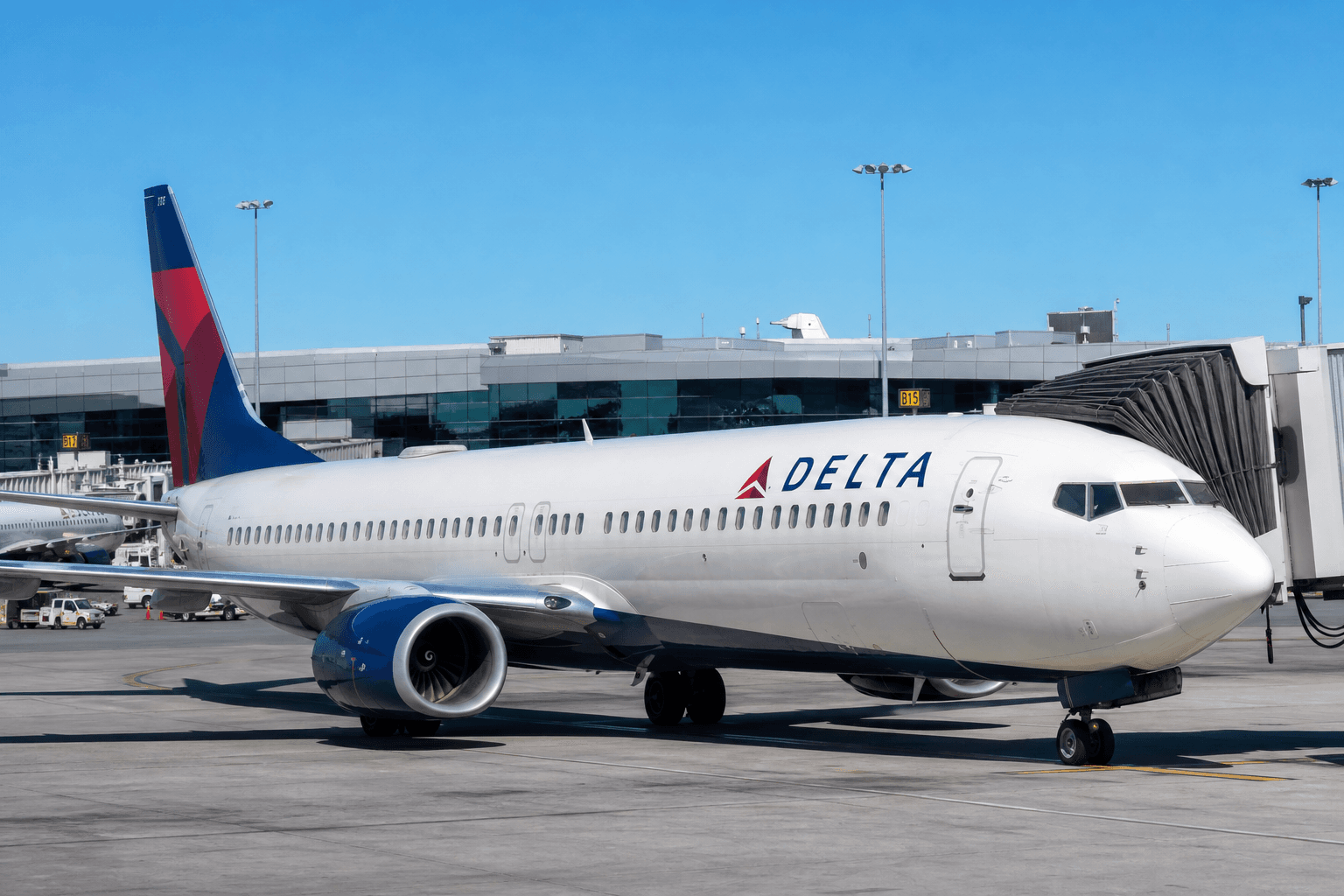
Illustration: The Touch & Go
Delta CEO Ed Bastian Often Chooses Economy to Hear Real Passenger Experience
Delta Air Lines CEO Ed Bastian frequently flies in Main Cabin to observe firsthand passenger experience and frontline operations, embodying a leadership style rooted in employee and customer engagement.
The gist
Delta CEO Ed Bastian flies economy to witness real passenger experience and gather candid feedback from crews and travelers.
Continuing coverage
All Delta Air Lines →- Delta Air Lines Ends Narita Hub Following 2008 Northwest Merger, Shifting Asia Strategy
- Delta Confirms Seattle-Singapore A350 Flights Marking Asia Expansion
- Federal Judge Approves Class Action for Delta Pilots Denied Paid Military Leave
- US Citizen Detained by ICE at Delta Gate Due to Mistaken Identity
- Delta Pilots End Scheduling Talks, Complicating Efforts to Fix Rising Flight Cancellations
Delta Air Lines' transformation into a premium carrier is widely associated with its standout products like Delta One Suites and refined service offerings. However, despite overseeing this elevated brand image, CEO Ed Bastian often opts to fly in the Main Cabin or Comfort+ sections rather than his airline’s premier cabins. This choice reflects a deliberate leadership philosophy focused on direct frontline engagement, operational insight, and a commitment to understanding the traveler experience from the majority of customers' viewpoint.
Bastian’s presence in economy class allows him to survey the passenger journey closely, noticing details that might be missed from a premium seat. He observes boarding procedures, seat comfort, overhead bin space, Wi-Fi performance, galley workflows, and lavatory usage—all factors that significantly shape customer satisfaction. By blending in with everyday travelers, he avoids signaling his status, which helps elicit more candid reactions and unfiltered employee interactions without the formality executives often experience.
A trained accountant and seasoned executive, Ed Bastian's career path integrates finance, operations, and crisis management. He joined Delta in 1998 as Vice President of Finance and left briefly before returning at the CEO’s request to help navigate bankruptcy. Elevated to president in 2007 and CEO in 2016, his leadership has been marked by a balance between commercial growth, operational discipline, and culture-building rooted in employee empowerment and customer focus.
Under Bastian's leadership, Delta has redefined its market positioning with a sharpened emphasis on premium offerings alongside a diversified revenue stream. Investments have included premium cabin innovations, new airport hubs and terminals, and expansion of Delta TechOps as a major third-party maintenance business. The airline enhanced its schedule reliability and operational resilience, particularly evident during peak travel and irregular operations seasons.
Choosing economy class travel is more than symbolic for Bastian—it ties directly to revenue and loyalty strategies. Flying there means he does not displace Medallion members or paid premium customers through upgrades, fostering fairness in the passenger experience. It also sends a message about cost discipline from the top down, particularly in challenging travel periods when efficiency and service quality are tested most.
This hands-on approach influences tangible operational improvements. Routine conversations with crew and passengers lead to enhancements in catering logistics, cabin service timing, app interface prompts, and the identification of persistent issues that inform larger cabin design decisions. Experiencing conditions like a 31-inch seat pitch on a crowded Tuesday flight helps validate employee feedback and fosters credibility with frontline staff.
At its core, Bastian’s leadership philosophy prioritizes integrity and relationship-building. He believes that leaders must earn trust by being visible where work happens, listening carefully to employees and customers, and making decisions grounded in company values. His management combines servant leadership with accountability, emphasizing safety, reliability, and cost control while recognizing team achievements and learning from setbacks.
Bastian’s routine visits to stations, ride-alongs with crews, and open forums with employees reinforce Delta’s people-first culture. This culture is the foundation for a business model where taking care of employees leads to superior customer service, ultimately underpinning the airline’s financial performance. His practice of experiencing the standard product himself exemplifies fairness and fuels a continuous loop of operational refinements and cultural strength at Delta.
Delta’s focus on premium cabins as profit drivers contrasts with Bastian’s choice to immerse himself in the mass market experience. This strategy allows leadership to see beyond boardroom projections to the real-life trials and satisfactions of everyday travelers, ensuring the airline’s evolution remains customer-centric and operationally sound.
Frequently asked questions
- Why does Delta CEO Ed Bastian often fly in economy class rather than premium cabins?
- Ed Bastian flies economy to closely observe the passenger experience and frontline operations, avoid displacing premium customers, and gather candid feedback from crews and travelers.
- How has Ed Bastian’s leadership influenced Delta’s airline strategy?
- Since becoming CEO, Bastian has focused on operational reliability, premium product development, revenue diversification, and fostering a people-first culture emphasizing employee and customer engagement.
- What operational improvements have resulted from Bastian’s direct engagement with Main Cabin passengers?
- His observations have led to enhancements in catering counts, service flows, app prompts, and informed larger cabin redesigns by identifying issues such as boarding friction and cabin logistics.
Read more
All Airlines →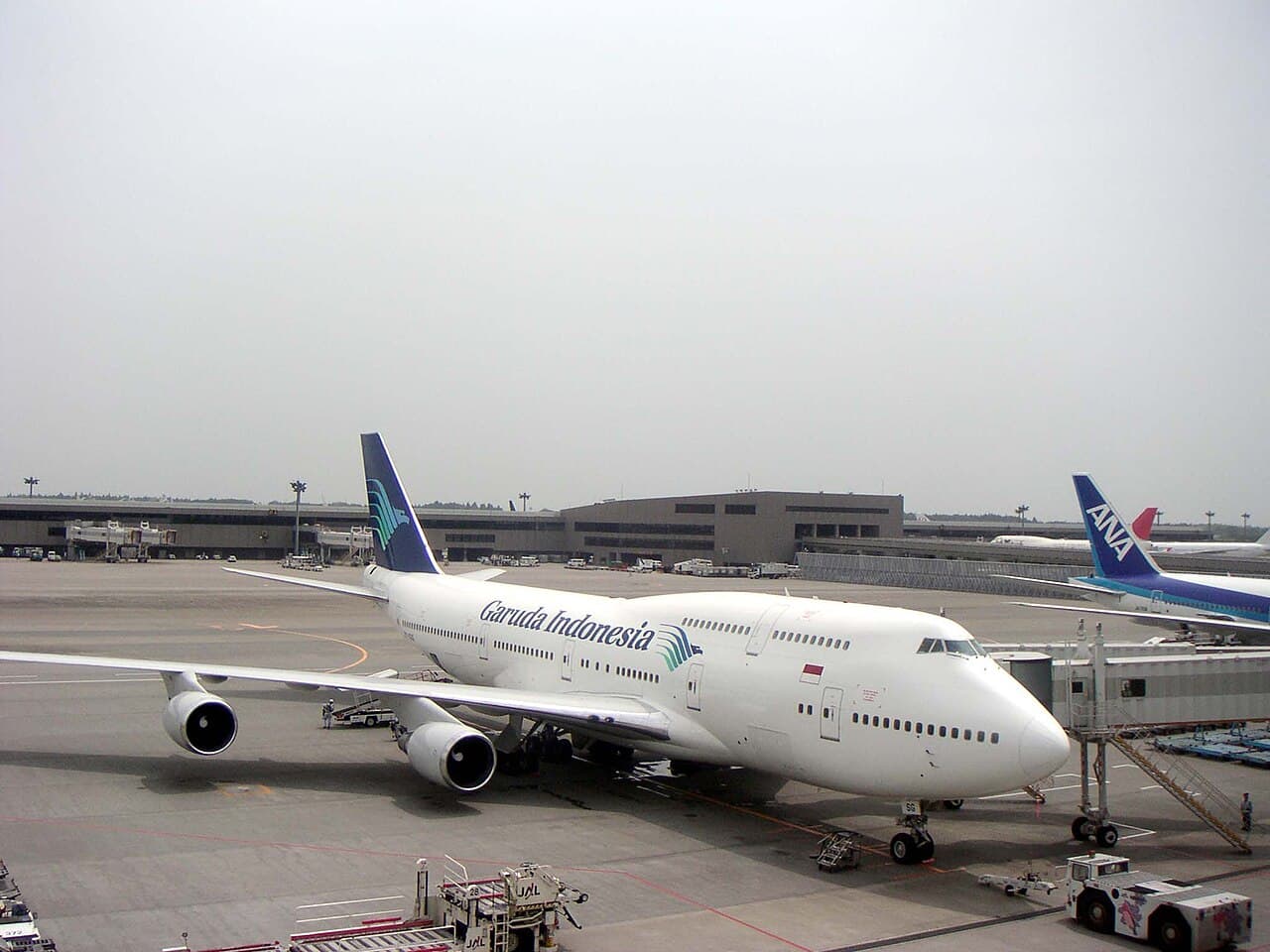
Delta Air Lines Ends Narita Hub Following 2008 Northwest Merger, Shifting Asia Strategy
The 2008 merger between Delta Air Lines and Northwest Airlines was the first to create one of the US's current 'mega legacy carriers.' Delta Air Lines and its contemporaries today have hubs spanning the entire country while operating over 1,000 mainline aircraft each.
Delta Pilots End Scheduling Talks, Complicating Efforts to Fix Rising Flight Cancellations
Delta's summer cancellation problem may not get fixed quickly after pilot scheduling talks broke down and the union voted to return to traditional contract negotiations. Delta canceled nearly 3% of its flights in July, worse than American and United and more than twice Southwest's rate, and the pilot scheduling issues that management itself identified are now likely to become part of a broader contract fight.
Delta to Launch Nonstop Austin-Paris Flight in Summer 2027 Alongside Austin-San Diego Service
Delta is expected to announce Austin–Paris nonstop service for summer 2027, along with new Austin–San Diego flying, marking a major step in its Austin build-up. The Paris route fits Delta's larger strategy to grow in a lucrative Amex card market.
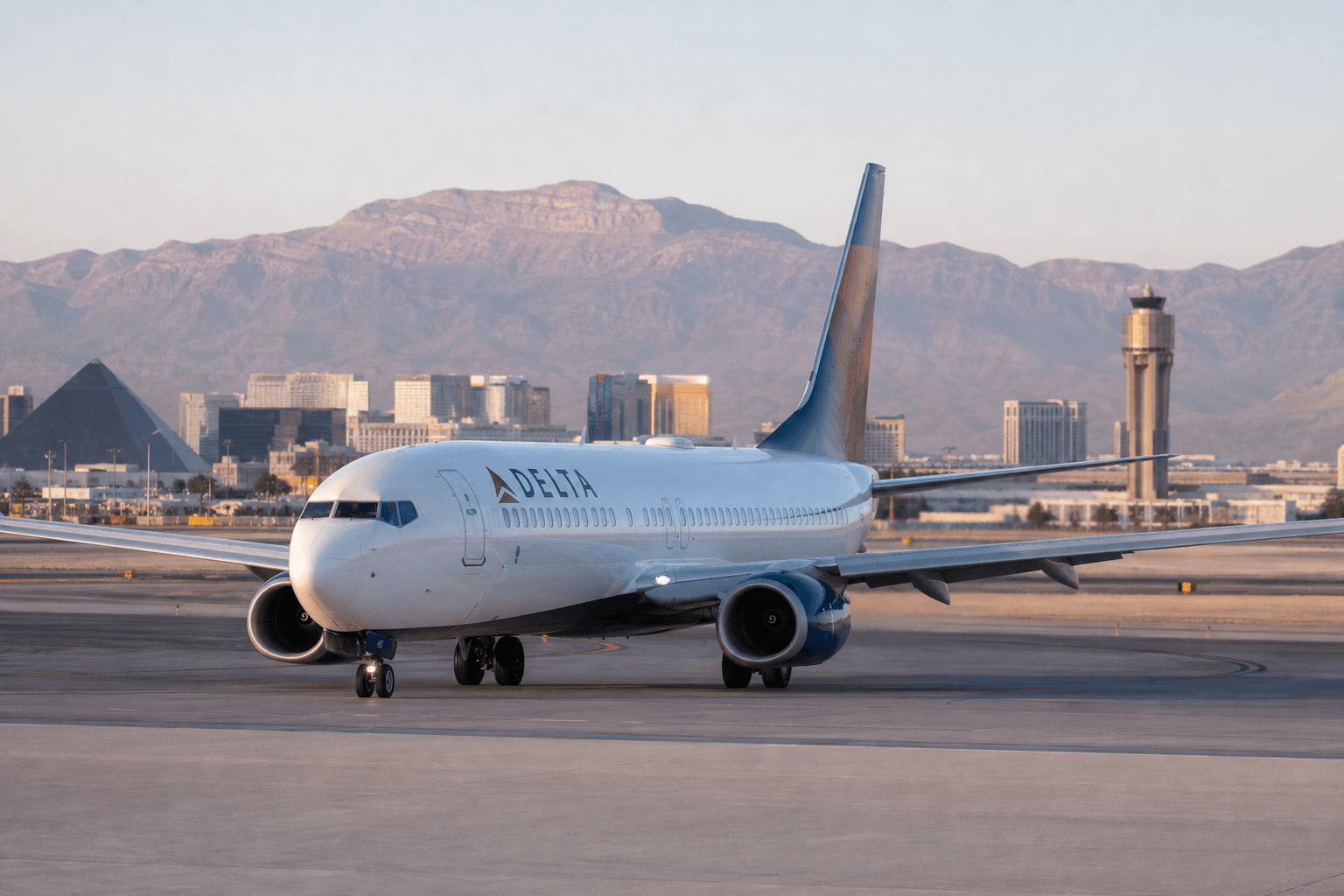
Delta Flight from Las Vegas Faces Inflight Wi-Fi Scam After DEF CON
Delta flight 591 from Las Vegas to Atlanta became a post-DEF CON Wi-Fi scare after the crew reported that passengers had created a fake "Delta WiFi Fast" network and "jammed" the inflight internet. The plane itself does not appear to have been at risk, but phishing passengers, disrupting onboard Wi-Fi, or impersonating Delta's network could still create serious legal trouble.
The Daily Touch & Go
The day's best aviation news in your inbox. Free, no spam.