

Illustration: The Touch & Go
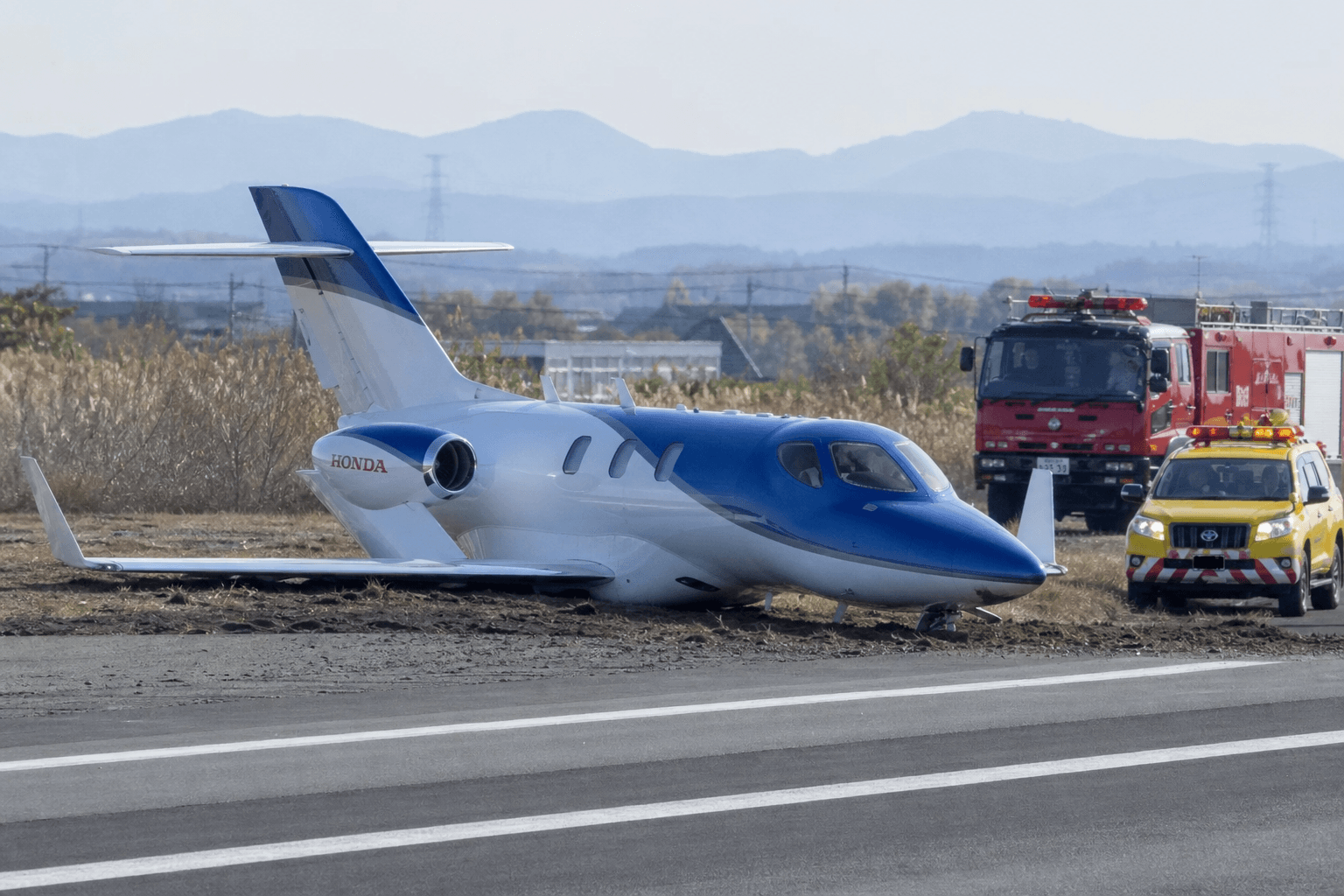
HondaJet sustains heavy damage in runway overrun at Yao Airport near Osaka
A HondaJet experienced significant damage following a runway overrun incident during landing at Yao Airport in Japan, with emergency services responding promptly.
The gist
A HondaJet overran the runway at Japan's Yao Airport, sustaining substantial damage but no serious injuries were reported.
A HondaJet encountered a serious incident at Yao Airport, located close to Osaka, Japan, where it overran the runway during landing. The aircraft was substantially damaged as a result, marking a significant safety event at this regional airport. Emergency responders were immediately dispatched to manage the situation and ensure passenger and crew safety.
The incident occurred during the aircraft's landing phase, a critical moment when pilots must precisely manage aircraft speed, descent rate, and alignment with the runway. No official details have been released regarding weather conditions or mechanical issues that may have contributed to the overrun or the exact cause of the event.
Yao Airport serves as a general aviation hub near Osaka and regularly accommodates smaller private jets, like the HondaJet. The overrun brings to light the operational challenges smaller airports face with runway length and ground conditions, particularly for modern light jets that are gaining in popularity among business travelers in Japan and the wider region.
Landings requiring precise runway use are especially sensitive at airports like Yao, where runway length complexities can impact the margin for error. The HondaJet's damage underscores the importance of strict operational protocols and safety procedures to prevent future overruns at this and comparable airports.
The FAA and Japan’s aviation authorities will likely investigate the incident to determine causative factors and recommend safety measures. Meanwhile, operators and pilots flying into Yao and similar airfields should review approach and landing procedures to mitigate the risk of similar occurrences.
This event serves as a reminder of the ongoing challenges in balancing expanding business and private jet traffic with airport infrastructure capacity. Keeping a sharp focus on pilot training, aircraft performance, and airport safety upgrades will be essential to maintaining safe operations at regional airports like Yao.
Read more
All Aviation Safety →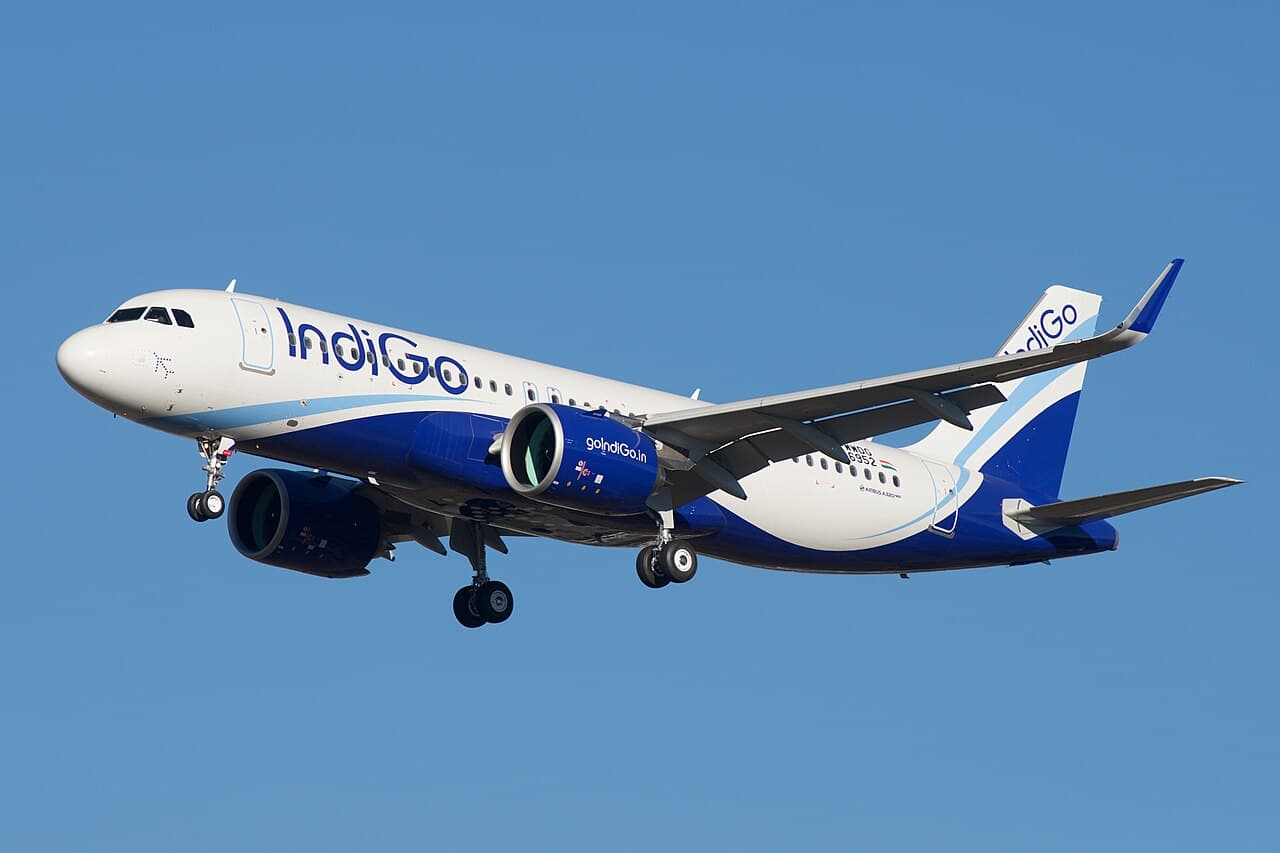
Air India A320neo Flight Control Systems Briefly Failed Before 300-Foot Plunge Injuring 24
The flight control systems of an Air India Airbus A320neo narrowbody plane which suddenly plunged 300 feet while at cruising altitude, leaving 24 passengers and crew injured, went dark for several seconds, an internal report from the aircraft manufacturer has revealed. Air India flight AI-2379 from Phuket, Thailand to Delhi on August 4 was flying at a cruising altitude of around 34,000 feet when it unexpectedly dropped. Anyone and anything that wasn't strapped down was thrown into the air. Multiple passengers and crew were injured after they were slammed into the ceiling of the seven-year-old aircraft Around 20 passengers and four cabin crew members were injured in the incident, many of whom had to be transported to the hospital with head, neck, and spinal injuries. In a new internal report from Airbus which had been viewed by Reuters but not independently verified, it is claimed that the flight control system that controls the plane's elevators and ailerons suddenly became unavailable for around four seconds. During this brief period, the plane pitched up. The First Officer responded by pointing the nose of the plane down but there was no immediate correction due to the alleged loss of hydraulic systems. The document does not establish the cause of the incident and the events are still under investigation by India's Aircraft Accident Investigation Branch (AAIB) with support from the French Bureau d'Enquetes et d'Analyses (BEA). Late last year, Airbus issued an urgent safety alert for its range of best-selling A320 family single-aisle aircraft following an investigation into an incident aboard a JetBlue aircraft when the plane suddenly pitched down mid-flight without any input from the pilots. Engineers were able to establish that the unexpected pitch-down input came from a malfunctioning ELAC computer unit. The ELAC stands for Elevator & Aileron Computer, and it is designed to interpret the inputs the pilots are putting into the controls and then smoothly and correctly control the elevators and ailerons. Airbus believes that the ELAC was corrupted by intense solar radiation, although the issue only affected a software update known as L104. To fix the issue, airlines were ordered to restore all aircraft with the L104 software to the last version before this. In most cases, this required engineers to plug a Portable Data Loader with the older L103 software into the cockpit computer of affected planes and reinstall the tested software. Although there are around 11,500 Airbus A320 series aircraft in active commercial service around the world, only 6,000 of these had the L104 software installed. Earlier this week, it was revealed that the Captain of flight 2379 had failed a second drug test. As is standard practice following a serious aviation occurrence, all of the crew are subject to drug testing. The Captain's initial rapid test came back as 'non negative' so a more detailed test was ordered. Investigators are yet to confirm the results of this test, but sources claim it tes tested positive for cannabis. There is currently no suggestion that illegal banned had anything to do with the events that unfolded on flight 2379.
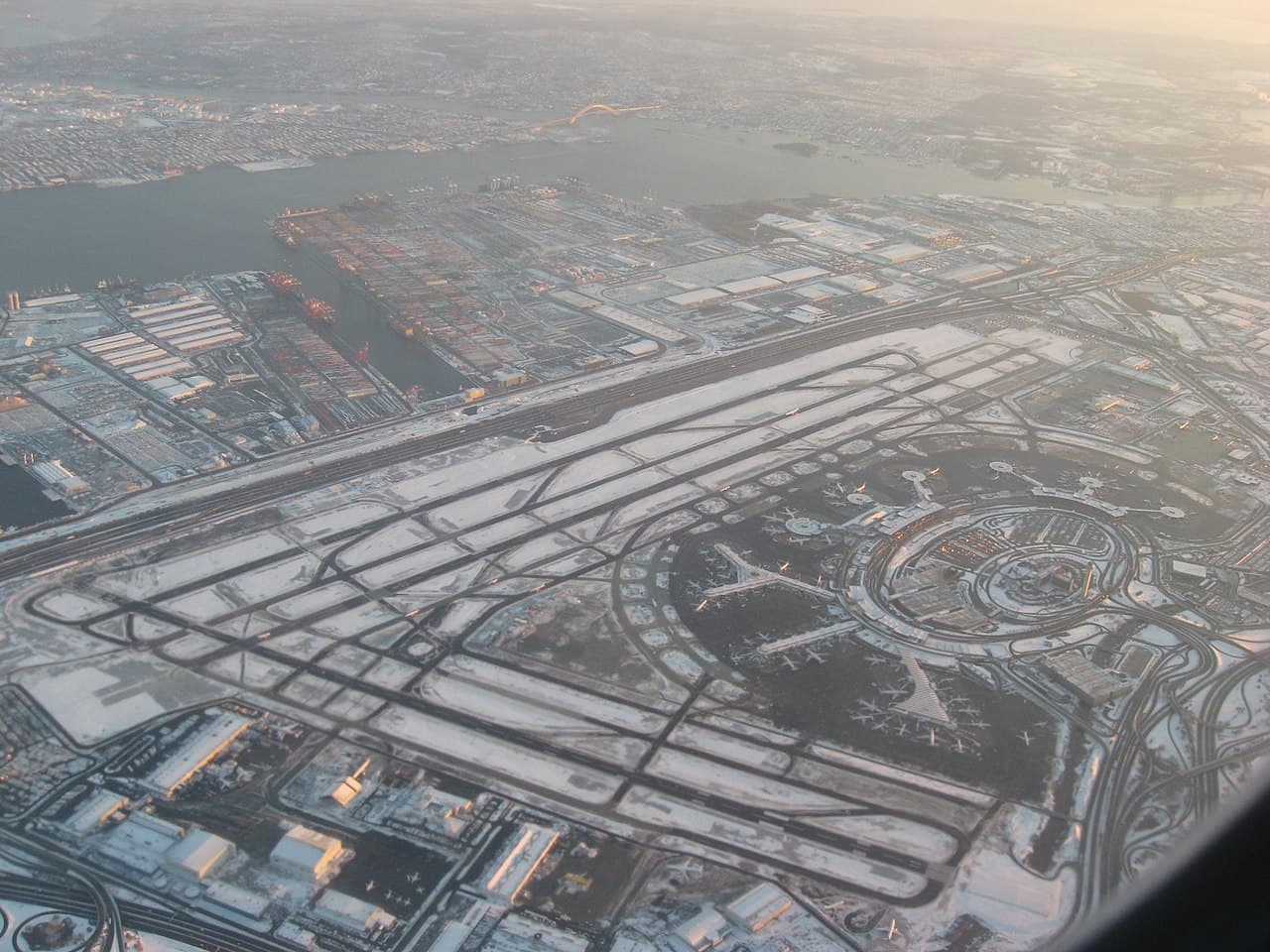
FAA Unveils Advanced Surface Movement Radar at Newark to Boost Airport Safety
The Federal Aviation Administration installed a new surface movement radar at Newark Liberty International Airport, as part of its effort to modernize the nation's aging air traffic control infrastructure. Transportation Secretary Sean Duffy and FAA Administrator Bryan Bedford unveiled the new Surface Movement Radar Model 4 (SMR-4) on Tuesday, saying the system will give controllers a clearer picture of aircraft and vehicle movements on the airport surface, particularly during darkness or low-visibility conditions. The radar replaces equipment that had been in service for roughly three decades. According to the FAA, Newark is the fifth airport to receive the new technology as part of a broader deployment that will place 53 surface movement radar systems at 44 of the nation's busiest airports. The rollout is expected to be completed by 2028. Unlike conventional airport surveillance systems, the SMR-4 is designed to provide controllers with improved situational awareness during poor weather, when visual observation from the control tower may be limited. Officials said the upgraded radar offers greater reliability while helping reduce the risk of runway incursions and ground collisions. "Newark sees well-over a thousand flights per day, and the new Surface Movement Radar will help controllers keep those flights safe at this major U.S. hub," said FAA Administrator Bryan Bedford . "This is just the latest step in the FAA's work to modernize our skies for the Golden Age of Travel." The announcement comes as the FAA continues facing scrutiny over infrastructure reliability following several high-profile equipment outages and recent runway safety incidents. Officials say modernizing surveillance and communications systems is intended to improve both operational efficiency and safety as air traffic demand continues to grow. Meanwhile, the agency reported a decline in runway incursions during the current fiscal year, a trend officials say reflects a combination of new technology, operational improvements, and ongoing safety initiatives.
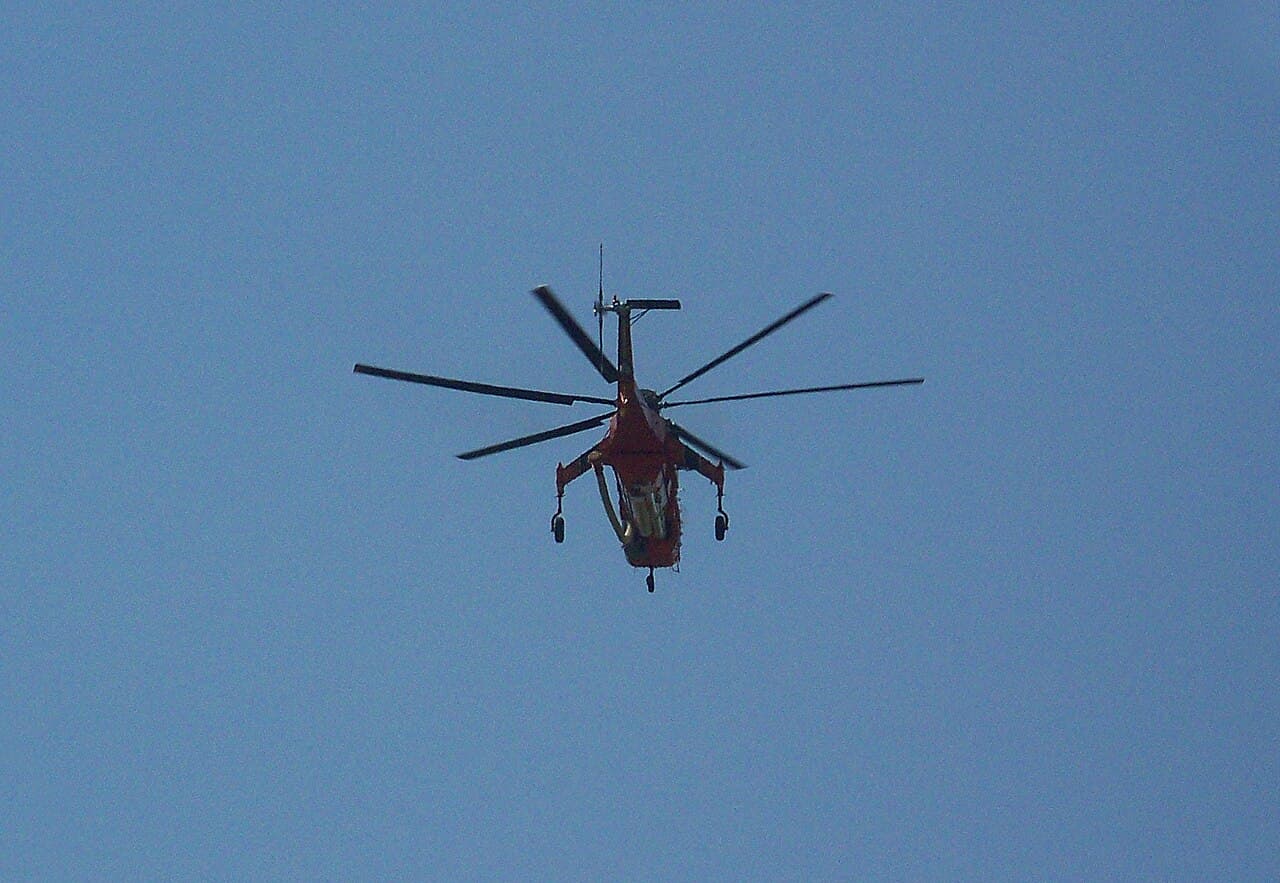
Two Pilots Die in Sikorsky S-64 Skycrane Helicopter Crash Fighting Utah Wildfire
Two pilots died when their firefighting helicopter crashed in central Utah while en route to a blaze in Fishlake National Forest. The Sikorsky S-64 Skycrane was dispatched Friday morning to combat the wildfire. According to the Sevier County Sheriff's Office, the helicopter went down at about 10 a.m. MDT near Richfield, Utah, en route to the fire. Immediately after the accident, access to the crash site was blocked by the raging wildfire, so the condition of the crew could not be immediately determined. READ MORE: Wildfires Near Spokane Threaten Key Airports READ MORE: Daher Delivers TBM 960 for Wildfire Air Attack Operations The helicopter has the ability to carry up to 2,000 gallons of water. The National Transportation Safety Board (NTSB) and the FAA are investigating the accident. The names of the deceased pilots have not been released. They were employed by Helicopter Transport Services, an industrial helicopter company that provides rotor-wing aircraft for a variety of industries. The crash ignited a second fire that spread, connecting with the existing blaze known as the Widemouth 2 Fire.
Malaysia Orders 30-Day Drug Testing for All Pilots and Cabin Crew After Smuggling Arrest
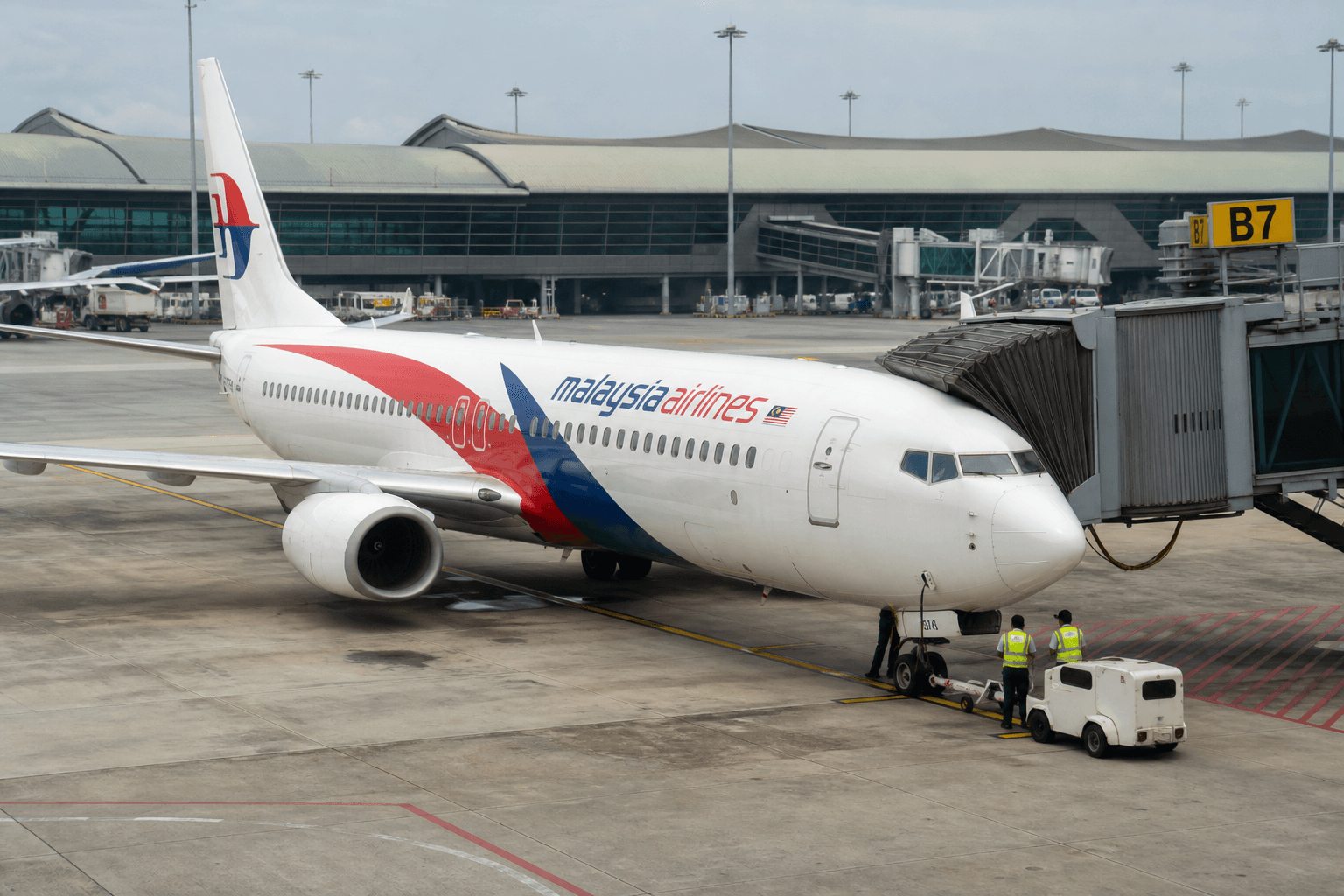
A Malaysia Airlines pilot was recently arrested in Indonesia after they were found to be smuggling drugs into the country. With the event having serious safety and reputational ramifications for not just the airline but, indeed, the commercial aviation sector in Malaysia as a whole, authorities are working hard to ensure that the incident is not repeated. Most recently, mandatory drug testing is being rolled out.
The Daily Touch & Go
The day's best aviation news in your inbox. Free, no spam.