

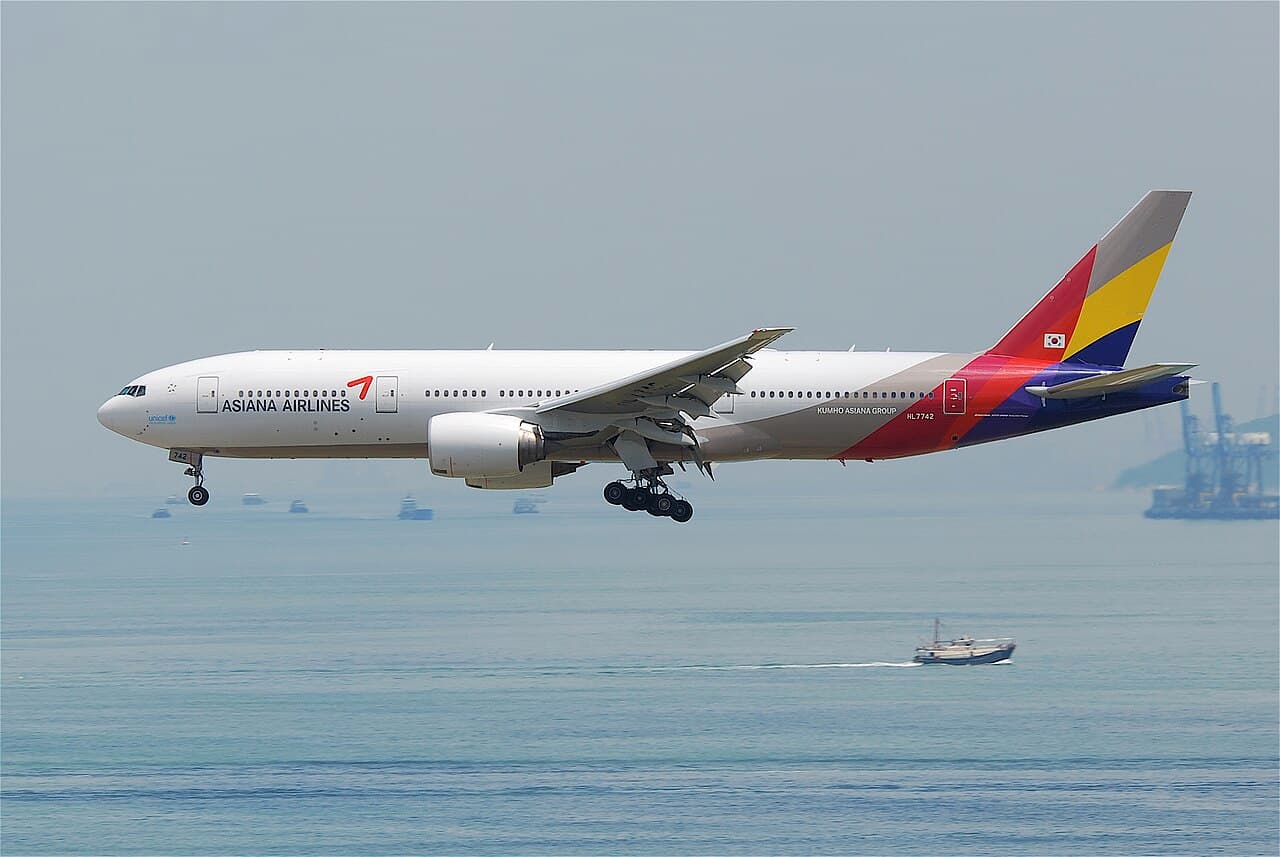
Image: Aero Icarus from Zürich, Switzerland · CC BY-SA 2.0 · via Wikimedia Commons
United Flight Attendants Can Now Use Secret Crew Bunks During Non-Rev Travel
United Airlines flight attendants traveling on non-revenue passes may now use the airline's crew bunks on long-haul widebody flights, replacing traditional jumpseat use under a new policy.
The gist
United flight attendants traveling non-rev can now rest in onboard crew bunks instead of jumpseats on certain international flights.
Continuing coverage
All Boeing 777 →- American Airlines Legend Azriel Blackman Dies at 100 After 80-Year Mechanic Career
- Emirates Invests $5 Billion to Revamp Business Class on Twin-Engine Fleet
- British Airways Relocates Hyderabad Crew Hotel After Multiple Pilot Food Poisoning Cases
- Emirates completes 100th aircraft retrofit in unprecedented $5 billion overhaul program
- Mammoth Freighters Launches Boeing 777 Conversion Line in Qingdao to Meet Asia-Pacific Cargo Demand
United Airlines has introduced a new policy allowing its flight attendants traveling on non-revenue (non-rev) staff passes to use crew rest bunks on select international widebody flights. Previously, non-rev attendants were limited to jumpseats, making rest during long-haul flights nearly impossible. The change comes after lengthy contract negotiations between United and the Association of Flight Attendants-CWA (AFA-CWA) and aims to improve rest opportunities for standby flight attendants when every passenger seat is occupied.
The eligible crew rest areas, officially called the Overhead Flight Attendant Rest (OFAR), are available on United's Boeing 777 and 787 Dreamliner aircraft. These facilities offer flat beds much more comfortable and spacious than the commonly used jumpseats. While similar privileges have been available at some other U.S. airlines like Delta—especially those without unionized flight attendants—United's agreement marks a significant improvement for its own staff, aligning with evolving industry practices regarding crew rest during long international sectors.
Implementation of this benefit required careful policy design to ensure fairness. Eligible flight attendants must have been assigned to jumpseats due to lack of available passenger seats; only in these cases can they opt for a crew bunk. If a non-rev traveler has been assigned a passenger seat, they must use it. Additionally, these bunks are restricted solely to United Airlines flight attendants. Those working for other airlines, even if certified on the aircraft type, are not permitted to use United's crew rest areas while jumpseating.
Operational restrictions apply as well. Non-rev attendants can only occupy the bunks once the aircraft reaches a specific altitude threshold—15,000 feet on the Boeing 787 and 25,000 feet on the Boeing 777—to comply with safety protocols. During taxi, takeoff, climb, descent, and landing phases, they must remain secured in their jumpseats. Attendants also need to avoid disturbing working crew members who are on assigned breaks, requiring coordination and respect for operational duties.
The policy further stipulates that United managers are not allowed to use the bunks under this provision, ensuring the spaces remain dedicated to frontline flight attendants. If multiple non-rev flight attendants are competing for available bunks, priority is determined by seniority. Sharing of bunks is prohibited to maintain health and safety standards. In situations where crew rest seats are fully occupied by working crew during breaks, non-rev attendants may use the bunks during meal service times and revert to jumpseats during crew breaks.
Coordination with international pursers is anticipated to manage bunk assignments smoothly, as crew bunks are generally favored by flight attendants on widebody aircraft. Each aircraft type offers differing levels of comfort: the Boeing 777-300's bunks are regarded as among the best, offering equal space and good noise insulation. On the Boeing 787, some bunks provide more privacy or space but may be noisier depending on location, such as those above the galley.
Historically, some crew rest areas have not been popular; for instance, crew bunks on the Airbus A380's main deck are cramped and noisy due to proximity to the passenger cabin. United's approach with the new policy reflects a focus on crew welfare and rest quality, which can positively impact flight attendant wellbeing and operational readiness on long-haul international services.
Frequently asked questions
- Who is eligible to use the crew bunks under United Airlines' new non-rev policy?
- Only United Airlines flight attendants traveling on non-revenue passes who have been assigned jumpseats due to a lack of passenger seats may use the crew bunks on 777 and 787 aircraft.
- Can flight attendants from other airlines use United's crew bunks when jumpseating?
- No, only United Airlines flight attendants are permitted to use United's crew rest bunks; attendants from other airlines cannot use these facilities even if trained on the aircraft.
- What restrictions apply to non-rev attendants using the bunks during flight?
- Non-rev attendants must occupy the bunks only above certain altitudes (15,000 feet on 787s, 25,000 feet on 777s), and must be in jumpseats during taxi, takeoff, descent, and landing; they must also avoid disturbing working crew on breaks.
Read more
All Flight Training →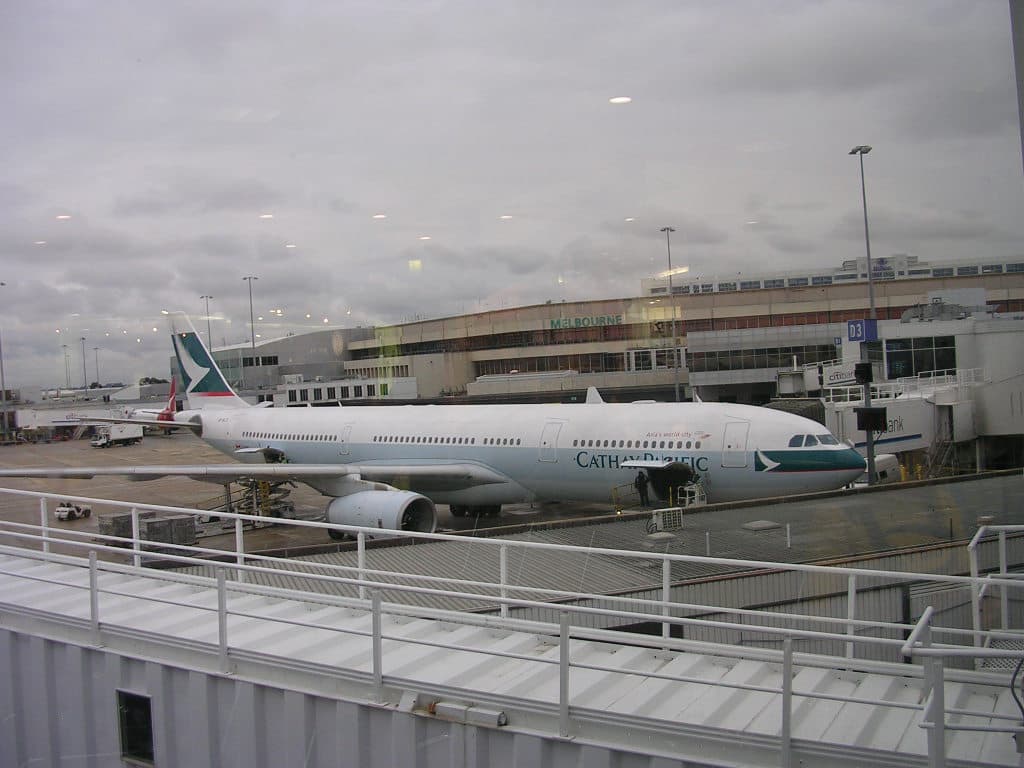
Cathay Pacific unites Hong Kong and mainland students in groundbreaking aviation youth program
Cathay brought together 80 students from Hong Kong and the Chinese mainland on July 15, 2026, for a joint aviation education program in Chengdu, the first time the airline's I Can Fly initiative has combined participants from both regions into one cohort. The program, called I Can Fly Youth Academy, is part of Cathay Pacific's broader I Can Fly initiative, which the airline has run since 2003. Since then, more than 8,800 students have gone through the program, with a number of them going on to build careers in aviation. This year's edition, developed in partnership with the China Soong Ching Ling Foundation, also coincides with Cathay's 80th anniversary. A trip spanning three cities Cathay said that rather than staying in one place, the students will move through Chengdu, Hong Kong, and Adelaide over the course of the program, with each stop built around a different side of the aviation industry. In Chengdu, students are visiting aviation facilities and training institutions, including the AVIC Chengdu Aviation Theme Education Base, the Civil Aviation Flight University of China, and the University of Electronic Science and Technology of China, getting a look at how the aviation sector and its talent pipeline have developed on the mainland. From there, the group heads to Hong Kong, where the focus shifts to how a major international aviation hub actually runs. Visits are planned to Cathay City, the Civil Aviation Department, and Hong Kong Aircraft Engineering Company, covering everything from flight operations and engineering to cabin service. Students who stand out during the program will get an additional opportunity: a trip to Adelaide, Australia, where they'll get international exposure and the chance to meet working aviation professionals. Building connections through aviation The launch ceremony in Chengdu drew a mix of officials and representatives, including China Soong Ching Ling Foundation Secretary-General Chen Hongqu, government officials from Sichuan, and Cathay's Chief Customer and Commercial Officer Lavinia Lau. Lau described the program as central to how the airline approaches youth development, noting that Cathay has watched participants use it over the years to broaden their horizons and pursue new paths. She said extending the academy to Chengdu, and bringing students from both regions together for the first time, marked a meaningful step for the program. Chen echoed that sentiment, framing the collaboration as a way to give young people in Hong Kong and the mainland more chances for cross-cultural exchange through hands-on experience. Part of a broader push The I Can Fly Youth Academy is one piece of a larger set of youth-focused programs Cathay runs, alongside initiatives like Cathay Young Explorers, its Cadet Pilot Training Programme, and the Cathay Hackathon. Together, the airline says, these programs are meant to support aviation education and talent development across Hong Kong and the mainland. The academy also fits into a wider community commitment Cathay has set for the year: an aim to reach 80,000 people in 2026 through programs centered on youth development, sports, and arts and culture. RELATED Cathay Pacific marks first batch of cadet pilots from in-house training program
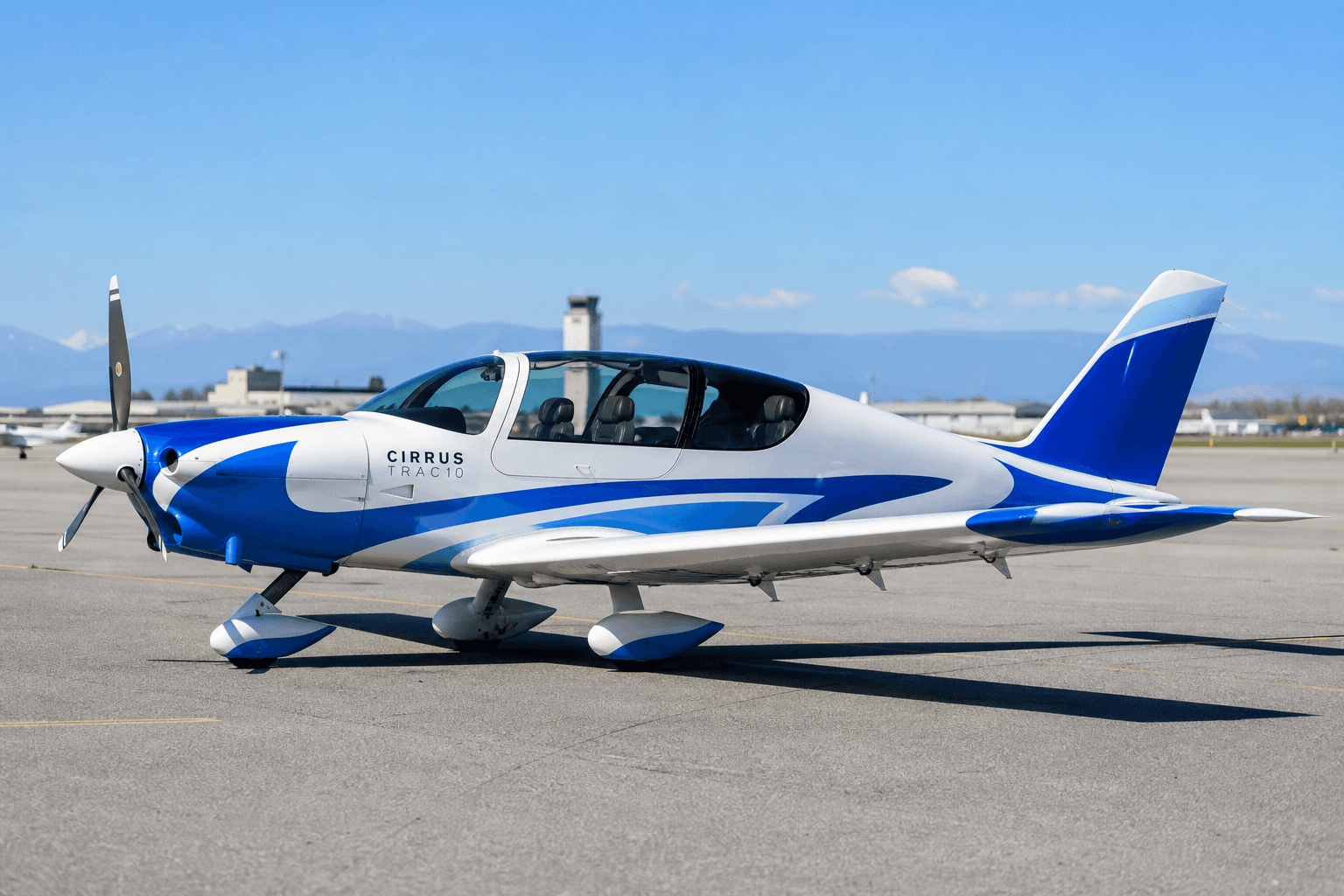
Cirrus Launches TRAC10, a Three-Seat Turboprop Trainer Focused on Flight School Needs
Cirrus announced July 6 the forthcoming arrival of a three-seat trainer with a Rotax engine and a mission to fill flight school lines with what Pat Waddick, president of innovation and operations, called a "complete reimagining of the modern training aircraft."
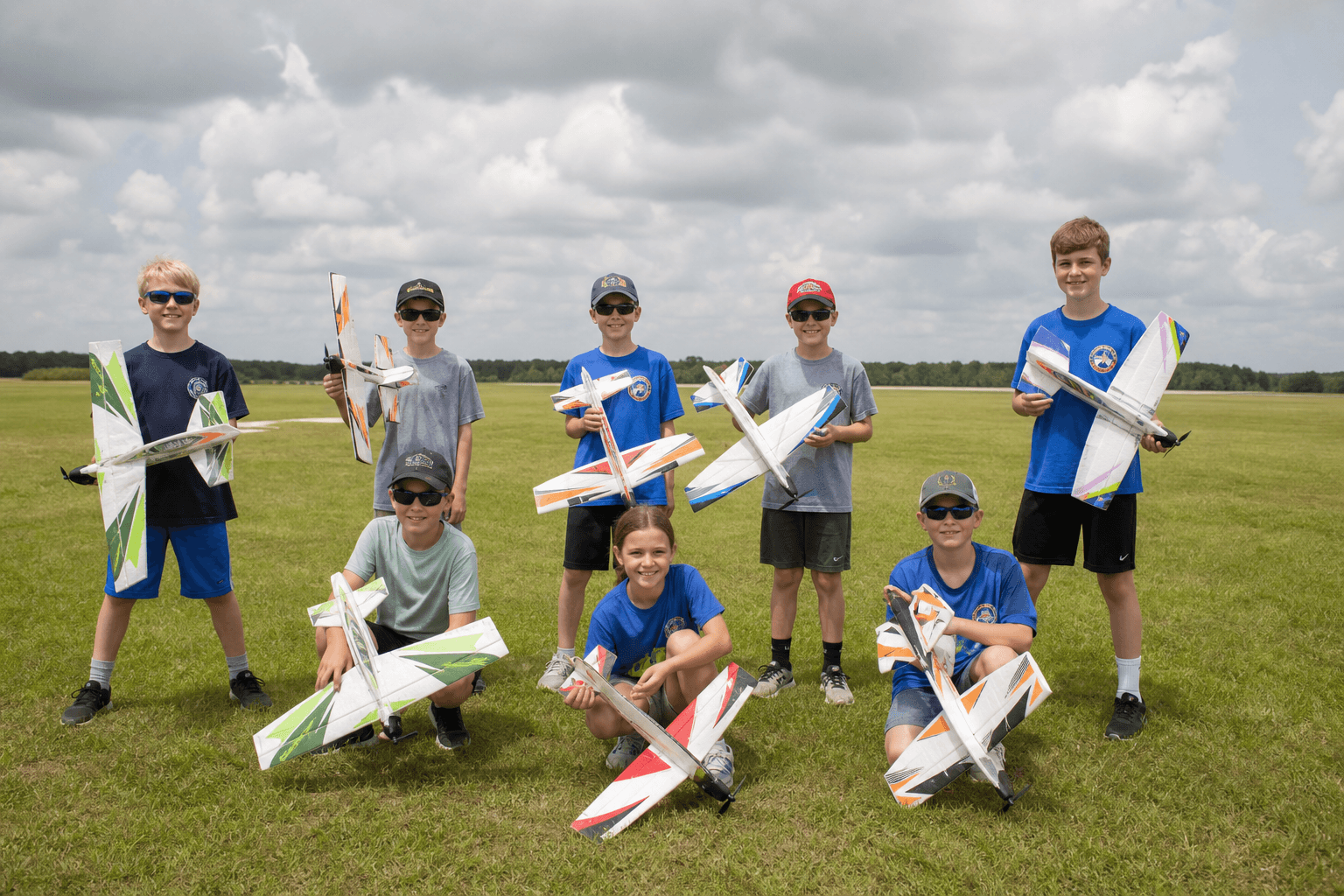
EAA and AMA Teams Complete Successful Young Eagles Build and Fly Camp with Full Flight Success
By Bernie Wunder, EAA 128167/AMA 984592 EAA developed a program called Young Eagles Build and Fly (YE B&F) to keep youths involved in aviation after a Young Eagles flight. The idea was that the EAA chapter would team up with the local Academy of Model Aeronautics (AMA) club to build and then actually fly a […]
From Build Nights to Solo Flight: Cadet Carter Froehlich's Aviation Journey
By Josh Manring, EAA 1387901 For Cadet 2nd Lt. Carter Froehlich, Civil Air Patrol, aviation started with a trip to EAA AirVenture Oshkosh. In 2015, Carter attended AirVenture with his father at just 5 years old. They camped for the entire week, surrounded by airplanes, air shows, and aviation enthusiasts from around the world. "It […]
The Daily Touch & Go
The day's best aviation news in your inbox. Free, no spam.