


Russia explores re-engining Superjet 100 with domestic PD-8 engine to extend fleet life
With certification secured for the Aviadvigatel PD-8 powerplant, Russian industry is evaluating retrofitting select Superjet 100 airliners currently powered by SaM146 engines as a step toward import substitution.
The gist
Russia weighs replacing SaM146 engines on Superjet 100s with domestically made PD-8s to sustain fleet amid geopolitical shifts.
The Russian aviation sector is actively considering a re-engining program for its fleet of Sukhoi Superjet 100 regional jets (now branded Yakovlev) as part of a broader push for import substitution in aircraft technology. This comes in the wake of the Aviadvigatel PD-8 turbofan powerplant achieving formal certification from the national aviation authority Rosaviatsia in June 2026. The PD-8 is a Russian-built engine developed to replace foreign engines on the Superjet, specifically the French-designed PowerJet SaM146, which currently powers almost the entire operational fleet within Russia.
The Russian Ministry of Industry and Trade has signalled plans to assess the technical and economic feasibility of retrofitting in-service Superjet 100 aircraft with the PD-8 engine. Such a move would aim to reduce dependency on Western engine manufacturers amid ongoing geopolitical tensions and sanctions impacting supply chains. Russian business daily Kommersant reported that United Aircraft Corporation (UAC), the conglomerate overseeing Russia’s civil aviation manufacturing, has estimated about 50 Superjets — roughly one-third of the domestic fleet — could undergo the re-engining modification.
According to the same report, the total cost for this re-engining program is projected at 115 billion rubles, equivalent to approximately $1.5 billion. The Ministry of Industry and Trade indicated an initial commitment to subsidize half of this amount to support the first round of engine replacements, expected around late 2029. This reflects significant governmental backing to maintain the viability and operational life of Superjet airliners in Russia's commercial aviation landscape.
Industry Minister Anton Alikhanov, speaking during the Innoprom 2026 industrial exhibition in Ekaterinburg, clarified that the exact number of Superjets slated for engine replacement has yet to be finalized. He emphasized that UAC and Russian airline operators must collaborate in formulating a financial model that balances cost and operational benefits fairly among stakeholders. The minister also hinted that newer airframes are more likely candidates for the upgrade, given their remaining service life and economic potential post-modification.
The PD-8 engine itself represents a strategic development in Russia’s ambition to localize aircraft production capabilities. It is tailored to the Superjet 100’s design parameters, aiming to deliver reliable thrust comparable to the SaM146 while being manufactured and maintained within Russian industry ecosystems. Successfully deploying the PD-8 could reduce reliance on foreign suppliers and mitigate risks related to international sanctions or supply disruptions.
The current Superjet 100 fleet in Russia and select export markets largely depends on the SaM146 engine, a joint venture product between France’s Safran and Russia’s NPO Saturn. This reliance has presented challenges for maintenance and parts availability due to strained international relations. The potential to refit these aircraft with PD-8 engines offers a pathway to extend the operational lifespan and enhance the sustainability of the regional jet program under the prevailing geopolitical conditions.
Re-engining an existing aircraft is a complex process involving certification, engineering adjustments, and operational testing. The Russian government's commitment to subsidize half the program's cost underscores the strategic importance attributed to retaining an active, domestically powered Superjet fleet. This move aligns with broader national policies encouraging self-sufficiency in aerospace technology.
Looking ahead, the re-engining initiative will require close coordination between United Aircraft Corporation, Russian airlines operating the Superjet, and regulatory authorities to refine technical, financial, and operational frameworks. With the PD-8 certification secured, attention now turns to the practical rollout, including updating aircraft, training maintenance personnel, and securing parts manufacturing capabilities. The success of this program could influence future decisions on indigenous engine development and aircraft modernization in Russia's civil aviation sector.
Read more
All Regulatory →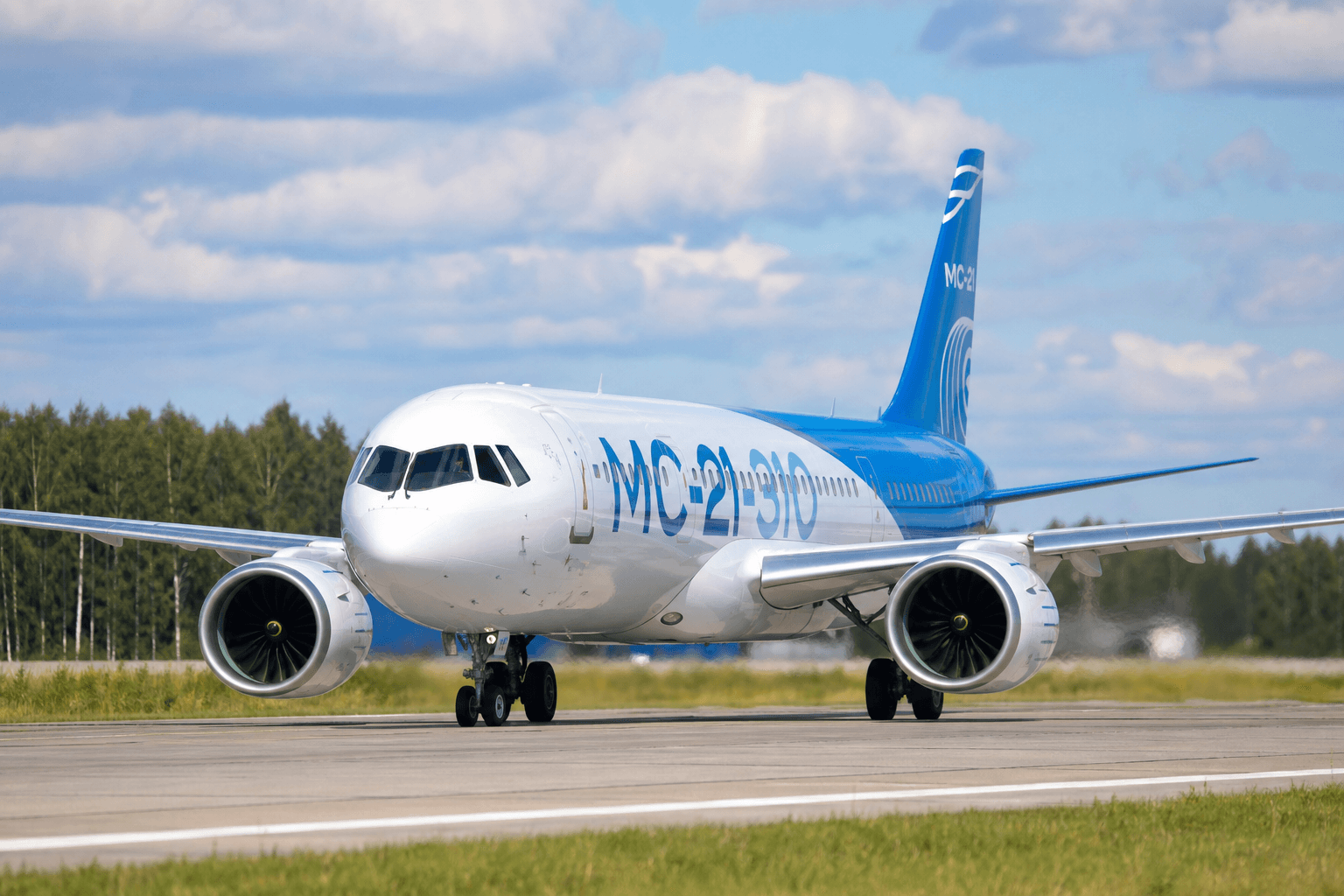
Russian Yakovlev MC-21-310 achieves 2,050nm range with full payload in test flights
Flight with equivalent of full payload intended to simulate real-life conditions for initial delivery configuration. Russia's Yakovlev MC-21-310 has demonstrated a range of 2,050nm (3,800km), during a series of test flights with payload equating to a full passenger complement. The twinjet, powered by Aviadvigatel PD-14 engines, is still undergoing its certification programme. Propulsion specialist United…
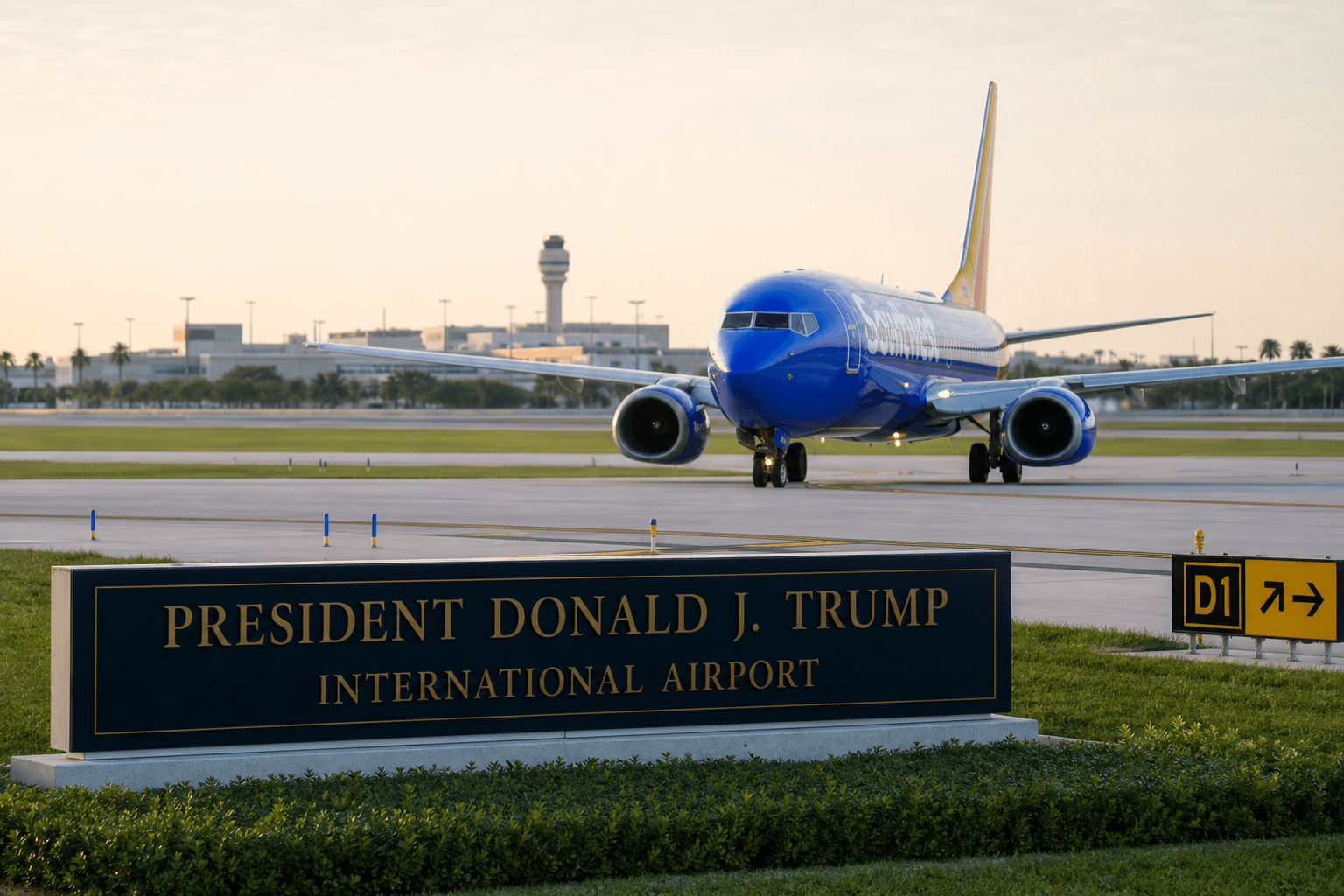
Palm Beach International Airport Renamed to President Donald J. Trump International Airport on July 9
Effective July 9, Florida's Palm Beach International Airport's name and ICAO identifier (PBI) will change to President Donald J. Trump International Airport (DJT). Operators should review FAA information to ensure compliance with the change.
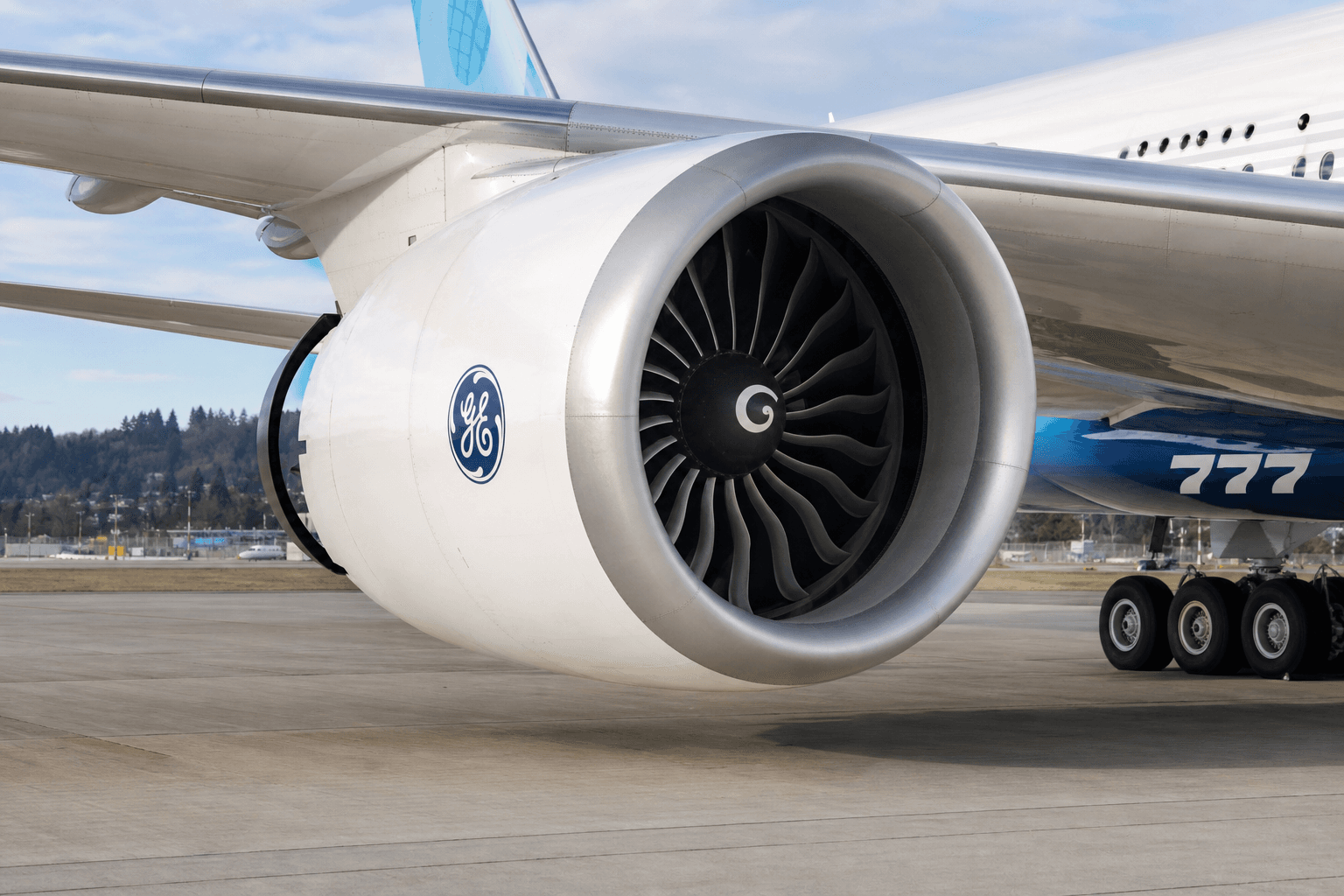
GE9X Engine's Mid-Seal Crack Identified, Fix Underway as 777X Nears Certification
As Boeing works towards getting the largest twin-engine jet in the world certified to enter service next year, engine manufacturer GE Aerospace is currently working on solving a reliability issue identified in January. The GE9X powerplant for the aircraft, much like the jet itself, is the world's largest and most powerful engine designed for a commercial aircraft.
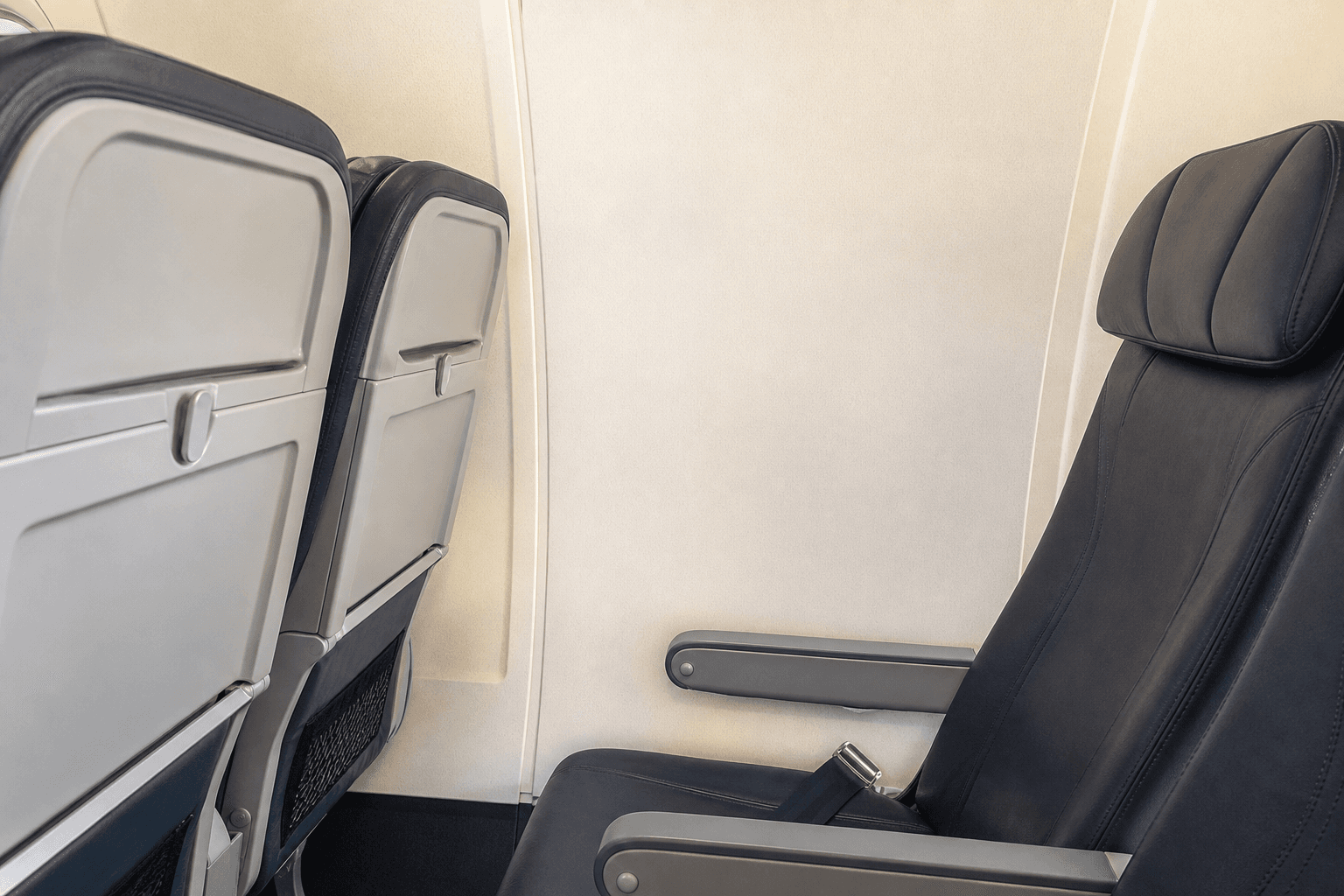
Judge Allows Lawsuit Over United's Windowless Window Seat Claims to Continue
The carrier argued that a "window seat" is defined by its position in the cabin, not its proximity to an actual window.
The Daily Touch & Go
The day's best aviation news in your inbox. Free, no spam.