

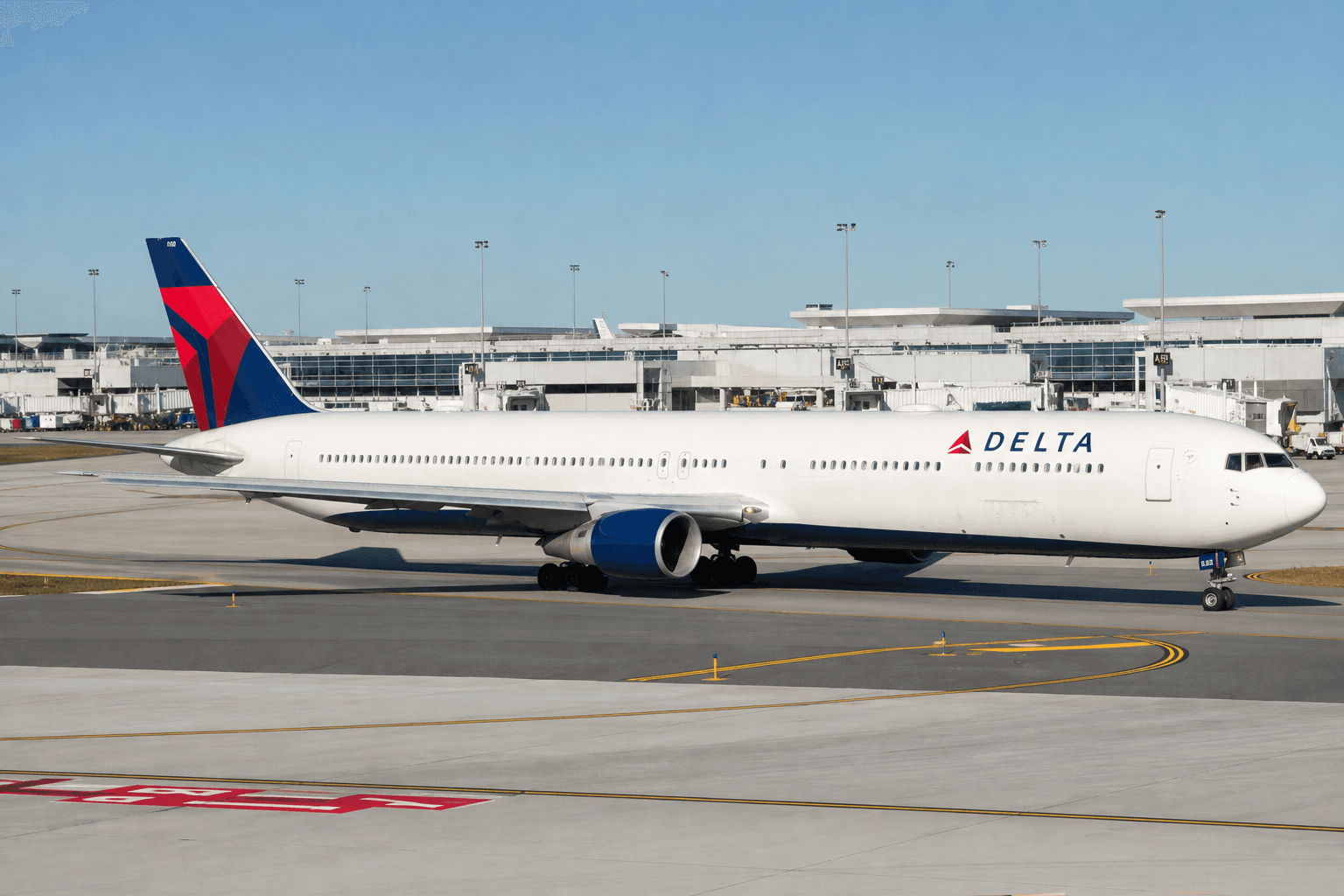
Illustration: The Touch & Go
Delta Air Lines Lets Basic Economy Passengers Keep Full-Size Carry-Ons, Bucking Industry Trend
Unlike competitors, Delta allows basic economy travelers to bring full-size carry-on bags free, prioritizing smooth boarding over gate baggage fees.
The gist
Delta bucks US rivals by letting basic economy flyers bring carry-ons free, using digital loyalty perks rather than gate fees to protect profits.
Continuing coverage
All Delta Air Lines →- Deaf Man Sentenced to 18 Months for Targeting Delta Pilot with Laser Pointer Near Buffalo Airport
- Man sentenced to 18 months for shining laser at Delta flight nearing Buffalo airport
- Delta Air Lines Posts $1.6 Billion Q2 Profit on Strong Revenue Growth Despite Rising Fuel Costs
- Delta Cancels Tokyo to Minneapolis Flight After 5.5-Hour Delay, Hotels Offered Only to Passengers With Babies
- Delta Air Lines Projects Stable Airfares and Solid Revenue Amid Fuel Cost Normalization
As the US legacy carriers introduced basic economy fares, a widely expected trend toward ever stricter baggage rules emerged. Most airlines began limiting or charging for carry-on luggage to squeeze extra revenue from budget travelers at the gate, often resulting in boarding delays and passenger frustration. Yet Delta Air Lines remains a notable exception by allowing all basic economy passengers to bring a full-size carry-on bag onboard free of charge, distinguishing itself sharply from peers like United Airlines.
Delta’s corporate strategy rejects physical gate restrictions on luggage, valuing smooth passenger flows over revenue from gate-levied baggage fees. The airline regards baggage disputes at the jet bridge as a significant cause of costly departure delays and aims to preserve its premium brand image by minimizing confrontations at the gate. This operational choice means Delta forfeits direct gate revenue from carry-on penalties but avoids the negative customer experience and delay risks they entail.
United Airlines provides a stark contrast with its strict baggage policies for basic economy travelers. It enforces a hard under-seat carry-on ban and applies penalties up to $75 at the gate for violations, translating to a combined checked bag and gate handling fee. This approach deliberately creates terminal friction, functioning as a psychological deterrent that encourages customers to upgrade from basic economy during booking to avoid fees.
Delta’s decision to leave overhead bin space open for basic economy passengers means it loses out on potential gate fee revenue, which could reach $75 per passenger on many flights. Instead, Delta directs its revenue protection efforts into its digital sales environment. The airline’s booking engines impose significant restrictions on basic economy tickets, including barring mileage accrual, elite status progression, upgrades, and transfers while assigning these passengers to last boarding groups. Tickets cannot be modified and have cancellation fees with limited refundability.
By concentrating penalties within the digital interface rather than the physical boarding process, Delta effectively separates price-sensitive buyers from loyal customers before they reach the airport. This digital containment nudges travelers toward higher fare classes or loyalty participation to access genuine perks and flexibility, thus safeguarding premium revenue streams without inflaming gate conflicts.
However, this rigid digital barrier introduces tensions for Delta’s high-value customers who frequently fly and spend. The airline offsets the operational friction of basic economy by leveraging its SkyMiles loyalty program and co-branded American Express credit cards. These programs offer tangible benefits including priority boarding, upgrades, and fee waivers. Recently, Delta began extending a second checked bag free on domestic itineraries to SkyMiles American Express cardholders, even those with basic economy fares, representing up to $100 in savings.
This cardholder benefit, combined with elite Medallion status perks, effectively transforms basic economy into a viable product for frequent flyers. It softens the harsher restrictions while preserving the exclusions that differentiate basic economy from standard fares for casual travelers. Delta’s ability to monetize its loyalty program and credit card partnerships at a multi-billion-dollar scale allows this unique basic economy strategy to prosper.
The difference between Delta and rivals ultimately reflects divergent financial models. Delta prioritizes long-term loyalty revenue, supported by its lucrative American Express co-brand partnership targeting nearly $7 billion annually, over incremental gate fees. United, lacking a comparable partnership, must extract margin through strict ancillary fees and in-person enforcement to protect fare revenue. Without this digital loyalty revenue engine, United depends on physical fare class separation and gate penalties to maintain financial performance.
Delta’s nuanced approach offers insights into the evolving competitive strategies among legacy carriers. By avoiding punishing gate interactions and focusing on digital restrictions and loyalty benefits, Delta maintains a fluid airport experience that aligns with its premium brand. This strategy leverages the airline’s strengths in customer loyalty and co-brand credit cards, positioning basic economy primarily as a funnel into its broader revenue ecosystem rather than a direct profit center. The airline’s future hinge on balancing this strategy to avoid alienating high-value flyers while preserving basic economy’s distinct role.
Frequently asked questions
- Why does Delta allow basic economy passengers to bring full-size carry-on bags free?
- Delta prioritizes smooth boarding and minimizing gate delays over gate fees, choosing to manage basic economy penalties through digital booking restrictions and loyalty program limits instead.
- How does Delta protect its revenue from basic economy passengers without gate carry-on fees?
- Delta imposes restrictions in its digital booking experience, including blocking mileage accrual, upgrades, elite status progression, and assigning last boarding group, incentivizing passengers to upgrade before arrival.
- What role do Delta's loyalty program and credit cards play in the basic economy strategy?
- Delta offers co-branded American Express cardholders and Medallion elites benefits like free checked bags and priority boarding, softening basic economy restrictions and supporting long-term revenue through loyalty rather than gate fees.
Read more
All Airlines →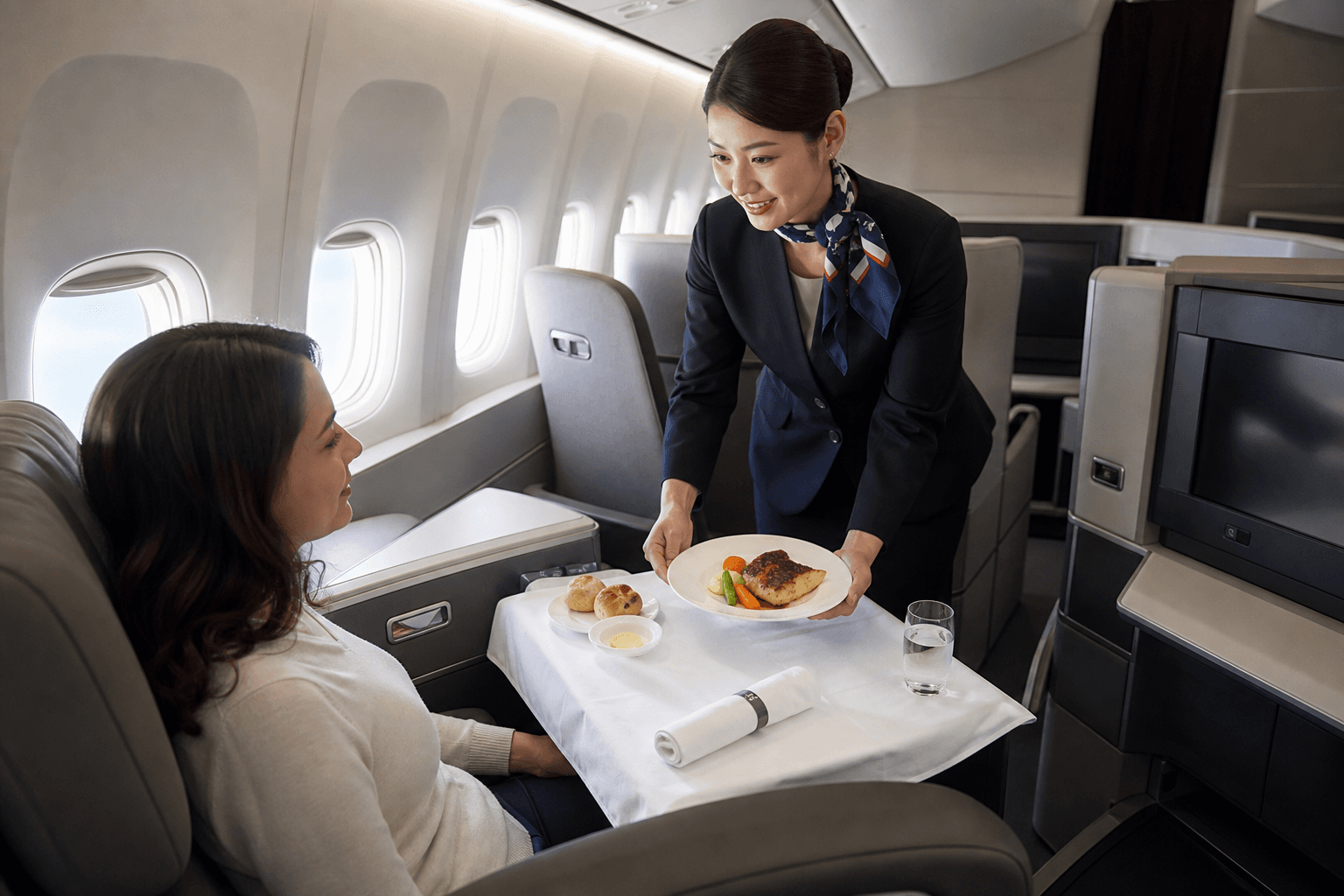
Airlines Should Charge Extra For Quality First Class Meals as Standards Decline
Domestic first class meals have been cut so far that airlines may be missing a revenue opportunity: sell premium pre-order meals passengers would actually want, instead of pretending today's bundled food is still a premium experience.
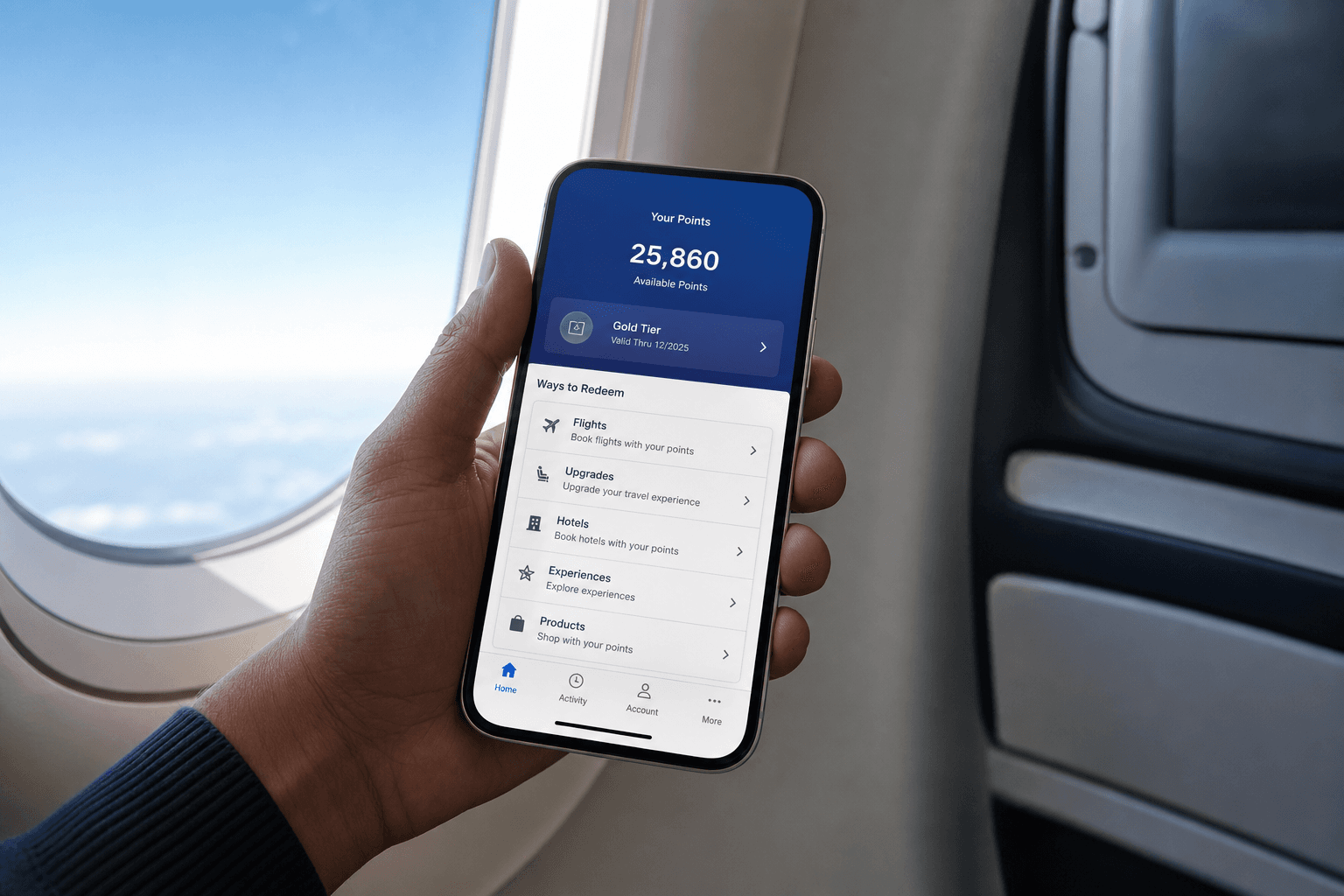
Most Loyalty Program Members Disengage Quickly Despite Brand Satisfaction Claims
While 83% of loyalty program owners believe members feel valued, only 56% agree—and 74% quiet quit within two months. Starbucks' worst-value reward becoming its most popular shows how brands mistake defensive cash-outs for loyalty, engagement and success.
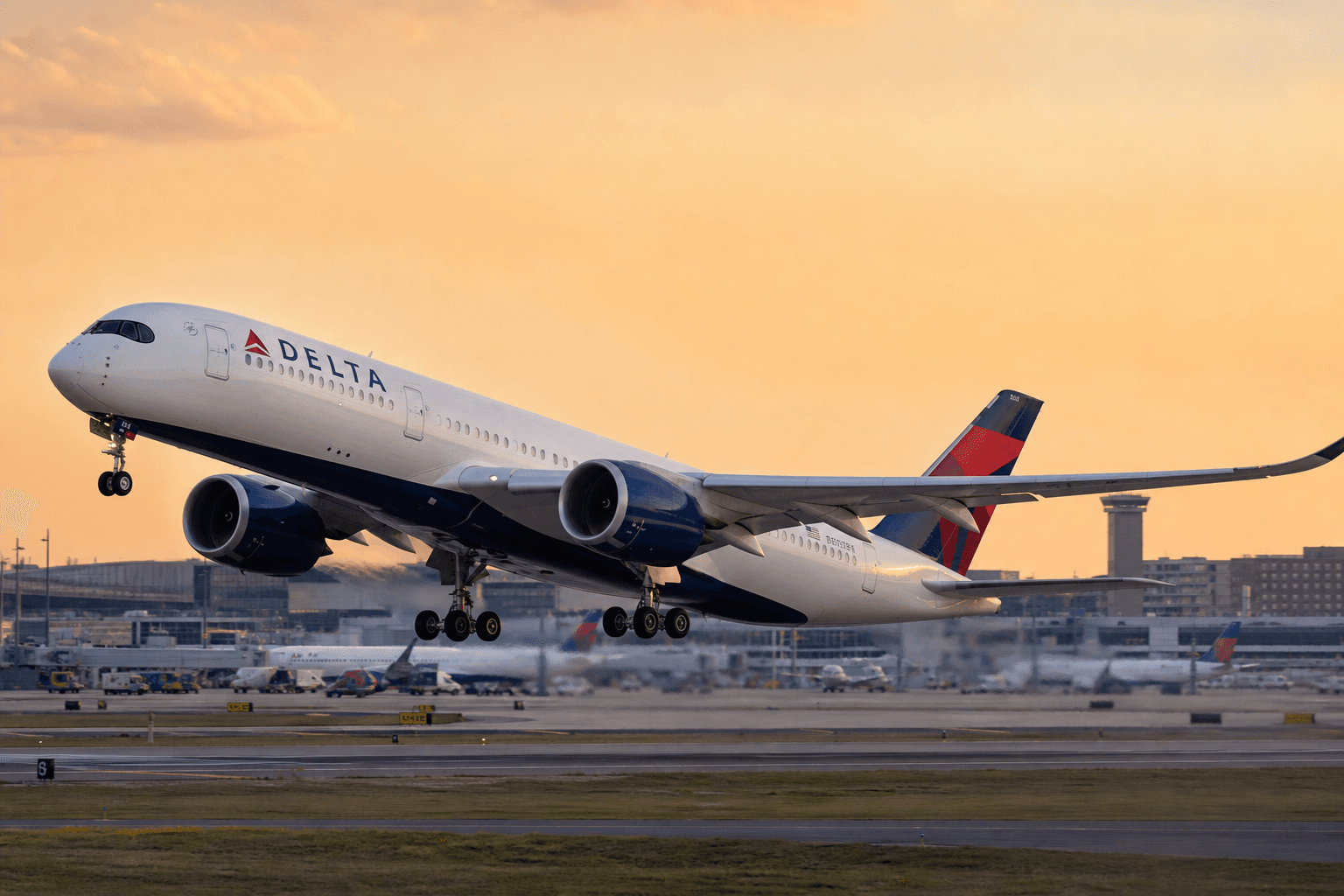
Delta Air Lines Posts $1.6 Billion Q2 Profit on Strong Revenue Growth Despite Rising Fuel Costs
Delta Air Lines posted impressive financial results for the second quarter of 2026. The airline reported a net profit of $1.6 billion, or $2.44 per diluted share. Revenue climbed 19 percent year-over-year to reach $19.8 billion. These figures highlight Delta’s continued strength in a competitive industry. ezstandalone.cmd.push(function () { ezstandalone.showAds(119); }); The results, announced on July 10, 2026, show solid demand and effective cost management. Despite facing the highest quarterly fuel expenses in the company’s history, Delta achieved strong profitability. Total revenue per available seat mile (TRASM) rose 17 percent to 25.11 cents. Cost per available seat mile (CASM) increased 21 percent to 22.74 cents, while costs excluding fuel (CASM-ex) grew a more modest 6.8 percent to 14.09 cents. ezstandalone.cmd.push(function () { ezstandalone.showAds(127); }); At the end of June 2026, Delta maintained healthy liquidity of $7.7 billion. This total includes cash, short-term investments, and $3.1 billion in undrawn revolving credit facilities. Such financial flexibility gives the airline room to invest in growth and weather potential challenges. CEO Highlights Brand Strength and Momentum Delta CEO Ed Bastian expressed confidence in the company’s position. “Today, we reported our June quarter results, and it is clear that Delta’s brand and industry position are stronger than ever,” he said. ezstandalone.cmd.push(function () { ezstandalone.showAds(128); }); Bastian noted that the airline delivered $1.4 billion in pre-tax profit while absorbing record fuel costs. He credited broad demand, growing brand preference, and a diversified revenue base for the success. Bastian emphasized the role of Delta’s employees. “This industry-leading performance is powered by the best people in the business,” he added. Looking ahead, he expects momentum to continue into the second half of 2026 with double-digit margins and a return to earnings growth. ezstandalone.cmd.push(function () { ezstandalone.showAds(129); }); The company affirmed its full-year guidance for 20 percent earnings growth, despite significant fuel headwinds. This outlook positions Delta well for 2027. Photo Credit: Delta Air Lines Fleet Expansion and New Routes Delta continued to modernize its fleet during the quarter. The airline took delivery of 11 new aircraft, including Airbus A350-900s, A321neos, and A220-300s. These efficient planes support both long-haul and short-haul operations while improving fuel efficiency and passenger comfort. On the network side, Delta launched several important new services. It added daily non-stop flights from Los Angeles to Hong Kong and Chicago O’Hare. These routes strengthen connectivity to key business markets. ezstandalone.cmd.push(function () { ezstandalone.showAds(130); }); The carrier also expanded European leisure options with new or added service to Porto, Malta, Sardinia, Madrid, Nice, Rome, and Barcelona. In addition, Delta grew its maintenance, repair, and overhaul (MRO) partnerships. New agreements with IndiGo for CFM56 engines and LATAM for Airbus A320 components enhance its technical capabilities and revenue streams. Industry Leadership and Global Reach Atlanta-based Delta Air Lines operates more than 4,000 daily flights to over 290 destinations on six continents. The airline serves major hubs including Atlanta, New York-JFK and LaGuardia, Los Angeles, and international gateways like Amsterdam, London-Heathrow, and Paris-Charles de Gaulle. ezstandalone.cmd.push(function () { ezstandalone.showAds(131); }); For the past decade, Delta has led the industry in operational reliability while earning praise for customer service. These Q2 results come at a time when airlines face rising costs and economic uncertainty. Delta’s ability to grow revenue, control non-fuel costs, and invest in its network sets it apart. The combination of premium products, reliable operations, and strong partnerships continues to drive customer loyalty and financial performance. Photo Credit: Delta Air Lines Positive Outlook for the Rest of 2026 With summer travel in full swing and strong booking trends, Delta appears well-positioned for the remainder of the year. The airline’s focus on brand preference and diversified revenue—such as loyalty programs, cargo, and maintenance services—provides stability against fuel price swings. ezstandalone.cmd.push(function () { ezstandalone.showAds(132); }); Travelers and investors alike can expect Delta to maintain its leadership. The company’s disciplined approach to capacity, fleet modernization, and route expansion supports sustainable long-term growth. As demand for premium travel experiences remains robust, Delta’s strategy looks set to deliver continued success.
Delta Cancels Tokyo to Minneapolis Flight After 5.5-Hour Delay, Hotels Offered Only to Passengers With Babies
Passengers spent 5½ hours aboard Delta's Tokyo–Minneapolis flight before a mechanical problem forced an 11 p.m. cancellation. With too few hotel rooms, Delta prioritized travelers with medical concerns and families with babies—prompting passengers to joke, "Everyone make babies right now."
The Daily Touch & Go
The day's best aviation news in your inbox. Free, no spam.