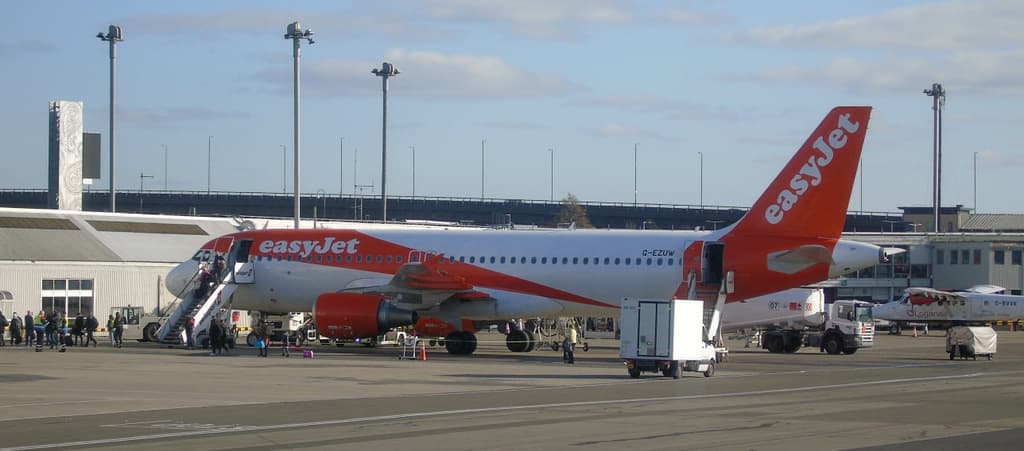
Image: Thomas Nugent · CC BY-SA 2.0 · via Wikimedia Commons
EasyJet Agrees to £5.7 Billion Takeover by Apollo Global Management
EasyJet has accepted a £5.7 billion takeover offer from Apollo after Castlelake withdrew, providing shareholders with £7.15 per share in cash.
The gist
Apollo wins EasyJet takeover battle with £5.7 billion bid after Castlelake exits the race.
Continuing coverage
All Private Equity →EasyJet has reached a definitive agreement to be acquired by US private equity firm Apollo Global Management in a deal valued at approximately £5.7 billion. The agreement follows a competitive bidding process that concluded after rival private equity company Castlelake withdrew its pursuit. Under the terms, EasyJet shareholders will receive £7.15 in cash per share, marking a premium over previous offers and ending weeks of uncertainty for the budget airline's ownership.
The take-private deal reflects strategic moves by Apollo, which has long followed EasyJet as an attractive investment in the global aviation sector. Apollo sees the airline as one of the strongest in its category and expressed support for EasyJet's current operational and commercial direction. The firm intends to accelerate the airline’s strategic initiatives while maintaining its low-cost business model and expanding ancillary revenues and holiday offerings.
The bidding timeline began in late May 2026 when Castlelake made initial approaches to EasyJet. After rejecting several bids that it deemed undervalued the company, EasyJet's management entered into an agreement-in-principle with Castlelake in early July at a £6.90 per share valuation, equivalent to a £5.5 billion company value. However, Apollo countered with a higher offer of £7.15 per share, prompting EasyJet’s board to withdraw support from Castlelake and endorse Apollo's proposal instead.
Apollo's acquisition plan includes a flexible offer allowing eligible shareholders to opt between cash and rolling part of their equity into the new private entity. Importantly, EasyJet founder Sir Stelios Haji-Ioannou and his family have endorsed Apollo's offer, intending to retain a significant stake and remain involved as long-term shareholders. To comply with EU ownership rules demanding majority European control, Apollo will allocate roughly half of the airline's equity to the Haji-Ioannou family and other EU-based investors.
EasyJet chairman Sir Stephen Hester commented that after careful consideration of the offer versus the airline’s standalone prospects, the board determined the deal offers substantial value to shareholders. CEO Kenton Jarvis highlighted Apollo’s extensive aviation experience, describing the firm as a capable and committed partner for the company's future. The deal requires customary shareholder approval and regulatory clearances, with completion expected in the first quarter of 2027.
From an operational standpoint, Apollo has pledged no job cuts for at least 12 months post-transaction, acknowledging staff as vital to daily operations. While some roles related to stock market requirements may be eliminated as EasyJet transitions to private ownership, flights and brand identity will remain unchanged. Apollo will maintain the existing licensing agreement with easyGroup, Sir Stelios’ company, ensuring brand continuity.
This acquisition ends a turbulent period for EasyJet, whose shares had been pressured earlier in 2026 by escalating fuel costs and other market challenges. The competitive bidding process which boosted the share price has now culminated in clear ownership resolution. As a private entity under Apollo's stewardship, EasyJet is expected to benefit from greater capital flexibility, enabling investments in fleet modernization and expanded service offerings.
The agreement affirms EasyJet’s position as one of Europe’s leading low-cost airlines, promising operational stability and strategic growth under new private ownership. The partnership with Apollo aims to balance financial discipline with innovation, aiming to enhance EasyJet’s competitive edge in an evolving aviation landscape.
Frequently asked questions
- What was the final offer Apollo made to acquire EasyJet?
- Apollo offered £7.15 per share, valuing EasyJet at approximately £5.7 billion, which was higher than prior bids from Castlelake.
- How will EU ownership rules be respected in the Apollo takeover of EasyJet?
- Apollo plans to give the Haji-Ioannou family and other EU-based investors about half of the airline to ensure majority European ownership and control as required by EU regulations.
- What impact will the takeover have on EasyJet's staff and operations?
- Apollo has committed to no job cuts for at least 12 months post-completion, with day-to-day operations and the EasyJet brand expected to continue normally after the airline becomes private. Roles linked to stock listing requirements may be reduced.
Read more
All Regulatory →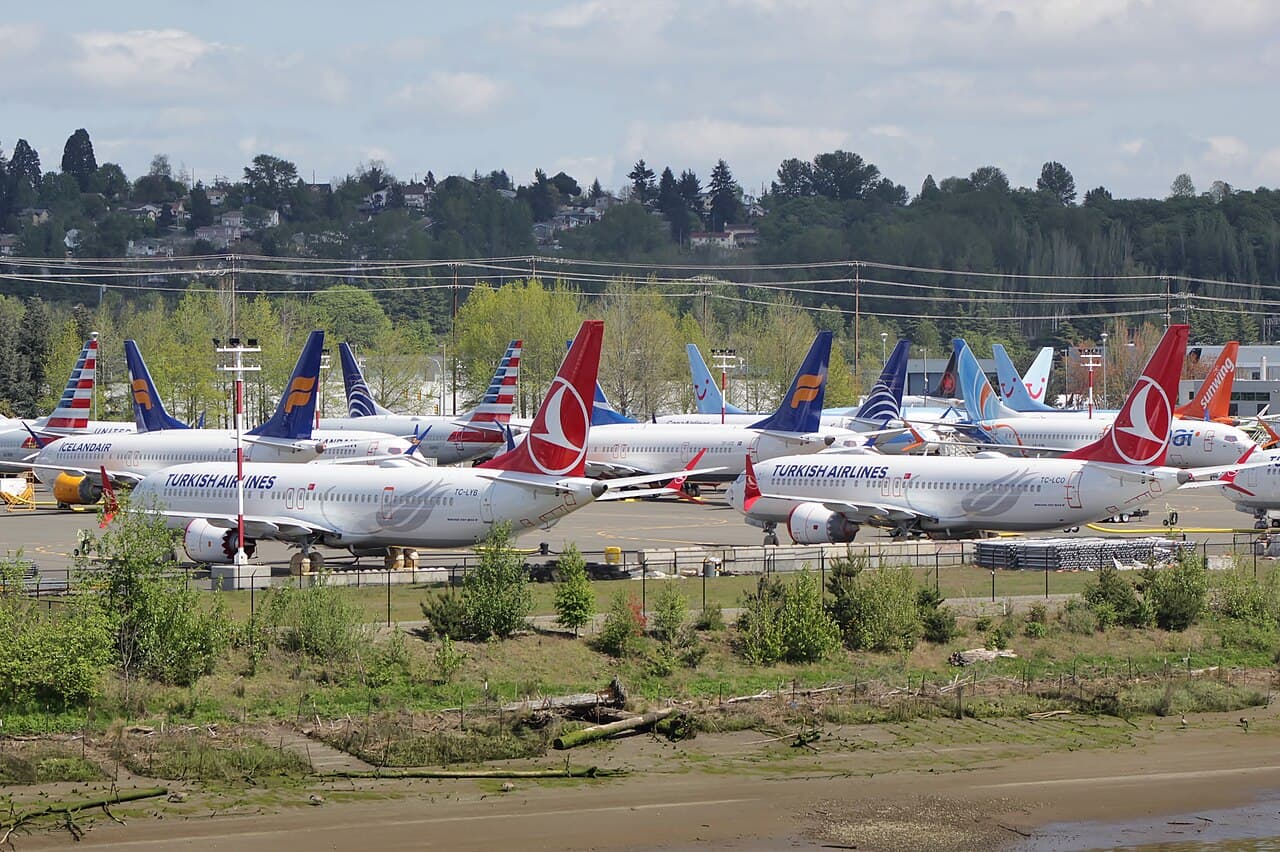
Airbus A321XLR Gains Ground as Boeing 737 MAX 10 Faces Certification Delays
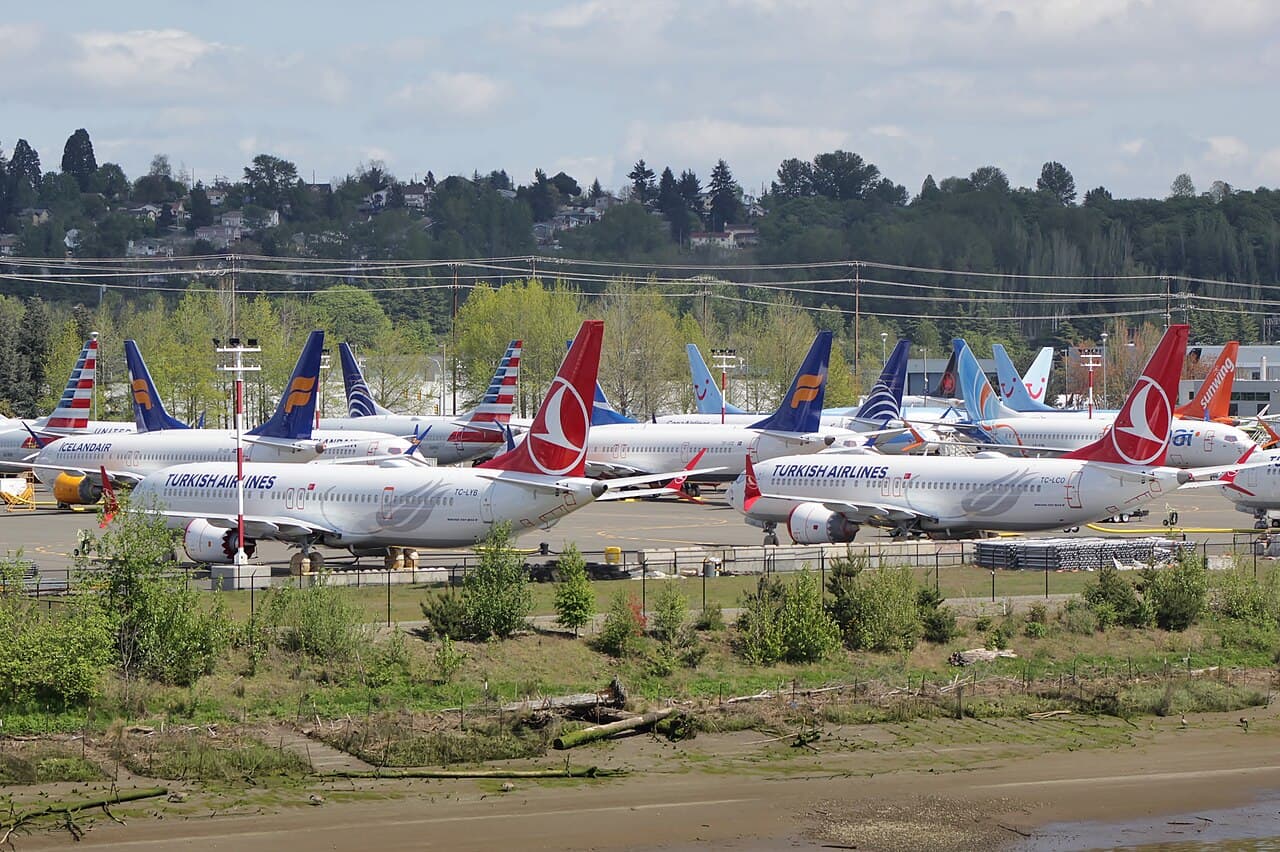
The Boeing 737 MAX 10 has an impressive and strong customer base, including United Airlines, Ryanair, American Airlines and Delta Air Lines. However, recent years have not been kind to the largest 737 MAX variant, which has suffered from a hefty backlog. It is not expected that the jet will become operational and certified until the end of this year.
Boeing 737 MAX 7 Receives FAA Type Certification After Eight Years
The Boeing 737 MAX 7 has finally been cleared for commercial service, more than eight years after the smallest member of the 737 MAX family first took to the skies. The Federal Aviation Administration (FAA) granted Boeing an amended type certificate for the aircraft on Monday, bringing one of the manufacturer's longest-running certification programs to an end. The regulator has also added the 737-7 to Boeing's production certificate , allowing the company to manufacture the aircraft under its approved production system.
FAA prioritizes certifying Boeing 737 MAX 7 and MAX 10 before 777-9 amid extensive delays
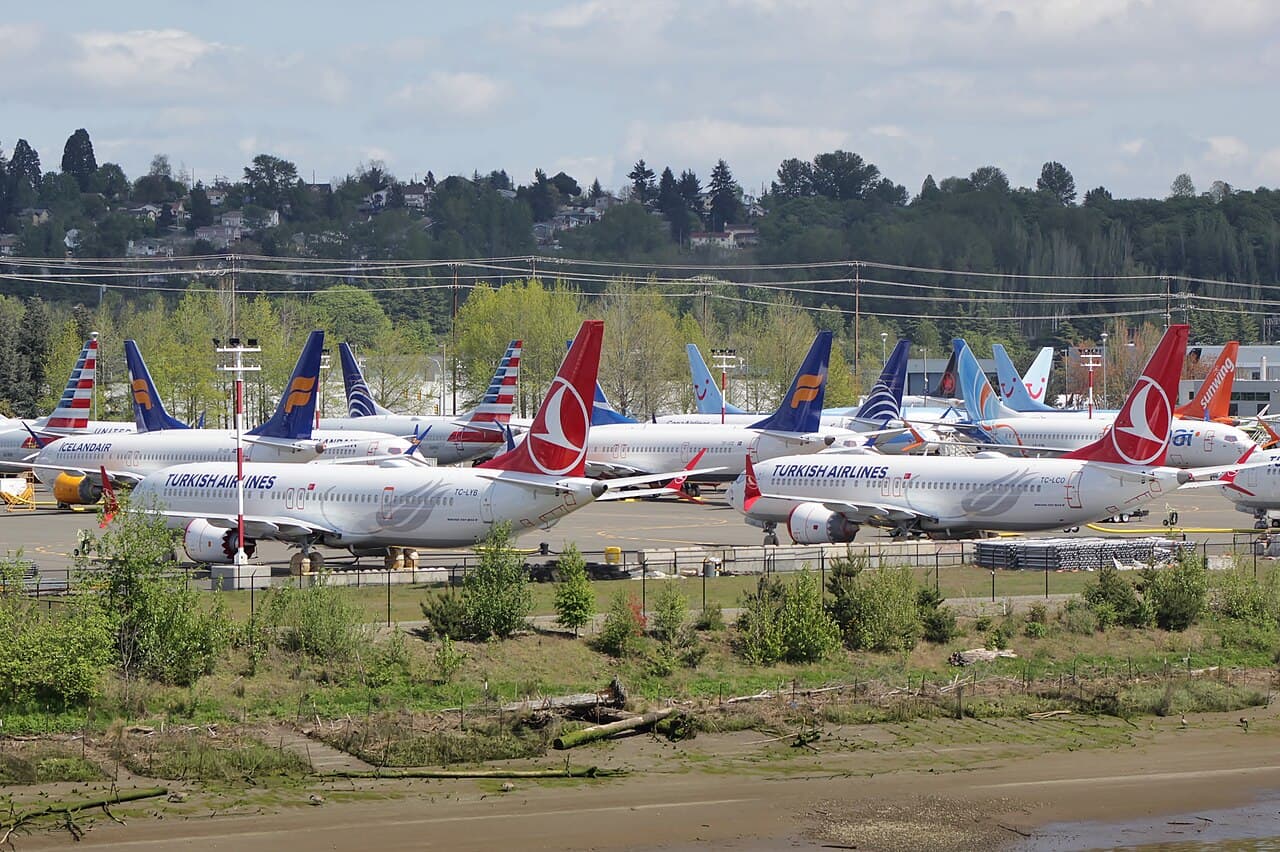
Boeing currently has three aircraft models that have been stuck in certification hell for years: the 737 MAX 7, the MAX 10, and the 777-9. All three of these were supposed to be certified between 2019 and 2020 when initially launched, but over six years later, Boeing has not delivered a single example to an airline. Certification and entry-into-service for all three have been continuously delayed, but earlier in 2026, Boeing provided a more concise timeline. The 737 MAX 7 and MAX 10 will be certified by the end of the 2026 summer season, while the 777-9 will come in 2027.
Boeing 787 Core Software Updates Must Go Through Manufacturer and FAA Approval
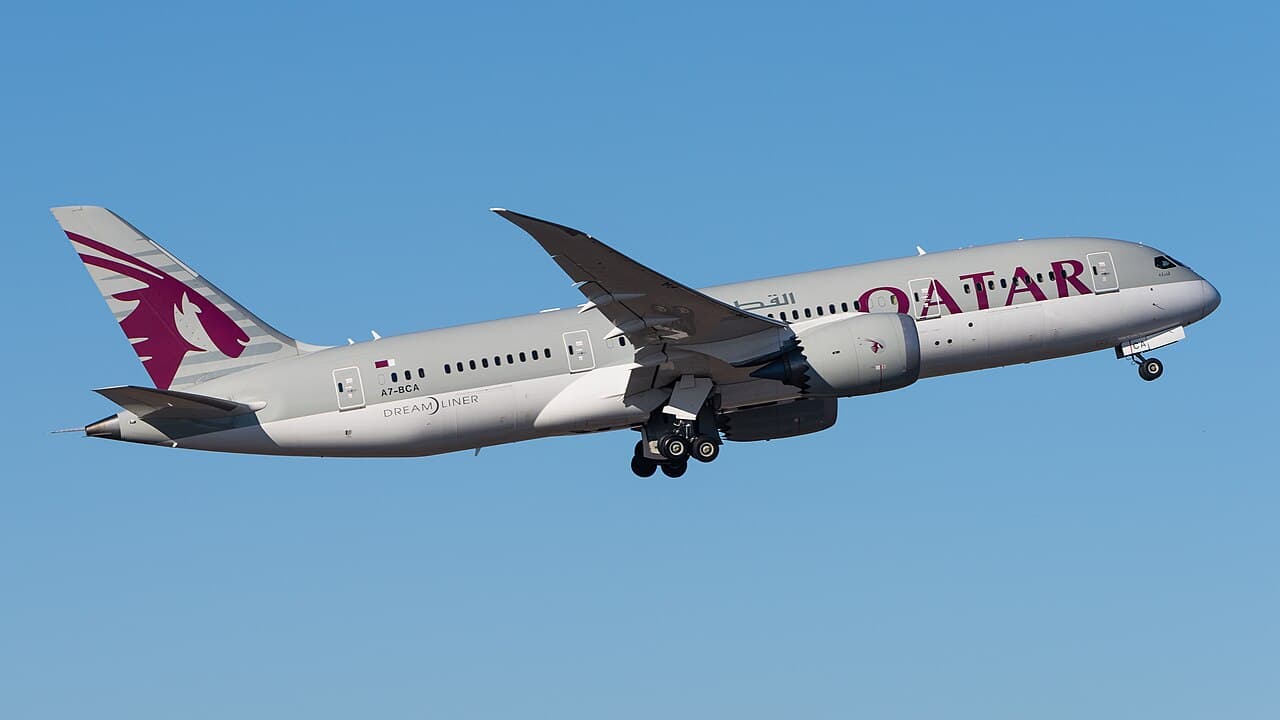
The Boeing 787 runs on a software architecture that is fundamentally different from any commercial aircraft that came before it. Rather than dozens of independent avionics computers each running their own embedded software, the 787 consolidates most of its major functions onto a shared computing platform called the Common Core System, with approximately 300 Loadable Software Airplane Parts distributed across roughly 1,400-1,500 locations on the aircraft. The software is not a separate product from the airframe. It is part of the aircraft's FAA type certificate.
The Daily Touch & Go
The day's best aviation news in your inbox. Free, no spam.