

Illustration: The Touch & Go
Thai Airways takes delivery of first new GE-powered Boeing 787-9
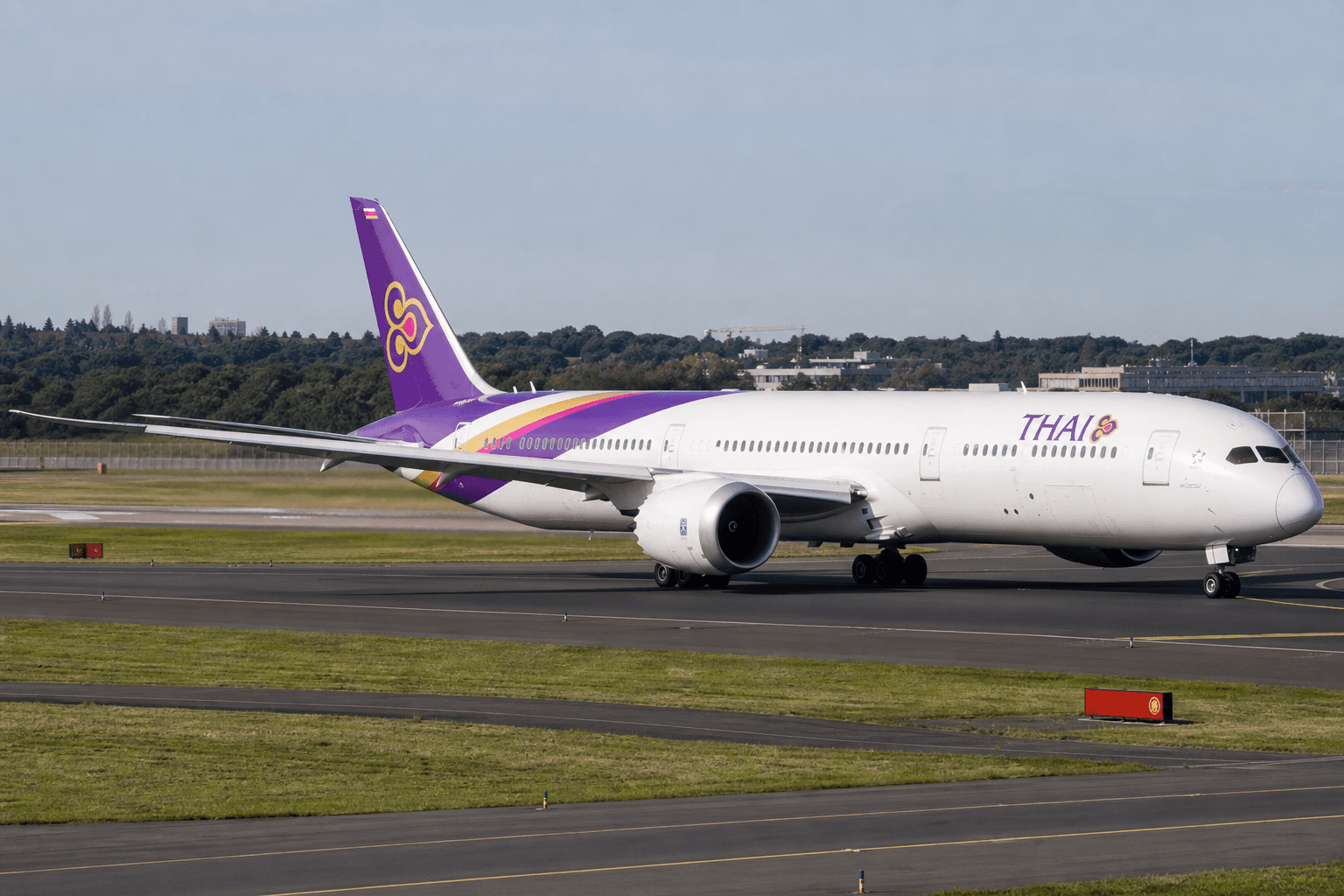
Thai Airways International has received its first factory-new Boeing 787-9 equipped with GE Aerospace GEnx engines, marking a key expansion in its long-haul fleet.
The gist
Thai Airways adds first new GE-powered Boeing 787-9 to expand and modernize its long-haul fleet.
Continuing coverage
All Fleet Expansion →- Gulf Air Positions Itself as Signature Premium Connector Amid Gulf Giants
- Brussels Airlines Pauses Long-Haul Fleet Growth Citing Profit and Geopolitical Strains
- LATAM Airlines posts $227 million Q2 profit amid strong premium demand
- Cathay Pacific Group Posts 27% Operating Profit Rise and Stays on Track for 10% Capacity Growth
- US-Bangla Airlines to Double Fleet with $1.5B Boeing Order
Thai Airways International has expanded its fleet with the delivery of its first new Boeing 787-9 aircraft powered by General Electric Aerospace’s GEnx engines. This marks the airline’s fifth Boeing 787-9 but is distinguished as the first to come directly from the factory in this configuration. The new aircraft, registered as HS-TWE, is managed by the leasing company AerCap and represents the first of four such deliveries expected by the end of the year, signaling a notable fleet modernization effort for the Thai national carrier.
Configured to accommodate 298 passengers, this Boeing 787-9 features a two-class layout with 30 business class seats and 268 economy seats. This setup aligns with Thai Airways’ strategy to optimize capacity for long-haul international routes. The deployment of the GE-powered 787-9 expands on the airline's existing Boeing 787 fleet, which currently includes four aircraft with mixed engine types: two with GEnx-1B engines similar to the new delivery and two with Rolls-Royce Trent 1000 engines.
The new addition underlines Thai Airways' long-standing partnership with Boeing and its commitment to fleet commonality and operational flexibility. Already operating mid-life Boeing 787s, the carrier is now investing in technologically advanced and fuel-efficient aircraft that support not only route expansion but also sustainability initiatives. Upgrading to more modern and efficient airframes plays a significant role in reducing fuel burn and emissions on the airline's long-haul network.
In February 2024, at the Singapore Airshow, Thai Airways announced a substantial order for 45 Boeing 787-9 aircraft with options on an additional 35 units, highlighting a major commitment to the Dreamliner family. This strategic move aims to bolster the airline's fleet renewal and expansion efforts over the coming years, focusing on enhanced fuel efficiency and passenger comfort. The current delivery is the first concrete step towards fulfilling this significant order.
Operational efficiencies are a particularly strong incentive for Thai Airways in this fleet acquisition. Increasing the proportion of Boeing 787-9s with similar engine types will allow for streamlined maintenance processes and crew training, improving operational performance across the airline's network. Utilizing GE GEnx engines also supports the carrier’s environmental goals due to the engines’ reputation for lower emissions and better fuel consumption metrics relative to legacy models.
The 787-9’s advanced technology encompasses features such as improved aerodynamics, composite structures, and modern avionics, which collectively enable the airline to operate with greater range and reliability. By offering these new aircraft on its routes, Thai Airways aims to better serve growing travel demand while maintaining competitive standards in the international market. This aligns with the airline’s larger vision of long-haul expansion and sustainability.
Managed by AerCap, one of the world's leading aircraft leasing companies, the new 787-9 ensures Thai Airways has access to flexible financing solutions, which are vital in the capital-intensive airline industry. Leasing arrangements provide the carrier with operational agility and the ability to scale its fleet to market conditions without long-term capital lock-up, an important factor in the volatile aviation environment.
The integration of this new Boeing 787-9 into Thai Airways’ fleet fleet will likely enhance the carrier’s ability to maintain and possibly expand its long-haul routes with better fuel economy and passenger comfort. As the global aviation industry continues to recover and grow following recent disruptions, Thai Airways is positioning itself to meet rising demand through modern, efficient aircraft acquisitions.
This delivery represents a critical milestone within Thai Airways' broader fleet renewal program, strengthening its medium- to long-term strategic goals. With three more of these new 787-9s expected in the coming months, the airline is set to further consolidate its fleet around the fuel-efficient Dreamliner platform, supporting operational cost reduction and improving the passenger experience on key international flights.
Read more
All Airlines →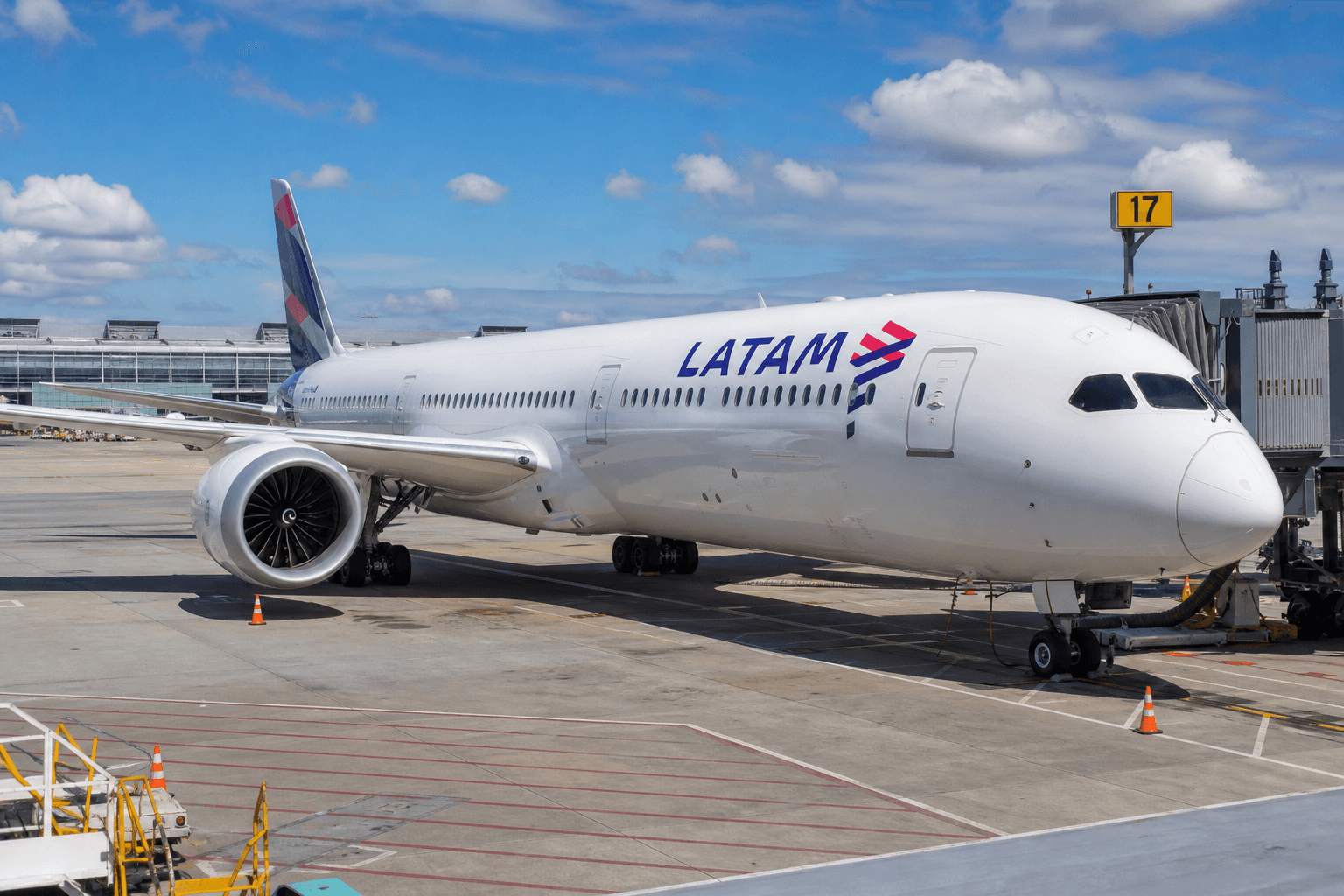
LATAM Airlines posts $227 million Q2 profit amid strong premium demand
Resilient demand for premium seats and from loyalty programme members kept LATAM in the black. LATAM Airlines Group was able to pass to customers much of the increase in fuel prices in the second quarter thanks to strong travel demand, especially for premium seats and from member of its loyalty programme. The company reported an adjusted operating profit of $227 million for an adjusted operating margin of 5.4% during the three months ending in June. Its revenue increased 28% year on year to $4.2 billion, driven by an 18% year-on-year increase in revenue per available seat kilometre, allowing LATAM to recapture much of the additional $700 million fuel expense it paid in the period. LATAM’s second-quarter expenses jumped 39% year on year to $4.0 billion. "The combination of effective execution, commercial flexibility and the resilience of LATAM's diversified business model allowed the group to increase unit revenues this quarter [and] successfully mitigate a substantial portion of that [fuel] impact," said Ricardo Dourado, the chief financial officer of LATAM, during an earnings call on 5 August. Premium-seat sales and demand from loyalty programme members showed "greater resilience" than overall demand in the second quarter, he adds. LATAM is investing in new business-class suites and premium-economy seats for its widebody Boeing 787s. Installations began in 2025 and continue across the fleet. It is also expanding the number of premium-economy seats on its narrowbody fleet of Airbus A320-family aircraft and plans to introduce the seats on Embraer 195-E2s scheduled to enter service in November. LATAM initially plans to fly E195-E2s to four new destinations and on eight new routes in Brazil. The aircraft will allow it to expand and tailor capacity on existing routes to better match demand at various times of day, chief executive Roberto Alvo says. Looking ahead, LATAM reinstated its guidance despite what Alvo says remains a "highly dynamic" market. The company expects to grow capacity, measured in available seat kilometres, 8-9% in 2026 and forecasts a 2026 adjusted operating margin of 12-13%. LATAM is scheduled to take delivery of 15 A320neo-family aircraft, one 787-9 and 12 E195-E2s in the second half of 2026, its latest fleet plan shows. It forecasts adding 27 aircraft to its fleet in 2026, bringing its fleet to 410 aircraft at year-end. LATAM can retire older Airbus A319s if the demand environment weakens, Alvo says.
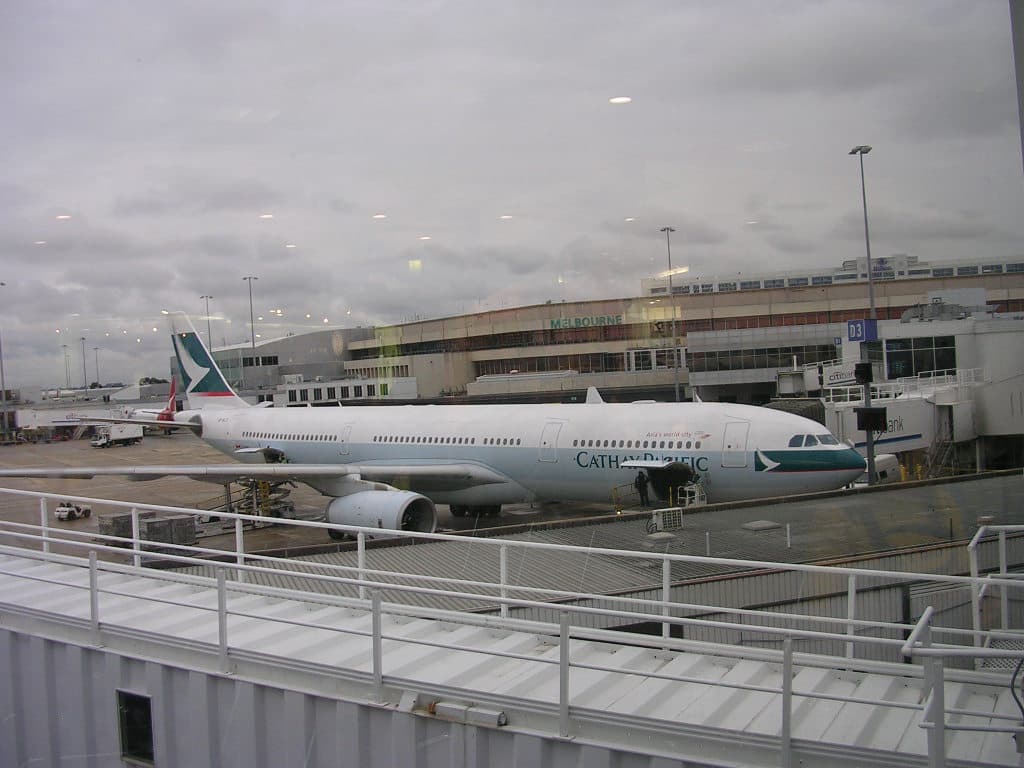
Cathay Pacific Group Posts 27% Operating Profit Rise and Stays on Track for 10% Capacity Growth
The group saw a 27% increase in its half-year operating profit, while net profit was up 71% year on year. Cathay Pacific Group is maintaining its full-year capacity growth guidance, with near-term demand "looking strong", and as its half-year profit improves. The Hong Kong-based airline group "remains on track" to reach its passenger capacity growth target of 10%, says Cathay chair Guy Bradley. "We remain cautiously optimistic for the rest of the year, subject to developments in the Middle East situation and other macroeconomic factors," Bradley, who was appointed airline chair in May, adds. The group, comprising mainline operator Cathay and low-cost unit HK Express, expects the "impact of elevated fuel prices" to continue for the rest of the year. Nonetheless – and if "market conditions are favourable" – the airline group is targeting to operate to 150 international points in 10 years, with 150 new aircraft set to join its fleet. For the six months ended 30 June, Cathay Group saw a 27% jump in its operating profit to HK$7.5 billion ($961 million). This was despite half-year expenses climbing 27% to HK$61.4 billion, led by a spike in fuel-related costs. Bradley notes that the group's fuel expenses close to doubled between the January-March and April-June quarters, underscoring the impact of the Middle East conflict on fuel costs. Group revenue was up 25% to HK$68 billion, on the back of strong travel demand on mainline operations, as well as significant operational improvements from HK Express. "Having got off to a strong start in the first quarter, we faced a more challenging second quarter due to the situation in the Middle East and the resulting significant increase in jet fuel prices," states Bradley. The group posted a net profit of HK$6.2 billion, a 71% jump from the year-ago period. During the period, Cathay took on non-recurring gains of around HK$1 billion, from the reduction of its shareholding in Air China in June this year.
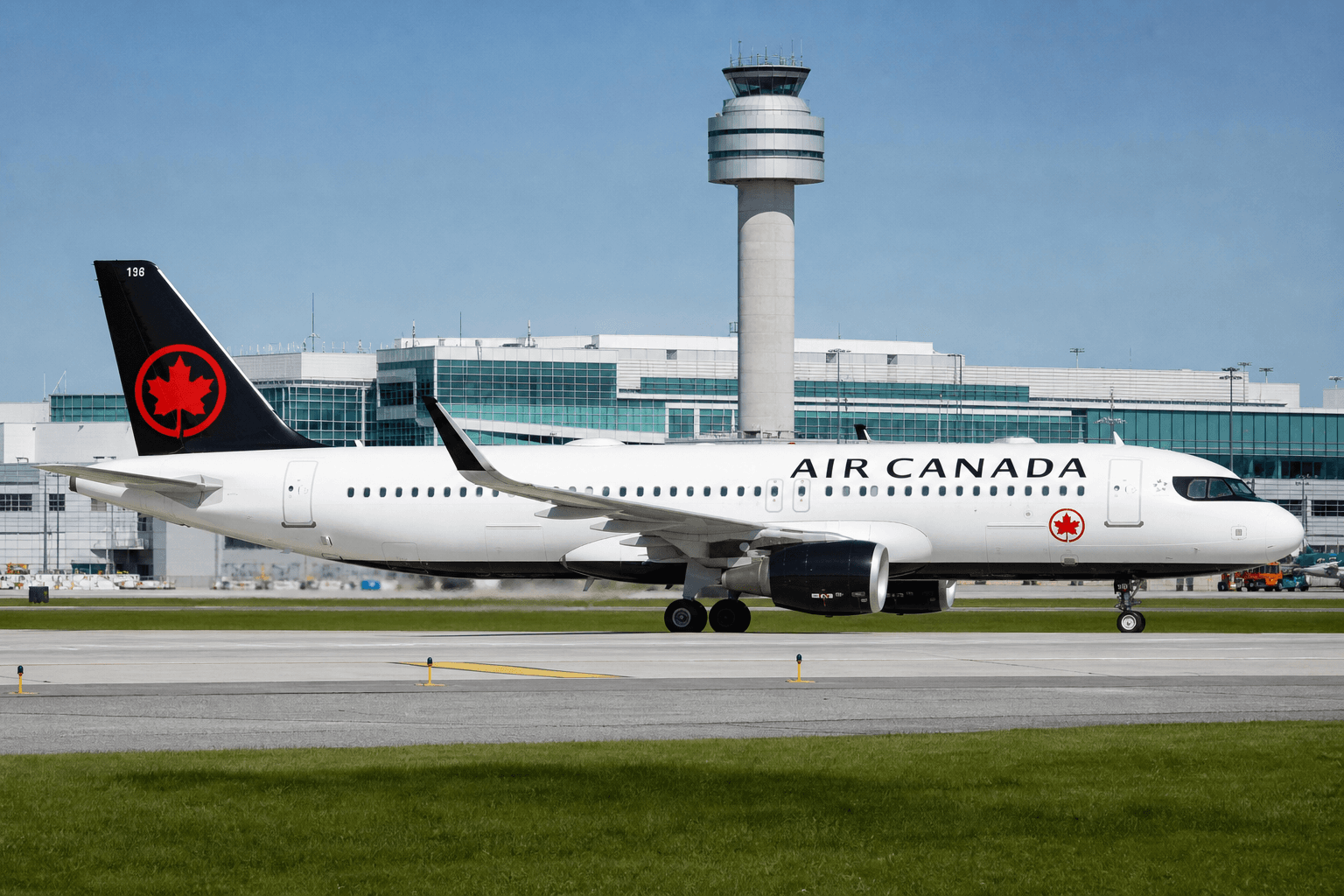
Air Canada Nears $2 Billion Deal Selling Minority Aeroplan Stake to Blackstone
Bloomberg is reporting that that Air Canada is nearing a deal to sell a minority stake in its frequent flyer program to Blackstone, in order to fund new planes, aircraft interiors, etc. Will this have any implications for program members? Blackstone to take $2 billion stake in Aeroplan Blackstone is reportedly very close to investing $2 billion in Air Canada's Aeroplan loyalty program, in exchange for a minority stake (there are some reports that this would be for a 20% stake, though I don't see that in the initial reporting). Some Canadian funds are set to invest in Aeroplan at the same time, and an announcement could be made in the coming days. It's not unusual to see airlines looking to raise cash. In this case, Air Canada is looking to raise money to buy new aircraft and to invest in the interiors of existing planes. Obviously the airline is under financial pressure, given the impact that increased fuel costs are having on the industry. There's certainly precedent to airlines using their loyalty programs for financing. At many airlines, loyalty programs are by far the highest margin aspects of the business, and the programs often make up a majority of the value of an airline. During the pandemic, the "big three" carriers in the United States raised more than $25 billion through debt deals that used loyalty programs as collateral. Keep in mind that this wouldn't be the first time that Air Canada is looking to outside firms to invest in its loyalty programs. Air Canada went into bankruptcy protection in 2003, and in 2005, the loyalty program was listed as a separate company, which was later renamed Aimia. So for a long time, Aeroplan was a completely separate, publicly traded company. The relationship between the two companies eventually soured, and in 2017, Air Canada announced it wouldn't renew its contract with Aimia, and would instead start its own competing loyalty program. Eventually the company agreed to sell Aeroplan back to Air Canada for $450 million CAD ($323 million USD) in cash, plus the assumption of certain liabilities. Air Canada is close to selling a $2 billion stake in Aeroplan Should Aeroplan members be worried about this? Broadly speaking, outside investment firms getting involved in businesses (whatever they may be) typically doesn't lead to an improved experience for customers. They want margins to be as good as possible, often at the expense of trying to promote the overall brand. It's one thing if Air Canada were just using its loyalty program as collateral for financing, but it sounds like Blackstone is actually taking a stake in Aeroplan, so may have a bit more say. Do I like the sound of this? No. At the same time, this isn't something I'd be overly worried about. Ultimately we're talking about a minority stake. And honestly, in terms of value for members, I'd argue that Aeroplan was actually at its best when it was a fully separate company. Now, the lack of broad value nowadays isn't the fault of Air Canada leadership, but instead, reflects how the miles & points world has evolved , especially with airlines increasingly limiting award space to members of their own frequent flyer program, and not making it available to members of partner frequent flyer programs. Aeroplan just isn't the Star Alliance award booking powerhouse it used to be, and that's because no program is that way anymore — you really often have to use each individual loyalty program to find availability. Aeroplan just isn't as useful for redemptions as it used to be Bottom line Air Canada is reportedly nearing a deal to sell a minority stake in the Aeroplan loyalty program to Blackstone for around $2 billion. So while the program wouldn't be fully spun off, it would have outside investors that would presumably have expectations of getting some level of return. Going back nearly a decade, Aeroplan was fully spun off, and was owned by Aimia, only to then have Air Canada buy the program back at a huge discount. While I never like the sound of outside investors coming in, I wouldn't expect there to be too many implications here, quite frankly. What do you make of Blackstone investing in Aeroplan?

Simple Flying enhances Flight Tracker with cleaner interface and new features for easier live flight viewing
Since launching in May, the Simple Flying Flight Tracker has established itself as an essential tool for aviation enthusiasts, frequent flyers, and industry professionals seeking real-time global airspace data . Built to provide a clean, informative window into global flight movements, the platform bridges the gap between complex transponder data and an accessible, user-friendly interface.
The Daily Touch & Go
The day's best aviation news in your inbox. Free, no spam.