

Illustration: The Touch & Go
Boeing Delivers 53 Jets in July Amid Airbus Lead in 2026 Production Race
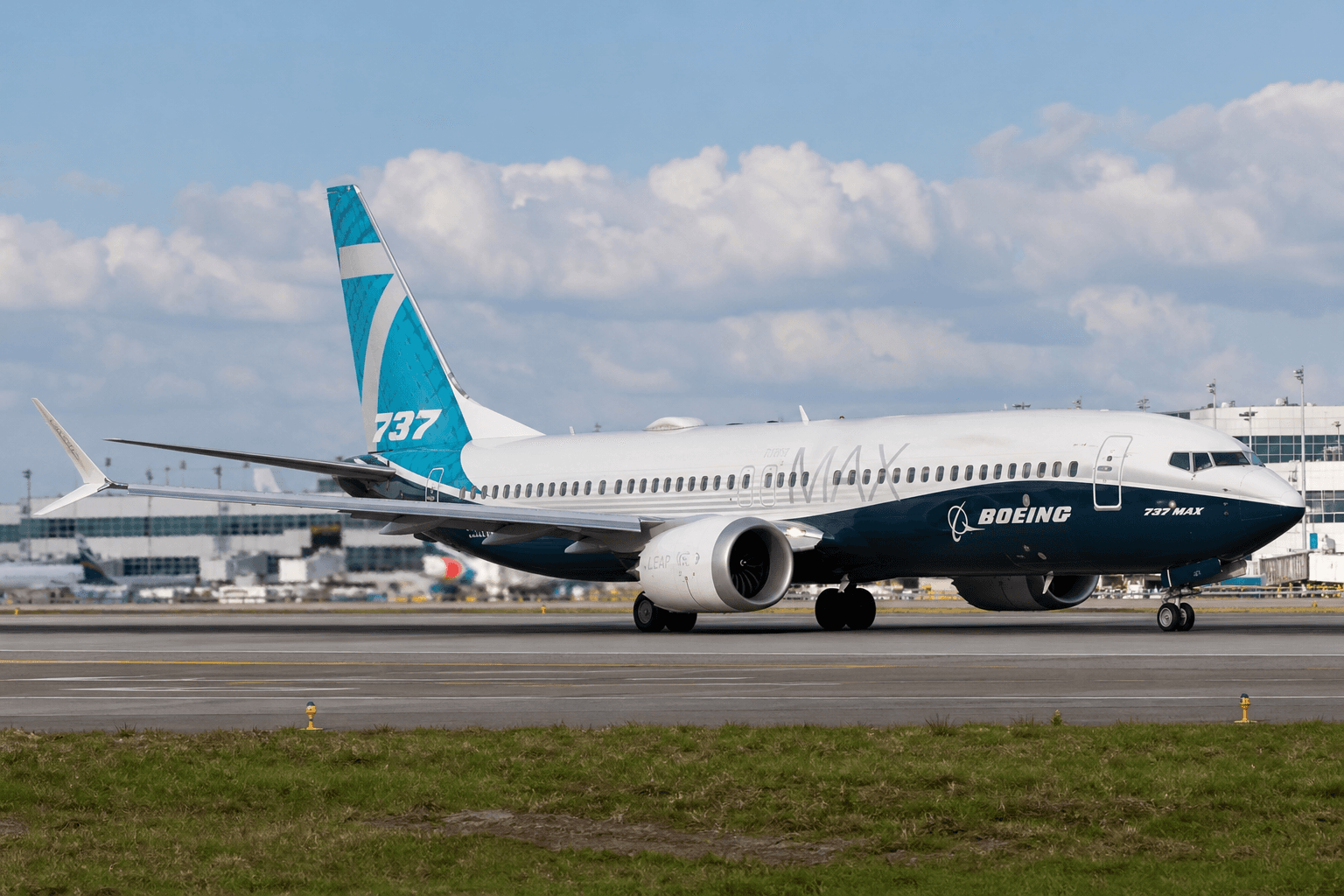
Boeing handed over 53 commercial aircraft in July as it continues to recover and compete with Airbus, which delivered more planes and holds the year-to-date lead.
The gist
Boeing delivered 53 jets in July, trailing Airbus’s 67, highlighting ongoing rivalry and progress toward higher production levels.
Continuing coverage
All Boeing →- Boeing's VC-25B Air Force One Replacements Delayed to 2028-29 Completion
- FAA mandates inspections on 737 Max door straps and proposes 787 Trent 1000 engine fix
- Boeing 737 MAX 7 Secures FAA Certification After Lengthy Development Delay
- FAA prioritizes certifying Boeing 737 MAX 7 and MAX 10 before 777-9 amid extensive delays
- Boeing's Chevrons Quiet Engines but Cost Fuel on 787, 747-8, and 737 MAX
Boeing reported the delivery of 53 commercial aircraft in July 2026, signaling steady progress in its ongoing recovery efforts within the highly competitive aerospace market. This monthly total comprised 39 Boeing 737 MAX jets, 10 787 Dreamliners, three 767s, and one 777 Freighter, according to Boeing's monthly orders and deliveries report.
Comparing this to the prior year shows a roughly 10 percent increase in volume, with Boeing having delivered 48 planes in July 2025. Back then, 37 were MAX jets and eight were 787 Dreamliners. Despite this growth, July’s deliveries fell short of recent peaks experienced by Boeing earlier in the summer, when deliveries hit 60 aircraft in May and 64 in June. Fluctuations in delivery numbers often result from production schedule adjustments and the readiness of customers to accept their planes.
Meanwhile, Airbus maintained a clear lead in production and deliveries for July, turning over 67 aircraft to 39 customers. Their shipments included a strong presence of A320-family narrowbodies complemented by several A220 and A350 models. This performance extended Airbus’s cumulative edge through the first seven months of 2026, with the European manufacturer delivering 418 planes compared to Boeing’s 367 through July 31.
Boeing continues to prioritize ramping up its 737 MAX output, aiming toward stabilizing production near 47 jets monthly. This marks an upward trajectory following the easing of regulatory restrictions that had previously limited MAX production due to past safety concerns. The elevated production rate helps address backlog pressures and aligns with airline customers’ increasing demand.
The delivery of 10 Dreamliner widebodies in July was particularly notable, representing a rebound after 13 deliveries in June and a dip to six in May. Delays in seat certification processes had slowed earlier handovers, but July’s figures indicate improving production and delivery efficiency at Boeing’s South Carolina facility, where many 787s are assembled.
July also featured new order agreements supporting Boeing’s growth momentum. Uganda Airlines placed its first direct Boeing order for four 787-9 Dreamliners and four 737 MAX 8 jets, aiming to expand its fleet and improve operational efficiency. AerCap, a major aircraft lessor with an already sizable Dreamliner portfolio, ordered 15 additional 787-9s, enhancing its leasing offerings to airlines globally.
In total, Boeing booked 38 gross orders during July, including 18 737 MAX, 19 787 Dreamliners, and one 777X. The tally was tempered by eight cancellations of 737 MAX jets, resulting in approximately 30 net orders for the month. Year-to-date, Boeing recorded 429 net orders by the end of July, while Airbus reported a much stronger sales month with 204 gross orders, thereby expanding their overall backlog substantially.
Delivery figures serve as a practical indicator of factory output, although completed aircraft might not be handed over in the same month to which they are assigned on the production line. Customer readiness processes and final regulatory checks can influence shipment timing. Boeing’s ongoing strategy focuses on incremental production increases, improvements in quality, and steady fulfillment of backlog orders.
The narrowbody 737 MAX family remains Boeing’s main driver of volume, supported by the higher-value widebody Dreamliners. Both Boeing and Airbus face challenges from supply chain constraints as they push toward ambitious full-year production targets. Airbus pursues roughly 870 deliveries in 2026 while Boeing works to close the gap by gradually enhancing rates and maintaining a reliable output. The July results reinforce Boeing’s trajectory toward recovery following earlier program issues and sustain a healthy order pipeline from airlines and lessors alike.
Frequently asked questions
- How many aircraft did Boeing deliver in July 2026 and which models were included?
- Boeing delivered 53 aircraft in July 2026, including 39 737 MAX jets, 10 787 Dreamliners, three 767s, and one 777 Freighter.
- Did Boeing experience growth in deliveries compared to the previous year?
- Yes, Boeing's July 2026 deliveries rose about 10 percent compared to July 2025, increasing from 48 to 53 aircraft delivered.
- How does Boeing’s delivery performance in July compare with Airbus?
- In July 2026, Airbus delivered 67 aircraft, outpacing Boeing’s 53, maintaining Airbus's lead in both monthly and year-to-date delivery totals.
Read more
All Airlines →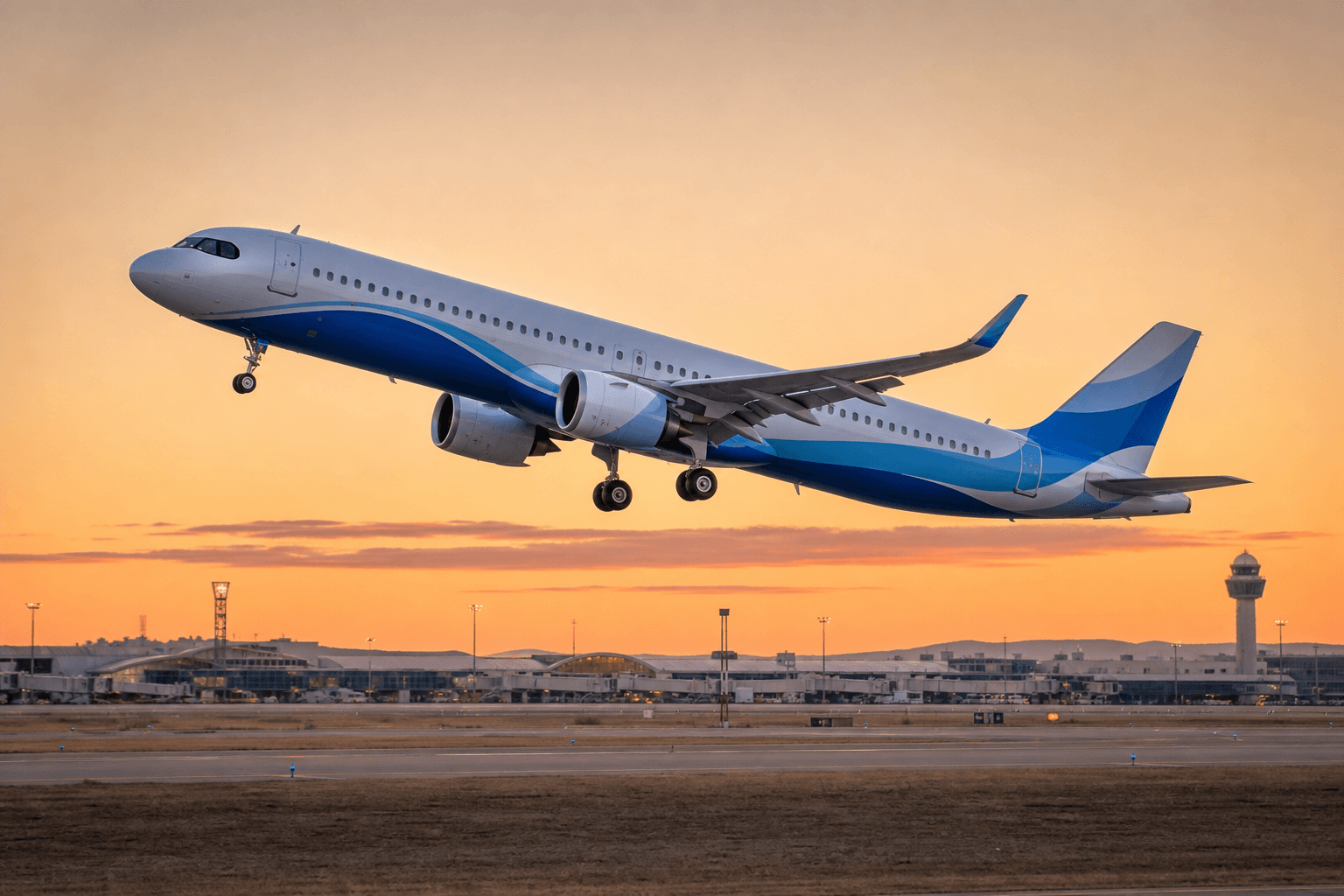
Airbus A321XLR Challenges Hub-and-Spoke Model with Long-Range Narrowbody Flights
Long-haul international travel has, for many of the largest airlines of the modern age, operated using a simple economic formula. The goal is to gather passengers from regional spoke airports, funnel them through mega-hubs like London Heathrow , Frankfurt , or Atlanta , and consolidate them onto twin-engine or four-engine widebody jets. Connecting traffic was the only way airlines could consistently guarantee high load factors on 250-to-300-seat aircraft when crossing oceans. However, the arrival of the Airbus A321XLR has changed this thinking by introducing a single-aisle jet capable of flying 4,700 nautical miles (8,704 km).
Israir revives ex-American Airlines A330s for upcoming New York-Tel Aviv flights
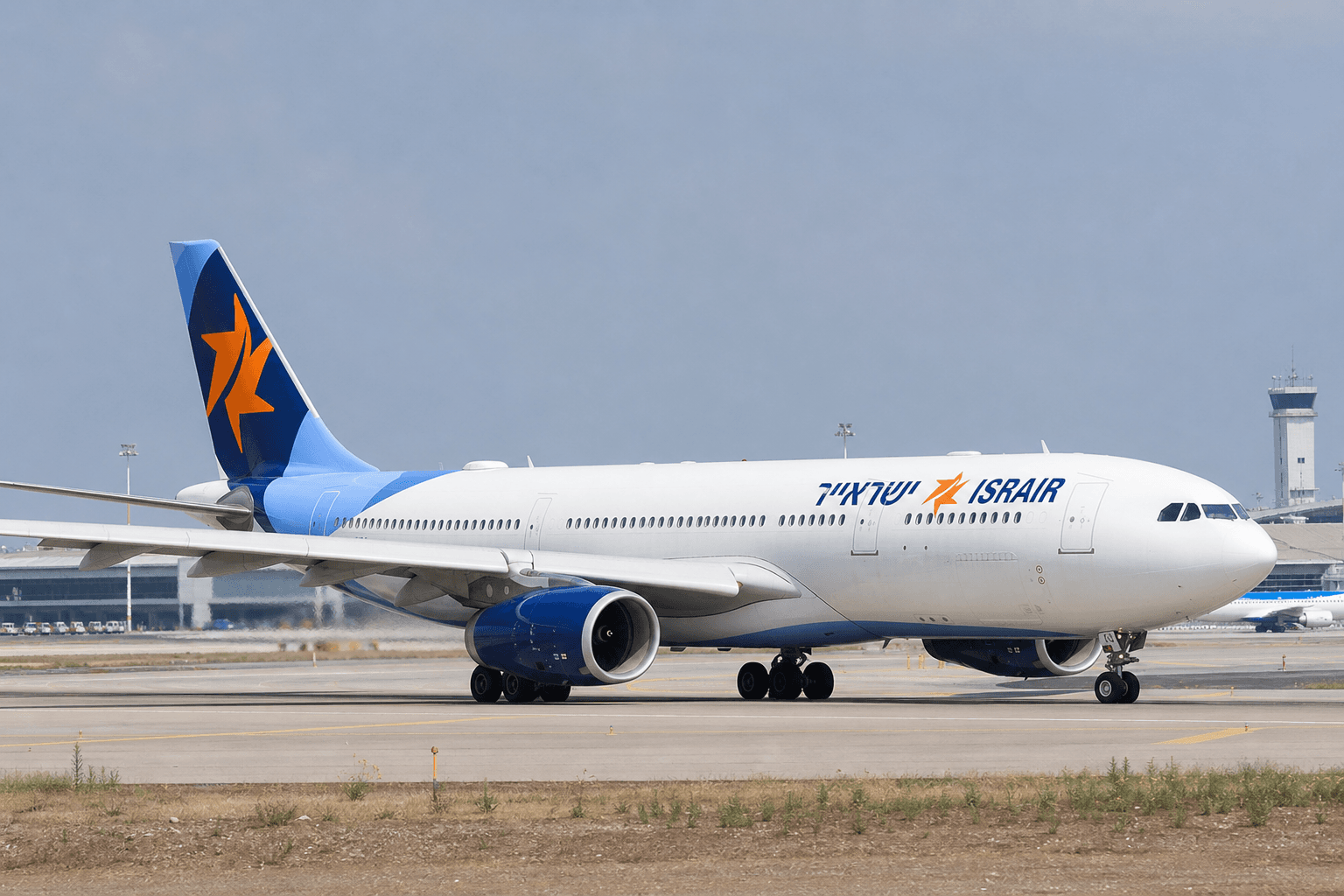
American Airlines retired its relatively young Airbus A330-200s during the pandemic, leaving itself short of long-haul aircraft just as international demand returned. Now two of those ex-American jets belong to Israir, which plans to use them for Tel Aviv–New York service — potentially bringing American's old planes back to a market American itself still has not resumed.
American Airlines AI System Automatically Removes Passengers from Flights Ahead of Connections
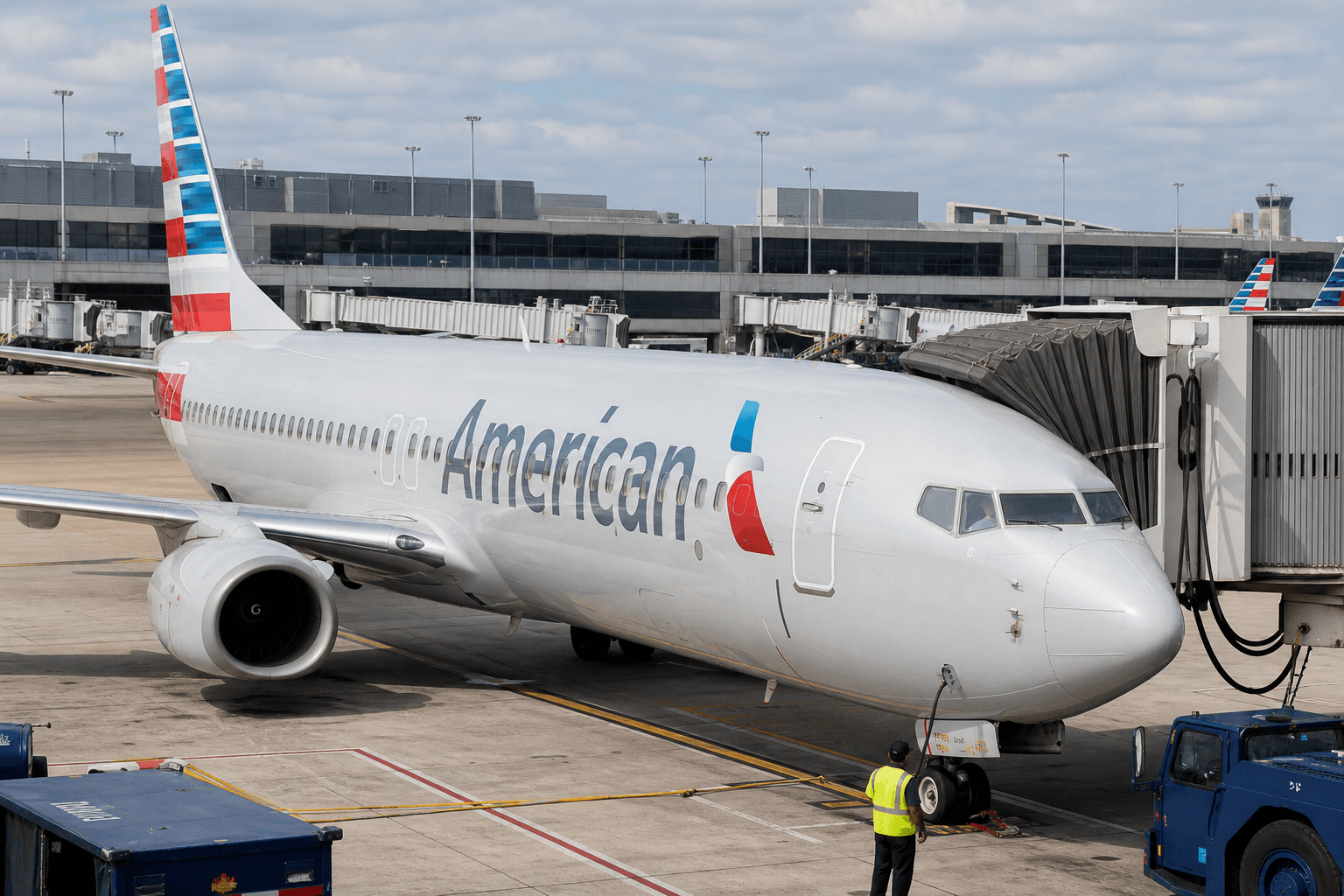
American Airlines' automated rebooking system keeps removing passengers from flights when it predicts they will miss a connection, even when they still make it to the gate in time. The result is that seats get released to someone else, passengers are turned away from flights they could have boarded, and American may owe involuntary denied boarding compensation when its algorithm gets it wrong.
Top 5 Airlines Offering Best Premium Economy Amenity Kits in 2026
In the fiercely competitive landscape of long-haul aviation, the battle for passenger loyalty has moved beyond just legroom and seat pitch. The soft product, or the tangible extras that accompany your flight, has become a primary differentiator for travelers looking to maximize the value of a premium economy ticket. A generous amenity kit is now a physical manifestation of an airline's commitment to your comfort during a 12-hour flight .
The Daily Touch & Go
The day's best aviation news in your inbox. Free, no spam.