

Illustration: The Touch & Go
Virgin Australia's 2026 Network Features 15-Hour Nonstop Flights via Qatar Airways
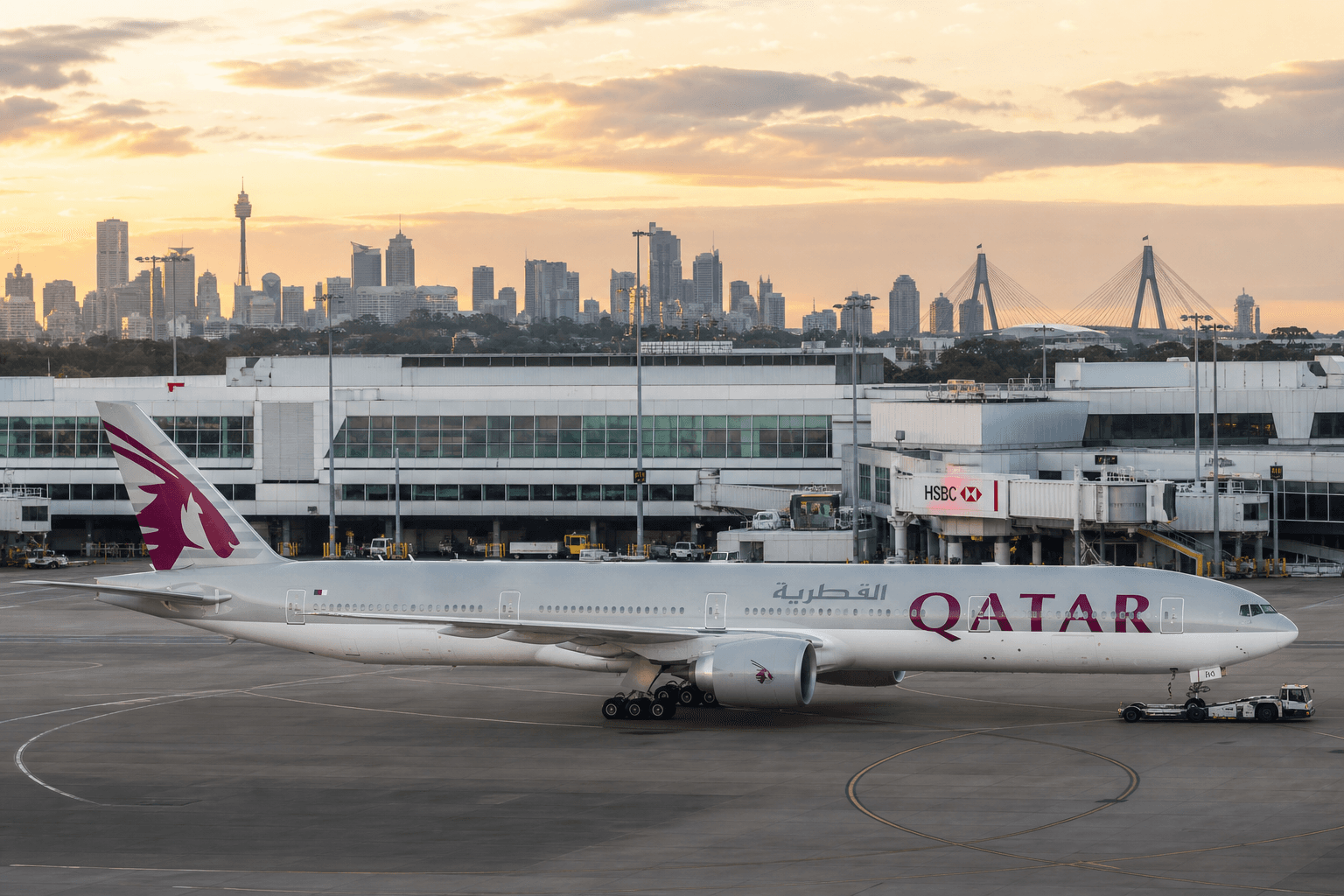
Virgin Australia partners with Qatar Airways to operate its longest international flights, including daily 14- to 15-hour services from Australia to Doha, while continuing robust domestic and regional operations.
The gist
Virgin Australia’s longest 2026 flights are daily 14-15 hour routes to Doha, operated by Qatar Airways under wet-lease agreements.
Continuing coverage
All Qatar Airways →- Qatar Airways to operate its first Airbus A380 flight to Amman in January 2027
- Qatar Airways Deploys Airbus A350 on Shortest Commercial Flight from Doha to Bahrain
- Riyadh Air and GOL spearhead 2026 long-haul network expansions amid established carriers' route growth
- Qatar Airways Reactivates Retired Widebodies After Airbus A350 Grounding Crisis
- Qatar Airways Shifts New Zealand Flights From Adelaide to Melbourne Starting December
Virgin Australia, Australia's second-largest airline headquartered in Brisbane, is reestablishing its long-haul presence through a strategic partnership with Qatar Airways. After grounding much of its fleet and halting international routes during the COVID-19 pandemic, Virgin Australia resumed its global connectivity via a wet-lease agreement enabling Qatar Airways to operate select long-haul flights under Virgin Australia flight numbers. This approach allows Virgin Australia to overcome limitations on foreign carriers' flight frequencies to Australia.
The airline's long-haul international network now hinges on daily Boeing 777-300ER flights operated by Qatar Airways crews. The marquee route is the nonstop Sydney (SYD) to Doha (DOH) service, lasting nearly 15 hours. Melbourne (MEL) to Doha and Brisbane (BNE) to Doha, scheduled to return from December, are also significant daily connections, with durations of approximately 14 hours and 40 minutes respectively. Perth (PER) to Doha, operated weekly, clocks in at around 11 hours 20 minutes.
Historically, Virgin Australia maintained an international footprint including destinations in Asia, New Zealand, the Pacific Islands and North America, but financial turmoil culminating in bankruptcy and a Bain Capital bailout resulted in suspension of these services. Qatar Airways' acquisition of a 25% stake has revitalized Virgin Australia’s international operations and positioned the airline to serve these ultra-long-haul markets once again.
Virgin Australia’s own aircraft fleet currently focuses on domestic and regional routes, largely leveraging Boeing 737 MAX 8s and 737-800s, with an order pending for the MAX 10 variant. The airline’s longest routes operated with its own metal include daily nonstops from Sydney, Canberra, and Gold Coast to Bali (Ngurah Rai Airport), each approximately six hours and 40 to 45 minutes in duration. These popular leisure routes connect Australians to a favored tourist destination in Southeast Asia.
Notably, the Melbourne to Bali service, operated twice daily by MAX 8s, features a slightly shorter flight time of six hours and 25 minutes. Domestically, Virgin Australia operates a unique weekly six-hour flight from Brisbane to Karratha, catering primarily to mining industry demands across the Australian continent. These routes demonstrate Virgin Australia's commitment to both leisure and specialized domestic markets.
While Virgin Australia does not yet plan to acquire widebody aircraft for its own operations, the wet-lease model with Qatar Airways allows the carrier to offer long-haul international service with Boeing 777-300ER aircraft and crews fully integrated under Virgin airline codes. This innovative alliance circumvents limitations imposed on foreign airlines by Australian authorities and restores Virgin Australia’s connectivity on key global routes.
With the return of services such as Perth and Brisbane to Doha scheduled for late 2026, Virgin Australia’s international network is poised for steady expansion. Meanwhile, ongoing domestic and regional operations with MAX jets ensure the carrier maintains extensive coverage within Australia and nearby international markets. This dual strategy balances Virgin Australia's network breadth with regulatory and economic realities.
Virgin Australia's reentry into long-haul flying marks a significant milestone since its challenging financial restructuring. Supported by Qatar Airways' expertise and fleet strength, the airline is leveraging a hybrid operational model that diversifies its offerings and positions it competitively alongside the Qantas Group in the Australian aviation market.
As of mid-2026, the airline continues to monitor market conditions and fleet needs, with no immediate plans to procure its own widebody aircraft. However, the current collaboration with Qatar Airways represents a noteworthy evolution in Virgin Australia’s strategic approach to international air travel and demonstrates innovative adaptation to evolving regulatory frameworks and market demands.
Read more
All Airlines →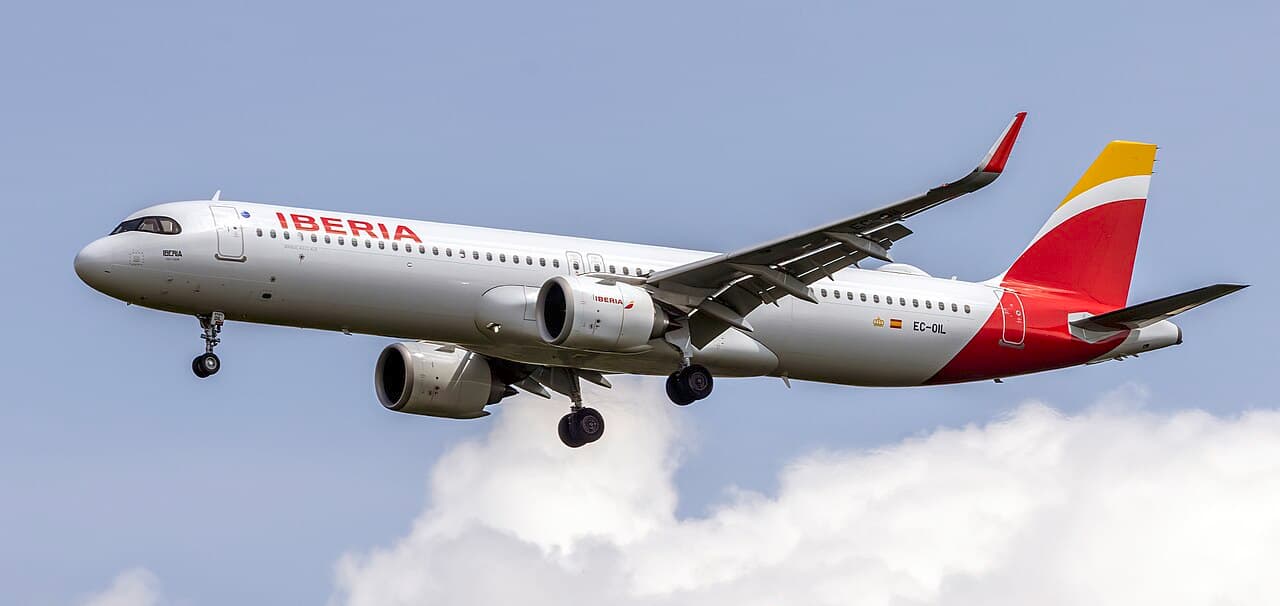
Qantas Postpones First Airbus A321XLR International Flight to February 2027
Each week, airlines worldwide submit schedule changes to Cirium Diio, OAG , and elsewhere. In the latest update, Qantas confirmed a notable change to its inaugural international service aboard the Airbus A321XLR. The launch date has been pushed back to next year.
Boeing Delivers 53 Jets in July Amid Airbus Lead in 2026 Production Race
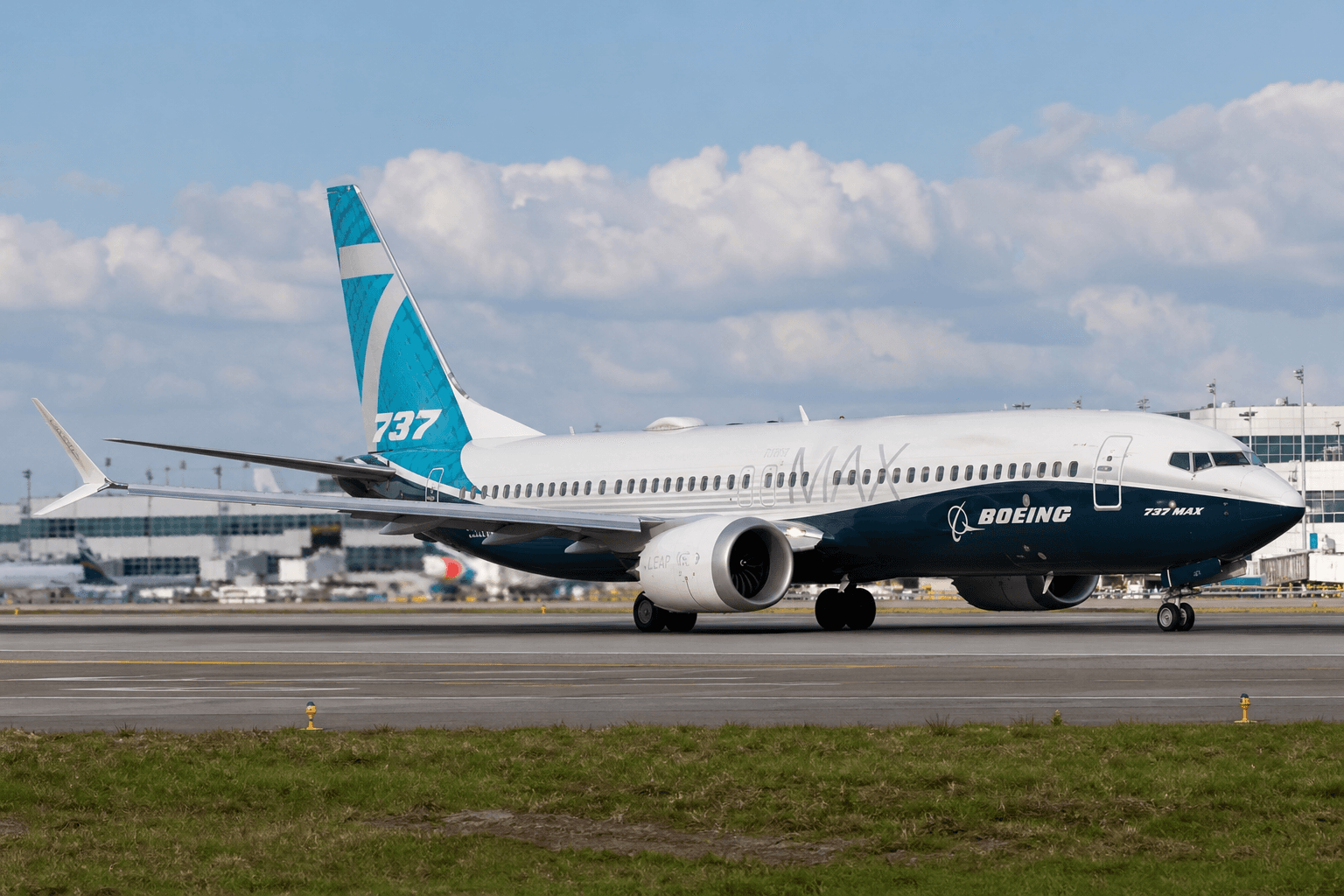
Boeing handed over 53 commercial airplanes in July 2026. The total marks steady progress in the company’s recovery. It also highlights ongoing competition with rival Airbus. ezstandalone.cmd.push(function () { ezstandalone.showAds(119); }); The deliveries included 39 Boeing 737 MAX jets and 10 787 Dreamliners. Boeing also delivered three 767s and one 777 Freighter. These numbers come from the company’s monthly orders and deliveries report. Modest Gain for Boeing, Clear Lead for Airbus July’s total rose about 10 percent from the same month last year. In July 2025, Boeing delivered 48 airplanes. That earlier figure included 37 MAX jets and eight 787s.Still, the July 2026 result fell short of recent highs. ezstandalone.cmd.push(function () { ezstandalone.showAds(127); }); Boeing delivered 60 planes in May and 64 in June. Production timing and customer readiness can cause these monthly swings. Airbus outpaced Boeing in July . The European manufacturer delivered 67 aircraft to 39 customers. That figure included a strong mix of A320-family jets plus several A220s and A350s. ezstandalone.cmd.push(function () { ezstandalone.showAds(128); }); Year-to-date through July 31, the gap remains clear. Airbus has delivered 418 planes. Boeing has delivered 367. Airbus continues to hold the monthly and cumulative lead. Photo Credit: Boeing Boeing’s Production Focus Boeing continues to raise 737 MAX output. The company aims to stabilize rates near 47 jets per month. Regulators earlier lifted tighter limits after past safety issues. The higher pace supports backlog reduction and customer needs. ezstandalone.cmd.push(function () { ezstandalone.showAds(129); }); The 10 Dreamliner deliveries stand out. Boeing delivered 13 of the jets in June but only six in May. Seat certification delays slowed some earlier handovers. July’s total shows progress at the South Carolina factory. Fresh Orders Maintain Momentum July also brought new business for Boeing. Uganda Airlines signed for four 787-9 Dreamliners and four 737 MAX 8s. This marked the African carrier’s first direct order with Boeing. The deal supports fleet growth and more efficient routes. AerCap ordered 15 more 787-9s. The lessor already holds a large Dreamliner portfolio. This addition expands its offerings to airline customers. ezstandalone.cmd.push(function () { ezstandalone.showAds(130); }); Boeing recorded 38 gross orders in July. These covered 18 of the 737 MAX, 19 of the 787, and one 777X. Eight 737 MAX cancellations offset some of the gains. Net orders for the month stood near 30 after adjustments. Through the end of July, Boeing logged 429 net orders for the year. Airbus posted a much stronger sales month with 204 gross orders. The European firm continues to build a larger backlog overall. Photo Credit: Boeing The Bigger Picture Deliveries serve as a useful proxy for factory output. Not every completed plane leaves in the same month it rolls off the line. Customer readiness and final checks can shift the timing. ezstandalone.cmd.push(function () { ezstandalone.showAds(131); }); Boeing trails Airbus in monthly deliveries and year-to-date totals. Yet Boeing’s focus remains clear: steady production increases, quality improvements, and backlog fulfillment. Narrowbody MAX jets drive most volume. Widebody 787s add higher-value activity. Both manufacturers face supply-chain pressures as they chase ambitious full-year targets. Airbus aims near 870 deliveries for 2026. Boeing works to close the gap through higher rates and consistent output. The July data shows Boeing moving in the right direction after earlier challenges. New orders from airlines and lessors keep the pipeline healthy. Industry watchers will track the next rate increases and how the two rivals perform through the rest of the year. ezstandalone.cmd.push(function () { ezstandalone.showAds(132); });
Israir revives ex-American Airlines A330s for upcoming New York-Tel Aviv flights
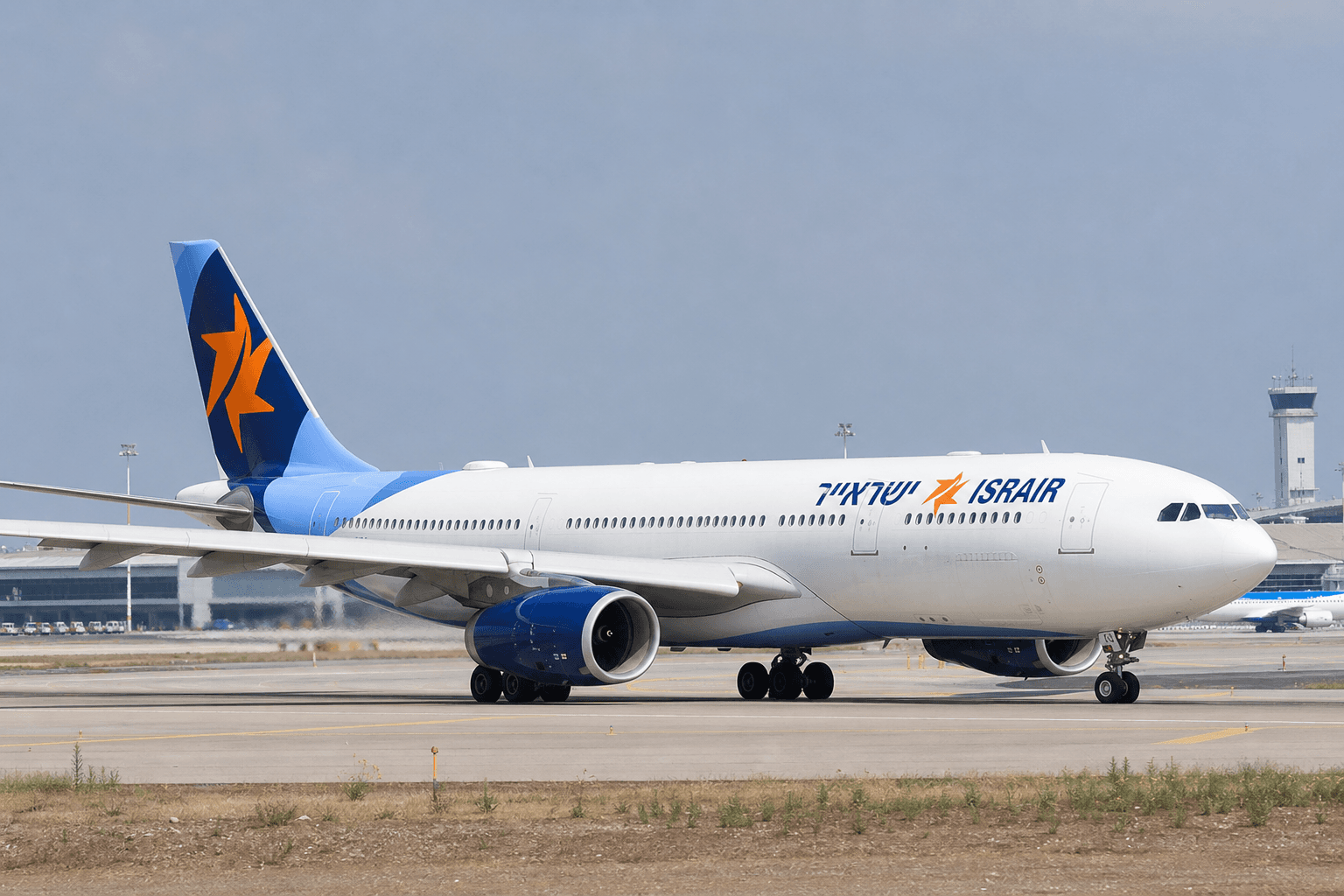
American Airlines retired its relatively young Airbus A330-200s during the pandemic, leaving itself short of long-haul aircraft just as international demand returned. Now two of those ex-American jets belong to Israir, which plans to use them for Tel Aviv–New York service — potentially bringing American's old planes back to a market American itself still has not resumed.
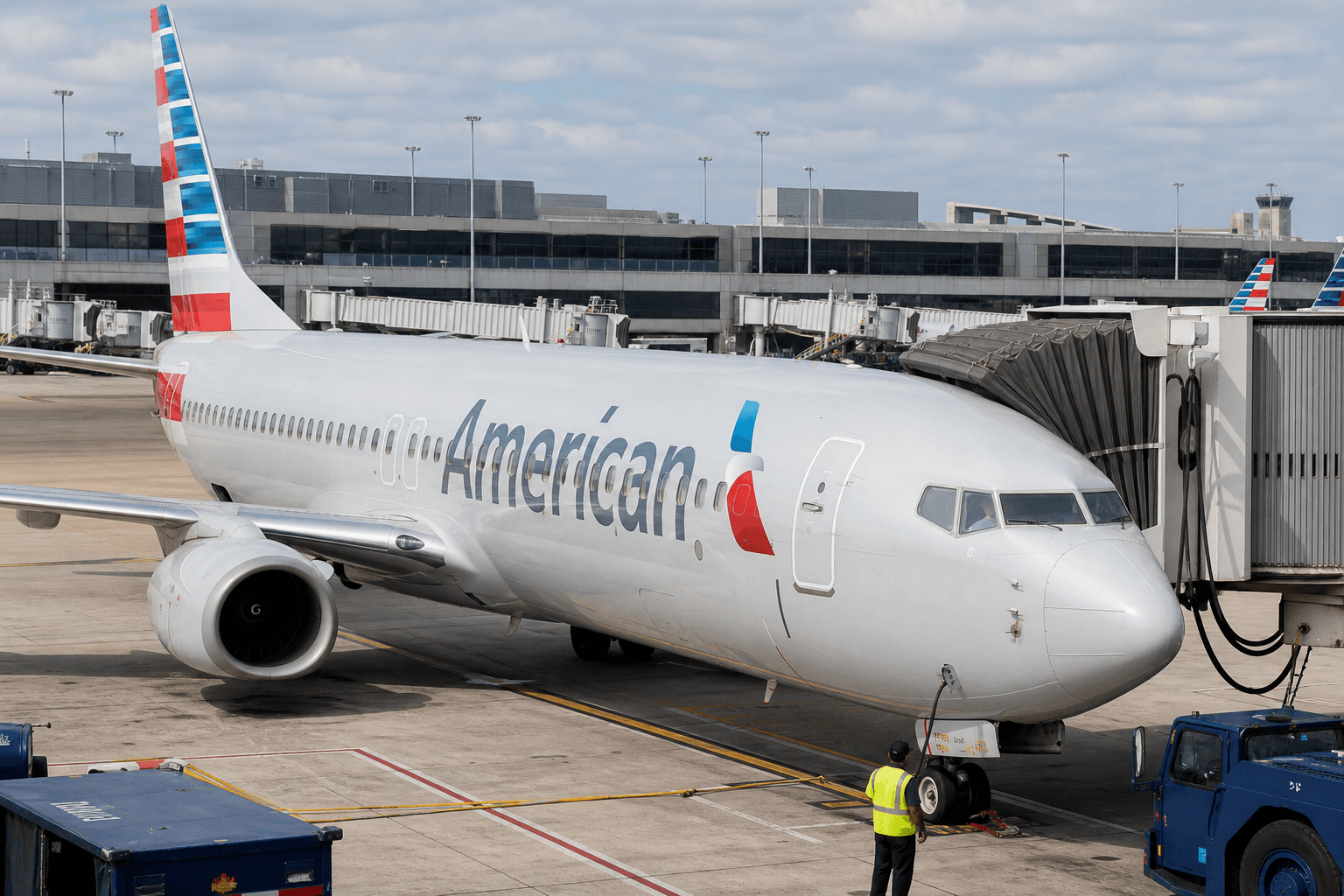
American Airlines AI System Automatically Removes Passengers from Flights Ahead of Connections
American Airlines' automated rebooking system keeps removing passengers from flights when it predicts they will miss a connection, even when they still make it to the gate in time. The result is that seats get released to someone else, passengers are turned away from flights they could have boarded, and American may owe involuntary denied boarding compensation when its algorithm gets it wrong.
The Daily Touch & Go
The day's best aviation news in your inbox. Free, no spam.