

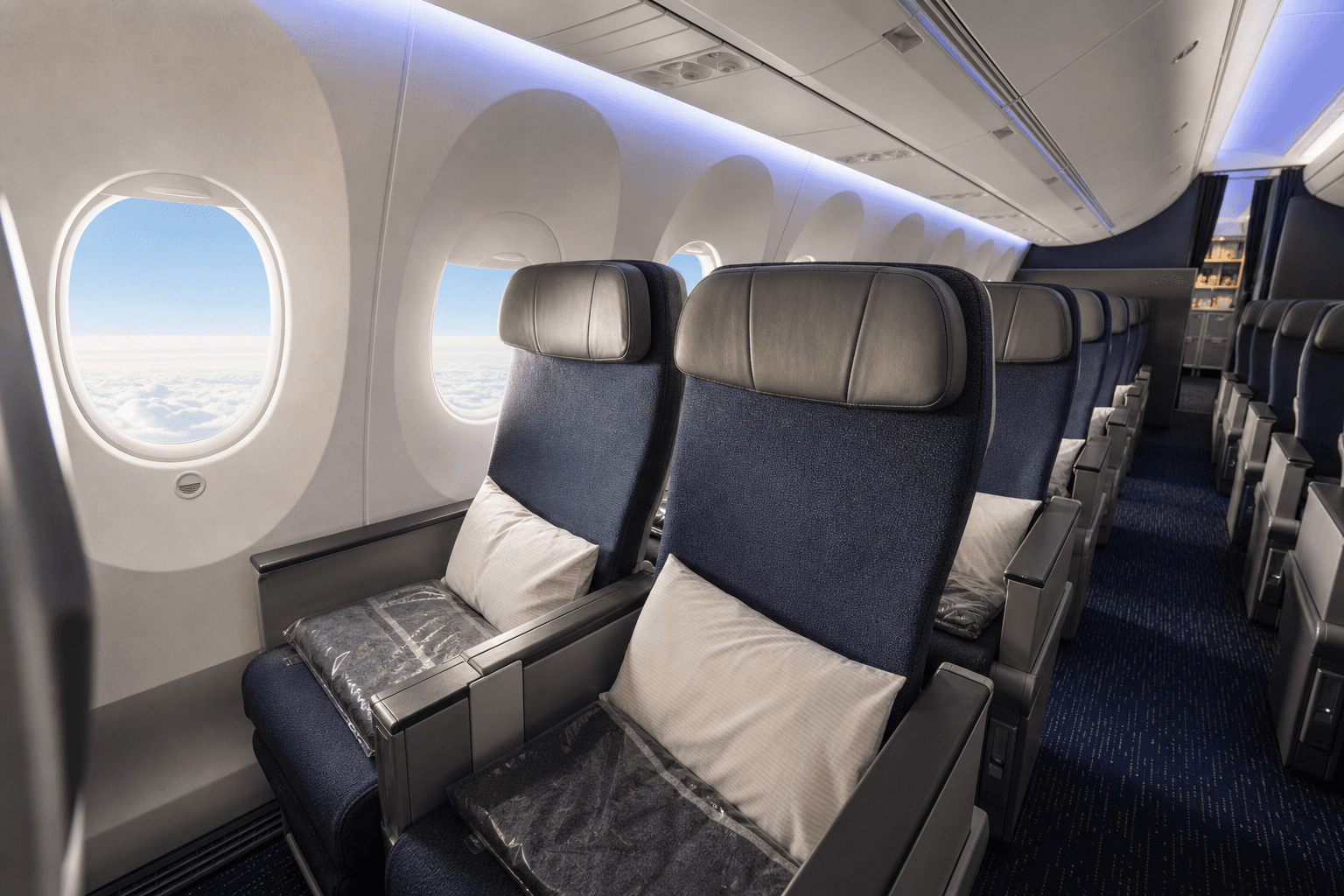
Illustration: The Touch & Go
Inside Singapore Airlines and Cathay Pacific's premium economy cabins on long-haul flights
Singapore Airlines and Cathay Pacific offer distinct premium economy experiences, focusing on comfort upgrades and enhanced service across their long-haul fleets.
The gist
Singapore Airlines and Cathay Pacific lead in premium economy with spacious seats and refined dining on long-haul routes.
Premium economy class has emerged as a critical segment in long-haul air travel, offering an appealing middle ground between economy and business class. It targets travelers looking for more comfort and service than economy but at a fraction of the cost of business class seats. Both Singapore Airlines and Cathay Pacific are recognized globally for their high-quality premium economy products, each bringing a unique approach to this market segment.
Cathay Pacific's premium economy is available on its Airbus A350 and Boeing 777 fleets, including the latest Boeing 777-300ER with a new seat design. Its cabin prioritizes additional space, privacy, and modern aesthetics, aiming to set a clear distinction from standard economy. Passengers enjoy priority check-in at selected airports, priority boarding, and higher baggage allowances. The onboard meal service features multi-course options often inspired by Hong Kong cuisine, served with metal cutlery and quality tableware. A welcome alcoholic drink greets passengers, and amenity kits for overnight flights include essentials for a restful sleep.
Cathay Pacific arranges premium economy seats in a 2-4-2 configuration, offering up to 40 inches of seat pitch, which provides more legroom than typical economy seats. The A350 models use Collins Aerospace MiQ seats, while the Boeing 777s have Recaro R5 seats. Features include increased recline, adjustable headrests, plus calf and footrests to improve comfort on long journeys. 15.6-inch 4K high-resolution inflight entertainment screens equipped with Bluetooth and noise-cancelling headphones enhance the passenger experience. USB ports, power outlets, and extra storage compartments add practical conveniences. The new Boeing 777-300ER seats have improved padding and storage for added comfort.
Singapore Airlines has rolled out its premium economy cabins across its Airbus A350, A380, and Boeing 777 aircraft. The carrier emphasizes passenger convenience and comfort, with priority services from check-in to baggage handling. Its premium economy offers a refined dining experience, including three-course meals served on proper tableware, along with a selection of snacks and beverages throughout flights. For journeys longer than seven hours, additional amenities are available to support rest and sleep.
Singapore Airlines fits its premium economy cabins with Safran Z535 seats, featuring up to 38 inches of pitch and 19.5 inches wide seating. These seats recline up to eight inches and include headrests, leg rests, and footrests for enhanced comfort. The KrisWorld inflight entertainment system offers around 1,800 options on 13.3-inch HD screens, supported by noise-cancelling headphones, reading lights, dual USB ports, and storage spaces for personal items.
Both airlines hold strong positions in the Skytrax 2025 World Airlines Awards for premium economy. Singapore Airlines placed fourth for best premium economy class and seat, and second in catering. Cathay Pacific ranked sixth in these categories. While Cathay offers slightly more seat pitch at 40 inches compared to Singapore's 38 inches, Singapore counters with superior seat ergonomics and consistent cabin quality across its fleet. Their inflight entertainment systems differ, with Singapore providing a broader content library and Cathay using larger and higher-resolution screens.
Service styles on both airlines feature elevated dining, presented on china with metal cutlery, reflecting careful attention to premium experience without venturing into business class territory. Ground services such as priority boarding and baggage handling are similar, though lounge access is generally not included for premium economy passengers. Both carriers offer larger baggage allowances than economy, further reinforcing the premium positioning of the class.
The growing popularity of premium economy is tied to changing priorities in air travel. Business class seats have become more exclusive and luxurious, while economy cabins have become more densely packed. Premium economy fills the gap by combining better comfort, service, and space at a price point more accessible to a broad range of travelers, including leisure passengers willing to pay a premium for comfort and price-sensitive business flyers.
Read more
All Airlines →
Riyadh Air and GOL spearhead 2026 long-haul network expansions amid established carriers' route growth
Flying has come a long way since the first scheduled passenger flight. That service carried just one passenger and flew the short distance of around 21 miles, but it marked the beginning of an industry that would eventually transform the way people travel around the world. Today, we can travel from one corner of the world to another with relative ease.
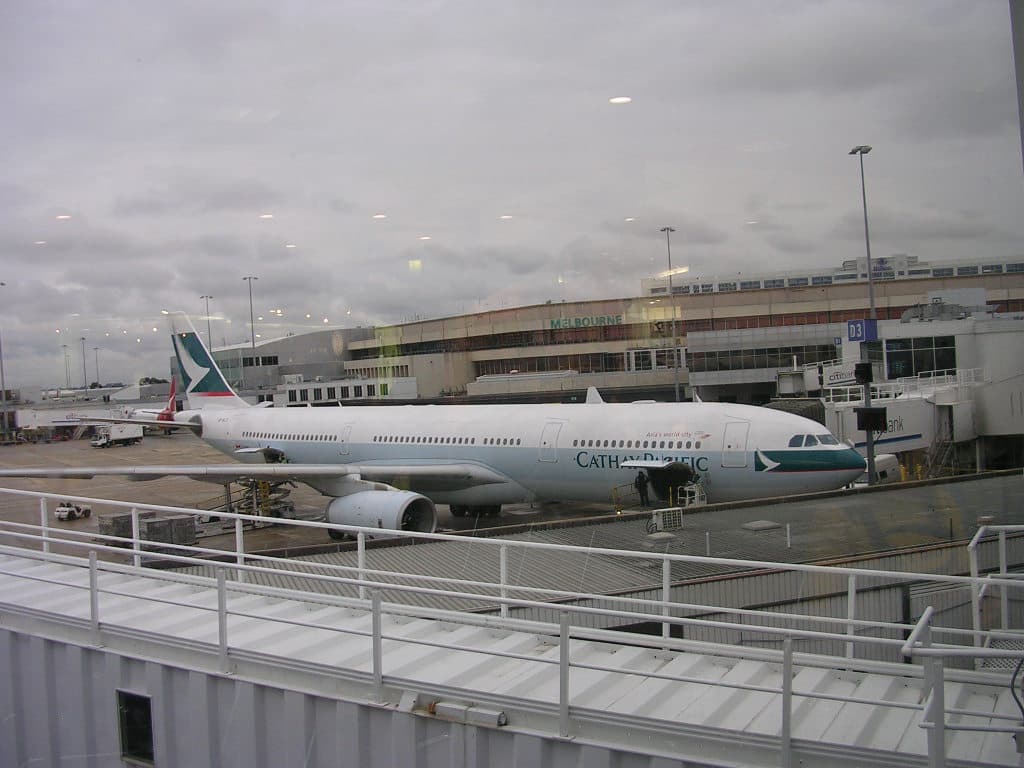
Cathay Pacific Group Posts 27% Operating Profit Rise and Stays on Track for 10% Capacity Growth
The group saw a 27% increase in its half-year operating profit, while net profit was up 71% year on year. Cathay Pacific Group is maintaining its full-year capacity growth guidance, with near-term demand "looking strong", and as its half-year profit improves. The Hong Kong-based airline group "remains on track" to reach its passenger capacity growth target of 10%, says Cathay chair Guy Bradley. "We remain cautiously optimistic for the rest of the year, subject to developments in the Middle East situation and other macroeconomic factors," Bradley, who was appointed airline chair in May, adds. The group, comprising mainline operator Cathay and low-cost unit HK Express, expects the "impact of elevated fuel prices" to continue for the rest of the year. Nonetheless – and if "market conditions are favourable" – the airline group is targeting to operate to 150 international points in 10 years, with 150 new aircraft set to join its fleet. For the six months ended 30 June, Cathay Group saw a 27% jump in its operating profit to HK$7.5 billion ($961 million). This was despite half-year expenses climbing 27% to HK$61.4 billion, led by a spike in fuel-related costs. Bradley notes that the group's fuel expenses close to doubled between the January-March and April-June quarters, underscoring the impact of the Middle East conflict on fuel costs. Group revenue was up 25% to HK$68 billion, on the back of strong travel demand on mainline operations, as well as significant operational improvements from HK Express. "Having got off to a strong start in the first quarter, we faced a more challenging second quarter due to the situation in the Middle East and the resulting significant increase in jet fuel prices," states Bradley. The group posted a net profit of HK$6.2 billion, a 71% jump from the year-ago period. During the period, Cathay took on non-recurring gains of around HK$1 billion, from the reduction of its shareholding in Air China in June this year.
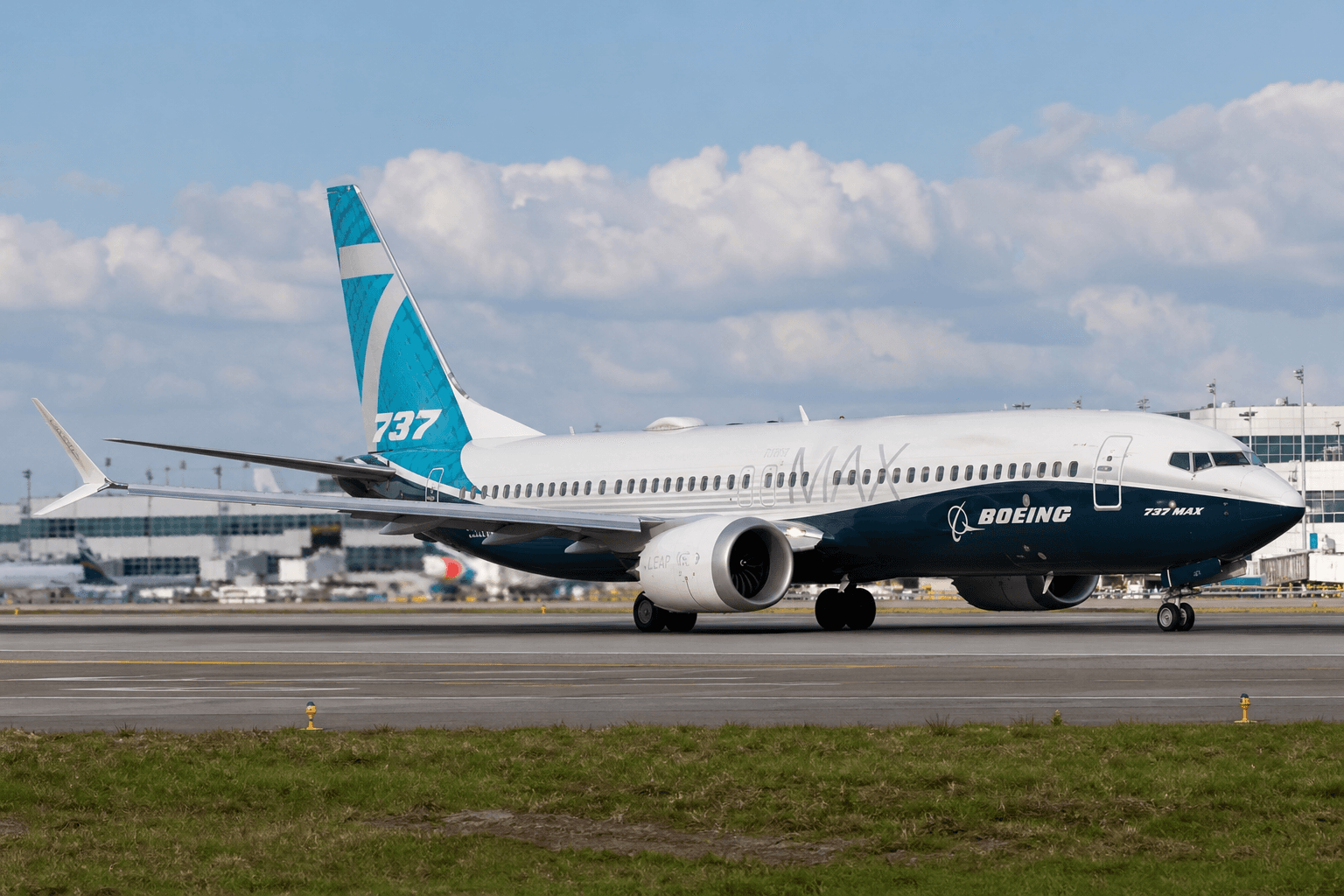
Boeing Delivers 53 Jets in July Amid Airbus Lead in 2026 Production Race
Boeing handed over 53 commercial airplanes in July 2026. The total marks steady progress in the company’s recovery. It also highlights ongoing competition with rival Airbus. ezstandalone.cmd.push(function () { ezstandalone.showAds(119); }); The deliveries included 39 Boeing 737 MAX jets and 10 787 Dreamliners. Boeing also delivered three 767s and one 777 Freighter. These numbers come from the company’s monthly orders and deliveries report. Modest Gain for Boeing, Clear Lead for Airbus July’s total rose about 10 percent from the same month last year. In July 2025, Boeing delivered 48 airplanes. That earlier figure included 37 MAX jets and eight 787s.Still, the July 2026 result fell short of recent highs. ezstandalone.cmd.push(function () { ezstandalone.showAds(127); }); Boeing delivered 60 planes in May and 64 in June. Production timing and customer readiness can cause these monthly swings. Airbus outpaced Boeing in July . The European manufacturer delivered 67 aircraft to 39 customers. That figure included a strong mix of A320-family jets plus several A220s and A350s. ezstandalone.cmd.push(function () { ezstandalone.showAds(128); }); Year-to-date through July 31, the gap remains clear. Airbus has delivered 418 planes. Boeing has delivered 367. Airbus continues to hold the monthly and cumulative lead. Photo Credit: Boeing Boeing’s Production Focus Boeing continues to raise 737 MAX output. The company aims to stabilize rates near 47 jets per month. Regulators earlier lifted tighter limits after past safety issues. The higher pace supports backlog reduction and customer needs. ezstandalone.cmd.push(function () { ezstandalone.showAds(129); }); The 10 Dreamliner deliveries stand out. Boeing delivered 13 of the jets in June but only six in May. Seat certification delays slowed some earlier handovers. July’s total shows progress at the South Carolina factory. Fresh Orders Maintain Momentum July also brought new business for Boeing. Uganda Airlines signed for four 787-9 Dreamliners and four 737 MAX 8s. This marked the African carrier’s first direct order with Boeing. The deal supports fleet growth and more efficient routes. AerCap ordered 15 more 787-9s. The lessor already holds a large Dreamliner portfolio. This addition expands its offerings to airline customers. ezstandalone.cmd.push(function () { ezstandalone.showAds(130); }); Boeing recorded 38 gross orders in July. These covered 18 of the 737 MAX, 19 of the 787, and one 777X. Eight 737 MAX cancellations offset some of the gains. Net orders for the month stood near 30 after adjustments. Through the end of July, Boeing logged 429 net orders for the year. Airbus posted a much stronger sales month with 204 gross orders. The European firm continues to build a larger backlog overall. Photo Credit: Boeing The Bigger Picture Deliveries serve as a useful proxy for factory output. Not every completed plane leaves in the same month it rolls off the line. Customer readiness and final checks can shift the timing. ezstandalone.cmd.push(function () { ezstandalone.showAds(131); }); Boeing trails Airbus in monthly deliveries and year-to-date totals. Yet Boeing’s focus remains clear: steady production increases, quality improvements, and backlog fulfillment. Narrowbody MAX jets drive most volume. Widebody 787s add higher-value activity. Both manufacturers face supply-chain pressures as they chase ambitious full-year targets. Airbus aims near 870 deliveries for 2026. Boeing works to close the gap through higher rates and consistent output. The July data shows Boeing moving in the right direction after earlier challenges. New orders from airlines and lessors keep the pipeline healthy. Industry watchers will track the next rate increases and how the two rivals perform through the rest of the year. ezstandalone.cmd.push(function () { ezstandalone.showAds(132); });
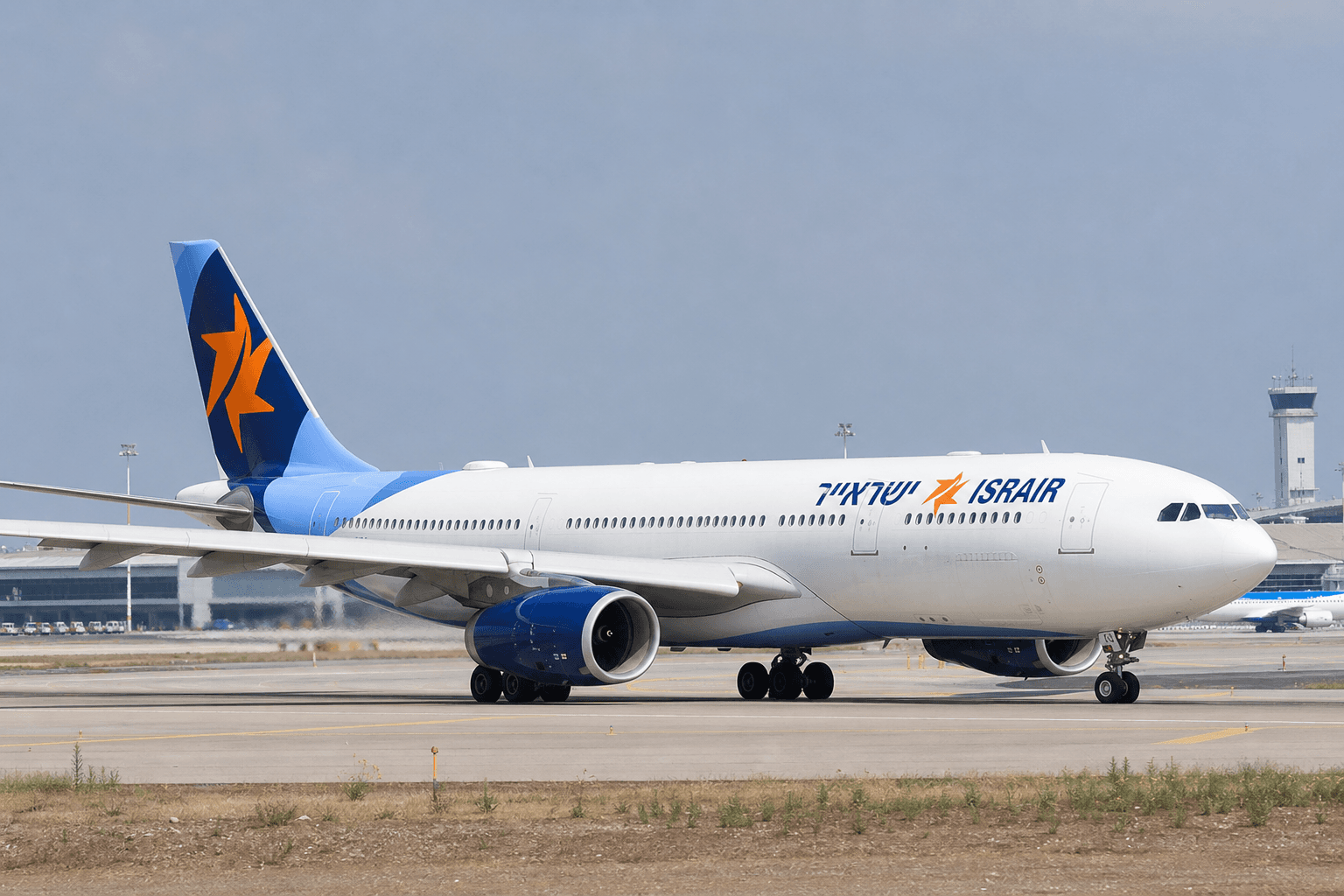
Israir revives ex-American Airlines A330s for upcoming New York-Tel Aviv flights
American Airlines retired its relatively young Airbus A330-200s during the pandemic, leaving itself short of long-haul aircraft just as international demand returned. Now two of those ex-American jets belong to Israir, which plans to use them for Tel Aviv–New York service — potentially bringing American's old planes back to a market American itself still has not resumed.
The Daily Touch & Go
The day's best aviation news in your inbox. Free, no spam.