

Illustration: The Touch & Go
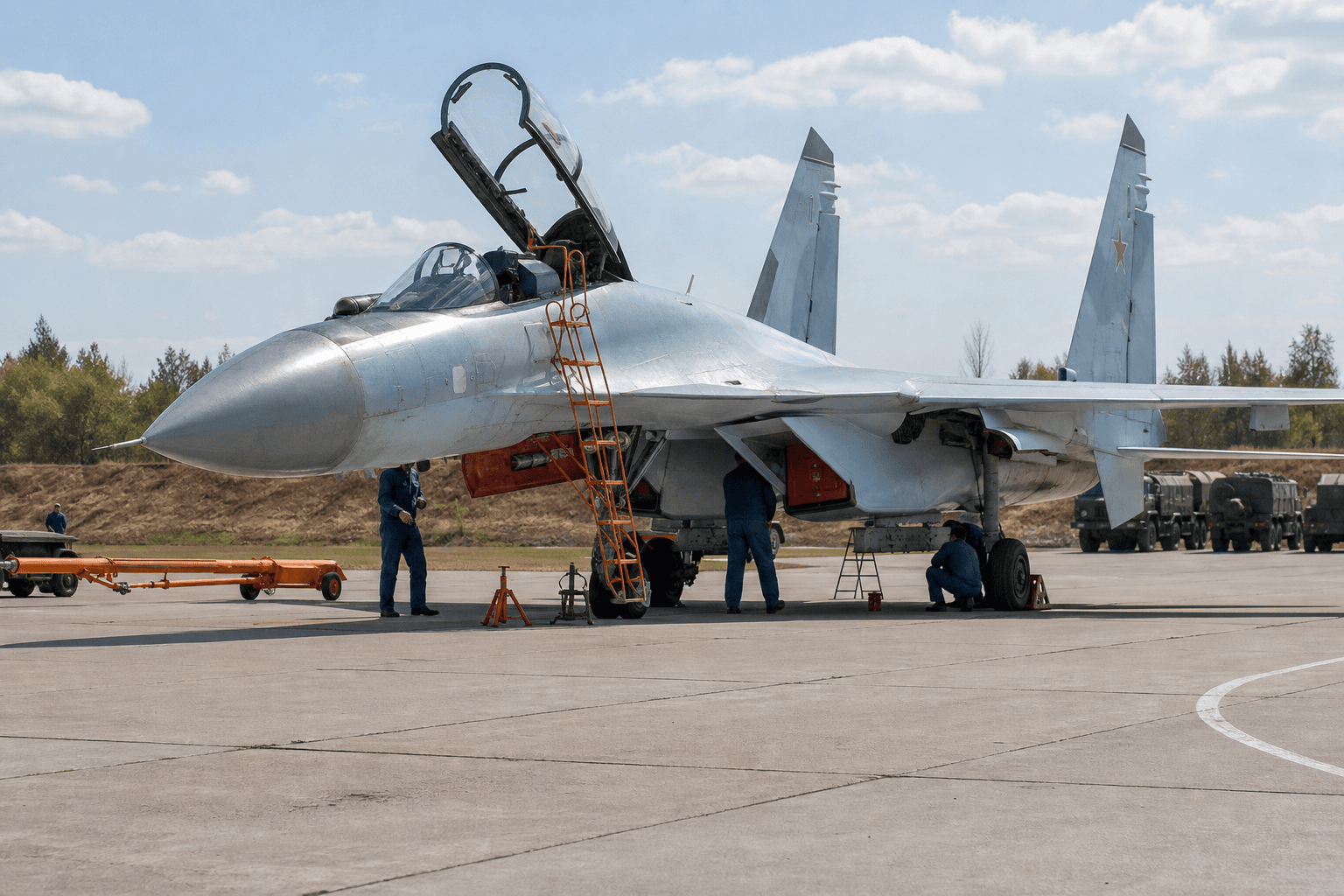
Global Shift Away From Russian Fighter Jets Accelerates Amid Sanctions and Maintenance Challenges
Countries worldwide are increasingly retiring Soviet-era fighter jets due to geopolitical pressures, sanctions, and maintenance difficulties, reshaping military aviation landscapes.
The gist
Sanctions and aging fleets drive many nations to phase out Russian fighter jets, favoring Western and domestic alternatives.
Since the Cold War's end, a steady global retreat from Russian and Soviet-era fighter jets has been unfolding, intensifying over recent years. Factors driving this transition include the dissolution of Soviet state subsidies, geopolitical realignments, and punitive sanctions by Western nations, particularly the US. Russia now counts only a handful of countries such as Algeria, Kazakhstan, Belarus, Myanmar, and Iran as active clients for its military aircraft, largely owing to politically motivated ties rather than operational preference.
The initial wave of departure from Russian jets began in 1991 amid the USSR's collapse, halting subsidized arms deals and forcing erstwhile Soviet allies like Cuba and North Korea to cease acquisitions. Cuba, once hosting the largest air force in Latin America, now reportedly operates no functional legacy jets. Eastern European nations have followed suit, retiring aging squadrons without replenishing them with new Russian models, largely due to the emergence of more versatile procurement choices and improved diplomatic latitude.
More recently, sanctions imposed after Russia’s annexation of Crimea in 2014 and escalated following its 2022 invasion of Ukraine have severely constrained the maintenance and acquisition of Russian military aircraft. The US formalized sanctions through the Countering America's Adversaries Through Sanctions Act (CAATSA) in 2017, targeting several categories of Russian weapons transactions, including fighter jets. CAATSA’s selective enforcement allows exemptions, as seen with India’s sanctioned S-400 purchase, but also penalizes others, such as Turkey, which lost its F-35 program participation for acquiring Russian systems.
These sanctions have triggered widespread cancellation of orders previously placed with Russia for aviation equipment. Indonesia and Egypt abandoned Su-35 fighter jet orders in 2019, while the Philippines canceled its Mi-171 helicopter procurement in 2018. Serbia pivoted from expected Russian acquisitions to French Rafales, and Vietnam, despite purchasing some Russian Yak-130 trainer aircraft, faces pressure to shift towards Western types like the F-16. Similarly, Bangladesh is caught in a stalemate over accepting Russian Mi-171A2 helicopters due to US sanctions risks, leaving deliveries stalled in Russia.
The maintenance challenges for Russian-origin aircraft have compounded the retreat. Western sanctions have disrupted spare parts supply chains and technical assistance for airframes like the Su-25 Frogfoot and MiG-29 fighter jets, forcing operators to find alternative maintenance arrangements or retire aircraft prematurely. Countries like Azerbaijan had MiG-29s undergoing upkeep in Ukraine at the onset of war in 2022; some were destroyed, others repurposed. Ukraine itself has faced difficulties maintaining Soviet-era transport aircraft, contributing to imminent fleet retirements.
In South America, Colombia's extensive Mi-17 helicopter fleet, critical for counterinsurgency and logistics, illustrates the operational impact of sanctions. Efforts to extend the service lives of these helicopters domestically have encountered numerous obstacles, reflecting wider difficulties in sustaining Russian-origin fleets under current geopolitical constraints.
The trend away from Russian fighters is evident in several nations setting firm phase-out deadlines, embracing Western or domestic replacements. Poland plans to retire its Su-22s and MiG-29s around 2026, replacing them with F-35s and other models. Slovakia and Bulgaria have set 2024 and 2027 respectively for MiG-29 and MiG-27 retirements in favor of F-16s, while Serbia and Croatia are transitioning to Rafales. Post-war Ukraine is also moving towards Western aircraft including Gripens, Rafales, F-16s, and Mirages.
China’s development of a homegrown fighter aviation industry, culminating in the production of advanced jets beyond the capabilities of imported Russian Su-35s, limits its need for Russian acquisitions. India continues licensed Su-30MKI production but is increasingly diversifying its inventory with French Rafales and domestic Tejas fighters. These wider sector shifts underscore a declining reliance on Russian-supplied military aviation driven by technology evolution, geopolitical realignment, and security considerations.
Read more
All Military/Defense →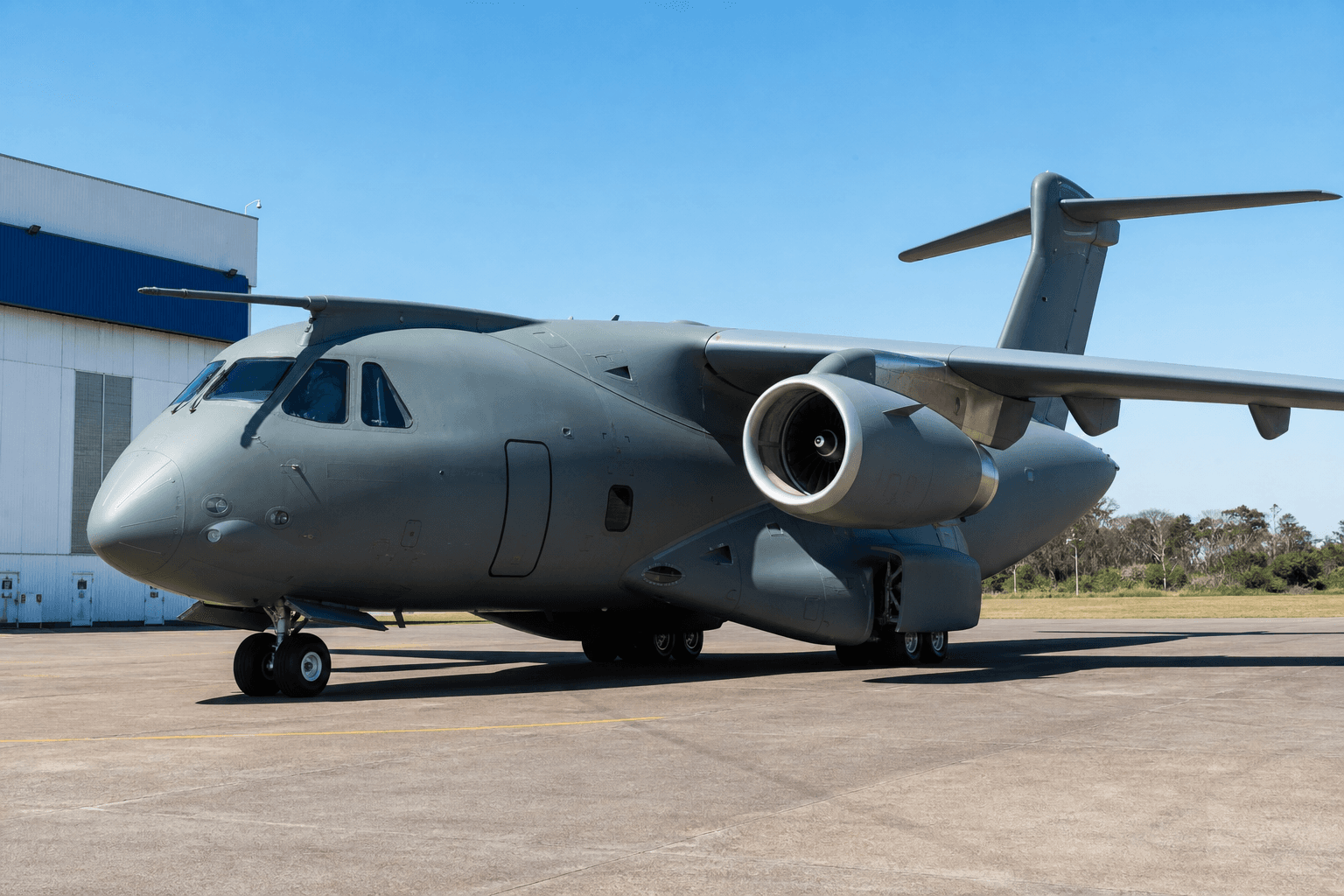
Colombia orders two Embraer KC-390 Millennium airlifters for fleet modernization
Embraer announced on August 4, 2026, that the Fuerza Aeroespacial Colombiana (FAC) has signed a contract for two KC-390 Millennium multi-mission aircraft, making Colombia the first Latin American customer for the type outside Brazil and the 13th nation to order it. The FAC put the value of the contract at $366.4 million at fixed prices, with execution spread over four years. The package covers the two aircraft, mission equipment, initial training for pilots, maintenance technicians and mission support personnel, ground support equipment, and 24 months of integrated logistics support. Embraer said the deal also includes an offset program structured to meet Colombian regulatory requirements. Deliveries are scheduled for 2029 and 2030, with the first aircraft to be ferried from Embraer's Gavião Peixoto plant to CATAM air base in Bogotá. Replacing an aging Hercules fleet The purchase falls under the FAC's heavy tactical military transport requirement, part of a modernization plan the force ties to its Air and Space Development Strategy 2042 (EDAES 2042), formulated in 2019. Colombia's tactical airlift currently rests on a small fleet of Lockheed C-130B and C-130H Hercules, operated since the late 1960s and supplemented over the years by second-hand US transfers. That fleet came under scrutiny after a C-130H registered FAC-1016 crashed shortly after takeoff from Puerto Leguízamo on March 23, 2026, killing 70 of the 126 people on board. The decision was not entirely free of controversy. President Gustavo Petro directed the FAC to conclude negotiations with Embraer in July 2026, according to Infodefensa , before the force had completed a technical comparison that also included the Lockheed Martin C-130J Super Hercules and Airbus A400M. The FAC nevertheless maintained that its selection followed technical, legal and financial analyses conducted by its own personnel. Tanker role and Gripen interoperability Two Brazilian Air Force F-39E Gripen fighters refuel simultaneously from an Embraer KC-390 Millennium. (Credit: Embraer) Embraer said the aircraft will be delivered with connectivity allowing them to operate alongside the 17 Gripen E/F fighters Colombia ordered from Saab in November 2025 under a €3.1 billion contract. The KC-390 can be fitted with removable air-to-air refueling equipment, allowing it to serve as either tanker or receiver. Bosco da Costa Junior, President and CEO of Embraer Defense & Security, said the company was "honored by the FAC's decision to select the KC-390 Millennium," pointing to a relationship dating back more than 35 years to Colombia's purchase of the EMB-312 Tucano and later the A-29 Super Tucano. Embraer says the KC-390 carries up to 26 tons of payload at speeds of up to 470 knots and can operate from short or unpaved strips. Beyond Brazil, the type has been selected by Portugal, Hungary, South Korea, the Netherlands, Austria, the Czech Republic, Uzbekistan, Sweden, the United Arab Emirates, Slovakia and Lithuania [though the latter postponed the procurement – ed. note]. The Czech Air Force received its first aircraft on July 16, 2026.
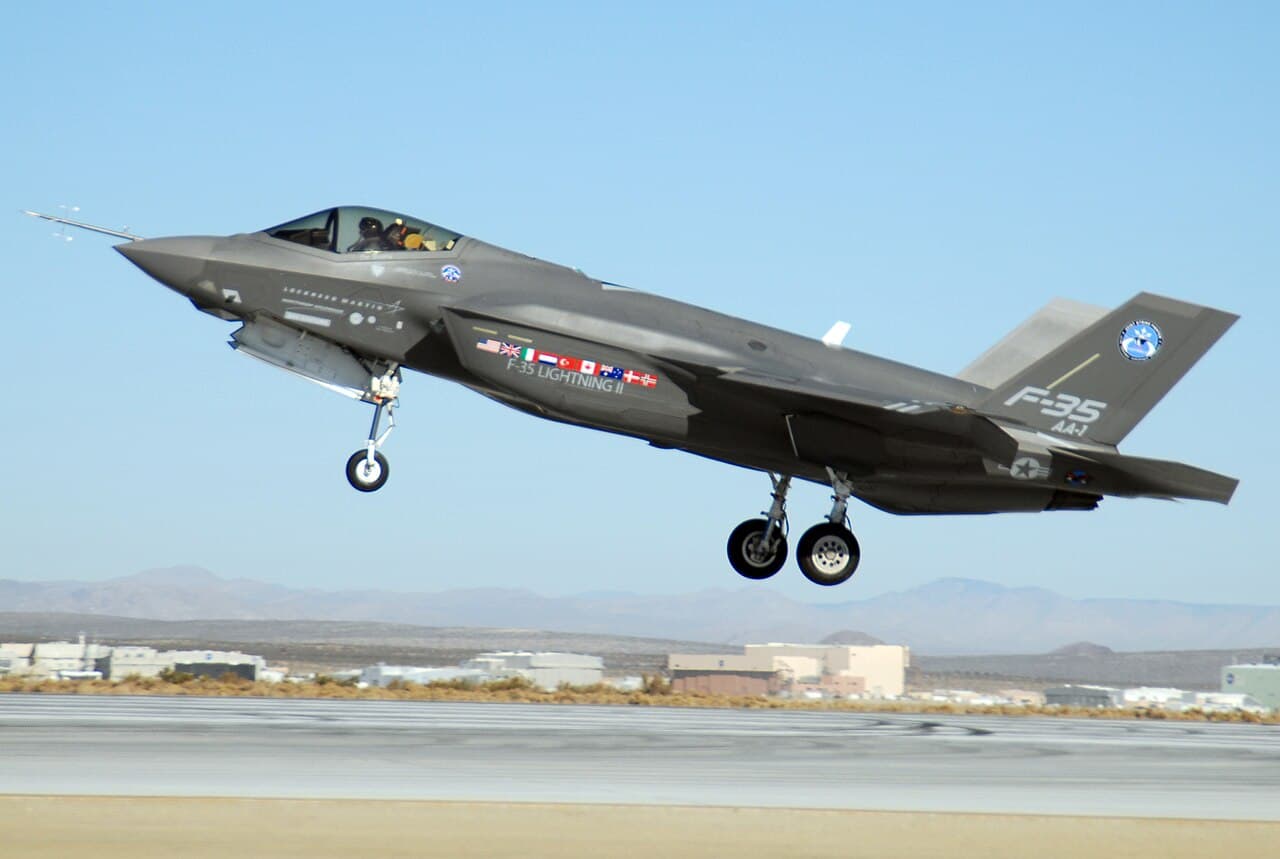
UK delays delivery of expanded F-35 fleet until early 2030s amid strategic and logistical challenges
Due to severe worldwide backlog pressures within the F-35 Joint Program Office and a strategic procurement delay by the Ministry of Defense, the United Kingdom will not receive any new Lockheed Martin F-35 Lightning II jets from its enlarged fleet order until the early 2030s. The upcoming batch introduces the F-35A variant to the UK fleet for the first time, intended to fulfill NATO nuclear-sharing missions.
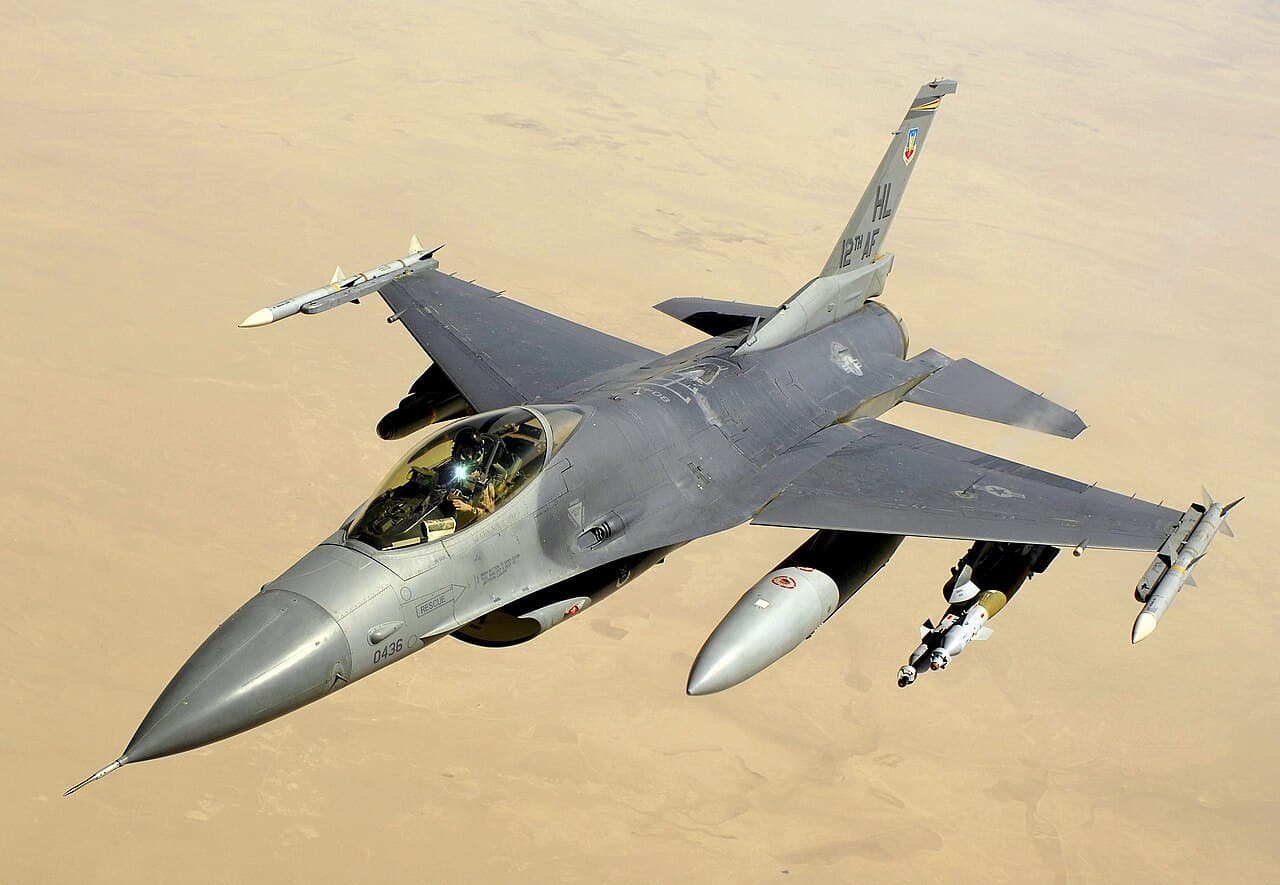
F-16 Viper Gets Major Combat Boost with New AN/APG-83 AESA Radar Upgrade
The Lockheed Martin F-16 Fighting Falcon, also known as the Viper, is no longer the premier lightweight fighter jet of the US Air Force, but it is far from irrelevant. As a much less expensive airframe than the more exquisite F-35 Lightning II, the Viper continues to roll off the assembly line. It is the most mass-produced supersonic fighter jet still in production today, with more than 4,500 examples having been delivered. Now, the existing fleet is also getting a major lethality upgrade in the form of the Northrop Grumman AN/APG-83 Scalable Agile Beam Radar.
Reliance and Rolls-Royce Collaborate to Develop Indigenous Engine for India's AMCA
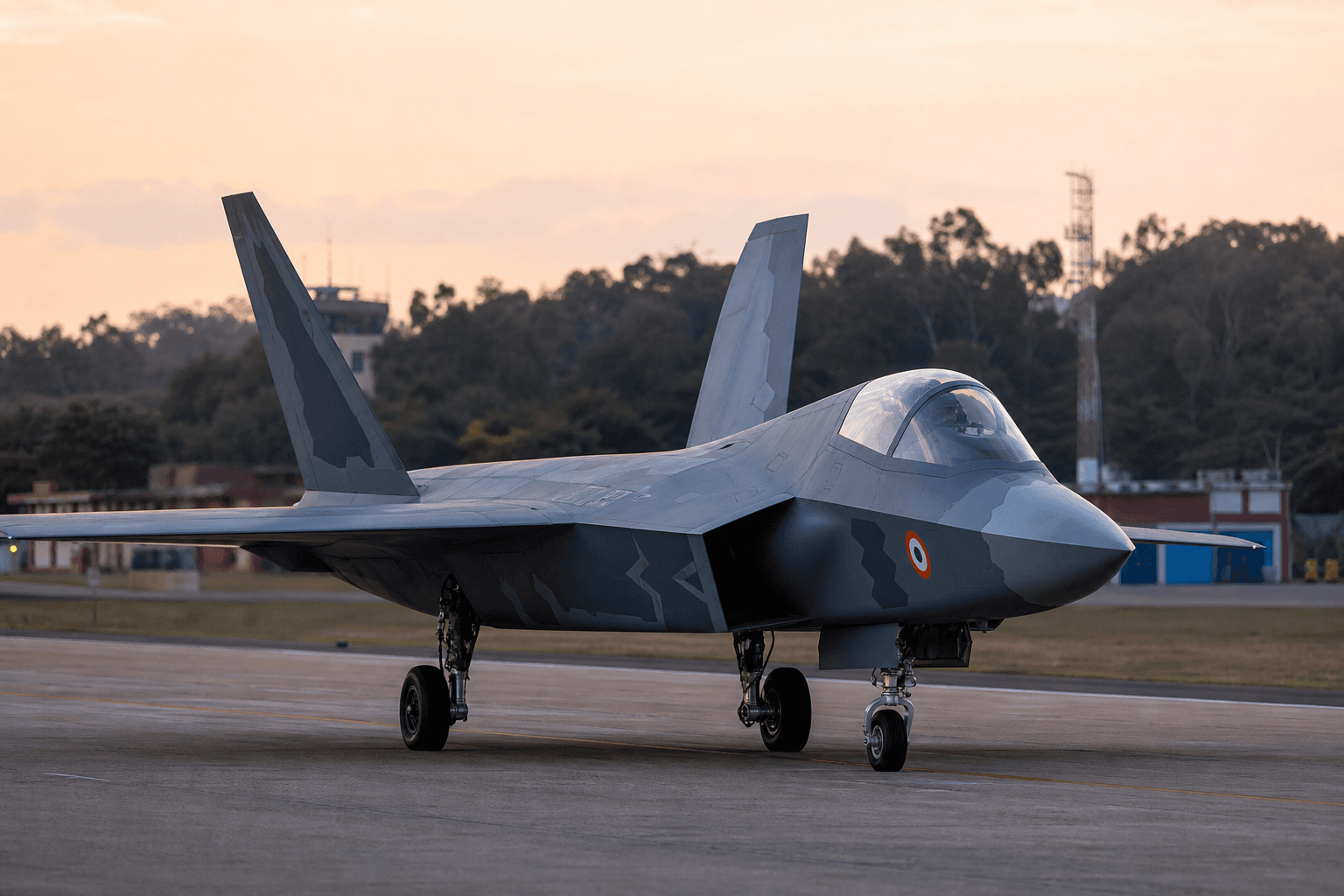
Partnership is a nod to India's desire to develop its local defence industry. Reliance and Rolls-Royce will explore the possibility of developing a fighter engine for India's planned Advanced Medium Combat Aircraft (AMCA). The two companies say they have a "strategic intent" related to designing, developing, manufacturing, and delivering an indigenous engine for the fighter. They will also explore a local production capability for the engine. "India's strategic autonomy requires sovereign capability in critical technologies," says Reliance Industries executive director Anant Ambani. "Our intent with Rolls-Royce is to combine their world-leading expertise in advanced propulsion with Reliance's technology, manufacturing, scale and execution capabilities to build an indigenous aero-engine ecosystem in India. Together, we aim to build an enduring national capability that can make India self-reliant and, over time, globally competitive in advanced propulsion technologies." AMCA has been on the drawing board for nearly two decades, with India's Aeronautical Development Agency (ADA) leading the programme. In May 2025, New Delhi cleared a plan that will allow private sector players to bid to work with ADA developing the jet: in the past, state-owned Hindustan Aeronautics (HAL) would have been tapped as the exclusive developer. Initially, AMCA will be powered by a pair of GE Aerospace F414 INS-6 engines, with later tranches of the aircraft to be powered by a locally developed engine. In June 2023, GE Aerospace and HAL entered a memorandum of understanding for the potential production of F414s in India. Indian media reports indicate that Safran has also shown interest in a future AMCA engine. The design phase for AMCA ran between 2019-2024, and the formal development effort is to run over 10 years, with five prototypes to be built. Plans call for the first production aircraft to be delivered in 2036. The aircraft marks India's first attempt to develop a low observable aircraft, with the air force hoping to obtain 120 examples.
The Daily Touch & Go
The day's best aviation news in your inbox. Free, no spam.