

Illustration: The Touch & Go
CubCrafters Launches Carbon Cub ULT with Innovative Turbine Powerplant
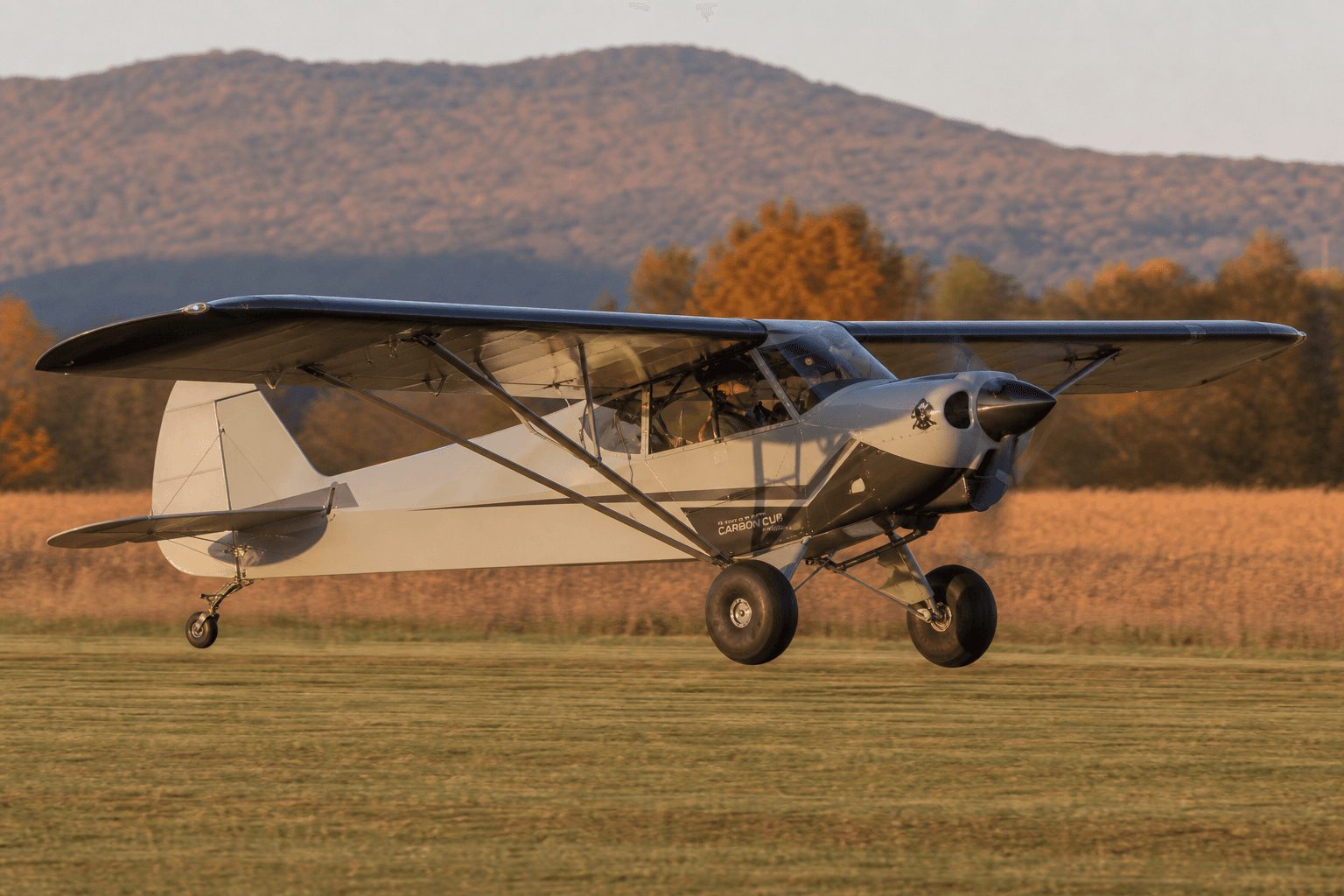
CubCrafters has introduced the Carbon Cub ULT, a turbine-powered light sport aircraft featuring TurboTech's TP-R90 engine, promising reliability and efficiency without requiring a type rating.
The gist
CubCrafters debuts the turbine-powered Carbon Cub ULT, combining backcountry capability with light sport ease and fuel-efficient turbine technology.
Continuing coverage
All Cubcrafters →CubCrafters has unveiled its latest innovation in the general aviation light sport category with the Carbon Cub ULT, powered by TurboTech’s new TP-R90 regenerative turboprop engine. The company revealed the aircraft during a recent event near Bonanza, Oregon, marking a significant advancement by integrating a turbine powerplant into a familiar airframe known for its rugged backcountry performance. The debut flight demonstrated the aircraft’s capability and design harmony, dispelling early doubts about turbine installation in this class of aircraft.
The Carbon Cub ULT shares its airframe foundations with the Carbon Cub UL, which has been powered by a Rotax 916 iS engine since 2023. Despite the shift to a turbine engine, the ULT maintains an overall empty weight of about 860 pounds and a gross weight of 1,320 pounds, allowing for a useful load of roughly 460 pounds. These specifications keep the ULT compliant with FAA’s new MOSAIC regulations for light sport aircraft, meaning it can be flown by sport pilots without additional ratings.
Brad Damm, CubCrafters’ vice president, highlighted several key performance features of the ULT during its inaugural demonstration. He emphasized that the TurboTech TP-R90 engine delivers a cruise speed of approximately 120 mph while consuming just 9 gallons per hour of Jet-A fuel, offering an efficient alternative to traditional piston engines in this category. Remarkably, the aircraft requires no type rating or special pilot endorsements, making its operation accessible to a broad pilot base.
The integration of the turbine engine involved careful design to preserve the Cub’s iconic look and functional center of gravity. Contrary to early concerns about an elongated nose or awkward cowling, the ULT’s proportions appear natural and well-balanced, consistent with CubCrafters’ reputation for meticulous airframe engineering. The fuel system was adapted to Jet-A while retaining the same wing tanks from the UL model, optimizing weight and balance management.
CubCrafters’ project began about three years ago following a pivotal conversation at the AERO Friedrichshafen airshow with TurboTech representatives. Damm recalled previous turbine-powered Cubs that burned excessive fuel rates of 30 to 40 gallons per hour, which were impractical for light sport use. The partnership with TurboTech has since produced the TP-R90 engine, boasting a 3,000-hour time between overhauls and compatibility with varied fuel options worldwide, enhancing operational reliability and sustainability.
The ULT’s development reflects a focused effort to combine turbine technology with the portability and versatility general aviation pilots desire. The lightweight design continues CubCrafters' trend of minimizing airframe weight without sacrificing strength or utility, transferring all lessons learned from the UL to this turbine variant. The company also acknowledges that operating a fabric-covered airplane powered by turbine from unimproved strips was a key engineering challenge they managed to overcome successfully.
Since the ULT’s public announcement just one week prior, CubCrafters has already received 12 deposits, with the base price set at $690,000. Damm expressed enthusiasm about the airplane’s appeal not only for its performance and efficiency but also for its unique 'cool factor.' He noted that while the ULT has sparked robust discussion within the aviation community, it presents an excellent opportunity for education and broadening the horizons of light sport turbine applications.
The Carbon Cub ULT stands as a distinct blend of traditional backcountry aircraft capability with innovative turbine propulsion, neatly packaged within the regulatory framework accommodating sport pilots. This combination could open new avenues for general aviation enthusiasts seeking turbine reliability and international fuel flexibility without the customary barriers of higher pilot certifications.
Frequently asked questions
- What engine powers the Carbon Cub ULT and what are its fuel benefits?
- The Carbon Cub ULT is powered by TurboTech's TP-R90 regenerative turboprop engine, which burns just 9 gallons per hour of Jet-A fuel, providing better fuel efficiency and worldwide fuel availability compared to piston engines.
- Does flying the Carbon Cub ULT require a type rating or special endorsements?
- No, the Carbon Cub ULT requires neither a type rating nor any special pilot endorsements. It is designed to be flown under FAA light sport aircraft rules, accessible to pilots with a sport pilot certificate.
Read more
All Sustainability →
CubCrafters debuts regenerative turbine-powered Carbon Cub ULT for backcountry flying
CubCrafters has introduced a turbine-powered version of its Carbon Cub UL, putting a French regenerative turboprop engine on the nose of one of the lightest high-performance backcountry airplanes currently in production. The Carbon Cub ULT is based on the already impressive Carbon Cub UL platform, which traces its roots to CubCrafters' long-running effort to modernize the classic Piper Super Cub. The ULT iteration replaces the UL's Rotax piston engine with a TurboTech TP-R90 regenerative turboprop. CubCrafters says the new aircraft is aimed at the FAA's MOSAIC era, which expands light-sport aircraft rules and allows new propulsion types, including turbine engines. Despite the addition of a turbine whine, however, the Carbon Cub ULT is not pitched as a faster or more powerful Carbon Cub so much as a different kind of Carbon Cub altogether: one with turbine smoothness, Jet-A/diesel fuel capability, push-button start and single-lever FADEC engine control, while retaining performance similar to the Rotax-powered Carbon Cub UL. CubCrafters announced the airplane on July 7, 2026, ahead of its planned public debut at EAA AirVenture Oshkosh this month. The company said it is accepting customer deposits, with first deliveries expected in 2027. Built for MOSAIC CubCrafters says the ULT is the first US-manufactured turboprop aircraft eligible to be flown by sport pilots under the FAA's new MOSAIC regulations. The aircraft uses the FADEC-controlled TurboTech engine to automatically manage fuel flow, ignition, engine temperatures and propeller operation. CubCrafters says pilots start the aircraft by turning on the master switch and pressing the start button, with the FADEC handling the start sequence to ease workload. The prototype cockpit shown by CubCrafters includes Garmin G3X Touch avionics, along with a dedicated turbine engine display for the TurboTech turboprop installation. Unlike a conventional small turboprop, the TurboTech engine uses a regenerative cycle. The system recovers heat from the exhaust and uses it to preheat intake air before combustion. That improves efficiency and is intended to give the engine fuel consumption closer to a modern piston engine while retaining turbine smoothness and Jet-A/diesel compatibility. TurboTech is a French aerospace company founded by former Safran engineers. Safran and GO Capital announced an investment in TurboTech in 2018, describing the company as a startup developing a new generation of turbine engines and hybrid propulsion systems. The engine has been in development for several years and has already flown in European light-aircraft applications. TurboTech engines have been flying in European ultralight aircraft including those built by Bristell, JMB and GoGetAir aircraft, as well as two helicopters. CubCrafters identifies the ULT powerplant as the TurboTech TP-R90 / R150. Its comparison page lists a power rating of 160 hp with "turbine + electric boost." TurboTech's current TP-R150 data lists a maximum output of 141 hp, eco-cruise fuel burn of about 5.0 gal/h at 50% power, a fully equipped weight of about 190 lb and a 3,000-hour time between overhauls. Advanced engineering work On paper, the ULT's published performance is close to the Rotax-powered Carbon Cub UL. CubCrafters lists both aircraft at more than 113 kt cruise speed, 28 kt stall speed, 50 ft takeoff distance and 90 ft landing distance when comparing the ULT with the higher-fuel, variable-pitch Carbon Cub UL configuration. CubCrafters has published an estimated empty weight of 880 lb, a maximum gross weight of 1,865 lb and an estimated useful load of 985 lb. The aircraft carries 44 gal of fuel and has an estimated endurance of 5.2 hours and range of 682 statute miles, or about 593 nm. CubCrafters lists estimated cruise speed at more than 113 kt, stall speed at 28 kt, takeoff distance at 50 ft and landing distance at 90 ft. The company notes that performance figures assume optimal conditions and that actual numbers will vary. The ULT has a 34 ft 3 in wingspan, 179 sq ft of wing area and seating for two. CubCrafters lists the aircraft as single-engine land and sea, with Light Sport and Experimental Amateur-Built factory builder-assist certification options. "The Carbon Cub ULT represents some of the most advanced engineering work ever undertaken at CubCrafters," said Patrick Horgan, CubCrafters President and CEO. "Bringing together regenerative turbine technology, full FADEC controls, lightweight composite construction, and our proven STOL capability into a practical backcountry aircraft demanded an incredible amount of focused innovation and refinement from our team." TurboTech CEO Damien Fauvet said CubCrafters is the company's launch partner in the United States. "CubCrafters has an exceptional reputation for innovation and engineering excellence in backcountry aviation, and the Carbon Cub ULT is an ideal platform to demonstrate the capabilities of the TP-R90 engine," Fauvet said. CubCrafters lists the Carbon Cub ULT base price as "TBD." The turbine-powered model is likely to command a steep premium over the Rotax-powered Carbon Cub UL, which starts at $293,900, according to the company's comparison page. CubCrafters said the aircraft is undergoing flight testing near its headquarters in Yakima, Washington. The company plans to display the Carbon Cub ULT at booths 272-274 during EAA AirVenture 2026.
Rolls-Royce Trent XWB and GE GEnx Engines Burn 100% SAF but Lack Certification
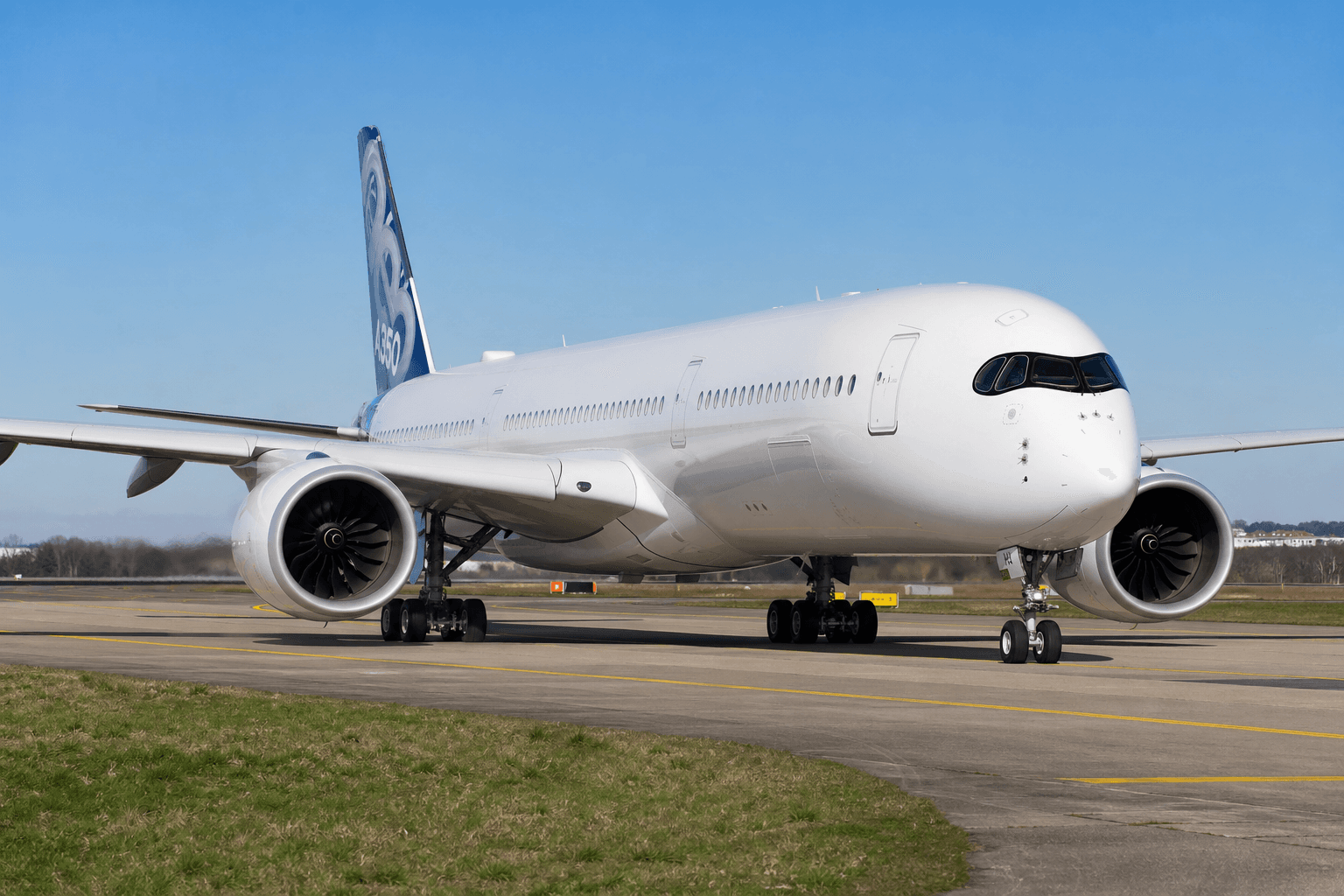
Modern widebody jet engines have reached the pinnacle of thermodynamic engineering, capable of producing immense thrust while burning cleaner alternative fuels. Manufacturers like Rolls-Royce and GE Aerospace have repeatedly shown that their flagship powerplants, including the Trent XWB and the GEnx , can operate perfectly on 100% sustainable aviation fuel during controlled demonstrations. If an airline were to attempt to pump unblended synthetic fuel into a commercial passenger flight today, the aircraft would be legally grounded.
Gulfstream and Rolls-Royce Complete First High-Altitude Flights Using 100% Sustainable Aviation Fuel
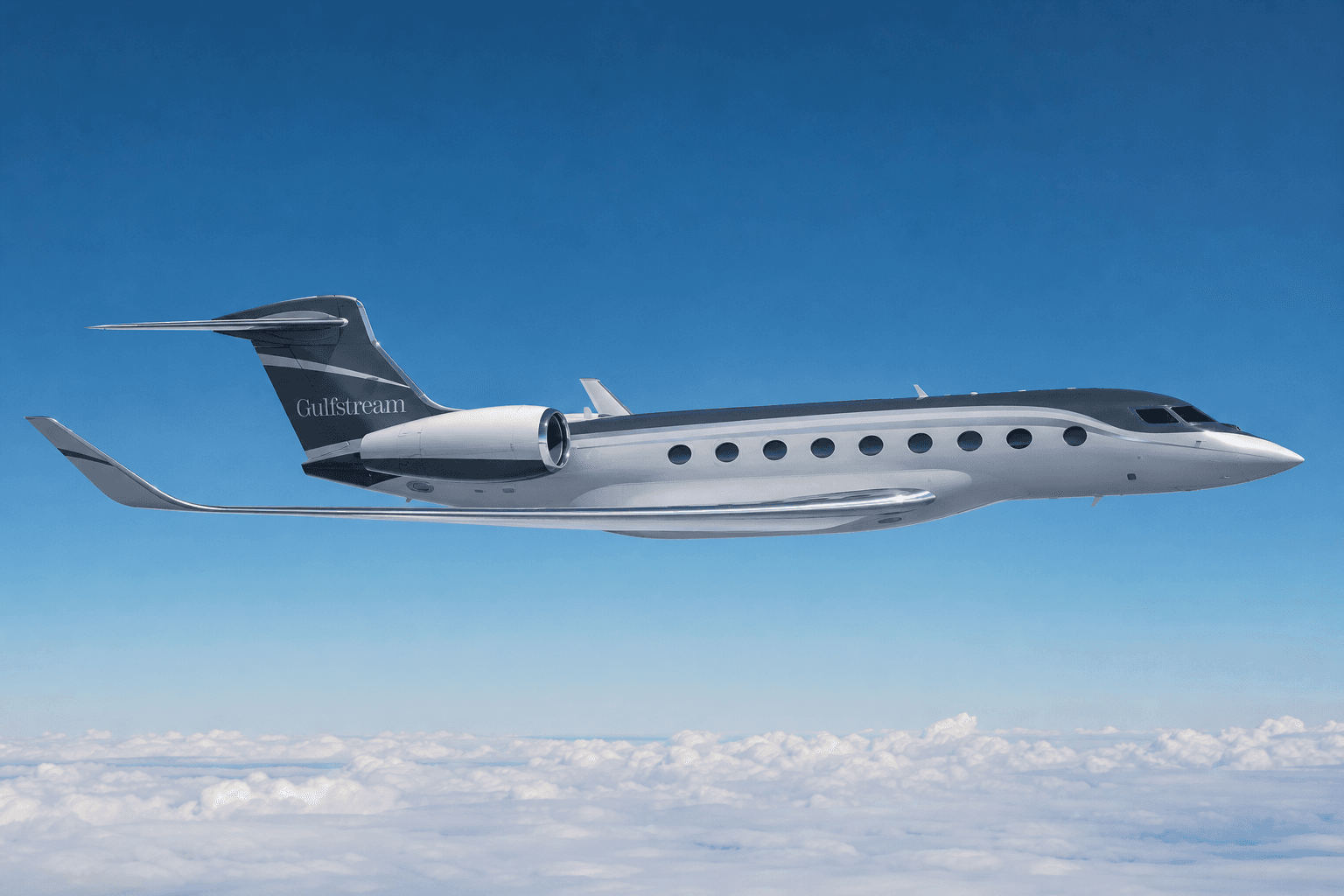
Gulfstream Aerospace and Rolls-Royce said this week that they completed a high-altitude flight-test campaign examining the emissions produced by 100% sustainable aviation fuel at altitudes up to 50,000 feet. A Gulfstream G800 powered by Rolls-Royce Pearl 700 engines conducted the flights alongside a modified G700. The G700 served as an airborne laboratory and measured particulate emissions and atmospheric conditions while flying in close formation. The campaign also marked the first G800 flight using 100% SAF. [Credit: Gulfstream] Researchers compared conventional Jet-A, low-sulfur Jet-A and 100% hydroprocessed esters and fatty acids SAF . Rolls-Royce said preliminary results showed a measurable reduction in particles that contribute to contrail formation. The FAA, NASA, German Aerospace Center and Missouri University of Science and Technology participated in the project. Although the test used unblended SAF, current fuel standards generally limit its commercial use to blends of up to 50% with conventional jet fuel, depending on the production pathway. Rolls-Royce said the campaign data will help inform future fuel standards and that demonstrating its current engines can operate on 100% SAF lays groundwork for certification.
Sydney Airport's Tight Space Requires Boeing 777X to Fold Wings at Gates
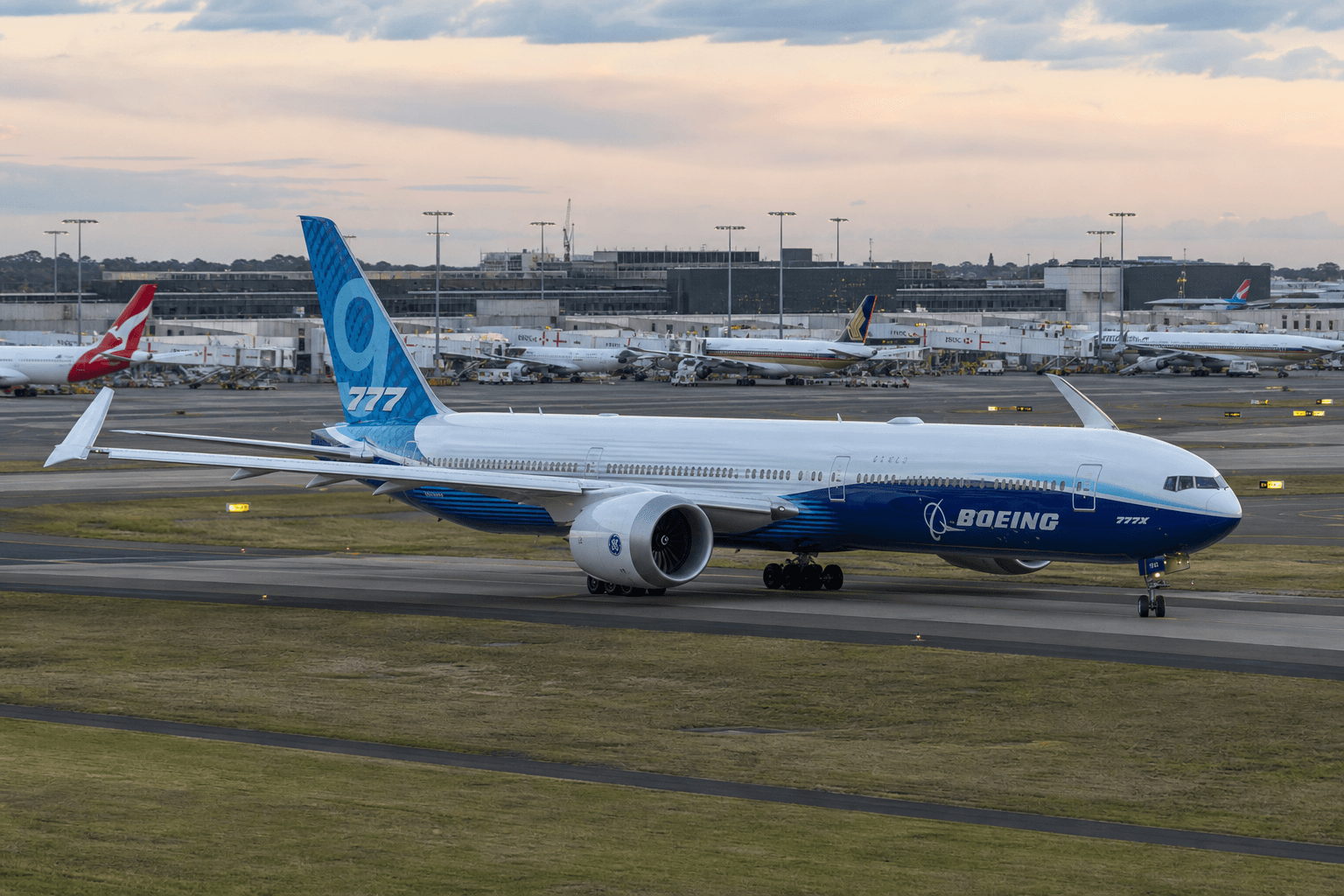
The long-anticipated Boeing 777X is almost here, and when it does finally arrive, it will begin an era of vastly different wing design to commercial aviation. To achieve unprecedented fuel efficiency, designers equipped the massive twin-engine jet with a sprawling carbon-fiber wing that exceeds standard international airport dimensions. Making the wings smaller was not an option, so Boeing opted for a very different kind of solution.
The Daily Touch & Go
The day's best aviation news in your inbox. Free, no spam.