AI-generated illustration
Airbus Eager to Launch A320neo Successor as Boeing Says Market Is Not Ready for a New Narrowbody
At a UK aerospace conference, Airbus said airlines want its Next-Generation Single-Aisle now, while Boeing said demand for a 737 Max replacement has cooled since last year.
The gist
Airbus says it is desperate to launch its NGSA narrowbody; Boeing says the market is less ready for a new jet than a year ago.
Continuing coverage
All Airbus →- Airbus Banks on 250 Year-End Handovers as A350 Directive, Cathay Order and Buyback Land at Once
- French A321XLR Maritime Patrol Program Cost Estimate Jumps 65% to EUR 4.57 Billion
- Airbus Starts Building Wing-Tip Extensions for Wing of Tomorrow Flight Tests Due in 2027
- Goyal Says Indian Airlines Could Order 1,000 More Jets as Fleet Needs Top 2,000
- Airbus and Air India Team Up on India's First Voluntary Corporate SAF Programme
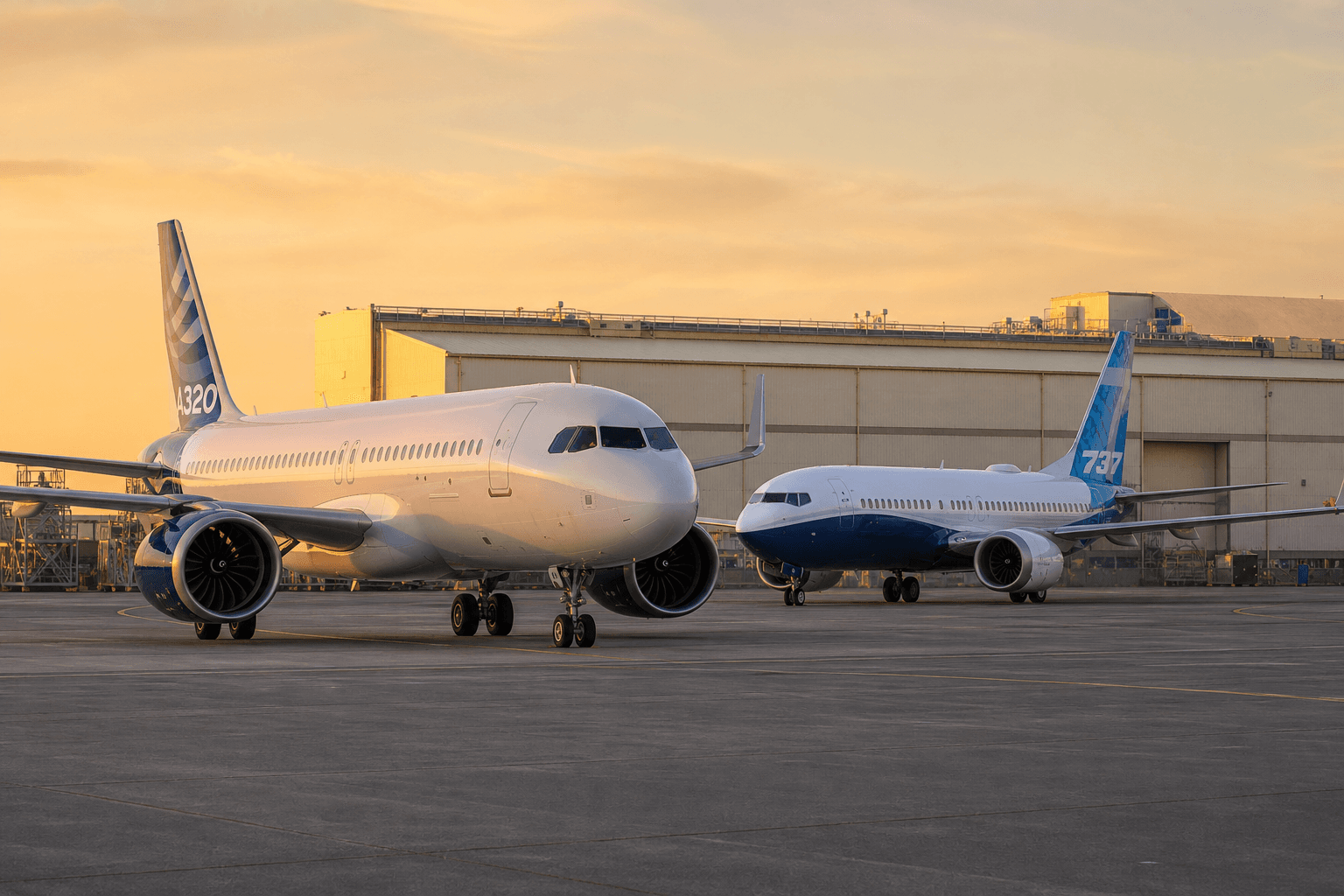
Airbus and Boeing gave sharply different readings of the market for a new narrowbody jet at the UK Aerospace Technology Institute's conference on 17 November. The European manufacturer described itself as eager to start development of an A320neo successor. Its American rival said it expects the status quo to hold for some time. The two companies appeared on the same panel, and their positions on timing barely overlapped.
Andy Reynolds, Airbus head of fuel and inerting systems, said the company is desperate to launch the aircraft, and that its airline customers are equally desperate for it to do so. He tied that demand to fuel prices, saying carriers are suffering under current costs. Airbus has started early technology maturation work and trade studies on the design, which it calls the Next-Generation Single-Aisle, or NGSA. The target is a 30% fuel-burn reduction compared with the A320neo. Airbus has previously pointed to a launch decision around the end of the decade and service entry in the second half of the 2030s.
Reynolds also set out why Airbus is holding back. The A320neo's commercial success is one reason. Airbus had 7,623 undelivered aircraft in its backlog at the end of October, an order book that runs well into the next decade. Any successor would therefore have to be built alongside the existing single-aisle for a long period. Airbus is already working toward a production rate of 75 A320neo-family aircraft per month and is wary of loading a second narrowbody onto its supply chain and its own factories.
The expected pace of the NGSA ramp-up adds to that pressure. Reynolds said that if Airbus gets the aircraft right, the market will want it very quickly. He said the new jet would need to reach rates comparable to today's single-aisle output within a few years of production starting. That leaves little room for design changes once manufacturing is under way.
Reynolds used the A350 as a comparison. On that widebody, he said, Airbus changed almost everything in the fuel system between first flight and service entry. He said the NGSA cannot follow that path, and that its systems must be mature at first flight rather than at entry into service. Earlier programmes typically had 10 or 20 aircraft built before the type entered service. With the NGSA, Reynolds said, Airbus could have built potentially hundreds of aircraft by then, meaning any problem could require retrofits across hundreds of jets.
Delivering gains across the airframe, wing, engines and systems large enough to hit the fuel-burn target, while also supporting a fast production ramp, makes the business case very hard to close, Reynolds said.
Boeing is more cautious. Chief executive Kelly Ortberg has said the company will launch a 737 Max successor only once its balance sheet, technology readiness and market demand line up. Bill Carter, Boeing's vice-president of innovation strategy, said on the panel that Boeing sees the same hurdles as Airbus in maturing new airframe and propulsion technology, and in the industrial system and workforce needed to build a new aircraft. He said Boeing will have to think differently about how it manufactures aircraft, and that work is under way to quantify what is possible.
Where the two companies split is on demand. Carter said Boeing does not see the market as ready, and judges it less ready this year than last. He pointed to continuing supply chain sluggishness and problems within Boeing's own production system. Last month Ortberg disclosed that wing production problems were holding back Boeing's effort to reach 47 737 Max aircraft per month by year-end and to meet the programme's 2026 delivery target.
Carter said his three years at Boeing have taught him that customers want their aircraft. Boeing's data shows a backlog of 4,654 737 Max jets, plus another 365 aircraft in an accounting category for deals it does not consider firm. Carter said higher delivery rates would both meet customer commitments and help repair the company's balance sheet, letting airlines serve markets they already know they can access.
Originally reported by FlightGlobal
Read more
All Airlines →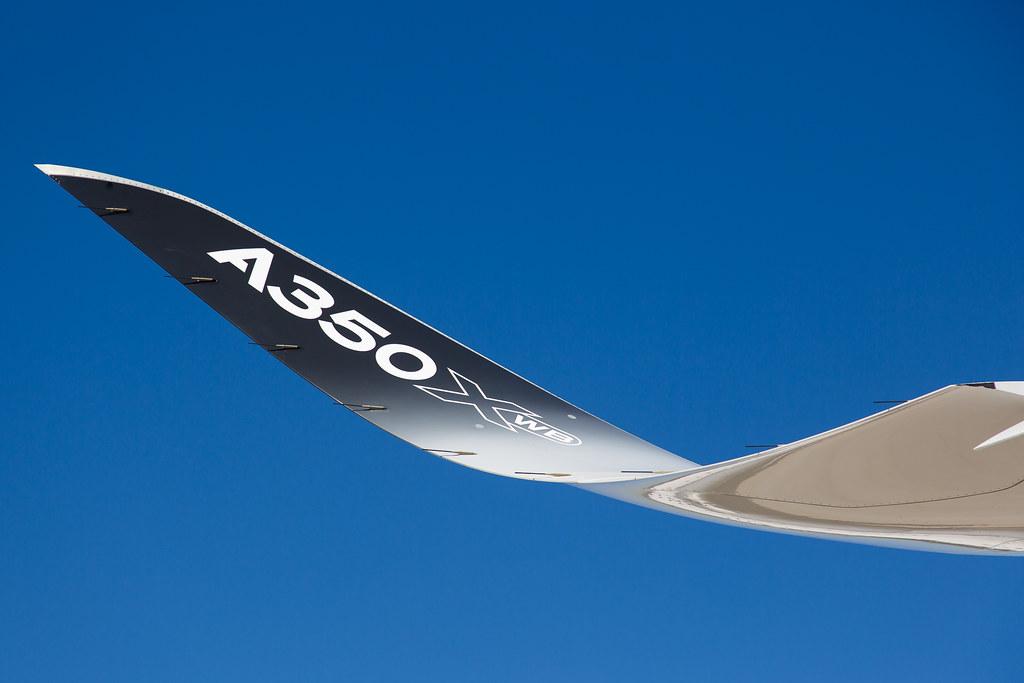
Airbus Banks on 250 Year-End Handovers as A350 Directive, Cathay Order and Buyback Land at Once
Airbus says every aircraft it needs to meet its 2026 delivery goal is already in final assembly or on delivery lines, as an EASA directive on the A350 and a €5 billion buyback add to a busy November.
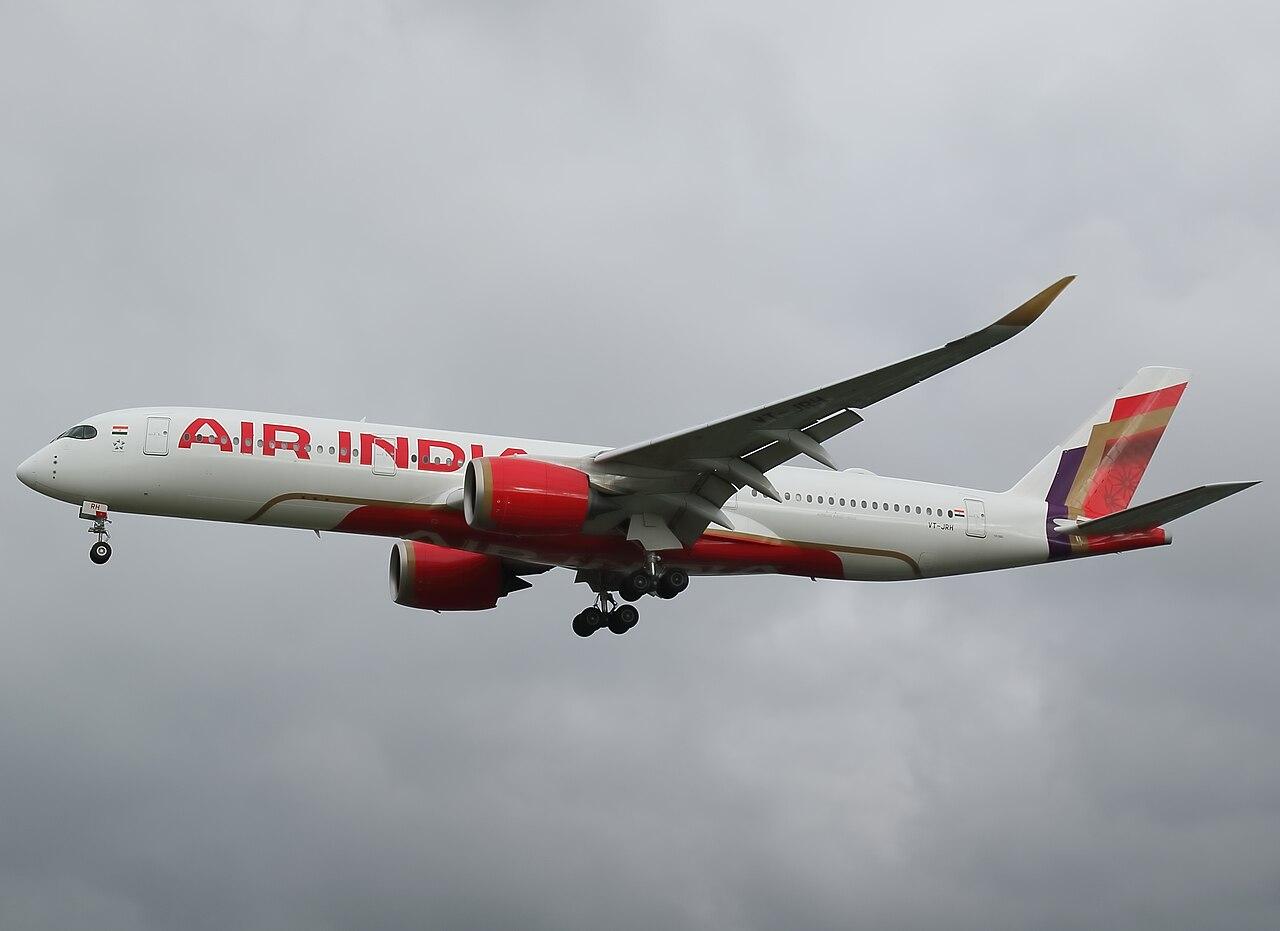
Air India Drops Rome Fuel Stops and Restores Non-Stop Delhi and Mumbai Flights to New York and Newark
With airspace restrictions easing, Air India is again flying all four of its India to New York-area routes without technical stops, cutting journeys from about 22 hours to roughly 17.
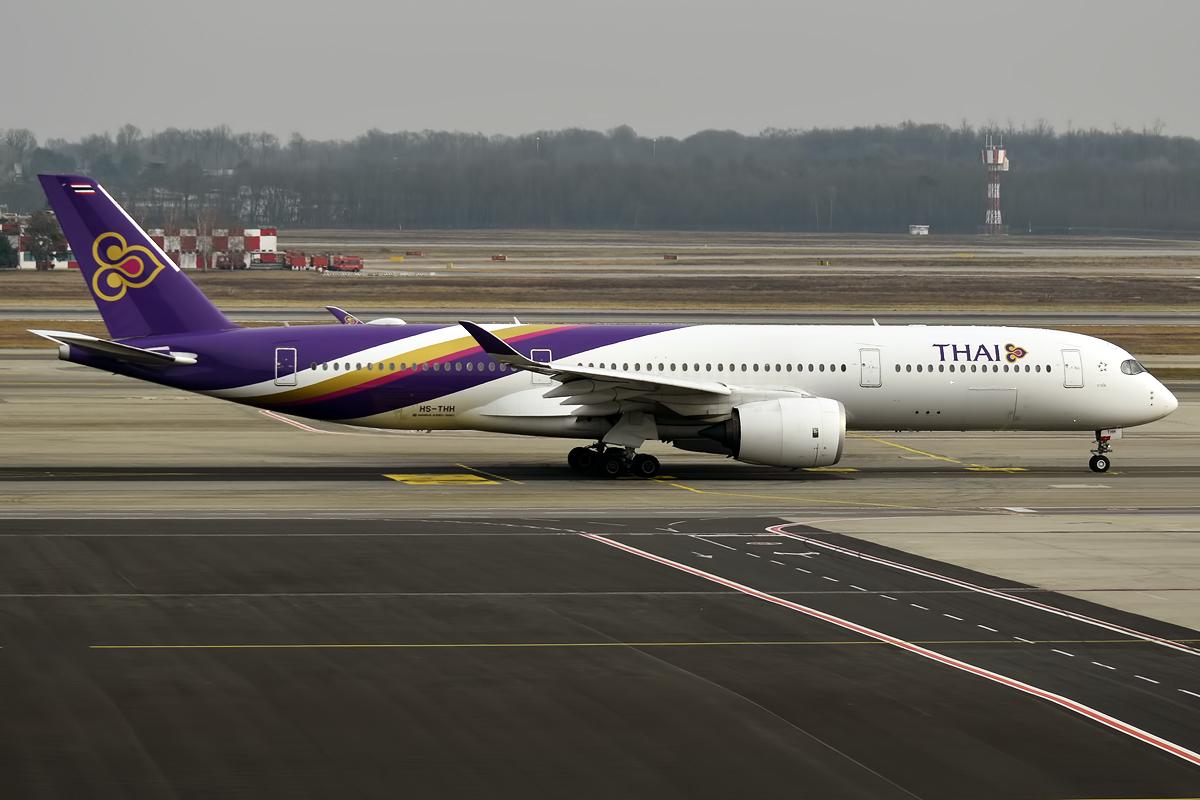
Thai Airways Slides to Third-Quarter Net Loss as Fuel Bill Jumps 57% and Bangkok Floods Disrupt Flying
Thai Airways International lost Bt432 million in the July-September quarter, reversing a Bt4.4 billion profit a year earlier, as fuel costs surged and September flooding in Bangkok grounded and delayed flights.
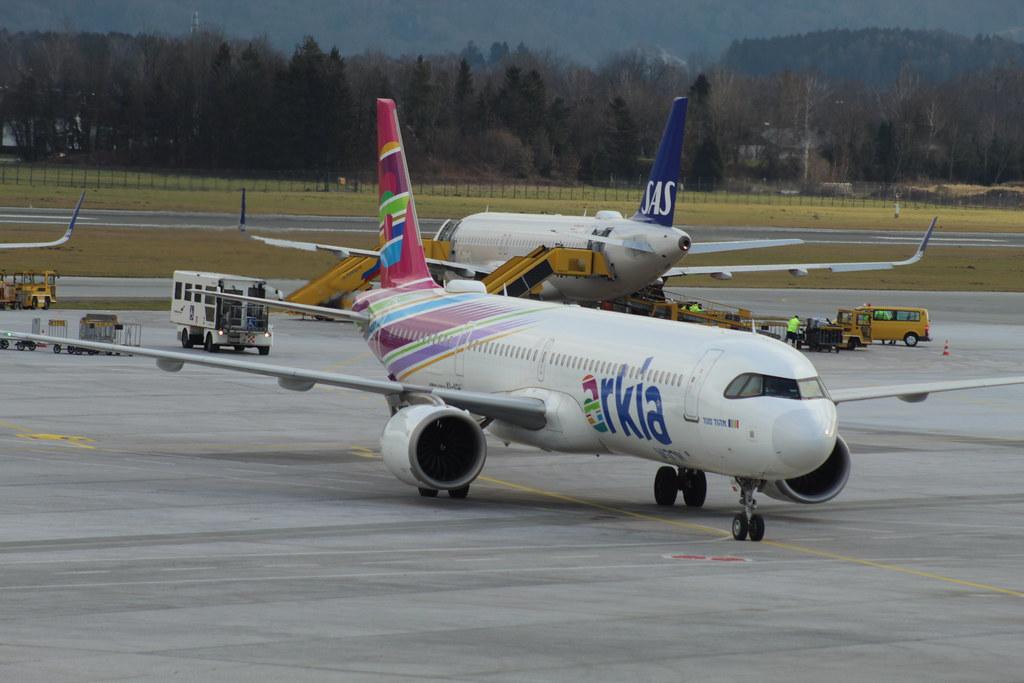
Entrepreneur Ronen Elad Agrees to Buy Arkia After Staff Block Consortium Sale
Ronen Elad is set to take an 82% stake in Israeli carrier Arkia, ending the Nakash Group's two-decade ownership after employees rejected an earlier consortium deal.
The Daily Touch & Go
The day's best aviation news in your inbox. Free, no spam.