


Instructors urged to share genuine praise to boost pilot learning and retention
Flight instructors who actively acknowledge student progress with meaningful praise enhance the learning process and reinforce pilot skill mastery.
The gist
Active and authentic praise from flight instructors strengthens pilot learning and memory retention in training sessions.
Continuing coverage
All Flight Training →- Part 141 Flight Schools Require Approved Airports for Cross-Country Flights to Count
- Texas Cadet Sebastian Vargas Becomes 200th Private Pilot Funded by Ray Foundation Through CAP
- Cirrus Launches TRAC10 Training Aircraft for Professional Flight Schools
- Cirrus Unveils TRAC10 Trainer Designed to Revolutionize Professional Flight Schools
- Student Pilot Safely Lands Cessna 150 After Instructor's Mid-Air Jump in Argentina
In-flight instruction plays a pivotal role in shaping a pilot’s capabilities, yet the nuanced dynamics of instructor feedback remain an underappreciated factor in effective flight training. When learners successfully demonstrate a mastered skill or absorb a critical piece of aeronautical knowledge, an instructor’s response can significantly affect the trainee's motivation and retention. The practice of offering genuine praise, such as recognizing that check ride standards have been met, not only celebrates achievement but also cements learning outcomes.
The psychological underpinning is straightforward: praise serves as a reinforcement mechanism. It stimulates memory and helps anchor acquired skills more deeply than mere verbal corrections or neutral acknowledgment would. Learners who receive positive feedback tied to specific milestones experience an increase in confidence and engagement, which translates into better performance in the cockpit. This effect is akin to how reward-based learning enhances retention in other high-stakes disciplines.
Despite this, some certified flight instructors (CFIs) may default to merely indicating errors or moving swiftly to the next training task without fully acknowledging progress. This missed opportunity overlooks a fundamental principle in education—that recognition of achievement validates effort and encourages continued improvement. The enthusiasm and satisfaction that comes from effective teaching are amplified when instructors visibly share in the student’s success rather than remaining detached observers.
The reciprocal nature of praise is also noteworthy. When a learner observes their flight instructor’s genuine delight and affirmation, a learning bond strengthens, fostering a supportive environment conducive to open communication and risk-taking in training. Such an atmosphere enables students to confront complex maneuvers with reduced fear of failure, promoting quicker and more robust mastery of skills fundamental to aviation safety.
Meg Godlewski, a veteran CFI and aviation journalist, highlights how praise can range from a simple but sincere ‘good job’ to more technical affirmations like confirming compliance with check ride metrics. Both hold value in reinforcing progress but vary in approach according to the trainee’s personality and stage of learning. Tailoring feedback to fit individual needs maximizes its motivational benefits and makes milestones more meaningful.
Beyond individual training sessions, embracing a culture where accomplishments are recognized aligns with broader efforts to improve pilot proficiency across the industry. Consistent positive reinforcement may reduce dropout rates from flight training programs and encourage pilots to pursue recurrent training with greater enthusiasm. As flight training evolves with new technologies and syllabi, maintaining human elements such as constructive praise remains essential.
Institutionalizing this practice does not require new resources but a conscious mindset shift among instructors. Training organizations might consider incorporating guidance on effective feedback techniques into instructor development programs. Facilitating peer discussions about the impacts of praise on student outcomes can normalize this behavior and highlight best practices.
This approach also benefits CFIs by enriching their teaching experience. Sharing the joy of a learner’s success provides intrinsic rewards that can counteract instructional burnout. Celebrating moments of achievement enhances job satisfaction and reaffirms the vital role instructors play in shaping the next generation of aviators.
Ultimately, the interplay between student achievement and instructor recognition forms a symbiotic relationship underpinning successful flight training. When instructors actively praise progress, they help solidify a pilot’s competence and passion for flying — essential qualities in the demanding environment of aviation.
Read more
All Flight Training →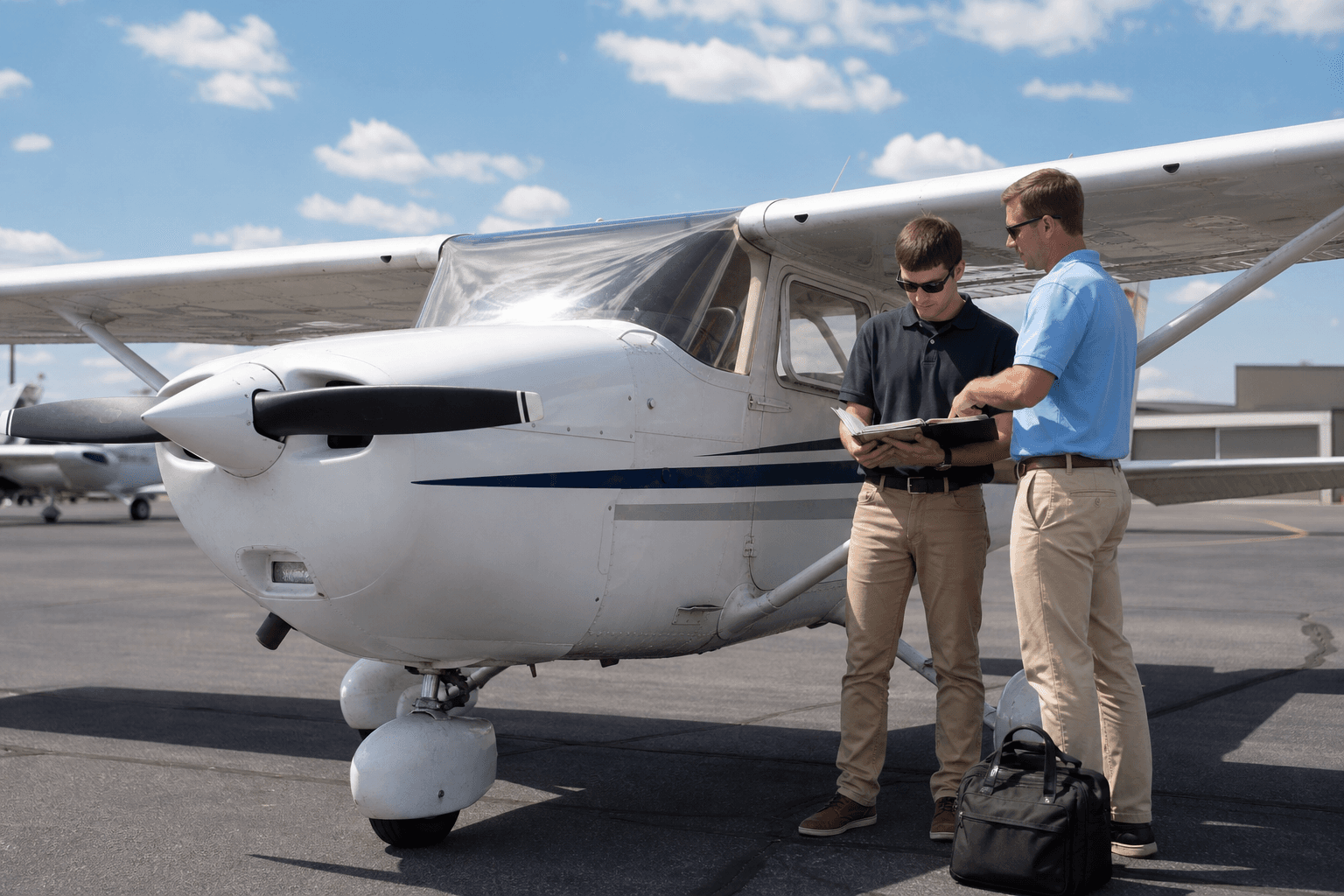
Pilots urged to secure renters insurance amid limited owner policy coverage
Many pilots who rent or borrow aircraft assume that the FBO, flight school, or aircraft owner's insurance will protect them if something goes wrong. Unfortunately, that is not always the case.
USIM Expands From Aviation English Training to Air Traffic Controller Education in Midwest
Versatile simulation tool is now helping student pilots and future ATCs navigate complex, high-pressure scenarios.
Natalie Wilson, Ray Scholar and EAA Member, Achieves Solo Flight Milestone at 17
By Kim Wilson Congratulations to Natalie Wilson, EAA 1535824, EAA Chapter 71 member, for completing her solo flight! Natalie is 17 years old, a high school senior, and a Ray Aviation scholar. She's also a member of two build-a-plane groups, taking college classes toward a degree in aviation management, and an EAA Air Academy alumni, […]
Embry-Riddle's Proposed Flight Training Facility at Deep Woods Ranch Faces Local Opposition
Residents have voiced concerns about noise, traffic, and environmental impact as the proposal moves through local review.
The Daily Touch & Go
The day's best aviation news in your inbox. Free, no spam.