

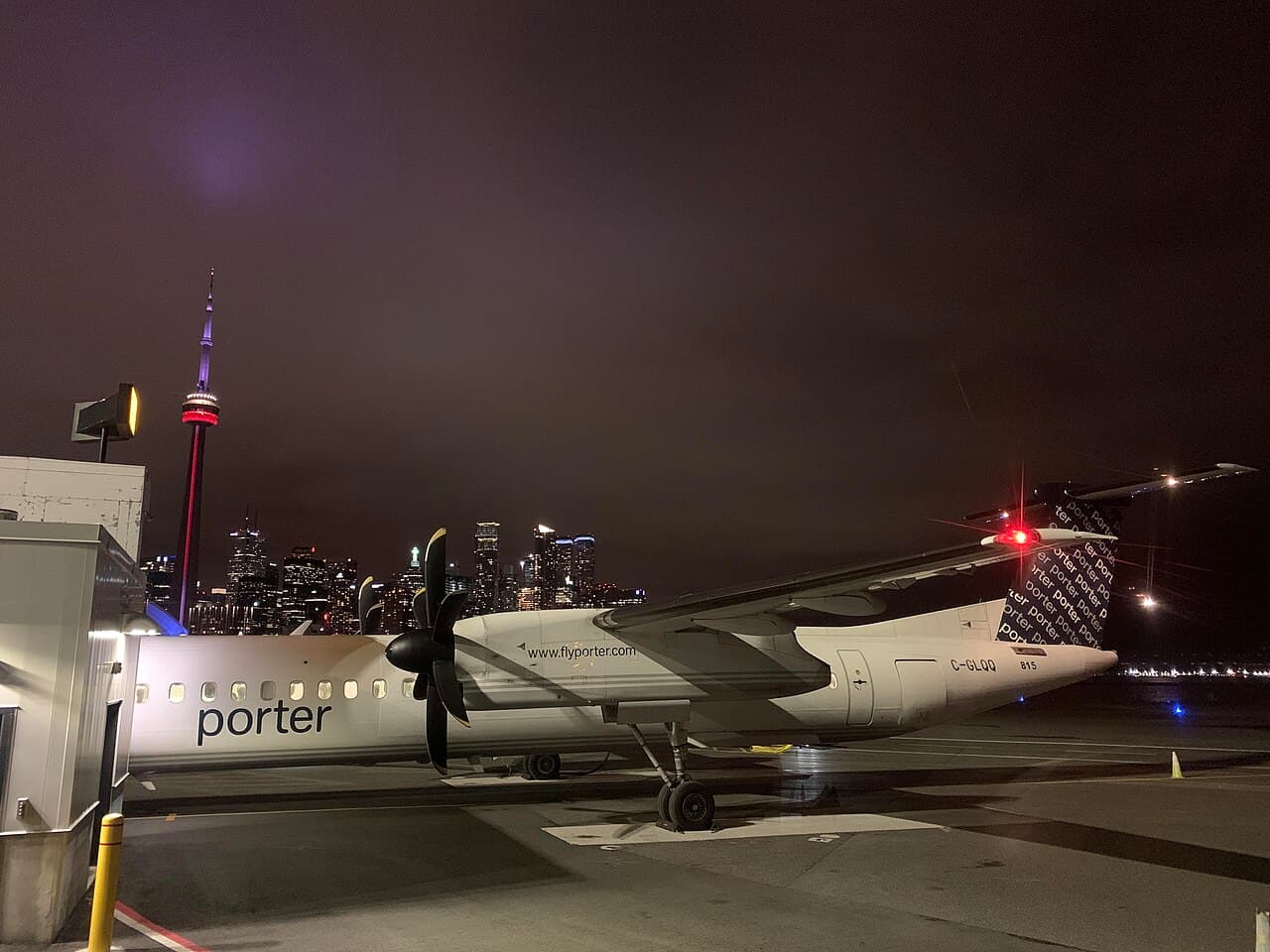
Image: Fayuyang · CC BY-SA 4.0 · via Wikimedia Commons
Air Transat Completes Turnaround Program Amid Lingering Financial Challenges
Air Transat reported completing its Elevation turnaround initiative with C$100 million in operating income gains but still faces losses from rising costs and operational setbacks.
The gist
Air Transat’s Elevation program delivered targeted cost savings but financial pressures persist, reflecting ongoing challenges for the Canadian leisure carrier.
Continuing coverage
All Porter Airlines →Air Transat, a major Canadian leisure airline recognized for linking North America to vacation spots in Europe, the Caribbean, and Latin America, recently announced the completion of its Elevation turnaround program. This initiative, started in September 2024, aimed to boost the airline's operating income by C$100 million within 18 months through efficiency and cost improvements. Despite achieving the financial target set for mid-2026, Air Transat continues to face significant economic hurdles that challenge its path to sustained profitability.
Known for winning Skytrax’s World’s Best Leisure Airline award seven times by 2025, Air Transat is undergoing a strategic shift from a traditional point-to-point leisure model to a more network-oriented carrier. This transformation is part of efforts to rebuild after several years marked by financial difficulties, worsened by the global pandemic and subsequent operational suspensions. In 2025, parent company Transat A.T. posted its first annual profit since 2018 with a net margin influenced by a large accounting gain, but the operating margin remained razor-thin at 0.29%, showing that core profitability remains fragile.
Air Transat’s financial struggles date back several years. After profitability in 2018, rising expenses eroded margins, and a planned acquisition by Air Canada in 2019 fell through after regulatory hurdles and pandemic disruptions. The pandemic forced repeated flight suspensions and reliance on substantial Canadian government emergency funding exceeding C$700 million, underscoring the airline’s vulnerability. Recovery began in 2023 but was stymied in 2024 by Pratt & Whitney engine problems that grounded several Airbus A321LRs and forced costly capacity replacements during a weakening market.
In response, the Elevation program was introduced to structurally improve the business. According to Transat’s April 2026 quarterly report, nearly all planned initiatives completed achieved the C$100 million operating income improvement target. However, this benefit represents an accumulation of improvements rather than a neat annual earnings increase. Meanwhile, the airline’s Q2 2026 results showed a decline in adjusted EBITDA to a C$21 million loss and a net loss of C$79 million, driven by higher fuel costs, flight suspensions to Cuba, compensation issues related to engine faults, and increased labor costs following a new pilots’ collective agreement.
In addition to internal cost measures, Air Transat expanded its strategic partnership with Porter Airlines to enhance its network connectivity. Launched in 2023, this joint venture leverages Porter’s robust Canadian domestic feeder routes into Air Transat’s long-haul services from key hubs in Toronto and Montreal. Executives highlighted that the partnership strengthens connecting traffic flows and helps reduce seasonal demand fluctuations, with capacity increases up to 15% during lower demand months like May.
A significant operational challenge looming for Air Transat is the replacement of its aging Airbus A330 fleet. The airline operates 15 A330 aircraft averaging over 20 years old, benefiting from low ownership costs due to dry leasing, which eases financial pressure during seasonal dips in utilization. Still, escalating maintenance costs and higher fuel consumption associated with older aircraft are increasingly burdensome. The company must soon decide on the next generation of long-haul widebodies to sustain its evolving network and profitability.
Air Transat’s transformation journey highlights the complexities leisure carriers face in balancing cost control, network expansion, and fleet modernization amid market volatility. While the Elevation program marks a milestone in operational turnaround, the airline’s recent results reveal ongoing exposure to fuel price volatility, technical disruptions, and labor cost pressures. How Air Transat navigates its fleet renewal alongside expanding partnerships will significantly influence its ability to cement profitability in the competitive leisure aviation sector.
In summary, Air Transat has made measurable progress in restructuring its operations and boosting earnings through focused initiatives. Yet, its core business remains challenged by macroeconomic factors and operational headwinds that translated into a widened quarterly loss in mid-2026. The airline’s strategic moves, notably with Porter and fleet decisions, will be crucial for sustaining the modest gains achieved and securing a viable future in a demanding market environment.
Frequently asked questions
- What was the goal of Air Transat's Elevation program?
- The Elevation program aimed to improve Air Transat's operating income by C$100 million within 18 months through efficiency measures, cost control, and revenue growth initiatives.
- What financial challenges did Air Transat face in 2026 despite the Elevation program?
- In Q2 2026, Air Transat reported a C$21 million adjusted EBITDA loss and a C$79 million net loss due to higher fuel costs, flight suspensions to Cuba, Pratt & Whitney engine issues, and increased pilot wages.
- How does the partnership with Porter Airlines benefit Air Transat?
- The joint venture with Porter Airlines enhances Air Transat's network by providing domestic feeder traffic to its long-haul routes, helping mitigate seasonality and support revenue growth through improved passenger connectivity.
Read more
All Airlines →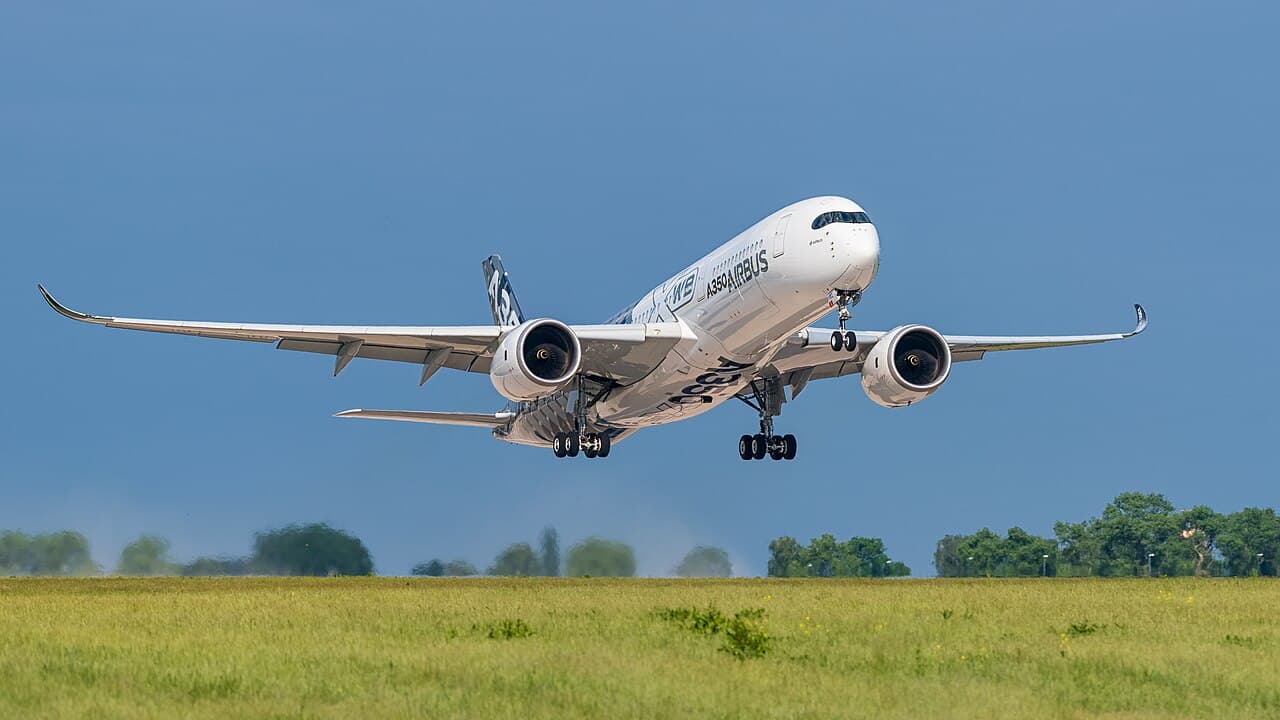
Airbus Outpaces Airlines in A350 Deliveries Amid Production and Cabin Fit-Out Challenges
On paper, the global widebody market is in the midst of an unprecedented golden age of demand, with order books stretching deep into the next decade. Inside European assembly halls, a curious operational friction has emerged where widebody airframes are rolling off production lines faster than major international carriers can get them into active service. This mismatch between industrial output and operational slot readiness is a rare sight in modern aviation, where building the aircraft is no longer the hurdle; finding an open delivery slot and getting cabins completed is.
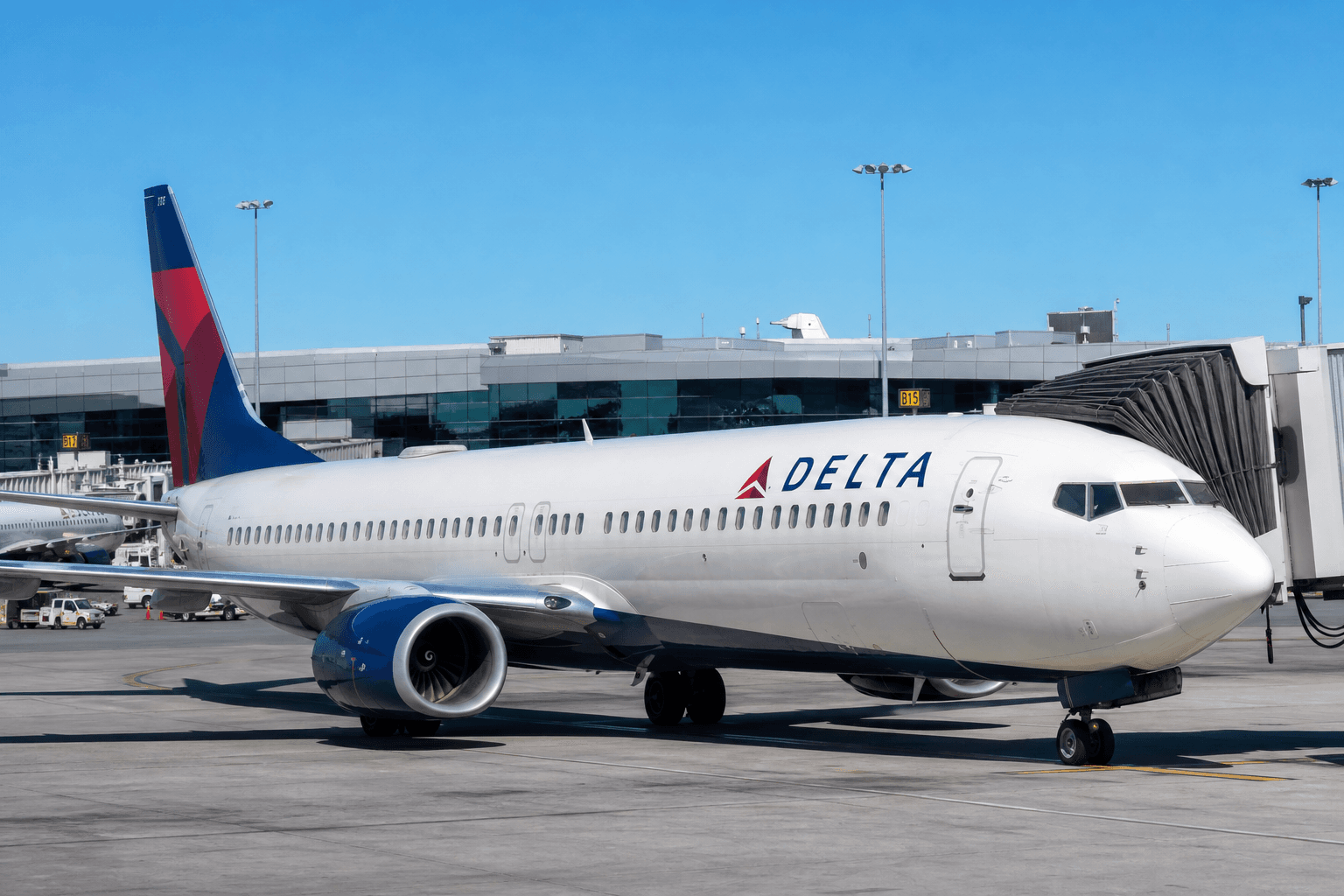
Delta CEO Ed Bastian Often Chooses Economy to Hear Real Passenger Experience
The key to Delta Air Lines' success in recent years has been the premium brand it has built. The carrier's identity today centers around Delta One Suites, glass doors, and a wine list created by master sommeliers that includes far too many bottles to count. The man behind that strategy, for the most part, is Delta Air Lines CEO Ed Bastian. However, he is not sitting behind those doors as you might expect. Rather, he is often in the Main Cabin or perhaps Comfort+.
US Flight Attendant Pay Scales Split Sharply Between Legacy and Regional Airlines
Flight attendants have received new contracts and wage increases at all three US legacy carriers over the past few years, allowing salaries to keep up with inflation and reflect the demanding nature of the work. American Airlines' cabin crew received a new contract in 2024, while United Airlines flight attendants ratified a new contract in May 2026. Delta Air Lines flight attendants are not unionized, but they too have been receiving pay increases and benefits that are competitive with the other two.
American Airlines Flights Clash Near Phoenix Due to Duplicate Flight Numbers
Two American Airlines flights using the same flight number were airborne near Phoenix at the same time, on the same air traffic control frequency, and one accepted instructions meant for the other. The planes never lost required separation, but the communications close call highlights a strange problem facing major carriers: in a codeshare-heavy world, airlines are running out of usable flight numbers.
The Daily Touch & Go
The day's best aviation news in your inbox. Free, no spam.