

Illustration: The Touch & Go
Russia's Hypersonic Lead Fades as Global Powers Advance 6th-Gen Fighters
Despite pioneering operational hypersonic weapons, Russia now struggles with fifth-generation fighters while the US, China, and Europe develop next-gen combat aircraft.
The gist
Russia's early hypersonic edge contrasts sharply with lagging progress on sixth-generation fighters as rivals push ahead globally.
In 2017, Russia announced operational deployment of the Kh-47M2 Kinzhal, a hypersonic missile capable of speeds up to Mach 10, marking it the first country to field such a weapon. Russian President Vladimir Putin heralded Kinzhal as a revolutionary capability altering military balances by evading current missile defences and striking targets over 2,000 kilometers away. This early breakthrough positioned Russia as a technological frontrunner in hypersonic arms, attracting global attention and concern.
The Kinzhal's classification as an air-launched ballistic missile propelled to hypersonic speeds placed Russia ahead of Western nations still testing experimental systems. However, some analysts note it does not employ boost-glide technology like US and Chinese hypersonic efforts, indicating Russia’s lead was pioneering but possibly limited in future potential. Nonetheless, operational status confirmed Russia's initial dominance in hypersonic weapons development.
Since the hypersonic shock, global military aviation has shifted towards sixth-generation fighters, envisioned as integrated platforms incorporating artificial intelligence, autonomous drones, and networked combat operations. The United States unveiled the F-47 fighter under its Next Generation Air Dominance initiative, while Europe progresses dual programs — FCAS and GCAP — aiming to replace frontline fighters. China has also demonstrated several prototypes, including the J-36 and J-50, illustrating a multi-front global race in 6th-gen technology.
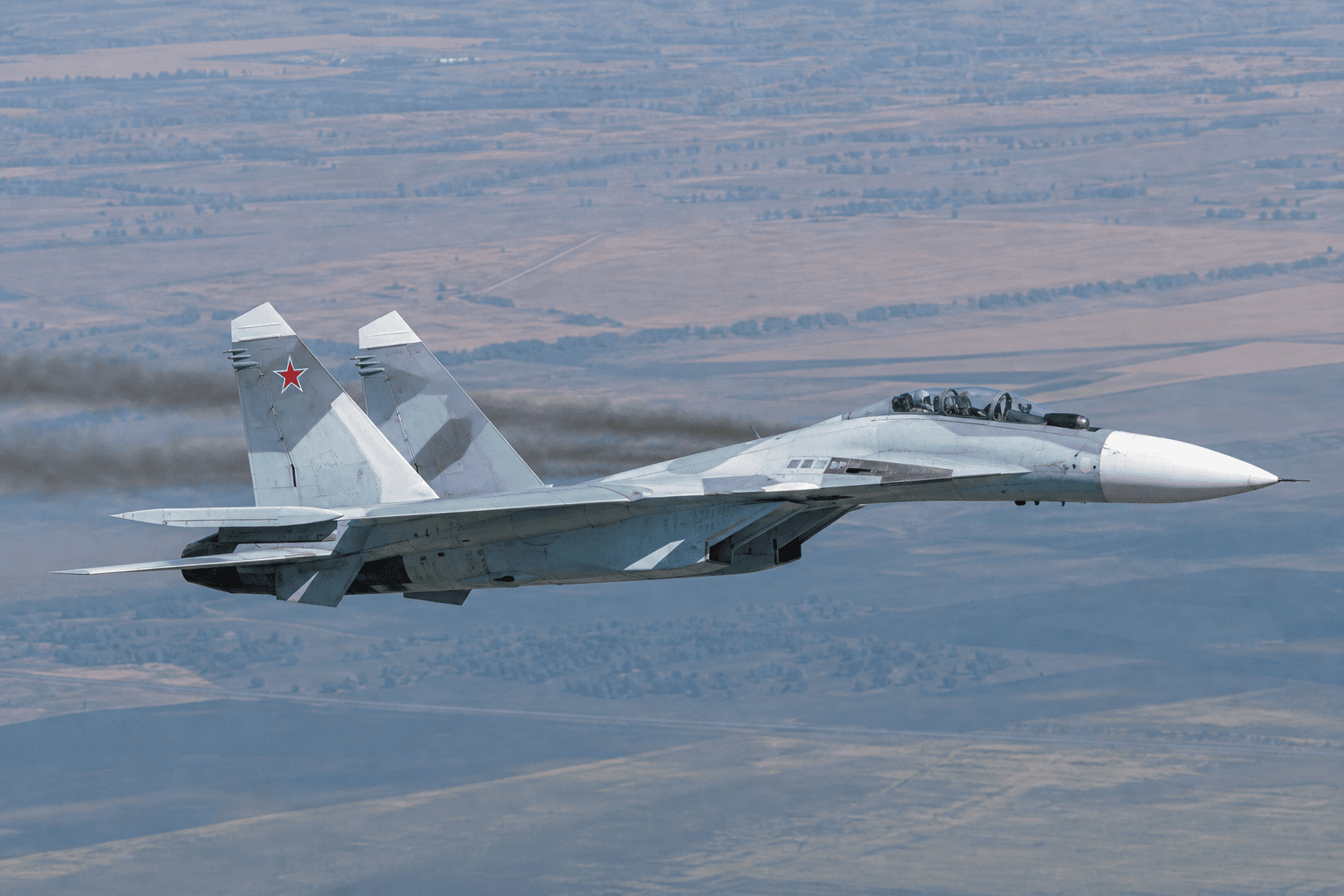
In contrast, Russia remains concentrated on advancing its fifth-generation Sukhoi Su-57, originally conceived as a competitor to the US F-22 and later F-35. Production continues years after initial introduction, but at a rate below expectations, leaving Russia behind nations now testing sixth-generation designs. Rather than pioneering new technological concepts, Russia is still addressing the operational challenges of previous-generation fighters.
The Su-75 Checkmate, unveiled in 2021, was intended as a more affordable fifth-generation option to supplement the Su-57 and demonstrate Russia’s aerospace innovation despite economic strains. Promising to attract export customers and serve as a technological stepping stone to sixth-gen development, the Checkmate’s progress has been repeatedly delayed from a targeted first flight in 2023 to now possibly 2026, with current prototypes reported still under construction.
These delays underscore systemic industrial and technological difficulties that impede Russia’s modernization efforts. While rivals fly and test new concepts, Russia remains occupied with moving existing fifth-generation platforms toward operational status, losing ground on next-generation capabilities. Of particular concern, reports highlight Checkmate’s radar system falling short of advanced performance criteria with a detection range inferior even to legacy 3rd-generation fighters, raising doubts about the program’s viability.
These challenges arrive amid intensified sanctions and ongoing conflict in Ukraine, which have strained Russia’s industrial base and technological supply chains. Such pressures compound difficulties completing sophisticated military projects, slowing innovation and limiting access to critical components required to build advanced fighters. This context further aggravates Russia’s widening gap compared to its global competitors developing sixth-generation aviation technology.
Russia’s initial hypersonic weapon success no longer translates into sustained aerospace leadership. While early operational status projected Russian technological might, persistent developmental setbacks in advanced fighters illustrate a growing disparity. The continuing lag in transitioning beyond fifth-generation aircraft places Russia in a precarious position as other powers operationalize increasingly sophisticated air combat platforms.
Read more
All Military/Defense →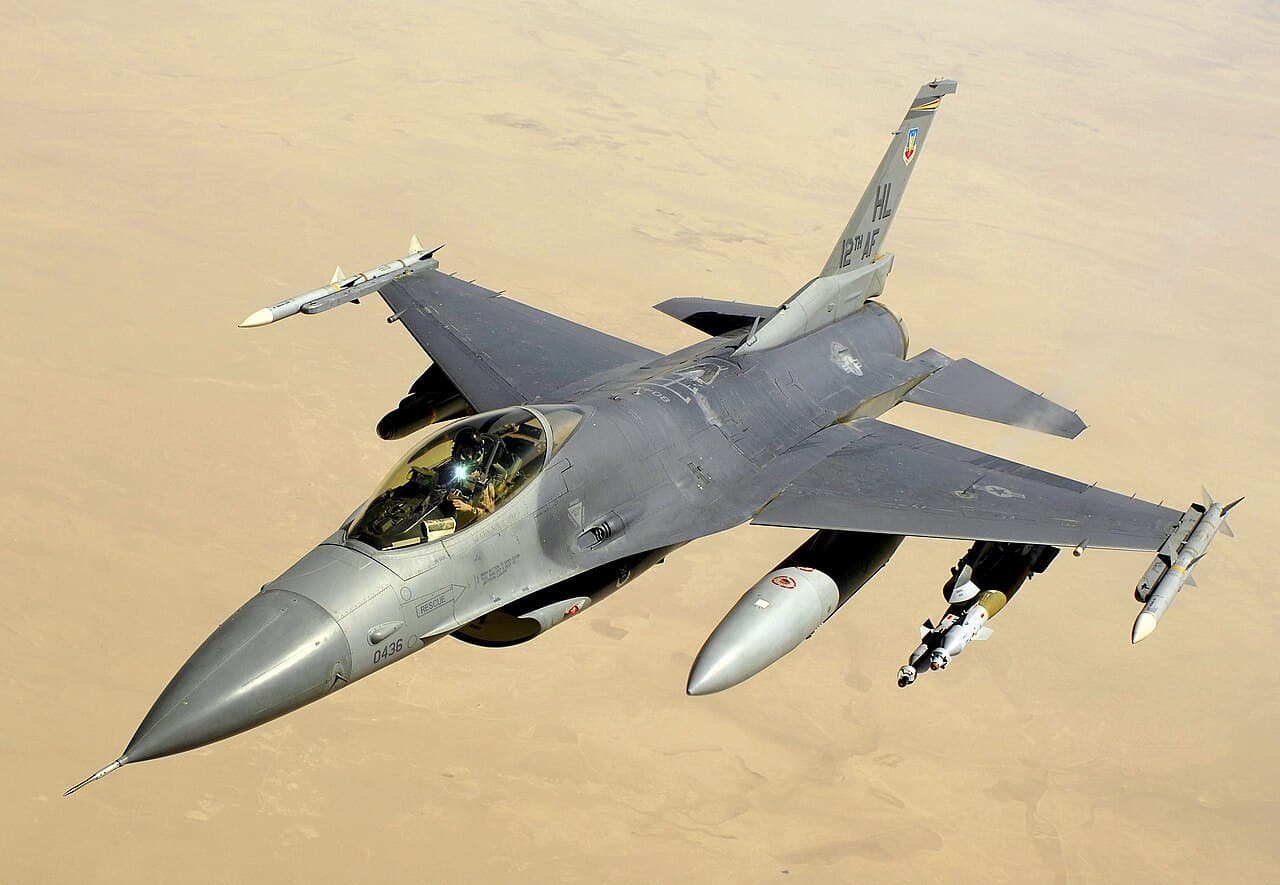
F-16 Viper Gets Major Combat Boost with New AN/APG-83 AESA Radar Upgrade
The Lockheed Martin F-16 Fighting Falcon, also known as the Viper, is no longer the premier lightweight fighter jet of the US Air Force, but it is far from irrelevant. As a much less expensive airframe than the more exquisite F-35 Lightning II, the Viper continues to roll off the assembly line. It is the most mass-produced supersonic fighter jet still in production today, with more than 4,500 examples having been delivered. Now, the existing fleet is also getting a major lethality upgrade in the form of the Northrop Grumman AN/APG-83 Scalable Agile Beam Radar.
Turkish Aerospace confident Kaan fighter prototypes will fly by end 2026 with US-engine deliveries approved
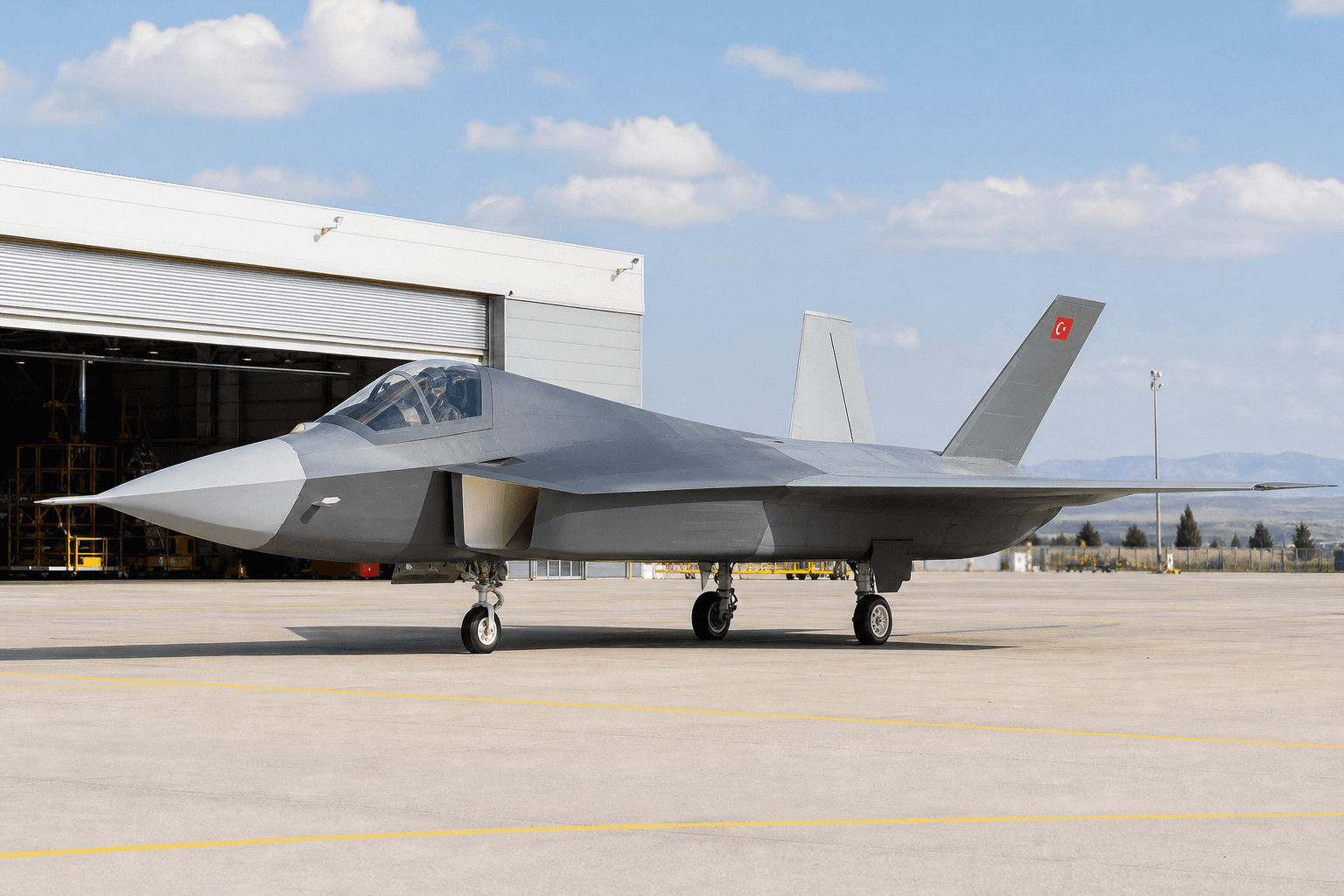
Turkey’s ambitious Kaan fighter is set to enter a new phase of testing, with export approval for US-made F110 engines apparently in hand. The Turkish Aerospace (TAI) Kaan fighter programme is on track to meet its delivery schedule, with test flights of two prototypes before the end of 2026. Both the P1 and P2 prototype aircraft will be airborne before the end of year, says Mehmet Demiroglu, chief executive of Turkish Aerospace. He indicates that ground tests have already started with the aircraft. "We are waiting for a number of tests to be completed," says Demiroglu. "We are hoping that it's going to be in a couple of months that we will see [the first Kaan prototype] flying. On the second one, our goal is to also fly by the end of the year. Two Kaans will be flying by the end of year…that's our goal, and let's hope that's the case." Demiroglu spoke to FlightGlobal at the 2026 Farnborough air show. The P1 and P2 prototypes will kick testing into full gear. A demonstrator aircraft already flew in February 2024. The Kaan is powered by a pair of GE Aerospace F110 engines, but deliveries of 80 additional engines were held up owing to US sanctions related to Ankara’s earlier procurement of a Russian S-400 air defence system. TAI already had possession of 10 engines for use on Kaan prototypes prior to the restrictions. Demiroglu confirms that the US Congress has approved the export licence for the engines, and the company is now working with GE to secure the powerplants. The Trump administration recently approved Turkey's acquisition of "dozens" of F110 engines for use on the Kaan, although some congressional lawmakers have questioned the arrangement. Deliveries had been held up owing to US CAATSA (Countering America's Adversaries Through Sanctions) legislation. The CAATSA action was triggered in 2019 by the S-400 purchase, a decision that also saw Ankara booted from the Lockheed Martin F-35 programme. "Since these engines are for serial production, which is at least two, two and half years away, we will have no issue receiving those engines in time to support our serial production for the Turkish air force," says Demiroglu. He adds that the first Kaan delivery should be on track for 2028, although he concedes that the Kaan is a "challenging programme”. A specific delivery timeline for the F110 engines remains murky. A senior member of the Foreign Relations Committee in the US House of Representatives says the turbofans will "not be delivered for years". Initial Block 10 and Block 20 Kaan jets will use the F110 engine, but subsequent Block 30/40 examples will use the locally made Tusas TF35000 engine from 2032. Demiroglu also confirmed that industrial collaboration is also underway with Indonesia, which has orders for 48 Kaan fighters . While this may not lead to a Kaan assembly line in the Southeast Asian country, Indonesia's aerospace sector will be part of the aircraft's supply chain and will also support other TAI programmes. TAI is in discussion with Jakarta about offsets related to the Kaan order. It has 60 people working in Indonesia, with this number set to grow. "Kaan is the future of the Turkish air force," he adds. "It is a programme that will continue for the next 20 to 30 years."
US Air Force Retires 119 F-15Es as Saudi Arabia Invests $5 Billion to Upgrade F-15SA Fleet
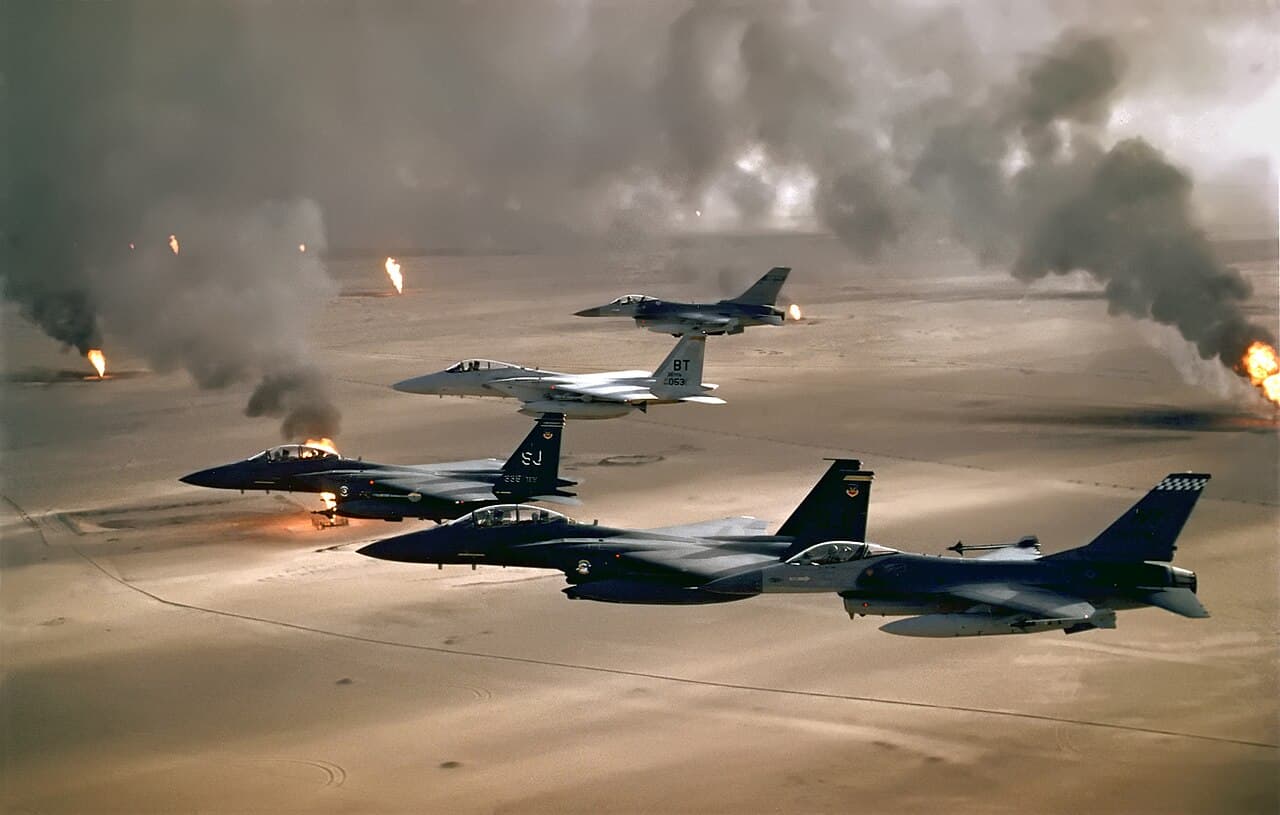
In February of this year, the State Department approved a foreign military sale for the Kingdom of Saudi Arabia that opens up the potential for a $3 billion fighter jet deal . Despite speculation that the Kingdom may be procuring the Lockheed Martin F-35 Lightning II, they are in fact seeking to upgrade the fleet of Boeing F-15SA Eagle air superiority fighter jets. Boeing's multi-billion dollar upgrade program is explicitly designed to close the technology gap and bring the Royal Saudi Air Force F-15SA fleet up to parity with the US Air Force's F-15EX Eagle II.
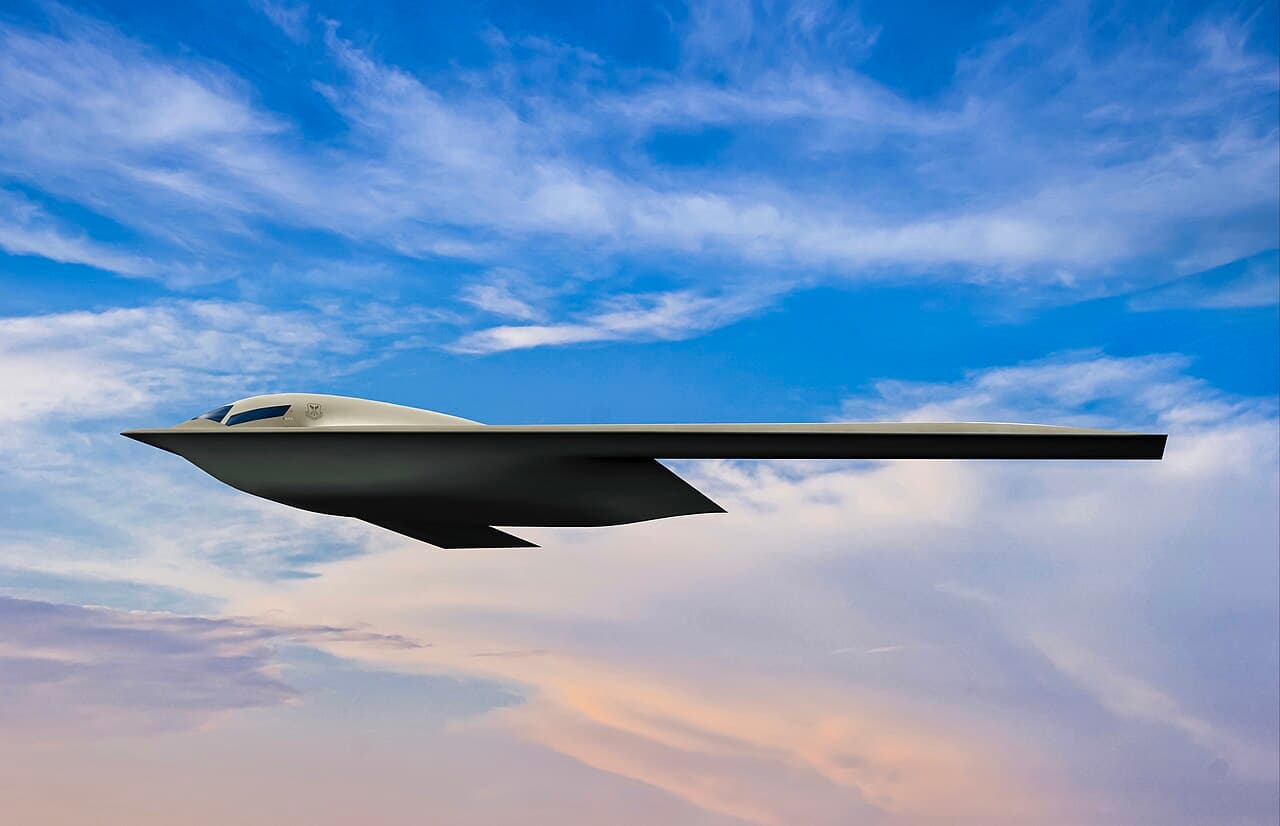
USAF to Convert B-21 Raider Test Jets Directly into Combat Bombers from 2027
The United States Air Force has a couple of test Northrop Grumman B-21 Raiders that are blurring the line between testing and fielding. The B-21 Raider is expected to enter service in 2027, making it the world's first all-new strategic bomber to enter service since the B-2 Spirit entered service in 1997. China is also working to develop its Xi'an H-20 stealthy strategic bomber, but it is unclear when it will enter service.
The Daily Touch & Go
The day's best aviation news in your inbox. Free, no spam.