

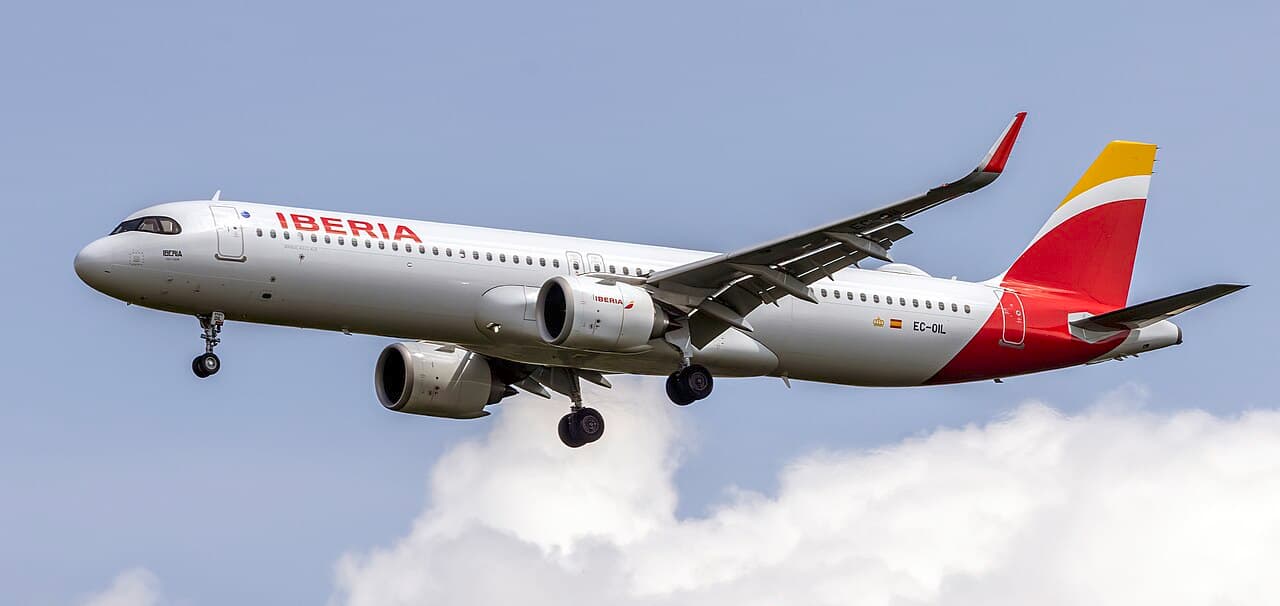
Image: Acroterion · CC BY-SA 4.0 · via Wikimedia Commons
LATAM Advances Premium Experience with New Cabins, Wi-Fi, and A321XLR Fleet Expansion
LATAM Airlines is upgrading its passenger experience with revamped cabins, extensive Wi-Fi rollout, new lounges, and upcoming A321XLR aircraft to boost regional and international connectivity.
The gist
LATAM invests heavily in premium cabins, satellite Wi-Fi, and the A321XLR to enhance service and expand its South American and international network.
Continuing coverage
All South America →LATAM Airlines Group, South America's largest airline group, is ramping up investments in both aircraft and passenger experience enhancements to strengthen its position on the global stage. At the forefront of this transformation is a comprehensive upgrade of premium cabins on long-haul aircraft, including installation of modern suites with a 1-2-1 configuration to give all business class passengers aisle access. The retrofitting project, initiated around 2019/2020, reflects LATAM's commitment to offering a world-class onboard product tailored to growing customer expectations.
Beyond business cabins, LATAM is set to introduce a new Premium Economy product named Premium Comfort. This cabin class will bridge the gap between business and economy, featuring more spacious seats arranged differently to enhance passenger comfort. Regular interior refurbishments complement this overhaul, ensuring a consistent, contemporary look and feel across the fleet. Additionally, LATAM has embarked on a significant Wi-Fi connectivity rollout, with roughly 95% coverage already installed on single-aisle aircraft and ongoing efforts to equip widebody planes. The goal is full fleet coverage by late 2027.
The connectivity initiative is a standout $60 million program employing ViaSat's satellite technology to equip LATAM's entire long-haul fleet of 60 aircraft. The first plane fitted with this infrastructure entered service in April 2026. While many airlines are pursuing SpaceX's Starlink system based on low Earth orbit (LEO) satellites, LATAM favors a multi-orbit approach integrating both LEO and geostationary orbit (GEO) satellites to optimize coverage depending on regional needs.
This upgraded technology portfolio supports LATAM's strategic aim to become the carrier of choice across South America, where it transports approximately 40% of the region's air travelers. The airline's 'Choice' value proposition offers differentiated fare classes accommodating both budget-conscious travelers seeking basic fares without checked luggage and premium customers wanting more space and amenities. In South America, LATAM's Premium Economy fares provide a notably generous product, comparable to European business class in space, with features like blocked middle seats in the front cabin rows.
A key element of fleet modernization is the upcoming arrival of 13 Airbus A321XLR aircraft, secured in 2022. These long-range narrowbodies will enable LATAM to open new international routes exceeding eight hours in duration. Configured with two classes and business class suites, the A321XLRs will offer 12 lie-flat seats, expanding LATAM's ability to serve longer, medium-capacity markets. While originally planned for Lima, Peru, the aircraft may be deployed from Brazilian cities such as Brasilia and Fortaleza due to changes in Peruvian aviation taxes.
Complementing its Airbus fleet, LATAM also plans to introduce up to 74 Embraer E195 jets to increase connectivity within Brazil, especially between smaller cities. These aircraft will operate a single cabin with a premium economy section in the front rows, enhancing comfort on regional routes. The addition of Embraer jets reflects LATAM's strategy of tailoring aircraft capacity and cabin products to match diverse market demands effectively.
Alongside hardware upgrades, LATAM has revitalized its soft product offerings. In December 2025, the airline relaunched its business class service across all international flights with inspiration from Latin American culture reflected in cabin aesthetics, catering, and amenity kits. The catering service was structured into distinct courses to enhance passenger dining experience, and new blankets, pillows, and amenity kits have been introduced featuring regionally inspired designs.
LATAM also formed partnerships with emerging female chefs from the region to develop its inflight menus, aiming to support and spotlight underrepresented talent in the culinary world. This initiative aligns with the airline's broader commitment to culture and diversity in its premium service. Moreover, LATAM claims to offer the region's best inflight entertainment platform, LATAM Play, providing a wide selection of audiovisual content comparable to global standards. This platform is available on seatback screens of the main long-haul fleet and selected narrowbody aircraft.
These coordinated investments in aircraft, technology, and service innovations underscore LATAM's multi-year effort to enhance passenger experience, expand route networks, and maintain leadership in a complex and competitive Latin American aviation market. The significant upgrades coming online between now and 2027 position the airline to offer a compelling blend of connectivity, comfort, and cultural resonance to domestic, regional, and international travelers alike.
Frequently asked questions
- What new cabin products is LATAM Airlines introducing on its fleet?
- LATAM is upgrading its long-haul business class cabins with 1-2-1 suites providing aisle access and will introduce a new Premium Comfort economy class as an intermediate product between business and economy.
- Which aircraft types is LATAM using to expand its network and improve connectivity?
- LATAM has ordered 13 Airbus A321XLRs for longer narrowbody routes and up to 74 Embraer E195 jets primarily for regional Brazilian connectivity.
- What technology is LATAM implementing for onboard Wi-Fi connectivity?
- LATAM has partnered with ViaSat for a $60 million satellite connectivity project using GEO satellites, aiming for full fleet Wi-Fi coverage by the end of 2027, with a multi-orbit approach considered for future enhancements.
Read more
All MRO/Maintenance →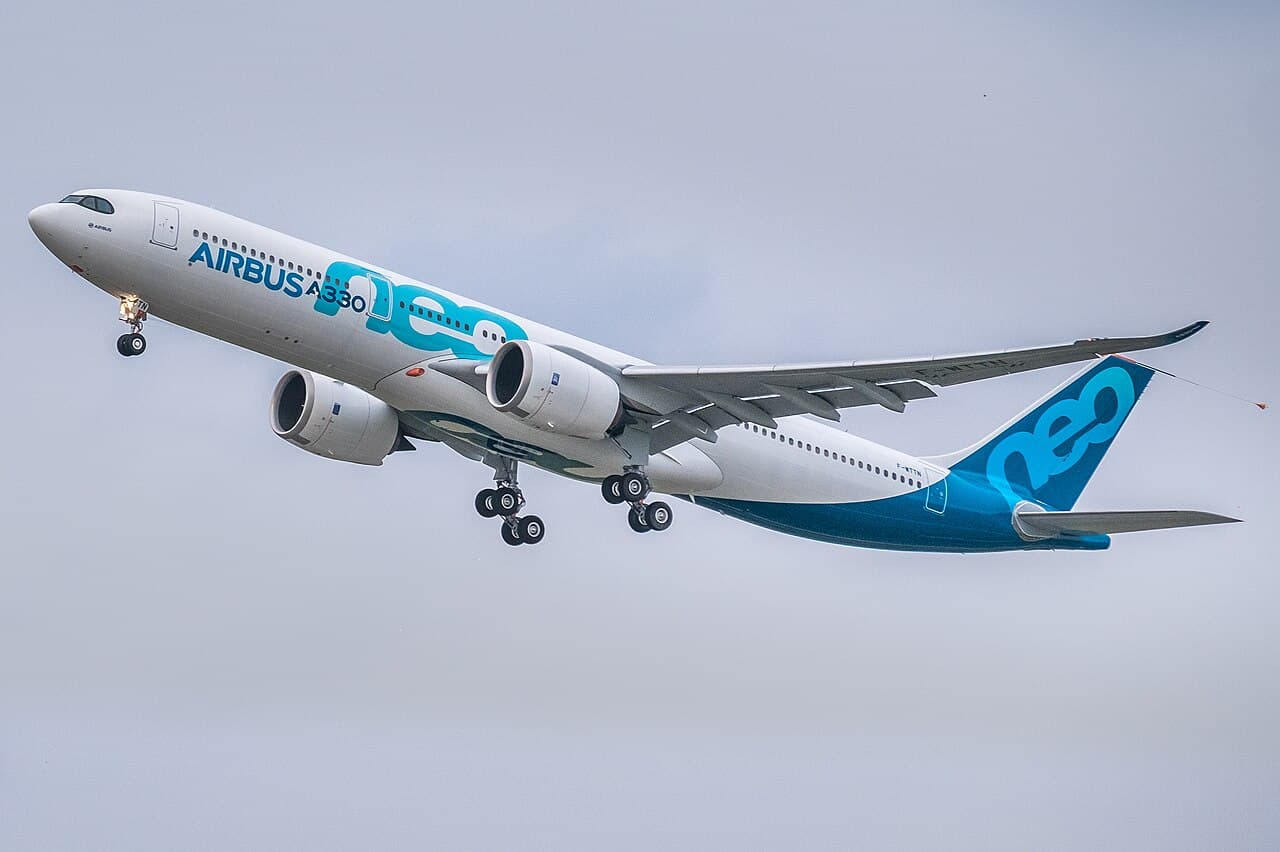
flynas expands Airbus fleet with 25 new A330-900 and A321neo jets
Saudi Arabia’s leading low-cost carrier, flynas, has firmed up a significant new order with Airbus. Announced at the Farnborough Airshow on 22 July 2026, the deal includes five additional A330-900 widebody aircraft and 20 more A321neo narrowbody jets. ezstandalone.cmd.push(function () { ezstandalone.showAds(119); }); This move boosts flynas’ expansion plans and deepens its long-term partnership with Airbus. The latest commitment raises flynas’ total orders for the A330neo family to 20 aircraft. It also increases its A321neo orders to 56. ezstandalone.cmd.push(function () { ezstandalone.showAds(127); }); Overall, the airline now holds firm commitments for 235 Airbus aircraft out of a broader orderbook of 280. This all-Airbus strategy supports efficient operations as demand for air travel grows across the Kingdom and beyond. Supporting Saudi Arabia’s Ambitious Growth Vision flynas currently operates 67 Airbus aircraft, including two A330-300s, four A320ceos, and 61 A320neos. The new orders will help the airline expand from its six operating bases in Saudi Arabia. They also strengthen capabilities for flynas Syria and open doors to new domestic, regional, and long-haul routes. ezstandalone.cmd.push(function () { ezstandalone.showAds(128); }); Bander Almohanna, Chief Executive Officer and Managing Director of flynas , highlighted the strategic importance of the deal. “This step is aimed at ensuring the sustainable growth of the flynas fleet over the coming years,” he said. Almohanna noted that the additional aircraft will improve access to new markets. They will also reinforce flynas’ role in advancing Saudi Arabia as a global tourism and travel hub. ezstandalone.cmd.push(function () { ezstandalone.showAds(129); }); The order directly supports key national goals. These include the Pilgrim Experience Program, which improves access to the Two Holy Mosques. It also aligns with major upcoming events such as Expo 2030 and the FIFA World Cup 2034. By increasing capacity, flynas contributes to the Kingdom’s economic transformation and Vision 2030 objectives. Photo Credit: flynas Performance Benefits of New Aircraft Airbus’ latest-generation aircraft deliver strong advantages for a low-cost carrier like flynas. The A321neo, the largest member of the popular A320neo Family, provides excellent operating economics and extended range. ezstandalone.cmd.push(function () { ezstandalone.showAds(130); }); This flexibility allows airlines to serve a wide variety of regional and medium-haul routes efficiently. Operators enjoy at least 20% lower fuel consumption and CO₂ emissions compared to previous-generation models. These savings help reduce costs while supporting environmental targets. The A330-900, powered by Rolls-Royce Trent 7000 engines, offers even greater capabilities. It can fly up to 8,100 nautical miles (15,000 kilometres) non-stop. ezstandalone.cmd.push(function () { ezstandalone.showAds(131); }); The aircraft also achieves around 25% lower fuel burn, CO₂ emissions, and operating costs versus older competitor widebodies. Passengers benefit from enhanced comfort on longer journeys. Benoît de Saint-Exupéry, Airbus Executive Vice President Sales of Commercial Aircraft , welcomed the order. “This additional order from flynas highlights the continued appeal of Airbus’ latest-generation aircraft,” he said. “The A321neo and A330neo deliver outstanding efficiency, performance and passenger comfort. We are delighted to support the Kingdom of Saudi Arabia as it continues its ambitious aviation growth journey.” ezstandalone.cmd.push(function () { ezstandalone.showAds(132); }); Photo Credit: flynas A Growing Partnership in a Booming Market This deal reflects the rapid expansion of Saudi Arabia’s aviation sector. Airlines in the Kingdom are placing large orders to meet rising tourism numbers and economic diversification goals. flynas’ commitment to an all-Airbus fleet ensures high reliability, common pilot training, and maintenance efficiencies across its growing network. As Saudi Arabia positions itself as a major global travel destination, carriers like flynas play a vital role. The combination of narrowbody flexibility for shorter routes and widebody range for long-haul services creates a balanced fleet ready for future demand. ezstandalone.cmd.push(function () { ezstandalone.showAds(133); }); The firming up of these options into firm orders demonstrates strong confidence in both the aircraft and the market outlook. With modern, fuel-efficient planes, flynas is well-positioned to grow sustainably while offering affordable fares and reliable service to passengers across the region and further afield. This latest agreement marks another milestone in flynas’ journey. It reinforces Airbus’ strong presence in the Middle East and underscores the bright future for aviation in Saudi Arabia. ezstandalone.cmd.push(function () { ezstandalone.showAds(134); });
Boeing Forecasts Nearly $5 Trillion Market for Aviation Services and 2.4 Million Jobs by 2045
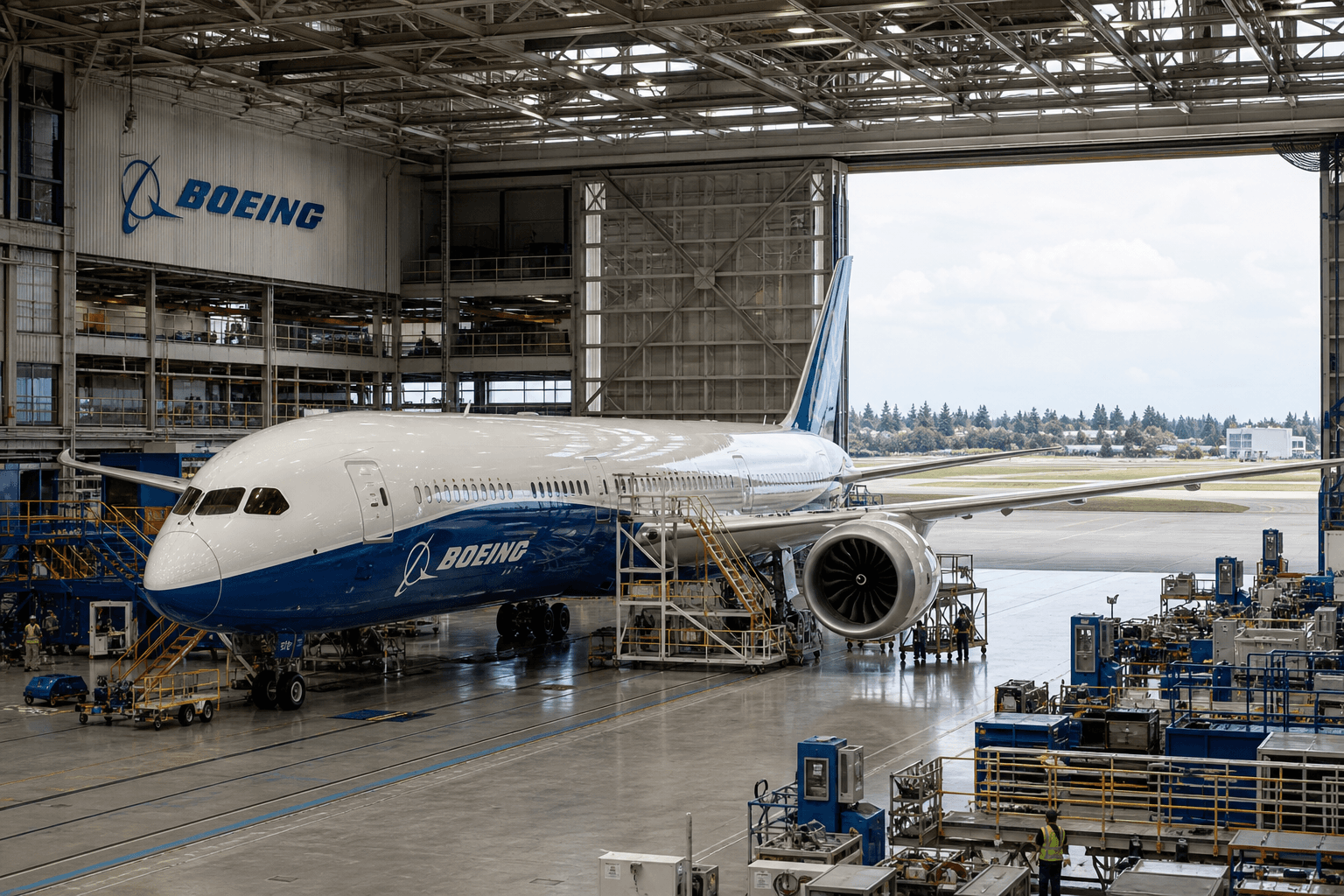
Boeing has released its latest 20-year outlook, forecasting a massive $4.9 trillion market for commercial aviation support and services through 2045. ezstandalone.cmd.push(function () { ezstandalone.showAds(119); }); The company also projects strong demand for more than 2.4 million new aviation professionals worldwide. This positive outlook highlights the industry’s resilience and long-term growth potential despite current challenges. The forecasts come from Boeing’s 2026 Services Market Outlook and Pilot & Technician Outlook. They show sustained expansion in commercial aviation, with air traffic and demand expected to double over the next two decades. ezstandalone.cmd.push(function () { ezstandalone.showAds(127); }); Near-term supply chain and production issues are not expected to derail this long-term trajectory. Key Trends Driving the Services Several important factors will shape the future of aviation services: ezstandalone.cmd.push(function () { ezstandalone.showAds(128); }); Aircraft lifecycle management and efficiency initiatives Digitalization and data-driven services as fleets become smarter Geographic shifts in where services are needed most Workforce transformation to meet evolving demands Rising retirements that increase the need for new talent “As we look toward the future, we see strong demand for services across the portfolio, new opportunities as fleets become more digitally enabled and a growing need for a skilled workforce,” said Chris Raymond, president and CEO of Boeing Global Services . ezstandalone.cmd.push(function () { ezstandalone.showAds(129); }); Boeing expects digital solutions, maintenance, repair, overhaul, parts supply, and training to drive much of this growth. Airlines and operators will focus on keeping aircraft flying safely, efficiently, and sustainably while adopting new technologies. A rendering of Boeing’s Second 787 Final Assembly Building when complete (Credit: Boeing) Massive Workforce Demand Ahead Fleet growth and retirements will create significant job opportunities. Boeing’s outlook projects a global need for approximately: 674,000 new pilots 728,000 maintenance technicians 1,023,000 cabin crew members ezstandalone.cmd.push(function () { ezstandalone.showAds(130); }); This totals more than 2.4 million new aviation professionals through 2045. About two-thirds of these positions will replace retiring workers, while one-third will support expanding fleets. The industry is turning to innovative training methods to address these shortages. Competency-based training, immersive technologies, and advanced simulation tools will help develop skilled personnel faster and more effectively. “Our industry will keep the expanding global fleet flying safely and efficiently by investing in workforce development worldwide,” said Chris Broom, Vice President of Commercial Training Solutions at Boeing Global Services . “Immersive technologies will enhance training and support the highest quality aviation standards.” ezstandalone.cmd.push(function () { ezstandalone.showAds(131); }); Photo Credit: Boeing Regional Opportunities Vary Widely Demand will not be uniform across the globe. Eurasia leads with $1.185 trillion in services and support demand and 571,000 new personnel. China follows closely at $875 billion and 425,000 workers. North America is projected to need $995 billion in services and 438,000 new professionals. Other notable regions include: Southeast Asia: $425 billion, 258,000 personnel Middle East: $475 billion, 236,000 personnel Latin America: $260 billion, 136,000 personnel Africa: $140 billion, 75,000 personnel These figures reflect shifting economic power, growing middle classes in emerging markets, and varying fleet ages and growth rates. ezstandalone.cmd.push(function () { ezstandalone.showAds(132); }); Photo Credit: Boeing Challenges and Opportunities The industry faces real constraints in production, supply chains, and workforce availability. However, Boeing views these as areas for investment and innovation. Digital modernization, sustainability efforts, and improved training will help overcome barriers and unlock new value. The aviation services sector offers stable, long-term opportunities compared to the more cyclical aircraft manufacturing market. As fleets grow and age, the need for ongoing support creates recurring revenue streams for service providers, airlines, and training organizations. This outlook signals confidence in aviation’s future. Strong passenger demand, technological progress, and global economic expansion should drive the industry forward, creating trillions in economic activity and millions of skilled jobs worldwide. ezstandalone.cmd.push(function () { ezstandalone.showAds(133); }); For aviation professionals, students considering careers in the field, and businesses in the supply chain, Boeing’s forecasts point to a bright horizon filled with opportunity. Success will depend on proactive investment in people, technology, and sustainable practices.
Inside Turkmenistan Airlines 737 Business Class: Unusual Service and Full Cabin on Ashgabat-Delhi Flight
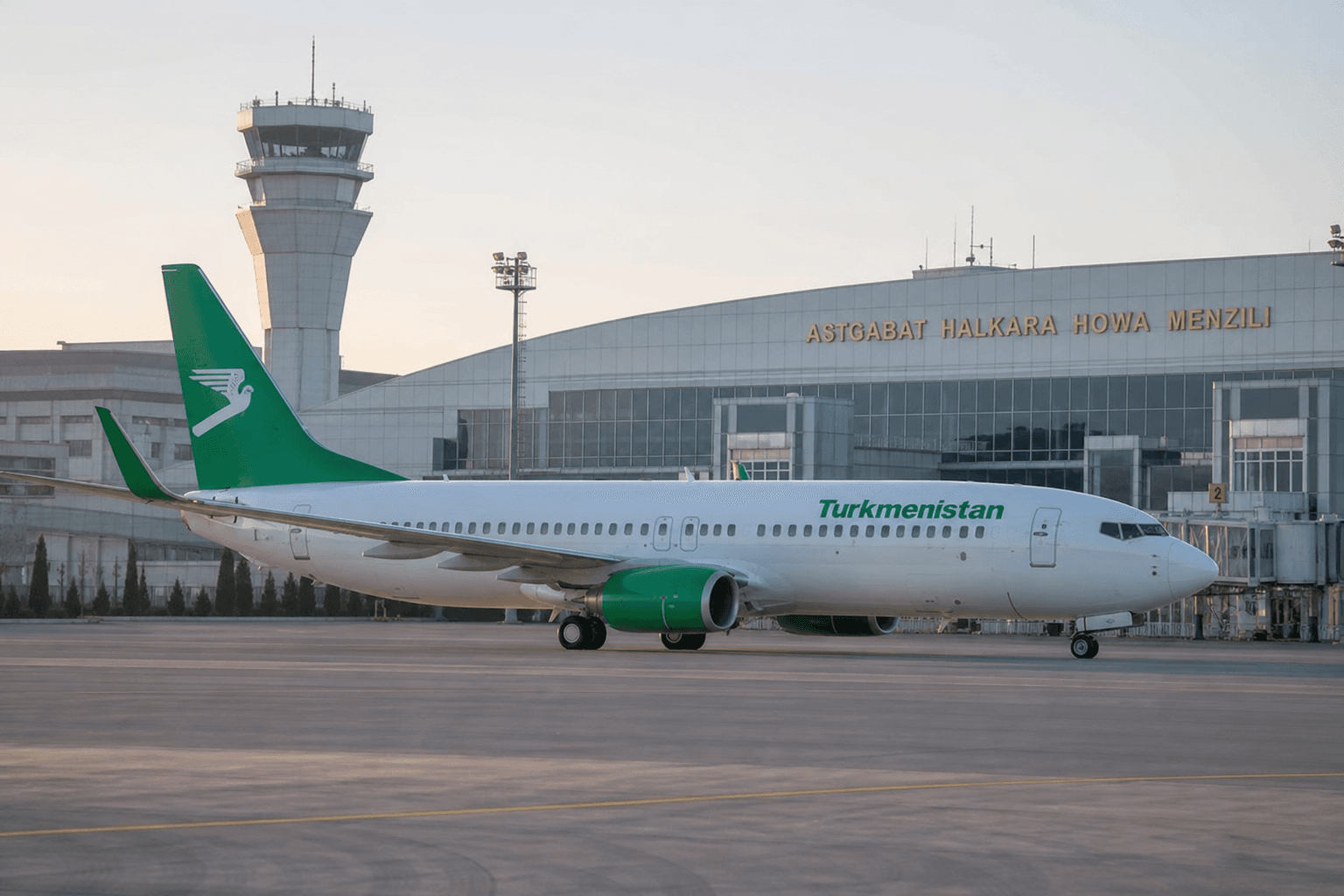
Hello from India , as I just wrapped up my Turkmenistan Airlines adventure. In the previous installment, I've covered my flight in Turkmenistan Airlines' Boeing 777-300ER business class , as well as my odd transit experience at Ashgabat Airport (ASB) . In this post, I'd like to cover my connecting flight in Turkmenistan Airlines' Boeing 737-800 business class, on the 3hr5min flight from Ashgabat to Delhi (DEL). Well, this was definitely the stranger of the two flights. I got called out for taking pictures (fair enough), the cabin was completely full, the plane briefly turned around mid-flight, and the entire meal service was strange. Let me share some initial thoughts, and then soon I'll have a full trip report. Some Turkmenistan Airlines 737 business class observations Turkmenistan Airlines' 737 business class is reasonably comfortable, with recliner seats in a 2-2 configuration, perhaps a bit more spacious than you'd find in the US. Turkmenistan Airlines 737 business class cabin Turkmenistan Airlines 737 business class seats There was a limited selection of streaming entertainment, but no Wi-Fi. Turkmenistan Airlines 737 streaming entertainment I had heard that Turkmenistan Airlines and Ashgabat Airport are very strict about no photos being allowed, but I wasn't told anything on the first flight or at the airport, and I didn't hear any announcements or see any signs. I should also mention that I was being really careful with taking pictures to avoid being seen, and it worked. Well, on this flight, I got "caught" almost immediately upon boarding. I got to my seat, and a moment later the lead flight attendant yelled from the front of the cabin "photos are not allowed." Okayyy… well that complicates things. While my previous flight was very empty, with just two other business class seats taken, this flight was the opposite — every single seat on the plane was taken. What I found so odd is that I got onboard at the start of boarding, when business class was called. However, I must've had the cabin to myself for 30 minutes, before the other 15 seats suddenly all filled up at once. Were these last minute operational upgrades because economy was oversold, do premium passengers in Turkmenistan just like to board last, or what was going on? Very strange. Also, I had a slight bit of confusion when a while after takeoff we suddenly made a 180-degree turn, and headed back toward Ashgabat. Turkmenistan Airlines 737 business class overhead monitor I was worried what was going on — did some airspace close, was there a maintenance issue, or something else? Fortunately just minutes later we turned in the other direction again, as it seems we were put in a pretty wide holding pattern. I'd be fascinated to know the reason — is the airspace around Turkmenistan and Afghanistan that busy, or…? The views in this part of the world are just breathtaking, especially over Afghanistan. Turkmenistan Airlines 737 view over Afghanistan Turkmenistan Airlines' business class meal service is strange I must say, I found the meal service on this flight to be incredibly strange. There was a single flight attendant working business class, and she was quite friendly. On most airlines, you might find that they first serve everyone a round of drinks, or bring out meals to everyone pretty quickly. That wasn't the case here, as I ended up being served my meal 10 minutes before the descent started. How? Well, she served front to back (which is fair), but it seems it took an incredible amount of time to prepare each meal, so there was always like a 10-minute gap between meals being brought out. I've never seen anything like that before. The service was so slow that she'd then end up clearing trays of others before other people served in the first place. There were a couple of menus on the plane, and they'd be handed to the passengers who would be next to order. Below is what the menu looked like. Turkmenistan Airlines business class menu Let me point out this flight departed at 6:40AM, so my assumption was "oh, they're probably serving breakfast." I'm confused about the chicken breast with cheese sauce, mashed potatoes, and vegetables — is this a traditional Turkmen breakfast dish, or is the airline confused about what people in other parts of the world typically eat for breakfast? Anyway, I asked the flight attendant what kind of "meat" was being served with the pancakes, to which she replied… "we serve lunch." Lunch on a 6:40AM flight, when the menu also lists breakfast? Okay… so I ended up going for the beef stroganoff. As I observed the flight attendant serving meals to all the passengers in front of me, I noticed how it looked like she was just bringing out massive trays of paper and packaged things, at least from the angle I was seeing them. I was mighty curious what the meal would be like. I was finally served my meal 50 minutes before landing, which was just 10 minutes before we started our descent. Yes, that's how long it took for the meals to be served to other passengers. Below is how the meal was presented… wow. I'm so confused, because there's simply no space to actually place all of the things that are on the tray. Turkmenistan Airlines business class meal After I took off all the clutter, below is what the tray looked like. Talk about quite the selection of food! I was impressed by the quantity, and I thought the cherries were a cute touch. But in terms of quality, everything else was decidedly mid. Turkmenistan Airlines business class meal What I just couldn't wrap my head around is where everything was actually supposed to be placed. The meal tray took up the entire tray table, and was stacked high with things. Below is just part of the other items that were on the tray (I tried to take these pictures as subtly as possible, given the previous warning from the flight attendant). For example, it's one thing to give someone one package of nuts and dried fruit, but three packages?! To Turkmenistan Airlines' credit, I love the branding on everything… Turkmenistan Airlines business class meal accompaniments Bottom line I'm delighted I had the chance to fly Turkmenistan Airlines, as it has been on my list for a long time. While I'd love to visit the country, flying the airline fits in the "been there, done that" category. I actually think the airline offers great value given its low fares, but expect everything to be very bare bones. As someone who loves a unique passenger experience, I must say that if anything, I was disappointed that Turkmenistan Airlines wasn't a bit stranger. But hey, I realize that's a uniquely "me" observation. What's your take on this Turkmenistan Airlines 737 business class experience?
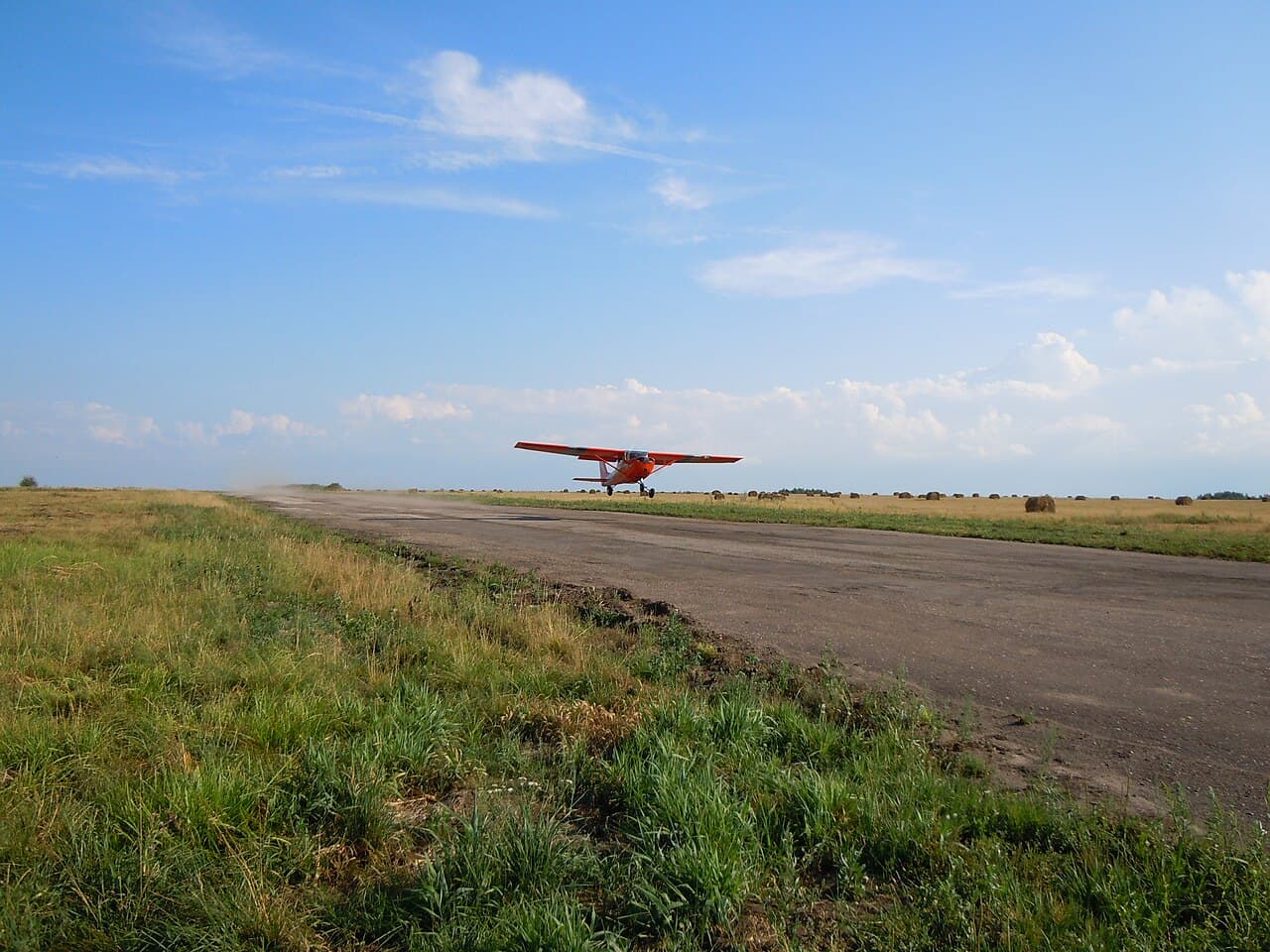
1966 Cessna 150G Offers Affordable Time-Building with Modern Avionics Upgrade
Every day, the team at Aircraft For Sale chooses an airplane that catches our attention because it is unique, a good deal, or has other qualities we find interesting. You can read Aircraft For Sale: Today's Top Pick at FLYINGMag.com daily. Today's Top Pick is a 1966 Cessna 150G. Serving as a backbone of flight training for decades, the Cessna 150 has built a legacy of forgiving handling and economic time building. This particular G-model serves as a prime opportunity for student pilots or private owners looking for an affordable platform that retains its original paint and interior while remaining mechanically sound. With 4,816 total hours on the airframe (TTAF) and a useful load of 470 pounds, the aircraft provides a highly dependable gateway to logging hours. Lifting the cowling reveals a proven 100 hp Continental O200-A powerplant that delivers highly economical operation. The engine shows just 646 hours since major overhaul (SMOH), offering plenty of time remaining for its next owner. Translating this power to thrust is a McCauley fixed-pitch propeller showing 1,487 hours since overhaul (SPOH). The aircraft also benefits from an auto fuel STC for added operational flexibility, Madras Super-Tips STC wingtips, and upgraded wingtip LED navigation and strobe lights. The flight deck immediately highlights the most impressive aspect of this time-tested trainer with a significantly upgraded avionics suite that transforms it into a capable modern instrument platform. The panel centers around dual Garmin G5 electronic flight instruments serving as the attitude indicator and HSI, alongside a Garmin GNC 355 nav/comm slaved to the G5 system. 1966 Cessna 150G [Credit: Seitz Aviation] Communication and airspace compliance are further supported by a Collins AMR-350 audio panel, an Appareo Stratus transponder equipped with ADS-B Out, and convenient Stratus USB charging ports for mobile devices. Ensuring immediate mechanical readiness for the buyer, this Cessna 150G is scheduled to receive a fresh annual inspection by Vertex Aviation prior to delivery. Listed at $44,500 , this Washington state-based trainer stands as an outstanding value for aviators seeking a reliable entry into aircraft ownership. If you're exploring ownership options, FLYING Finance can help get you airborne. Use our airplane loan calculator to estimate your monthly payments, or connect with an aviation finance expert at flyingfinance.com . FLYING Magazine: Why Aren't Cessna 140s/150s Considered Light Sport Aircraft? FLYING Magazine: Passenger Lands Cessna 150 After Pilot Incapacitation FLYING Magazine: I Learned About Flying From That: 18,300 Feet in a Cessna 150 Plane + Pilot : Incredible Plane: Cessna 150 Plane + Pilot : Cessna 150/152 The Aviation Consumer: Used Aircraft Guide: Cessna 150/152
The Daily Touch & Go
The day's best aviation news in your inbox. Free, no spam.