

Image: Wikimedia Commons · CC BY-SA 3.0 · via Wikimedia Commons
BETA Begins Three-Week Electric Aircraft Test Flights in Southeast Texas
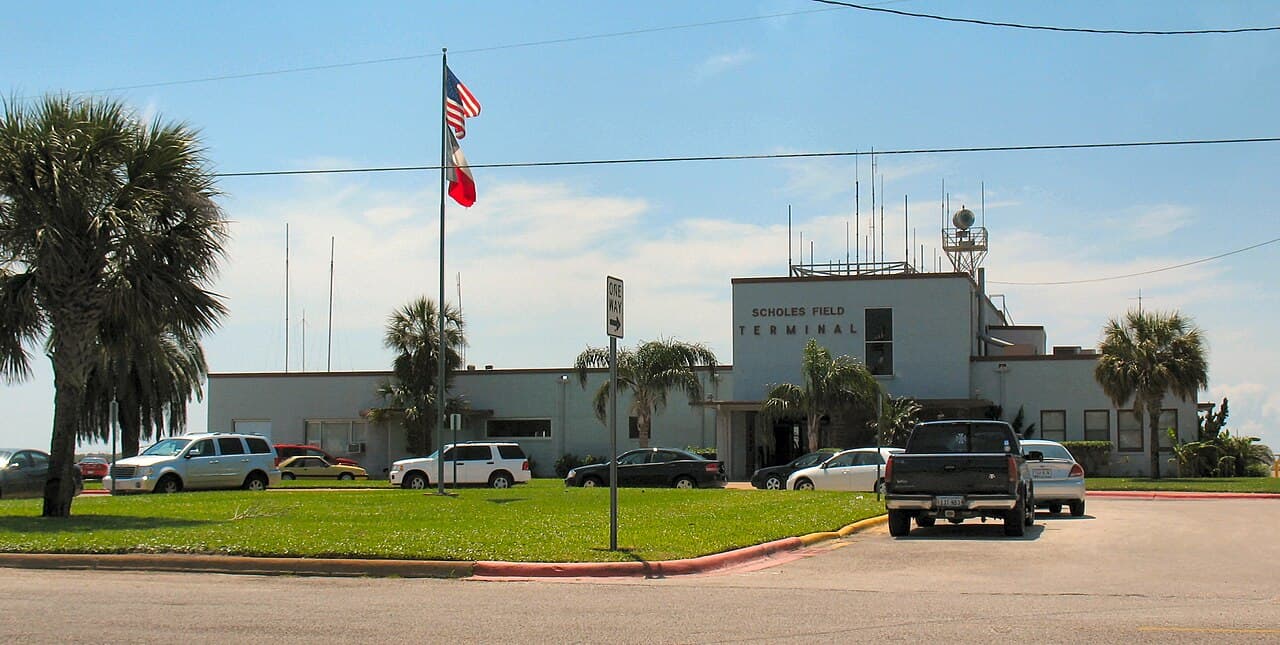
BETA Technologies has launched electric aircraft test operations from Galveston's Scholes International Airport, conducting flights to nearby cities over the coming weeks.
The gist
BETA Technologies starts electric plane test flights in Texas as part of FAA’s advanced air mobility program.
Continuing coverage
All Faa →- FAA Opposes Cleveland's Plan to Close Burke Lakefront Airport; Congressional Override Lacks Support
- FAA assigns AT&T central role in $2 billion air traffic network overhaul
- FAA and Ohio Senators Firmly Oppose Closure of Burke Lakefront Airport
- FAA Seeks Billions More to Fund CAP Automation Amid Growing Industry Competition
- FAA Rules Texas Airport Violated Federal Rules by Selling Land for Nearby Housing Development
BETA Technologies has initiated a series of electric aircraft test flights departing from Scholes International Airport in Galveston, Texas. These flights began on Tuesday and are scheduled to run for approximately three weeks, focusing on evaluating the aircraft's performance during operational flights around the southeast Texas area. The flight testing is designed to extend beyond BETA’s primary facilities to better understand real-world conditions.
The testing corridor covers routes between Galveston, Sugar Land, and Brenham in Texas. Mike Shahan, director of Scholes International Airport, stated that these regional flights provide valuable insights into the aircraft’s capabilities under typical operational environments rather than solely controlled test locations. This strategic deployment aims to build data on aircraft performance, range, and reliability while interacting with existing air traffic.
Scholes International Airport has been prepared to facilitate BETA’s electric flight operations through a ground lease arranged in 2024. The City of Galveston granted BETA a 10-year lease to establish an electric aircraft and vehicle charging site, representing the company’s inaugural charging infrastructure within Texas. This facility includes dedicated spaces for an aircraft charger and additional chargers for electric vehicles, supporting both ground and air electric mobility needs.
Beyond regional testing, BETA’s flights are part of broader efforts under the Federal Aviation Administration’s Electric Vertical Takeoff and Landing Integration Pilot Program (eIPP). This program seeks to advance electric aircraft technologies by integrating them into the National Airspace System and testing operations at scale. BETA collaborates with other industry players including Archer, Joby, and Wisk under a Texas Department of Transportation-led initiative focusing on regional electric aircraft operations linking major Texas cities.
In July, BETA completed another milestone under the eIPP framework by successfully using its ALIA electric aircraft for a medical transport demonstration. The ALIA carried an animal organ between airports in Virginia and Maryland, showcasing electric aircraft’s potential for urgent, specialized cargo transportation. These activities provide FAA critical data to develop future regulations, operational procedures, and training standards for emerging advanced air mobility vehicles.
FAA aims to incorporate lessons learned from these practical test operations into national aviation governance. This includes identifying operational limitations, refining safe procedures, and preparing airspace management systems for the introduction of electric and VTOL aircraft. BETA’s Texas test flights contribute directly to these objectives by offering real-world operational experience outside laboratory conditions, increasing confidence in the technology’s readiness.
The Texas flights mark a significant phase in BETA’s development timeline, demonstrating both the aircraft’s capability and the growing infrastructure for electric aviation. Implementation of charging stations and dedicated airport support confirm the commitment by local governments and industry stakeholders to foster sustainable aviation technologies. This round of testing will help establish performance benchmarks and operational models for future commercial use.
BETA Technologies continues its push to transform regional air mobility with zero-emission aircraft. By conducting extended testing in varied environments and collaborating with federal programs, the company seeks to validate its technology for broader integration. The ongoing Southeast Texas operations serve as a critical step toward making electric aircraft a viable component of everyday air transportation networks.
Frequently asked questions
- What is the scope of BETA Technologies' electric aircraft test flights in Texas?
- BETA's test flights run for about three weeks from Galveston's Scholes International Airport, covering routes between Galveston, Sugar Land, and Brenham to evaluate operations under real-world conditions.
- How is Scholes International Airport supporting BETA's electric aircraft testing?
- The airport secured a 10-year ground lease with BETA in 2024 to establish an electric aircraft and vehicle charging site, including chargers specifically for the aircraft and electric vehicles.
- What role does BETA's testing play in the FAA's Electric Vertical Takeoff and Landing Integration Pilot Program?
- BETA's flights contribute operational data to the FAA's eIPP, helping to identify constraints, refine procedures, and inform future regulations for integrating advanced air mobility aircraft into the national airspace.
Read more
All Technology/eVTOL →
Orlando International Airport to Build US's First eVTOL Vertistop with Flights Expected This Year
In an exciting move, the Greater Orlando Aviation Authority will proceed with approved plans to develop the United States first vertistop . Located on the grounds of Orlando International Airport (MCO), this is the first step in bringing electric vertical takeoff and landing to the Central Florida region.
Electric Aircraft Start Short Flights Between Hawaiian Islands in Early Trials
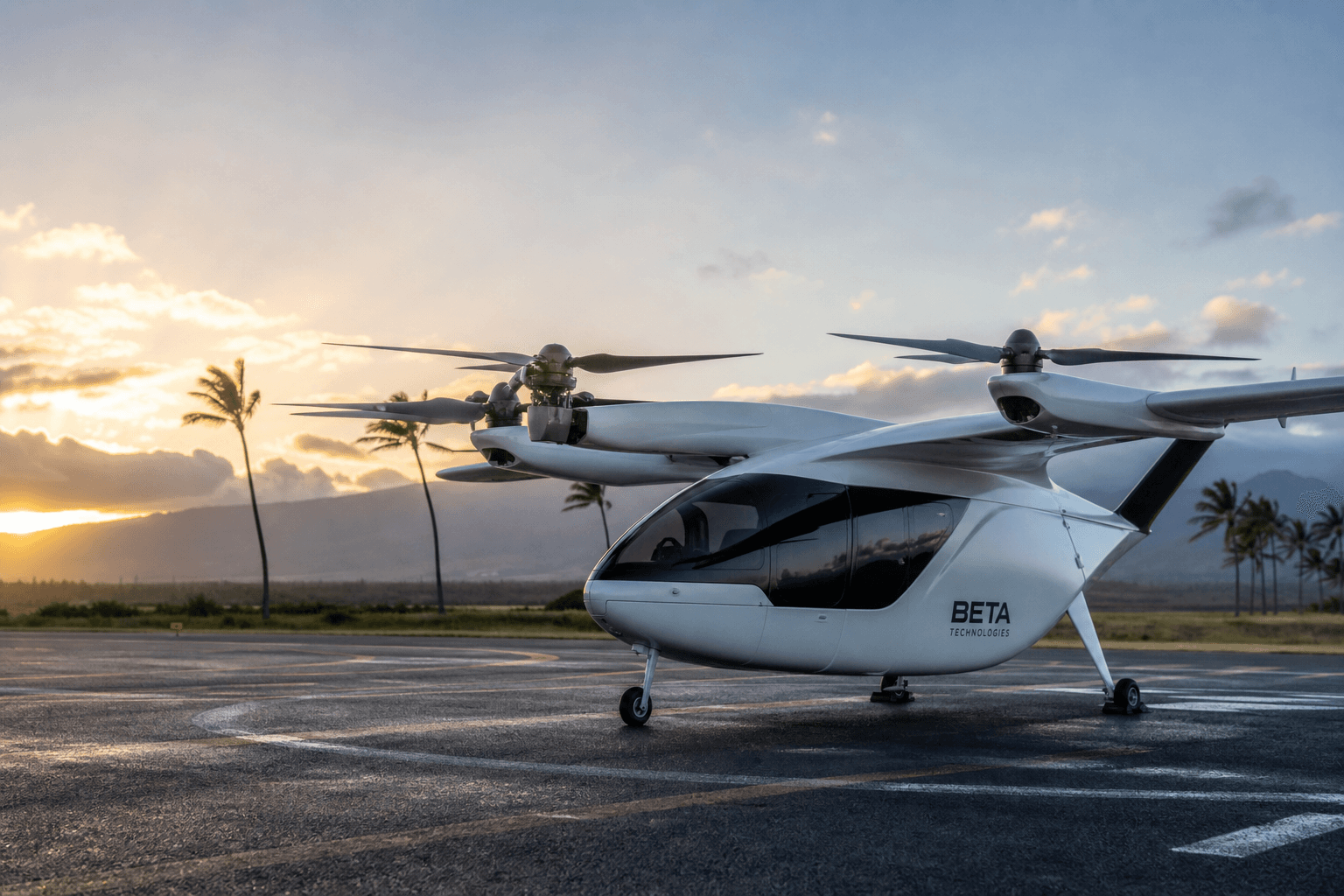
Beta Technologies, Surf Air Mobility, and Hawaiian Airlines begin a six-to-eight-week electric aircraft trial.
Heart Aerospace's X1 completes first-ever flight as largest battery-electric airplane
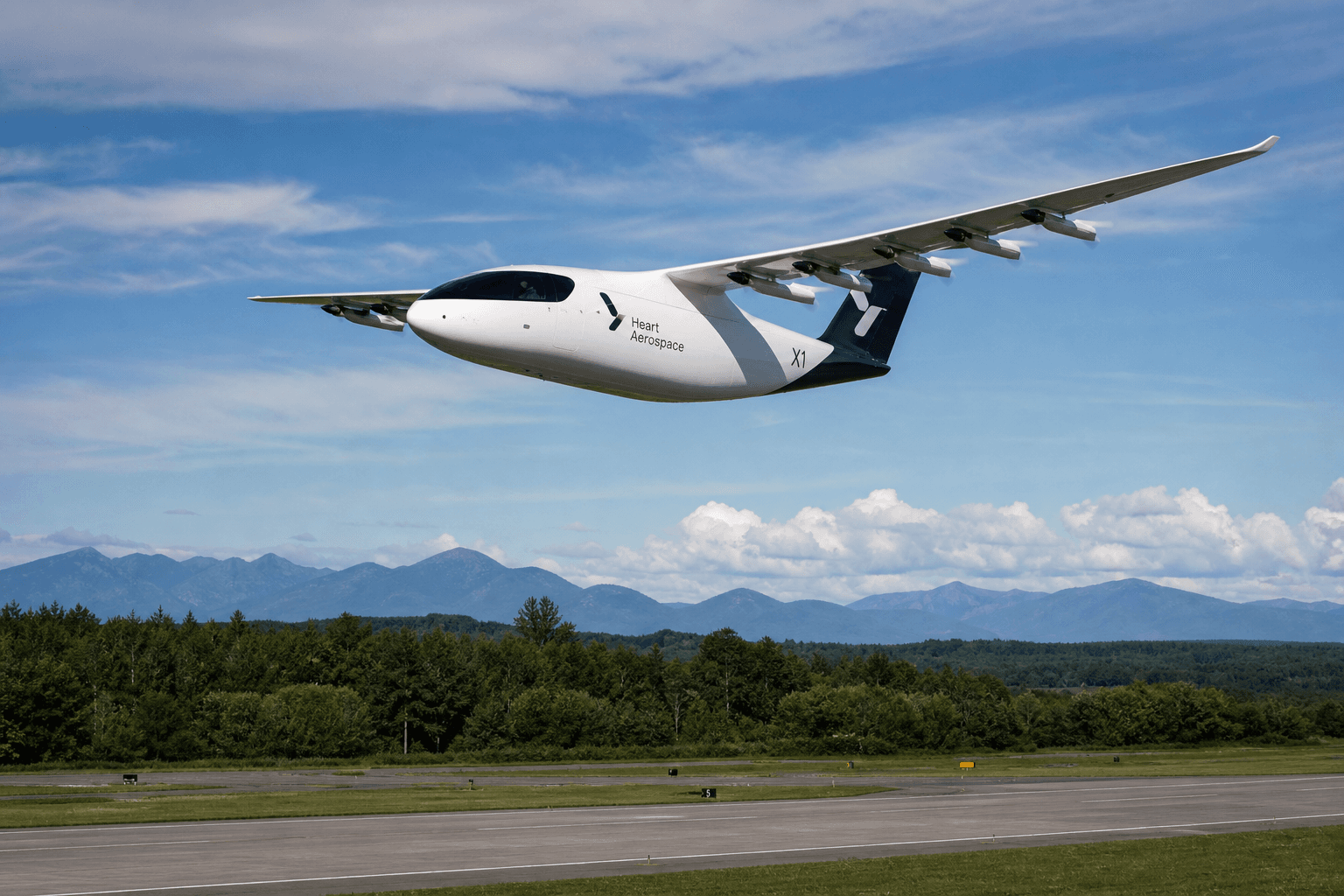
Heart Aerospace's X1 demonstrator completed its first flight Wednesday at Plattsburgh International Airport in New York. The company says the full-scale Heart X1 aircraft is the largest battery-electric airplane flown to date. 27-Minute Flight The piloted flight lasted 27 minutes and reached 1,100 feet AGL. Heart said the X1's battery-electric propulsion system produced more than 1 megawatt of power during the flight. The test profile included taxi, takeoff, climb, maneuvering and landing under an FAA experimental special airworthiness certificate. "With the first flight of X1, Heart Aerospace has demonstrated electric flight at the scale of a commercial airliner," Heart Aerospace founder and CEO Anders Forslund said in the company announcement. Supporting The ES-30 The X1 has a 106-foot wingspan, measures 76 feet long and weighed more than 25,000 pounds at takeoff. The FAA issued the aircraft its special airworthiness certificate in July following ground testing that included structural, propulsion, systems and taxi tests. Heart said at the time that it planned to use the demonstrator to collect flight-characteristics and electric-propulsion data. Heart is using the X1 program to support development of its ES-30, a planned 30-seat hybrid-electric regional aircraft. The company says it is building its first preproduction ES-30 at its Los Angeles pilot manufacturing facility and plans to begin flight testing that aircraft in 2028. Heart is targeting entry into service for the ES-30 in 2031.
North Central Texas Council Launches $1M Fund for eVTOL Airport Chargers
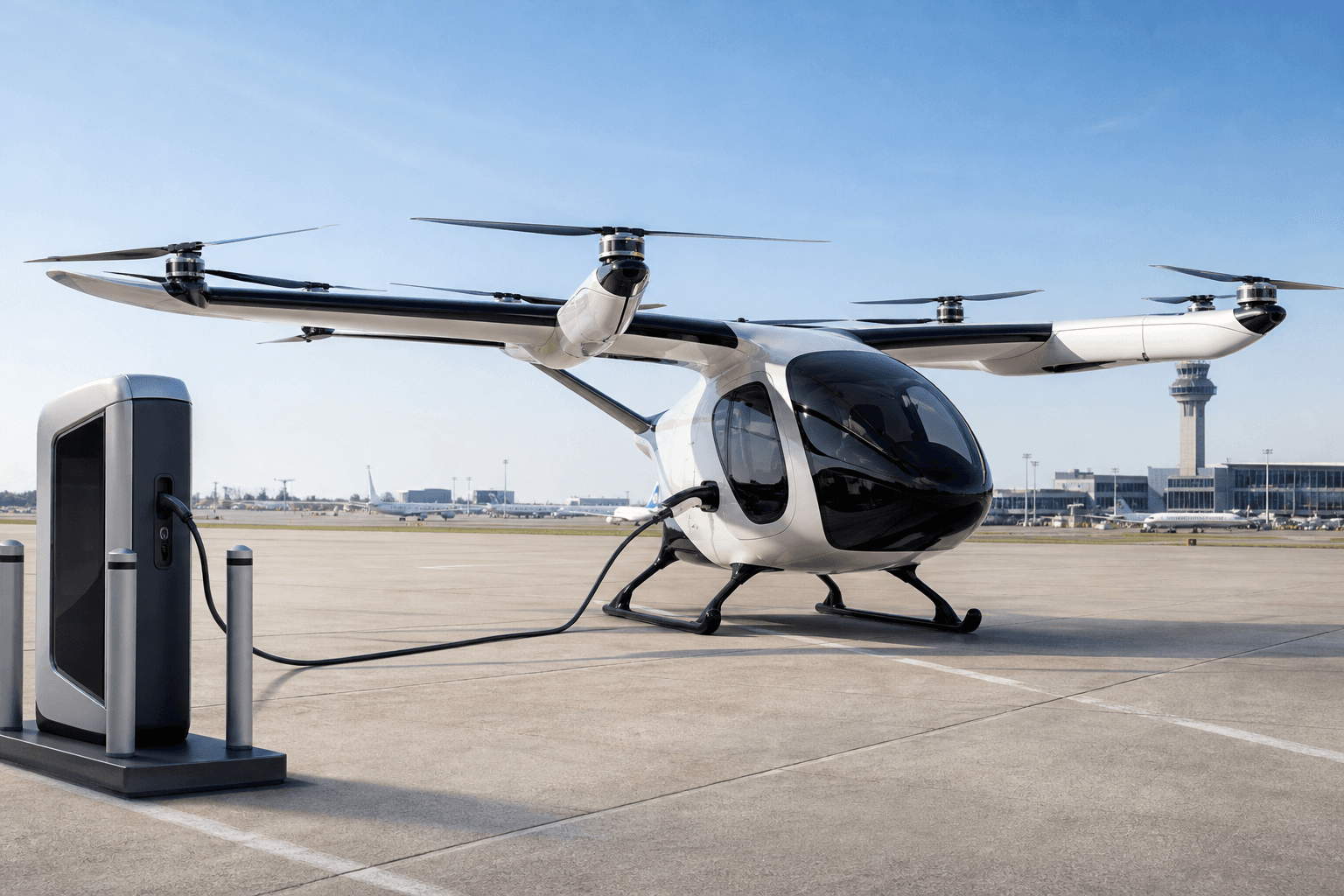
The North Central Texas Council of Governments has opened a $1 million funding program for electric-aircraft charging equipment at public-use airports in the Dallas-Fort Worth region. Applications are due Aug. 7 at 5 p.m. CDT. The money was initially approved in September 2024 for a potential advanced-air-mobility demonstration connected to the 2026 World Cup. That plan did not proceed as originally envisioned. Arlington dropped expectations for carrying passengers during the tournament because aircraft certification and FAA regulations would not be completed in time, and NCTCOG later redirected the funding toward permanent charging infrastructure and airport readiness. The revised program also supports North Texas' participation in the larger eVTOL Integration Pilot Program ( eIPP ). The state’s participation in the initiative is led by the Texas Department of Transportation and is intended to develop infrastructure, routes and operating procedures for future electric-aircraft demonstrations and service. Airports in the council's 12-county planning area may seek awards of up to $200,000. The program does not require matching funds. Eligible expenses include an eVTOL charger and infrastructure directly required to install and operate it. Stand-alone electrical improvements that do not result in an installed charger are not eligible. The council said applications will be evaluated on airport planning documents, knowledge of advanced-air-mobility infrastructure, partnerships and implementation schedules. Proposed projects must also demonstrate how the equipment could support future aircraft operators, demonstrations or private investment.
The Daily Touch & Go
The day's best aviation news in your inbox. Free, no spam.