


Boeing's MQ-28 Ghost Bat debuts in US-led Pacific combat exercise
Boeing's unmanned MQ-28 Ghost Bat fighter takes to the skies during the multinational Valiant Shield 2026 exercise in the South Pacific.
The gist
The MQ-28 Ghost Bat unmanned fighter flies alongside crewed jets in the Pacific’s Valiant Shield war games for the first time.
Continuing coverage
All Boeing →- US F-47 Sixth-Gen Fighter Faces $300M Price Tag and Limited Fleet Size
- Boeing books 121 jet orders in June while boosting deliveries to highest monthly level in years
- Boeing 737 MAX Surpasses 7,200 Orders, Becoming Company's Best-Selling Aircraft
- Boeing posts strongest first-half aircraft deliveries since 2018 with 314 jets
- Boeing invests $10 billion to overhaul 737 Max production in historic Everett plant
Boeing Defense Australia’s MQ-28 Ghost Bat has made its inaugural appearance in a major military drill, flying alongside crewed fighter aircraft in the 2026 Valiant Shield exercise. Conducted from June 22 to July 1 around key strategic locations including the Northern Mariana Islands, Guam, and Japan, this biennial war game is led by the US Pacific Command (PACOM). The MQ-28's participation marks the first time a Collaborative Combat Aircraft (CCA) has joined frontline military exercises conducted by US and allied forces in the Indo-Pacific region.
The MQ-28 Ghost Bat, developed by Boeing in partnership with the Royal Australian Air Force (RAAF), was photographed on the flightline at Rota International Airport in the Northern Mariana Islands as part of the exercise. The uncrewed fighter has been integrated to perform a range of missions during Valiant Shield, including both defensive and offensive counter-air operations. This live operational deployment follows its initial overseas flights at Point Mugu Naval Air Station in California earlier this year, signifying a growing maturity of the platform.
Valiant Shield 2026 serves multiple operational goals, from humanitarian assistance and disaster response to high-end combat scenarios. US Navy Admiral Steve Koehler, commanding the Pacific Fleet, underscored the exercise’s role in supporting a free and open Indo-Pacific, terminology signaling US efforts to counterbalance regional military pressures, notably from China. The integration of the MQ-28 into this strategic exercise demonstrates allied interest in leveraging emerging uncrewed technologies to enhance airpower in contested environments.
Despite Boeing’s previous unsuccessful bid in the US Air Force’s (USAF) Collaborative Combat Aircraft Increment 1 program, in which General Atomics and Anduril secured the first contracts, the MQ-28 remains the most advanced operational CCA worldwide. With over 100 sorties completed and successful live-fire missile engagements, the Ghost Bat has proven its capabilities beyond the initial US procurement efforts. Boeing is now advancing upgraded Block 2 and Block 3 variants, targeting entry into production within two years and future frontline service with the RAAF.
Beyond Australia, Boeing has promoted the MQ-28 to allies such as Germany for its prospective CCA needs. Meanwhile, the USAF is developing Increment 2 requirements for both light- and medium-class uncrewed fighters, keeping the door open for MQ-28 acquisition in future stages. During Valiant Shield, the USAF aims to analyze how the MQ-28 can enhance joint force operations by extending the reach and survivability of crewed fighters via autonomous teaming.
The MQ-28 functions with autonomy including takeoff, mission execution, and landing, although Pentagon policy mandates human authorization for lethal force decisions. The aircraft is managed by the USAF’s Experimental Operations Unit (EOU), a newly established detachment dedicated to evaluating CCAs like the MQ-28, FQ-42, and FQ-44 and developing procedures for their integration with manned squadrons.
The initiative reflects a shift from the original CCA vision of cheap, attritable drones toward versatile unmanned systems that boost sortie rates and reduce personnel strain, providing force multipliers in high-threat environments. As the MQ-28 participates in one of the region's largest drills, it serves as a tangible example of growing reliance on autonomous technologies in modern air combat strategies.
With Boeing now refining advanced variants and the MQ-28 actively performing alongside crewed jets, this deployment marks a milestone in CCA operationalization and international defense collaboration. The performance and lessons learned during Valiant Shield 2026 will likely influence subsequent development and adoption decisions within allied air forces globally.
Read more
All Military/Defense →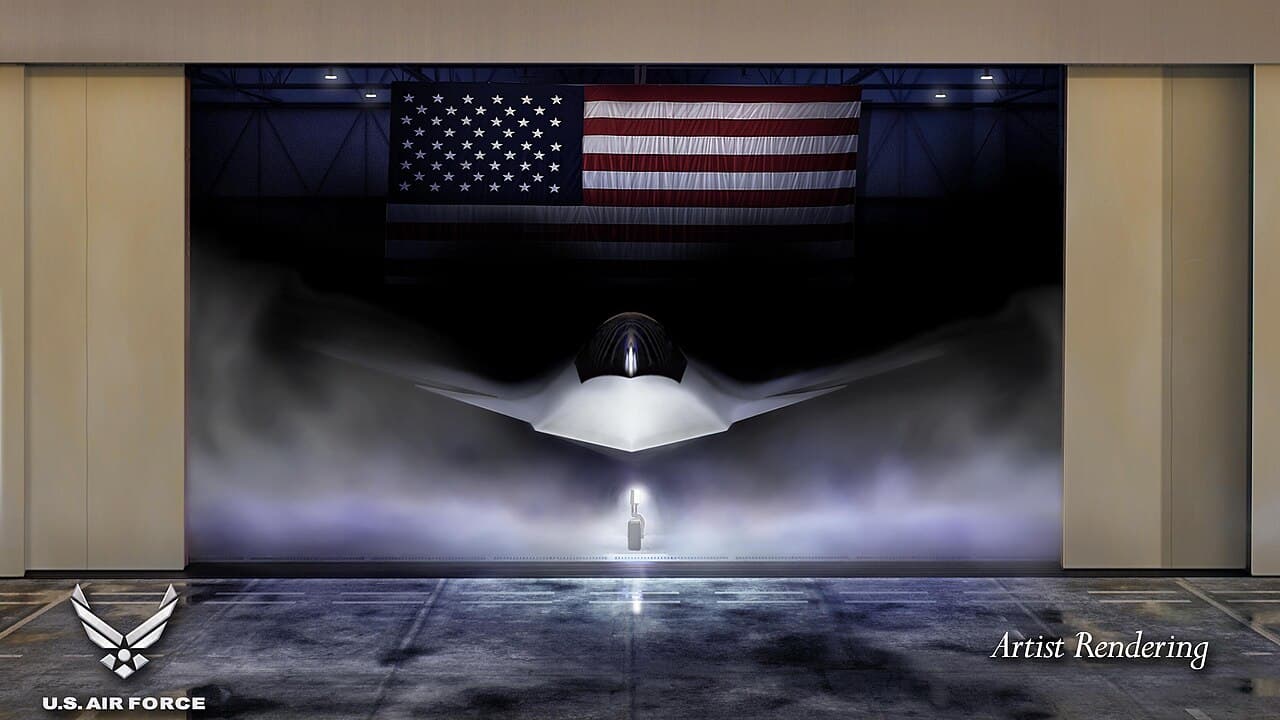
US F-47 Sixth-Gen Fighter Faces $300M Price Tag and Limited Fleet Size
The race to build the first sixth-generation fighter jet is well underway, with the United States and the People's Republic of China competing to be the first to produce a fully combat-capable example. While the People's Liberation Army Air Force made headlines in late 2024 by test-flying two different prototypes, the US program has been quietly testing new designs since 2019. When Boeing was awarded the contract for the F-47 Next Generation Air Dominance in early 2025, the program jumped into the spotlight.
Boeing posts strongest first-half aircraft deliveries since 2018 with 314 jets
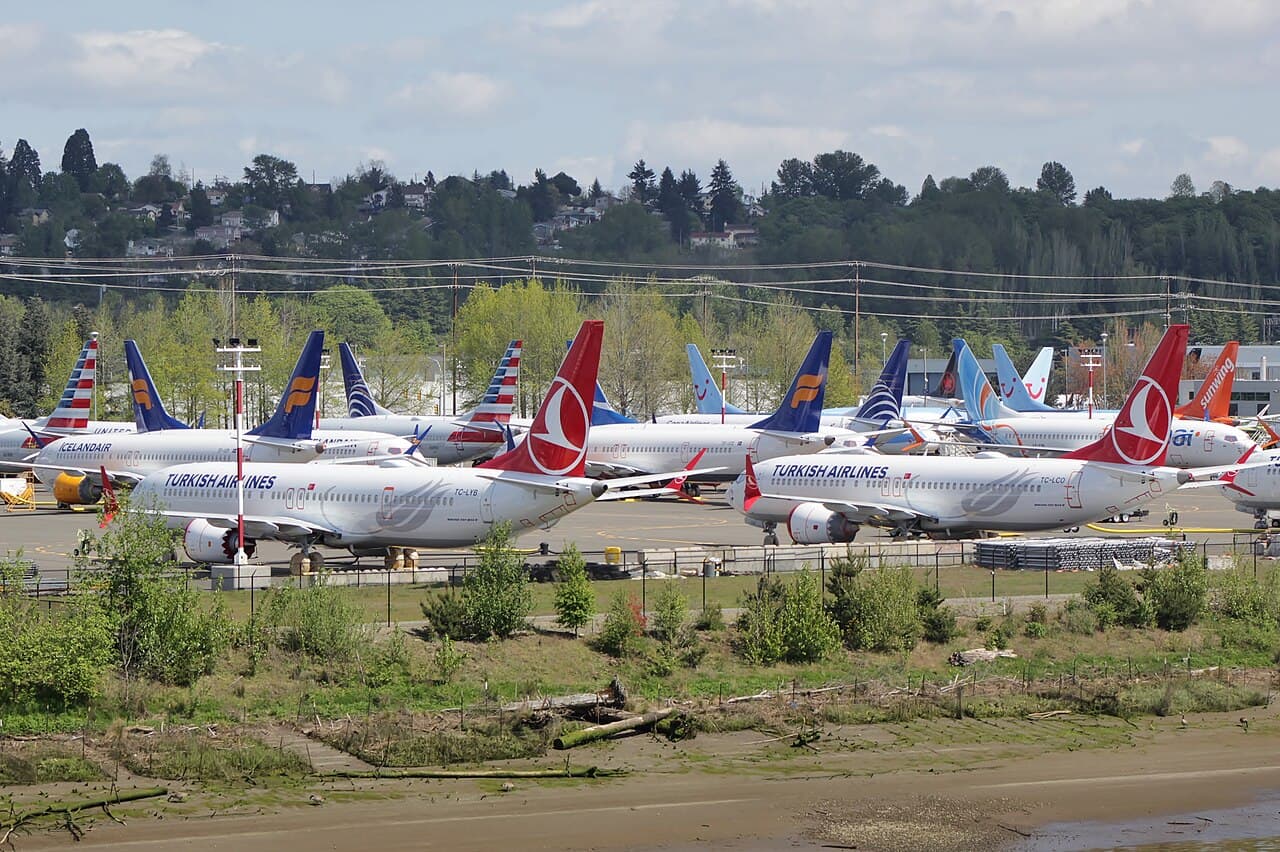
Boeing delivered 314 commercial aircraft during the first half of 2026, its highest total for the period since 2018 as production of the 737 MAX continues to recover. The manufacturer handed over 171 aircraft during the second quarter, including 129 737s, 25 787 Dreamliners, 10 767s and seven 777s, Boeing said on July 14, 2026. Its first-half deliveries included 243 737s, 40 787s, 16 767s and 15 777s. Boeing delivered 64 commercial aircraft in June alone, up from 60 in May and 60 during the same month last year, according to company delivery data. The June total included 42 737 MAX aircraft and 13 787s. The stronger pace comes as Boeing raises output of the 737 MAX, its best-selling commercial aircraft. The company is moving monthly production from 42 aircraft toward 47, although deliveries can vary from month to month depending on inspections, customer schedules and work needed on aircraft already built. Boeing's 314 first-half deliveries were 12% higher than the 280 aircraft it handed over during the same period in 2025. Last year's first-half total had already marked a significant improvement after production disruptions and tighter regulatory oversight slowed deliveries earlier in the decade. Airbus remained ahead, delivering 351 aircraft during the first six months of 2026, including 89 in June. That was a 15% increase from the European manufacturer's first-half total a year earlier. Boeing's June 787 deliveries included five aircraft for Riyadh Air that had been delayed by issues involving seat certification. The Saudi carrier began revenue operations in June after receiving its first Dreamliners. The manufacturer also delivered three 777 freighters and five 767s during June. Three of the 767s will be converted into KC-46 aerial refueling tankers by Boeing's defense business. Boeing reported 121 gross commercial aircraft orders and eight cancellations during June, leaving 113 net orders for the month. Its first-half order total stood at 408 after cancellations and accounting adjustments. The company has now recorded 7,206 orders for the 737 MAX family, surpassing the 7,159 orders received for the previous-generation 737NG. Boeing separately reported 35 defense aircraft and satellite deliveries during the second quarter and 65 during the first half. The six-month total included 32 new or remanufactured AH-64 Apache helicopters, eight KC-46 tankers, eight CH-47 Chinooks and five F/A-18-family aircraft. Boeing cautioned that its delivery figures remain preliminary until it publishes its second-quarter financial results on July 28.
Boeing advances new St Louis factory for sixth-generation combat jet production
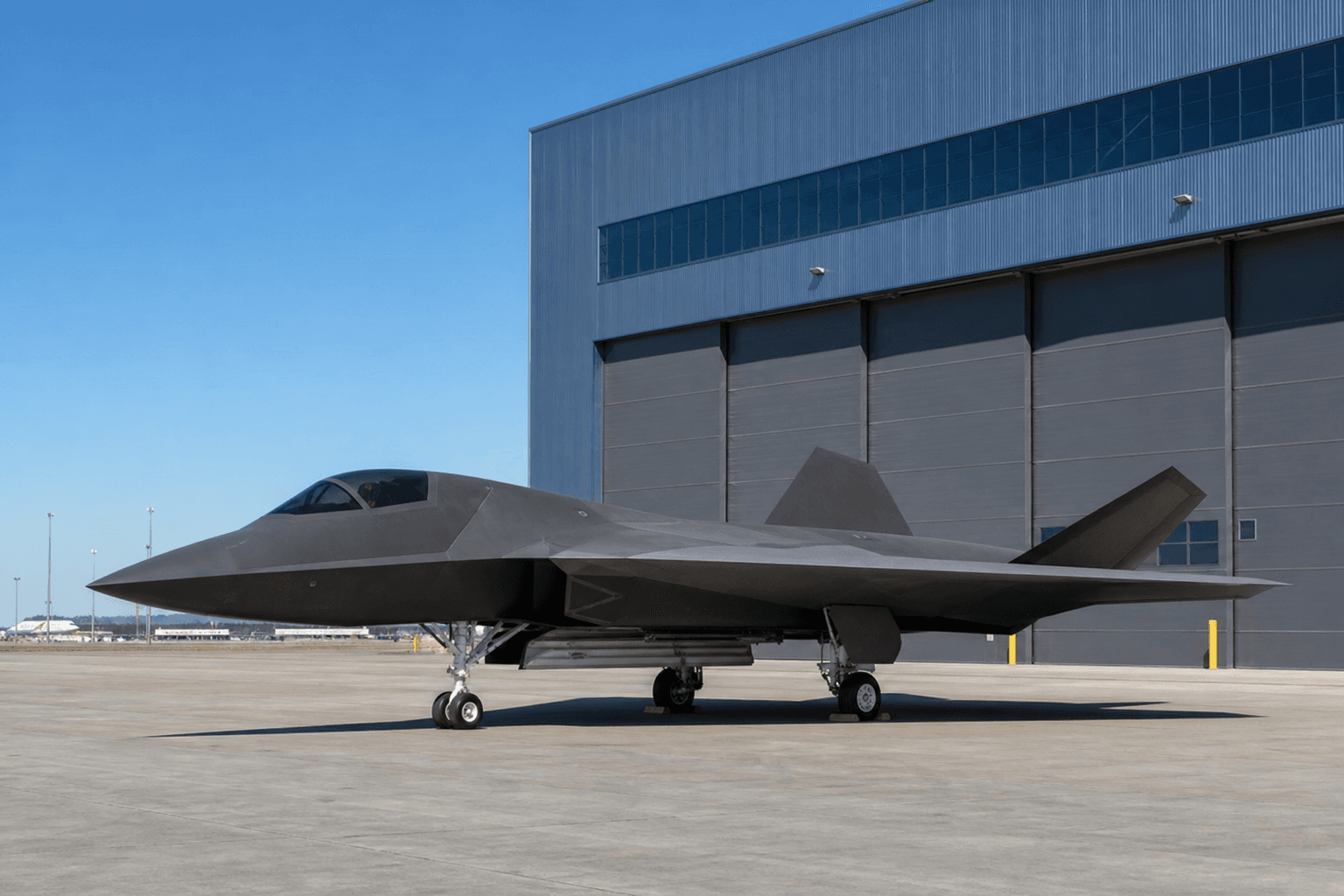
Although not officially tied to the US Air Force’s F-47 programme, the St. Louis plant is widely expected to assemble the new sixth-generation fighter. Boeing is progressing with construction of a new classified factory that will build the next generation of advanced combat aircraft. Work on the site began in 2024 across the street from the St. Louis, Missouri, headquarters of Boeing Defense, Space & Security (BDS). Known within the company as the Brownleigh Site, the new factory is located in the heart of Boeing’s combat aircraft production campus, which includes assembly lines for the F-15EX, F/A-18E/F and T-7A jets, as well as several types of precision munitions. The MQ-25 uncrewed refueller will be assembled at another plant in nearby Mascoutah, Illinois. “Momentum continues on our St. Louis expansion,” says Dan Gillian, general manager of Boeing’s air dominance unit. “We are expanding our defence footprint while supporting next-generation capabilities.” Images released by Boeing indicate that exterior work on the 102,000sq m (1.1 million sq ft) factory is now largely complete, with the roof, exterior panels and hangar doors all installed. Redevelopment of a disused McDonnell Douglas manufacturing site known as the Northern Tract is also progressing, including the installation of the first steel support columns. The Brownleigh Site, along with the rest of Boeing’s fighter production campus and delivery centre, is adjacent to St. Louis Lambert International airport. Although not officially tied to the US Air Force’s Next Generation Air Dominance (NGAD) programme, the factory being developed at the Brownleigh Site is expected to produce Boeing’s developmental F-47 fighter, which will be the Pentagon’s first frontline sixth-generation tactical jet. Boeing has long been cagey about the $1.8 billion factory, which the company began first developing in 2023. Active construction began in 2024, well before Boeing had secured a competitive win for the NGAD contract against rival Lockheed Martin. The new advanced combat aircraft factory under construction at the Brownleigh Site is located in close proximity to Boeing’s defence business headquarters and the company’s fighter delivery centre at St. Louis Lambert International airport. Credit: Screenshot from Google Earth During a 2024 FlightGlobal visit to BDS headquarters in St. Louis, Boeing executives described the advanced combat aircraft plant as a “bet” on the company’s future. A billboard visible outside the Brownleigh Site construction area prominently featured a sixth-generation-style black jet, proclaiming Boeing's commitment to fighter manufacturing. That risky bet paid off. Boeing won the NGAD competition in 2025 and is now progressing toward the first flight of an F-47 prototype, currently planned for 2028. The airframer is also a presumptive finalist for the US Navy’s F/A-XX sixth-generation fighter, alongside rival Northrop Grumman. The expansion of Boeing’s industrial footprint in St. Louis has likely contributed to the confident proclamations from BDS chief executive Steve Parker that the company is capable of delivering both the F-47 and F/A-XX, should Boeing also be selected for the navy programme. "Can Boeing do both? Absolutely," Parker said last year at the 2025 Paris air show. Parker affirmed that stance in a recent interview with FlightGlobal. He also describes the F-47 contract as a “generational windfall” for Boeing while declining to give specific progress updates on the secretive programme. "What I will tell you is that it's going very well,” Parker says. “We'll let our actions speak more so than words." The US Air Force has suggested it will field at least 185 F-47s, which will have an unrefuelled combat radius of 1,000nm (1,850km), a top speed of Mach 2 and the ability to team with the new category of uncrewed fighters currently in development, including the General Atomics Aeronautical Systems FQ-42 and Anduril Industries FQ-44. Boeing is separately set to benefit from a large increase to the USAF’s planned buy of F-15EX fighters. The latest fiscal year 2027 Pentagon budget request would increase that fleet size as high as 268 jets, elevating Boeing to full-rate production of 24 F-15EXs annually by 2028-2029. Israel also aims to operate a total of 50 F-15IAs , an Israel-specific variant of the F-15EX.
Texas Cadet Sebastian Vargas Becomes 200th Private Pilot Funded by Ray Foundation Through CAP
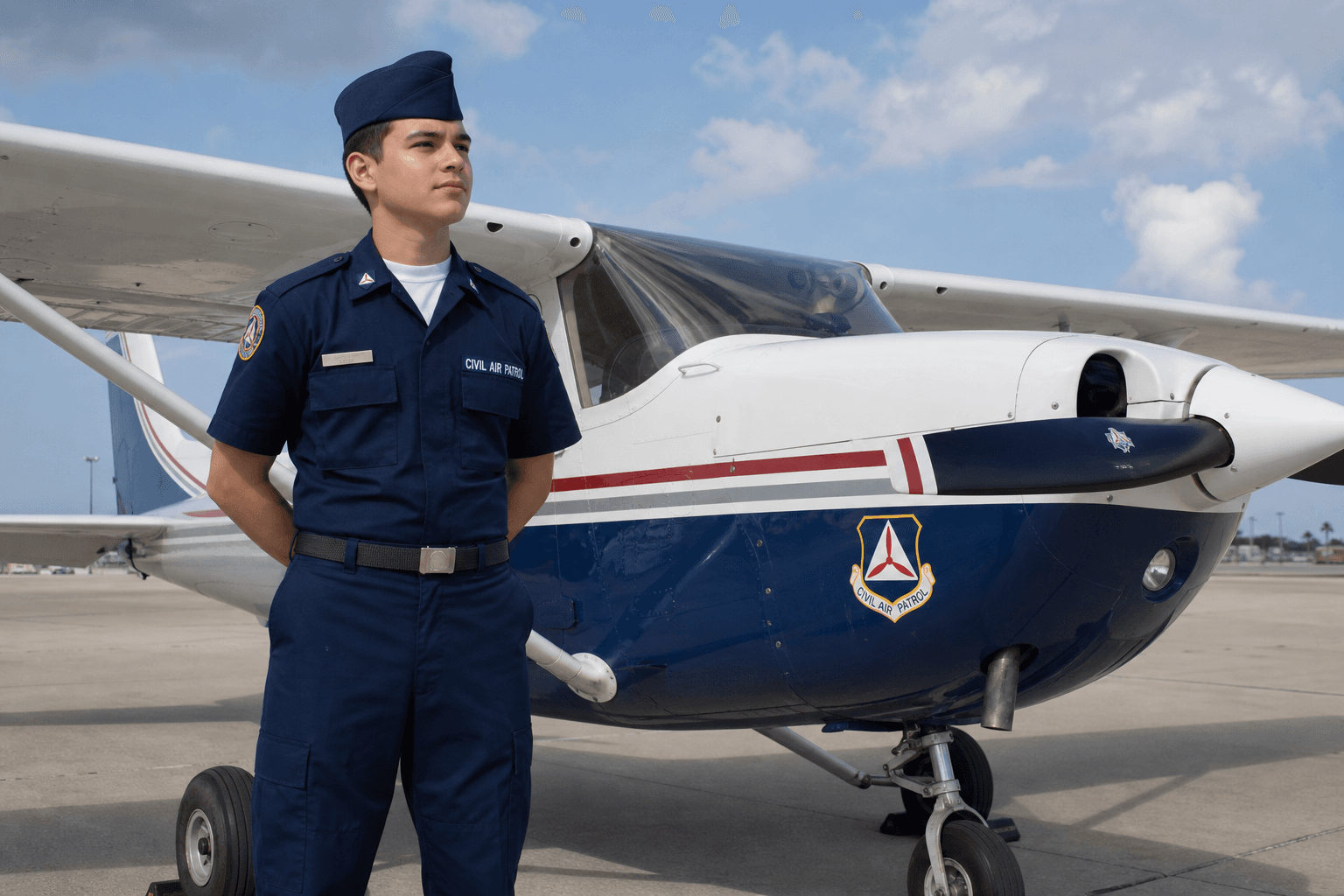
Civil Air Patrol Cadet Capt. Sebastian Vargas became the 200th CAP student pilot supported by the Ray Foundation to earn a private pilot certificate. Vargas completed his FAA check ride June 24 through McCreery Aviation at McAllen Miller International Airport in Texas, according to a recent CAP release . Scholarship Milestone Vargas belongs to the Texas Wing's Wild Horse Desert Composite Squadron in Edinburg. His training was funded through a James C. Ray Flight Training Scholarship under CAP's Cadet Wings program. The merit-based program began in 2019 through funding from the U.S. Air Force. The Ray Foundation has contributed $3.26 million to the program during the past four years. "The Ray Foundation funding helped take the burden off of my parents financially, and we are forever grateful for that," Vargas told CAP. He said the scholarship allowed him to concentrate on training instead of the financial and logistical requirements involved in completing a private pilot certificate. Training And Future Plans Vargas joined CAP in 2021 and took his first orientation flight the following year. He attended a powered flight academy in Wisconsin in June 2025 before entering Cadet Wings. He spent nearly six months in the scholarship program and approximately 16 months preparing, studying and completing flight training. His squadron commander, 1st Lt. Eric Madore, served as his Cadet Wings mentor and followed his progress through his solo, cross-country and check-ride milestones. Vargas plans to continue flying through CAP and build flight time while applying to the U.S. Air Force Academy. His longer-term goals include flying the C-17 for the Air Force and later pursuing an airline career. CAP said Cadet Wings has produced more than 500 new pilots through Cadet Wings since the program began. The program has taken on added importance as CAP shifts resources toward powered-flight opportunities following its decision to end the national glider program , which the organization attributed to an aging fleet, limited participation, instructor shortages and rising replacement and maintenance costs.
The Daily Touch & Go
The day's best aviation news in your inbox. Free, no spam.