

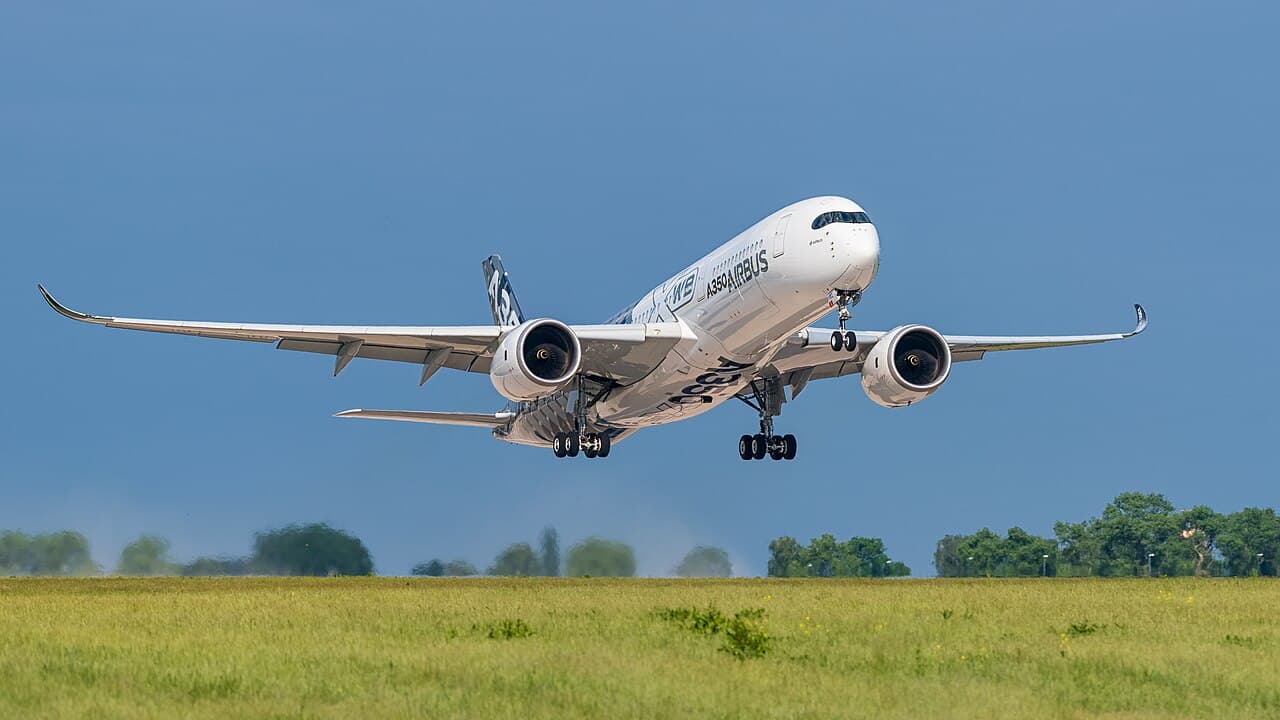
Image: Julian Herzog ( Website ) · CC BY 4.0 · via Wikimedia Commons
Airbus Outpaces Airlines in A350 Deliveries Amid Production and Cabin Fit-Out Challenges
Airbus is increasing A350 assembly speed beyond airlines' capacity to receive and outfit aircraft, causing a delivery gap due to complex supply chains and cabin customization delays.
The gist
Airbus is producing A350s faster than airlines can accept and fit their cabins, causing delivery bottlenecks despite soaring demand.
Continuing coverage
All Airbus →- Airbus Surpasses Boeing in 2026 Deliveries Amid Production and Supply Chain Challenges
- Boeing deliveries lag behind Airbus after July slowdown in 2026
- Qatar Airways to operate its first Airbus A380 flight to Amman in January 2027
- Boeing Delivers 53 Jets in July Amid Airbus Lead in 2026 Production Race
- Airbus Surpasses 1,000 Net Orders in 2026 Following Strong July Demand
Airbus has accelerated production of its A350 widebody jets, targeting 12 aircraft per month by 2028 to address a substantial backlog exceeding 800 firm orders. However, this production ramp-up has outpaced the ability of airlines to take delivery and complete customized cabin installations, resulting in a notable disconnect between manufacturing output and delivery rates. For example, the first half of 2026 saw only 26 deliveries — four to five per month — well behind the assembly line's output pace in Toulouse. Chief Executive Guillaume Faury stressed that production speed and delivery handovers are distinct, especially during rapid ramp-ups, with airlines’ cautious capital planning affecting intake rates.
This mismatch is mostly due to the complexity of final assembly and cabin completion. While structural assembly can proceed rapidly, airlines require highly customized cabin fit-outs involving premium seating, advanced lighting, and intricate electrical systems tailored to their brand standards. These installations require specialized labor and time, creating bottlenecks in completion bays. Consequently, completed airframes sometimes remain idle on ramp areas awaiting the completion of proprietary interior modules such as seats and galley equipment.
Airbus’s challenges stem in part from integrating new aerostructure facilities acquired from Spirit AeroSystems, notably the massive carbon-fiber composite plants in Kinston, North Carolina, and Prestwick, Scotland. Synchronizing the production of large composite panels and structural fuselage sections across these sites is critical for maintaining the ambitious 12-aircraft-per-month target. Even minor delays in composite curing or automated fastening ripple downstream, forcing pauses in the final assembly line at Toulouse.
The sophisticated carbon-fiber structures critical to the A350 program necessitate ultra-precise tolerances and coordinated workflows among multiple sites. Achieving this synchronization is vital yet difficult during ongoing consolidation of manufacturing assets. Airbus’s attempt to unify an extensive supply chain network into a seamless production system has introduced friction affecting the flow of structural components.
These supply chain and assembly delays have wider operational and financial consequences for airlines. Major international carriers like Turkish Airlines, Emirates, and Air India, with large A350 order books including the -900 and -1000 variants, face rentention of older, less efficient aircraft to bridge gaps caused by delayed deliveries. This affects network expansion plans for ultra-long-haul routes exceeding 7,000 miles and complicates fleet modernization efforts. Airlines may also need to lease interim aircraft to maintain service levels, increasing operating costs.
Moreover, airlines must continuously adjust capital expenditure schedules given the uncertain timing of aircraft delivery and entry into service, creating liquidity and budgeting challenges. Delivery postponements force recalibration of route deployments and premium yield strategies, as new A350s were intended to capture burgeoning demand with more fuel-efficient composite airframes replacing aging fleets.
The discrepancy between Airbus’s structural production capacity and airlines’ readiness to receive and outfit aircraft exemplifies supply chain complexities and customization demands characterizing modern widebody manufacturing. This situation highlights the multifaceted nature of aircraft delivery beyond mere assembly speed, where cabin craftsmanship and supply chain integration are equally critical to meet airline operational windows and financial plans.
Frequently asked questions
- Why is Airbus producing A350s faster than airlines can take delivery?
- Airbus has ramped up A350 production to 12 aircraft per month to clear a large order backlog, but airlines face delays due to complex cabin fit-out processes and supply chain integration challenges, slowing delivery intake.
- What factors are causing delays in final A350 deliveries despite aircraft completion?
- Delays arise from detailed cabin customization, including premium seating and electrical systems requiring careful installation, and from supply chain friction following Airbus's integration of composite aerostructure facilities.
- How are airlines affected by the mismatch between A350 production speed and delivery readiness?
- Airlines must extend operation of older, less efficient aircraft, adjust capital expenditure, risk higher leasing costs, and delay route expansions as delivery postponements disrupt fleet modernization and network planning.
Read more
All Airlines →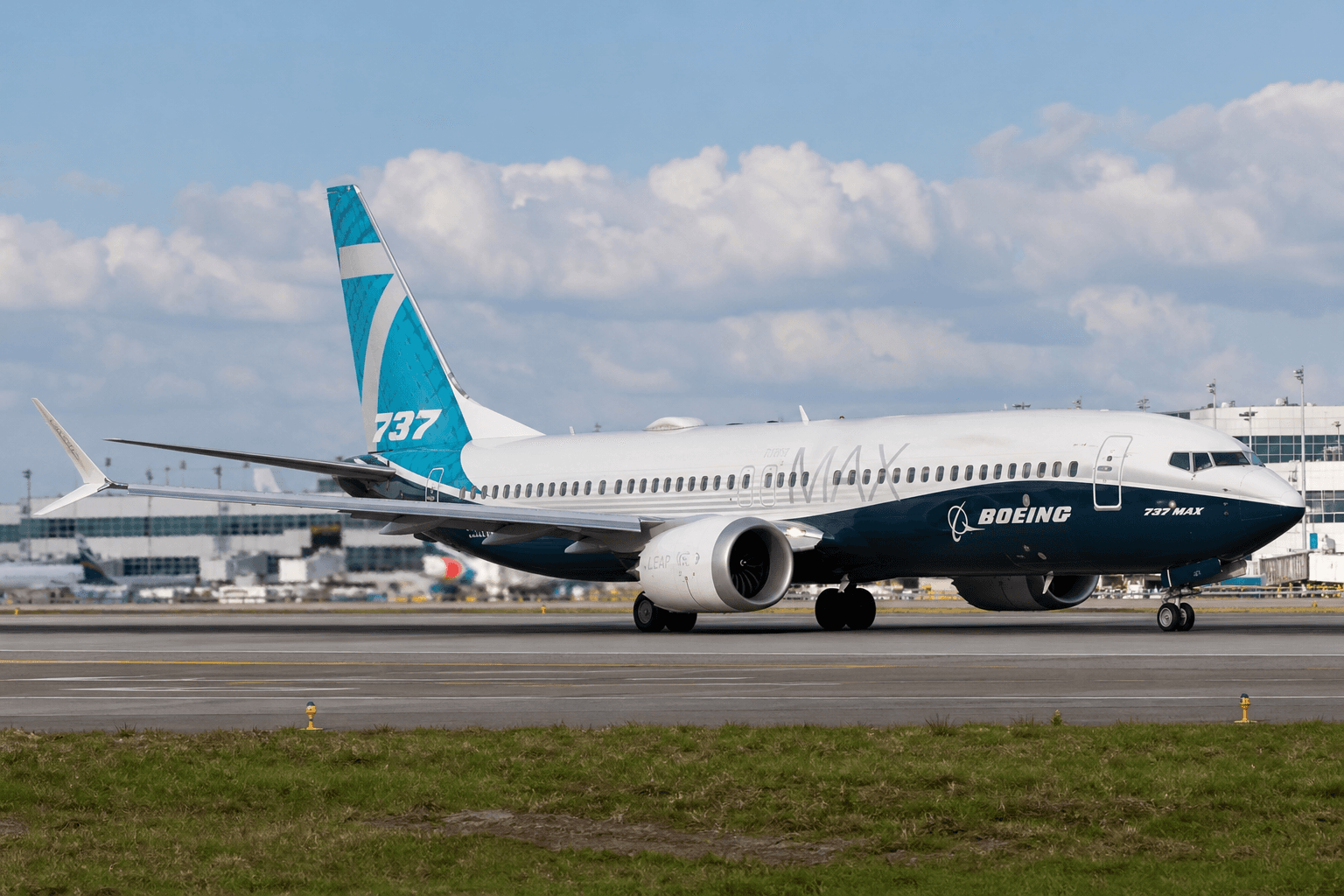
Boeing Delivers 53 Jets in July Amid Airbus Lead in 2026 Production Race
Boeing handed over 53 commercial airplanes in July 2026. The total marks steady progress in the company’s recovery. It also highlights ongoing competition with rival Airbus. ezstandalone.cmd.push(function () { ezstandalone.showAds(119); }); The deliveries included 39 Boeing 737 MAX jets and 10 787 Dreamliners. Boeing also delivered three 767s and one 777 Freighter. These numbers come from the company’s monthly orders and deliveries report. Modest Gain for Boeing, Clear Lead for Airbus July’s total rose about 10 percent from the same month last year. In July 2025, Boeing delivered 48 airplanes. That earlier figure included 37 MAX jets and eight 787s.Still, the July 2026 result fell short of recent highs. ezstandalone.cmd.push(function () { ezstandalone.showAds(127); }); Boeing delivered 60 planes in May and 64 in June. Production timing and customer readiness can cause these monthly swings. Airbus outpaced Boeing in July . The European manufacturer delivered 67 aircraft to 39 customers. That figure included a strong mix of A320-family jets plus several A220s and A350s. ezstandalone.cmd.push(function () { ezstandalone.showAds(128); }); Year-to-date through July 31, the gap remains clear. Airbus has delivered 418 planes. Boeing has delivered 367. Airbus continues to hold the monthly and cumulative lead. Photo Credit: Boeing Boeing’s Production Focus Boeing continues to raise 737 MAX output. The company aims to stabilize rates near 47 jets per month. Regulators earlier lifted tighter limits after past safety issues. The higher pace supports backlog reduction and customer needs. ezstandalone.cmd.push(function () { ezstandalone.showAds(129); }); The 10 Dreamliner deliveries stand out. Boeing delivered 13 of the jets in June but only six in May. Seat certification delays slowed some earlier handovers. July’s total shows progress at the South Carolina factory. Fresh Orders Maintain Momentum July also brought new business for Boeing. Uganda Airlines signed for four 787-9 Dreamliners and four 737 MAX 8s. This marked the African carrier’s first direct order with Boeing. The deal supports fleet growth and more efficient routes. AerCap ordered 15 more 787-9s. The lessor already holds a large Dreamliner portfolio. This addition expands its offerings to airline customers. ezstandalone.cmd.push(function () { ezstandalone.showAds(130); }); Boeing recorded 38 gross orders in July. These covered 18 of the 737 MAX, 19 of the 787, and one 777X. Eight 737 MAX cancellations offset some of the gains. Net orders for the month stood near 30 after adjustments. Through the end of July, Boeing logged 429 net orders for the year. Airbus posted a much stronger sales month with 204 gross orders. The European firm continues to build a larger backlog overall. Photo Credit: Boeing The Bigger Picture Deliveries serve as a useful proxy for factory output. Not every completed plane leaves in the same month it rolls off the line. Customer readiness and final checks can shift the timing. ezstandalone.cmd.push(function () { ezstandalone.showAds(131); }); Boeing trails Airbus in monthly deliveries and year-to-date totals. Yet Boeing’s focus remains clear: steady production increases, quality improvements, and backlog fulfillment. Narrowbody MAX jets drive most volume. Widebody 787s add higher-value activity. Both manufacturers face supply-chain pressures as they chase ambitious full-year targets. Airbus aims near 870 deliveries for 2026. Boeing works to close the gap through higher rates and consistent output. The July data shows Boeing moving in the right direction after earlier challenges. New orders from airlines and lessors keep the pipeline healthy. Industry watchers will track the next rate increases and how the two rivals perform through the rest of the year. ezstandalone.cmd.push(function () { ezstandalone.showAds(132); });
Delta Air Lines Ends Narita Hub Following 2008 Northwest Merger, Shifting Asia Strategy
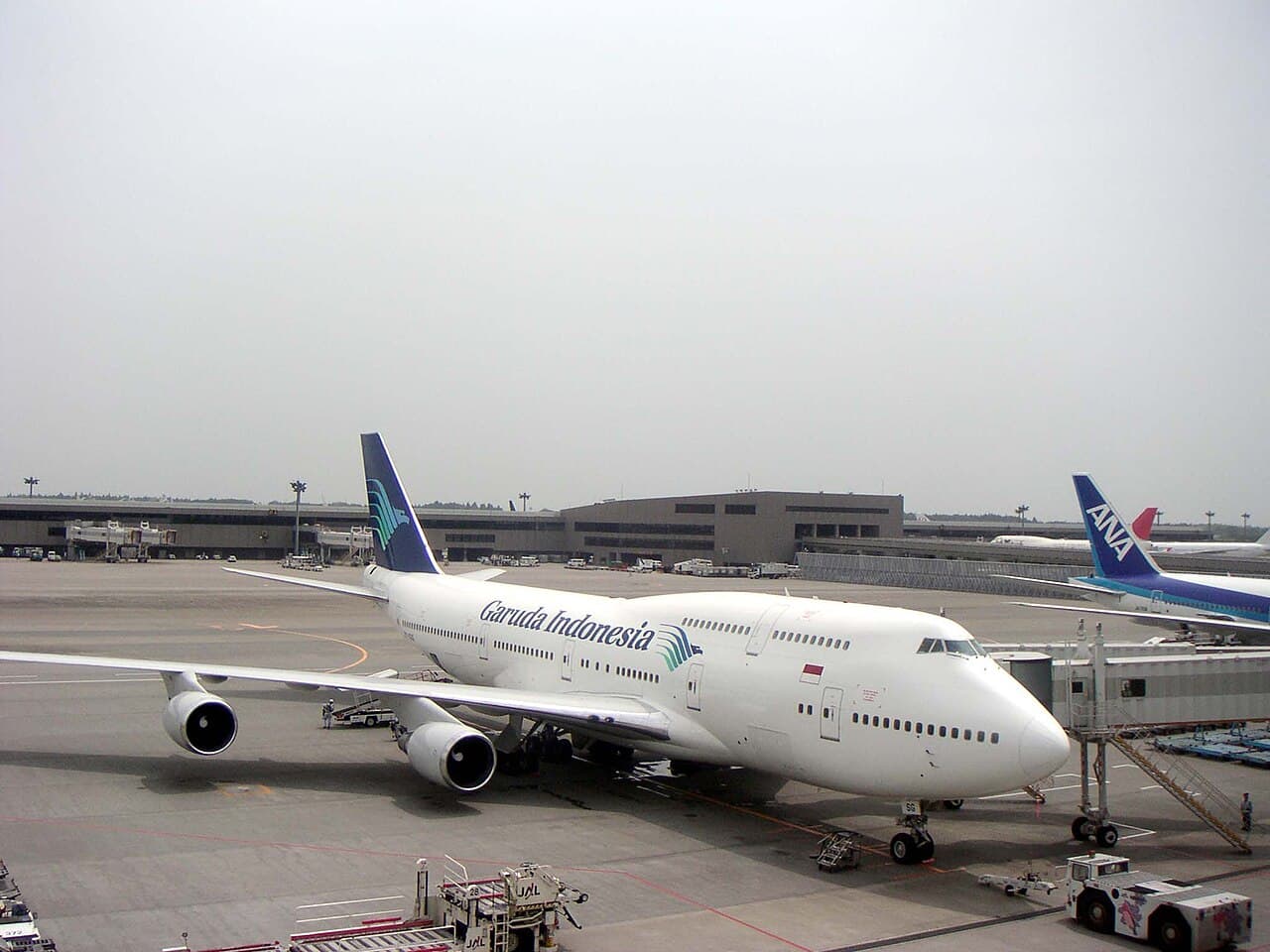
The 2008 merger between Delta Air Lines and Northwest Airlines was the first to create one of the US's current 'mega legacy carriers.' Delta Air Lines and its contemporaries today have hubs spanning the entire country while operating over 1,000 mainline aircraft each.
Air Transat Completes Turnaround Program Amid Lingering Financial Challenges
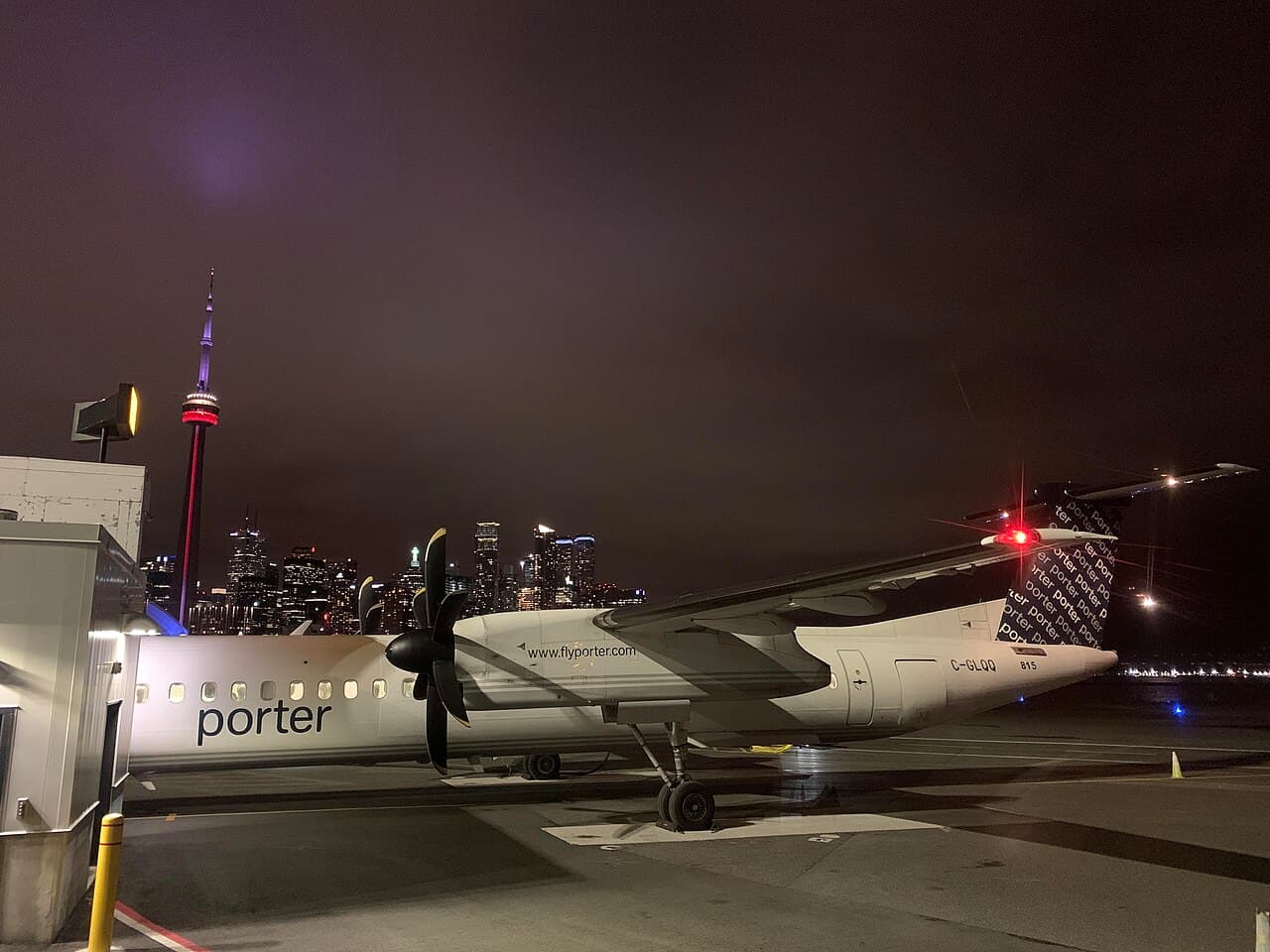
For many Canadians, Air Transat is something of a household name, connecting the country with holiday destinations across Europe, the Caribbean, and Latin America. In 2025, Skytrax named it the "World's Best Leisure Airline" for the seventh time, while management has increasingly emphasized its transformation from a traditional point-to-point leisure airline into a more network-oriented carrier. This forms part of a broader attempt to reinvent the company following several years of severe financial pressure.
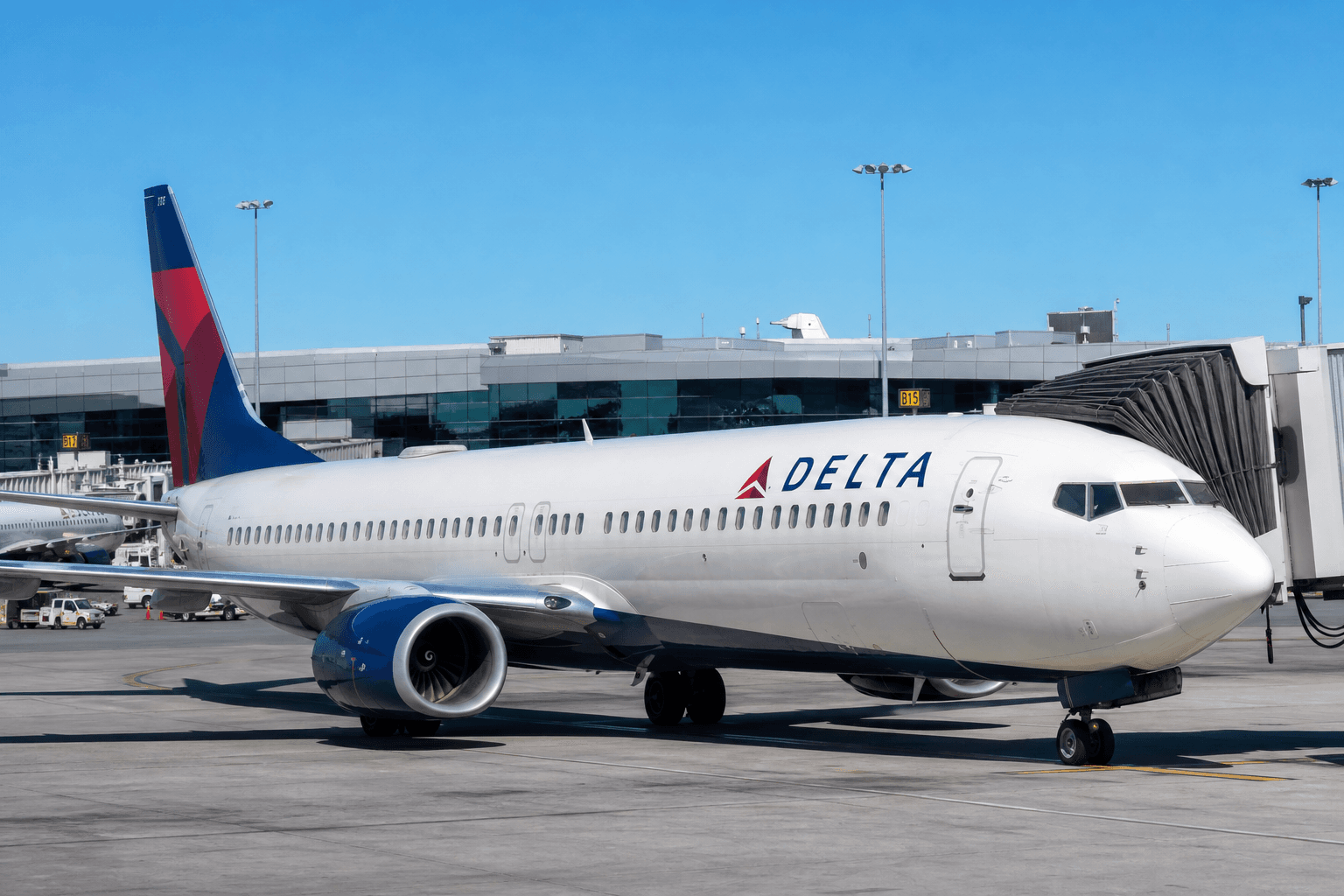
Delta CEO Ed Bastian Often Chooses Economy to Hear Real Passenger Experience
The key to Delta Air Lines' success in recent years has been the premium brand it has built. The carrier's identity today centers around Delta One Suites, glass doors, and a wine list created by master sommeliers that includes far too many bottles to count. The man behind that strategy, for the most part, is Delta Air Lines CEO Ed Bastian. However, he is not sitting behind those doors as you might expect. Rather, he is often in the Main Cabin or perhaps Comfort+.
The Daily Touch & Go
The day's best aviation news in your inbox. Free, no spam.