

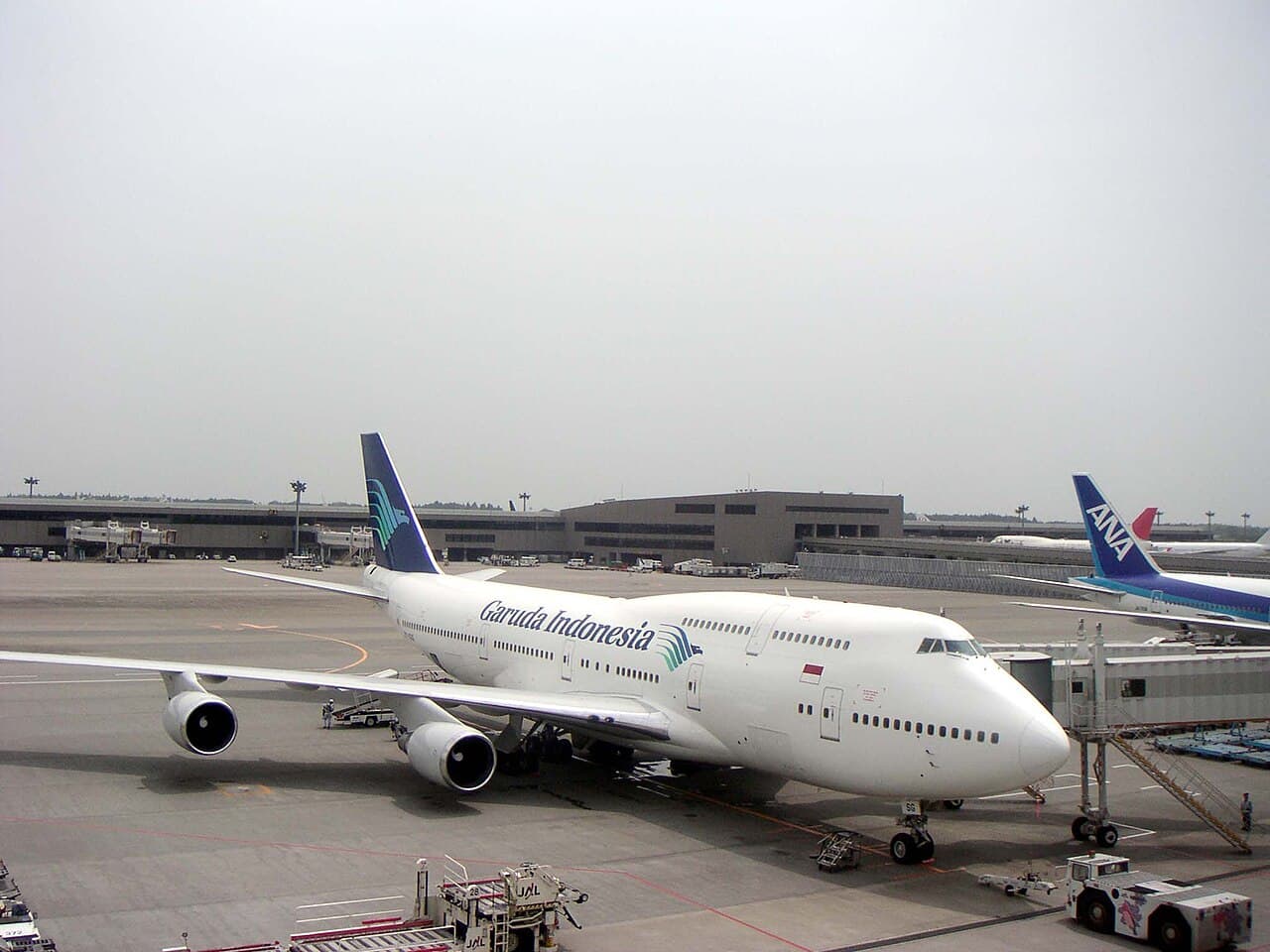
Image: Photo by っ · CC BY-SA 3.0 · via Wikimedia Commons
Delta Air Lines Ends Narita Hub Following 2008 Northwest Merger, Shifting Asia Strategy
After merging with Northwest in 2008, Delta gradually phased out its Narita hub by 2020, reallocating Asian operations to Seattle, Seoul, and Haneda airports.
The gist
Delta abandoned its Narita hub post-Northwest merger, pivoting to Seattle, Seoul, and Haneda to serve Asia-Pacific markets more efficiently.
Continuing coverage
All Delta Air Lines →- Delta CEO Ed Bastian Often Chooses Economy to Hear Real Passenger Experience
- Delta Confirms Seattle-Singapore A350 Flights Marking Asia Expansion
- Federal Judge Approves Class Action for Delta Pilots Denied Paid Military Leave
- US Citizen Detained by ICE at Delta Gate Due to Mistaken Identity
- Delta Pilots End Scheduling Talks, Complicating Efforts to Fix Rising Flight Cancellations
The 2008 merger between Delta Air Lines and Northwest Airlines established one of the United States' largest legacy carriers, creating a network that spans the entire country with over 1,000 mainline aircraft. Initially, this merger combined Delta's hubs in Atlanta, New York, Cincinnati, Salt Lake City, and Los Angeles with Northwest's hubs in Memphis, Detroit, Minneapolis, and Tokyo Narita International Airport, the latter serving as a vital gateway for US-Asia flights.
Northwest had historically focused on its Asian routes from the Narita hub, competing against United Airlines for dominance in transpacific travel. However, after the merger, Delta gradually de-emphasized Narita, reducing flights throughout the 2010s until completely ceasing operations there by 2020. This move marked a significant shift in Delta's approach to serving the Asia-Pacific region.
Prior to the merger, Northwest operated 19 destinations from Narita, covering US-bound flights and connecting intra-Asia routes. Following the downsizing, many of these services were discontinued, including flights to Beijing, Guangzhou, Busan, Guam, Palau, Manila, Saipan, Singapore, and Bangkok. While some US flights transitioned to Tokyo Haneda Airport, much of the intra-Asia network was effectively dismantled on Delta metal, with key cities left unserved directly by Delta as of 2026.
The technological advancements in aircraft range played a key role in the shift away from Narita. Earlier wide-body aircraft like the Boeing 747-200 required a stopover in Tokyo for longer transpacific legs. With the introduction of longer-range planes such as the 747-400, Boeing 777, Airbus A350, and 787, nonstop flights from the US to various Asian cities became feasible and more economical, reducing the strategic importance of Narita as a connecting hub.
In 2012, Delta pivoted to Seattle-Tacoma International Airport as its principal West Coast hub for Asia-Pacific flights, inheriting Northwest’s former services and expanding to include new nonstop routes to Shanghai, Haneda, Seoul, Hong Kong, and Taipei. Seattle's larger domestic feeder network complemented these transpacific routes, allowing for more profitable operations with smaller widebody aircraft. Despite growing competition from Alaska Airlines and foreign carriers in Seattle, Delta has committed to bolstering this hub to maintain its trans-Pacific presence.
Complementing this strategy, Delta expanded its joint venture partnership with Korean Air, effective since 2018, creating a metal-neutral alliance across the Pacific. This arrangement enables the carriers to coordinate schedules, pricing, and share revenue while codesharing flights. Korean Air's Seoul hub effectively replaced Delta’s former intra-Asia operations out of Narita, with many destinations formerly served on Delta now accessible via Korean Air flights. This strategy allows Delta to offer one-stop itineraries beyond US-Asian nonstops without operating these legs themselves.
Delta's increasing focus on nonstop services from US hubs to Asia has manifested in growing operations at Los Angeles International Airport, adding Hong Kong and planning to resume Manila flights in 2027, with Singapore rumored to return as well. The shift reflects Delta's operational preference to own more widebody flying for long-haul routes rather than depending exclusively on partner airlines, in line with its pilots' contract provisions relating to capacity growth.
Ultimately, the Narita hub illustrates a case where traditional hub-and-spoke Asian operations gave way to more direct point-to-point flying and strategic alliance management. Delta’s ability to transition its Asia-Pacific network beyond Narita allowed for a more competitive and efficient network spread across Seattle, Los Angeles, Haneda, and Seoul, adapting to advances in aircraft technology and evolving market demands.
Frequently asked questions
- Why did Delta Air Lines abandon its Tokyo Narita hub?
- Delta phased out the Narita hub due to advances in aircraft range allowing nonstop US-Asia flights, reduced intra-Asia demand on Delta metal, and a shift to more efficient hubs like Seattle and strategic partnerships like with Korean Air in Seoul.
- How does Delta serve the Asia-Pacific region after leaving Narita?
- Delta serves Asia-Pacific mainly through Seattle and Los Angeles hubs with nonstop flights, utilizes Korean Air's Seoul hub for intra-Asia connections via joint venture codesharing, and operates select flights from Tokyo Haneda.
- What role does the partnership with Korean Air play in Delta's Asian network?
- The Delta-Korean Air joint venture enables coordinated scheduling, codesharing, and revenue sharing that effectively replaces Delta’s former Narita intra-Asia flights with Korean Air-operated segments through Seoul, broadening network reach efficiently.
Read more
All Airlines →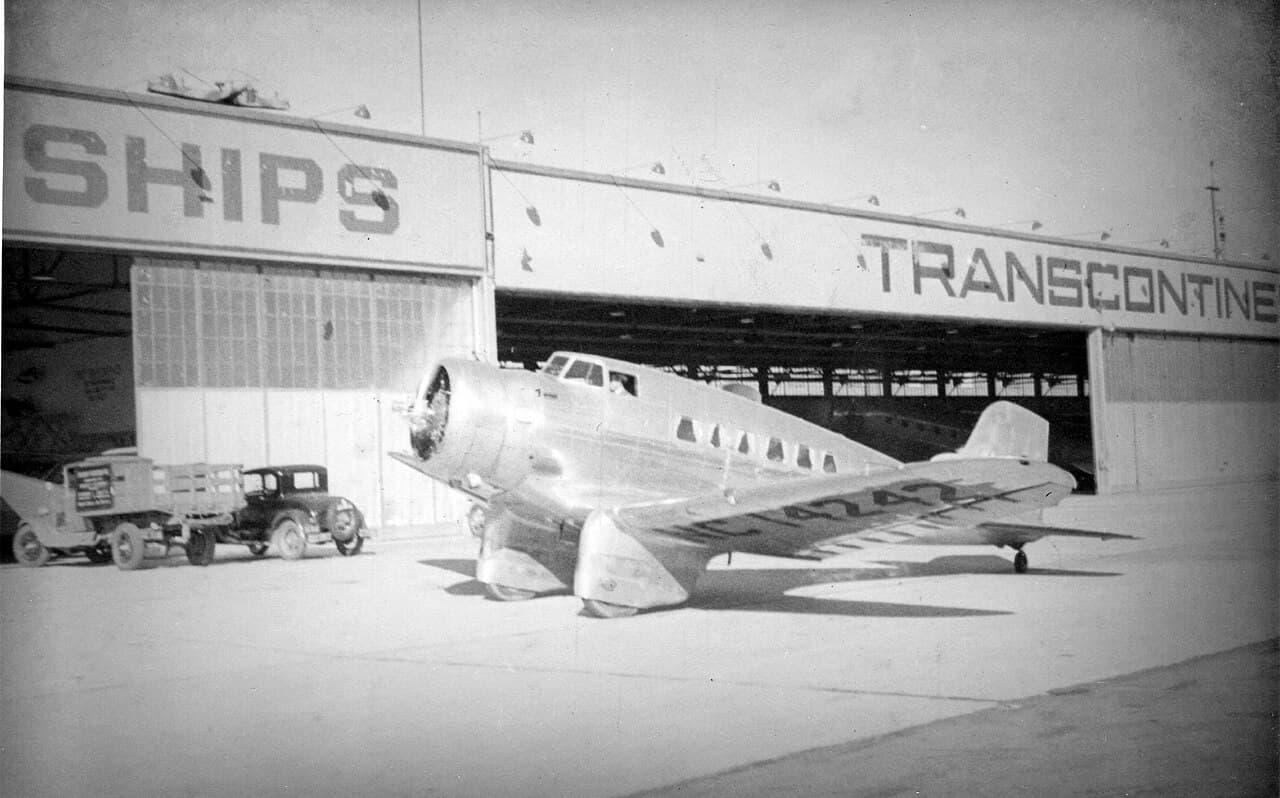
Delta Pilots End Scheduling Talks, Complicating Efforts to Fix Rising Flight Cancellations
Delta's summer cancellation problem may not get fixed quickly after pilot scheduling talks broke down and the union voted to return to traditional contract negotiations. Delta canceled nearly 3% of its flights in July, worse than American and United and more than twice Southwest's rate, and the pilot scheduling issues that management itself identified are now likely to become part of a broader contract fight.
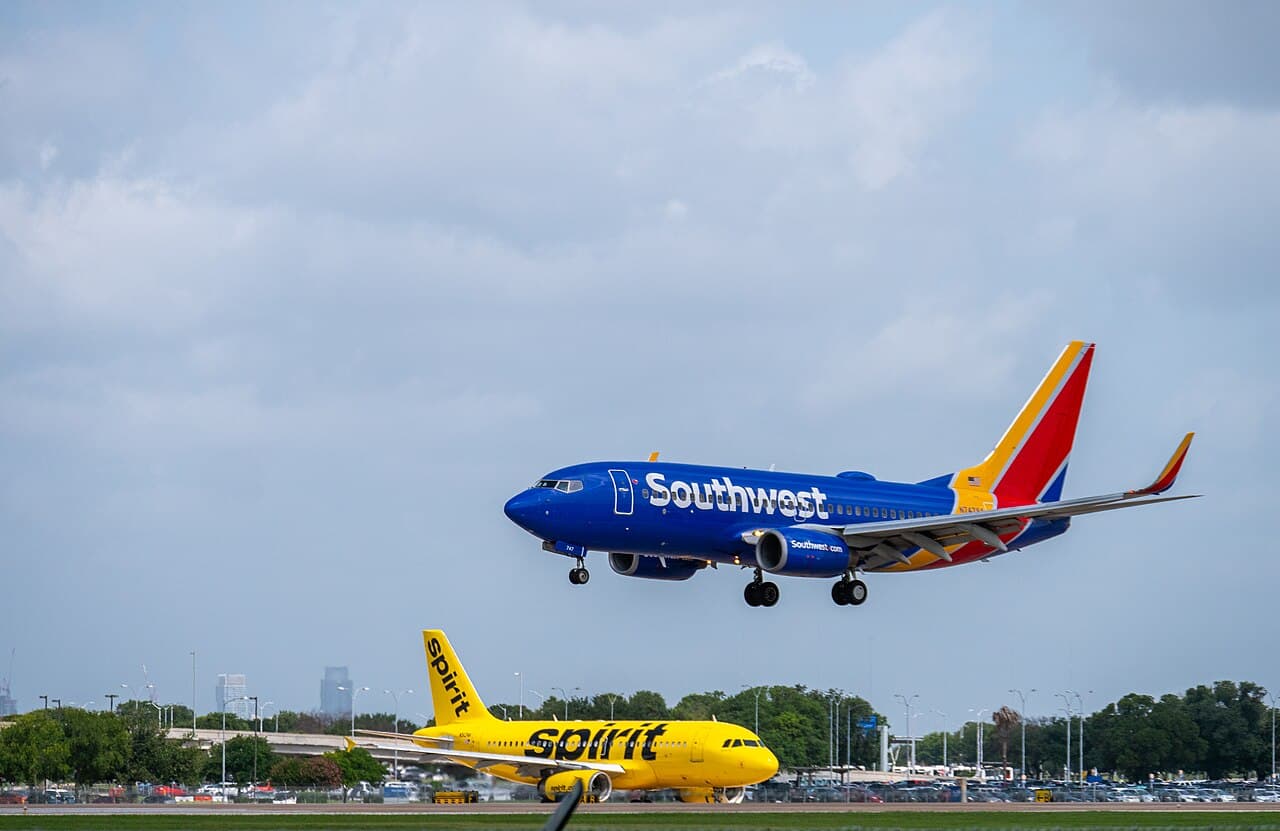
Delta to Launch Nonstop Austin-Paris Flight in Summer 2027 Alongside Austin-San Diego Service
Delta is expected to announce Austin–Paris nonstop service for summer 2027, along with new Austin–San Diego flying, marking a major step in its Austin build-up. The Paris route fits Delta's larger strategy to grow in a lucrative Amex card market.
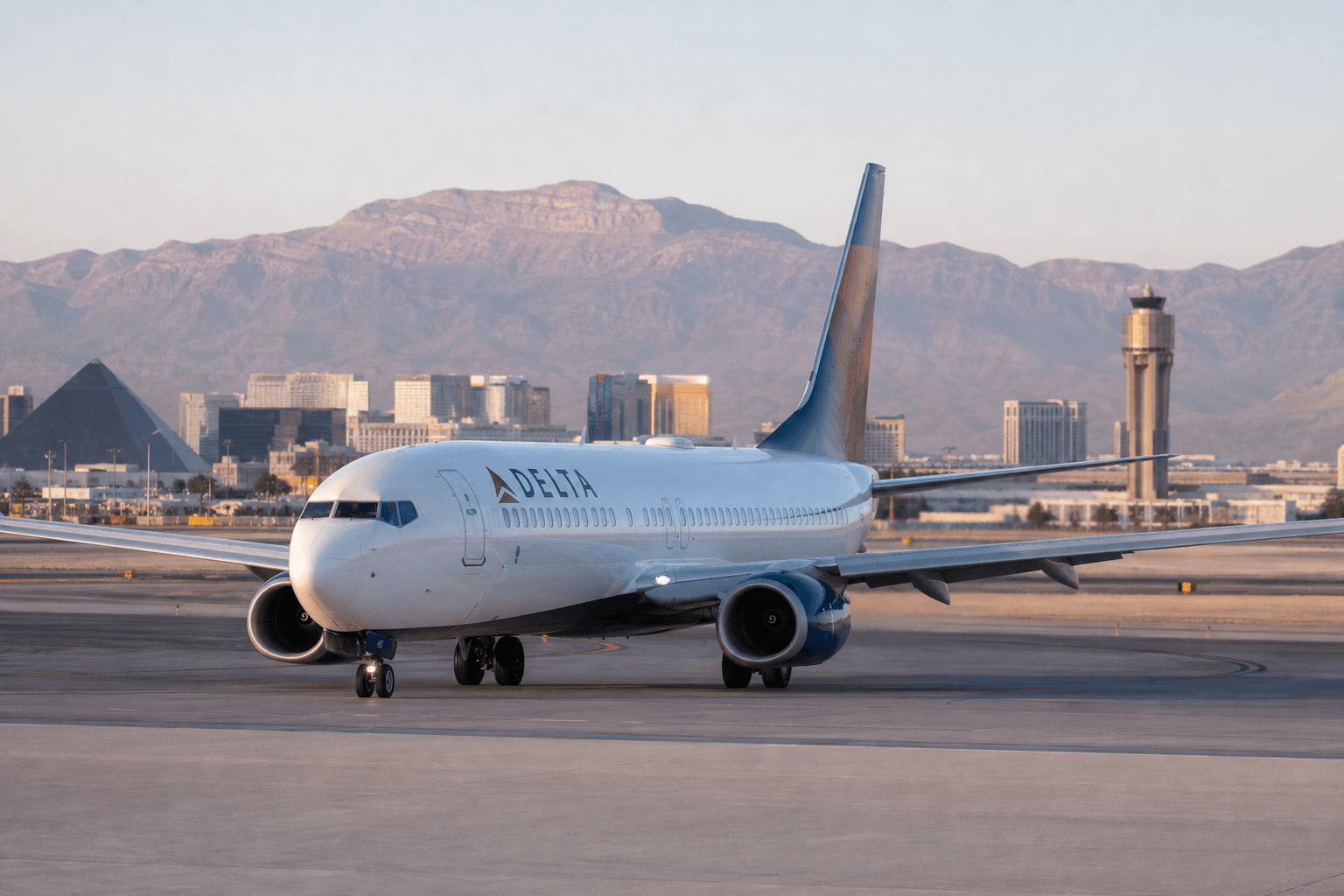
Delta Flight from Las Vegas Faces Inflight Wi-Fi Scam After DEF CON
Delta flight 591 from Las Vegas to Atlanta became a post-DEF CON Wi-Fi scare after the crew reported that passengers had created a fake "Delta WiFi Fast" network and "jammed" the inflight internet. The plane itself does not appear to have been at risk, but phishing passengers, disrupting onboard Wi-Fi, or impersonating Delta's network could still create serious legal trouble.
Air Transat Completes Turnaround Program Amid Lingering Financial Challenges
For many Canadians, Air Transat is something of a household name, connecting the country with holiday destinations across Europe, the Caribbean, and Latin America. In 2025, Skytrax named it the "World's Best Leisure Airline" for the seventh time, while management has increasingly emphasized its transformation from a traditional point-to-point leisure airline into a more network-oriented carrier. This forms part of a broader attempt to reinvent the company following several years of severe financial pressure.
The Daily Touch & Go
The day's best aviation news in your inbox. Free, no spam.