

Illustration: The Touch & Go
Embraer fully acquires Mexico-based EZ Air Interiors, expands Brazilian manufacturing assets
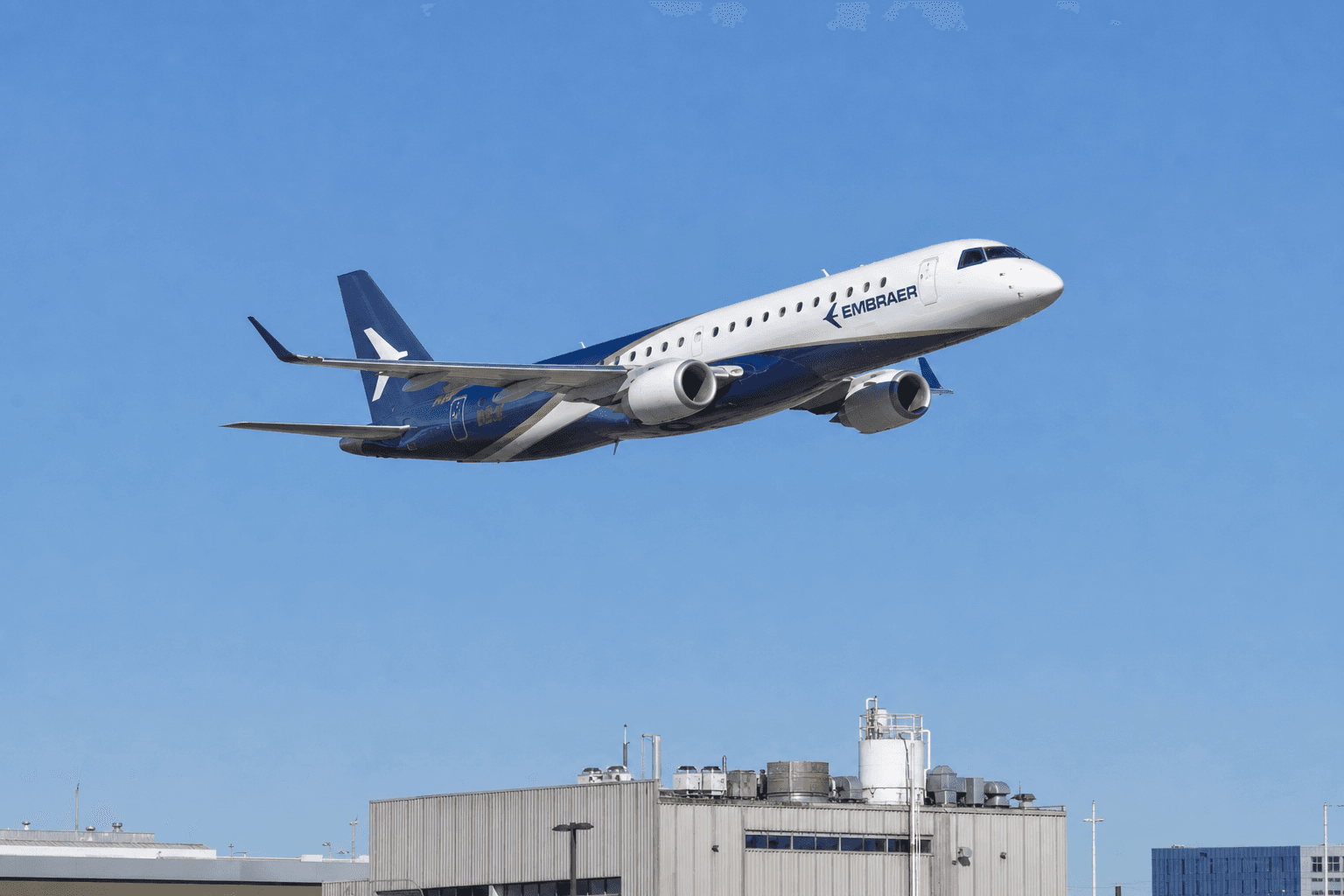
Embraer has completed the purchase of Safran's 50% stake in EZ Air Interior and acquired engineering and manufacturing operations in Jacarei, Brazil.
The gist
Embraer now wholly owns Mexican cabin interiors firm EZ Air and expands Brazilian engineering footprint.
Continuing coverage
All Safran →Embraer has finalized its acquisition of the remaining 50% share of EZ Air Interior from Safran, taking full ownership of the Mexican cabin-component manufacturer. This move strengthens Embraer's vertical integration on the cabin products for its E-Jet family. EZ Air, based in Chihuahua, Mexico, produces a range of aircraft interior elements including galleys, lavatories, flooring, and overhead bins specifically designed for Embraer's E-Jet commercial jets.
In addition to acquiring Safran’s stake in EZ Air, Embraer has secured certain engineering and manufacturing assets located in Jacarei, Brazil. These assets are dedicated to work on the E-Jet program, further consolidating Embraer’s in-house production capabilities. However, Safran retains Brazilian engineering activities that are not related to Embraer’s aircraft, maintaining its other aerospace business segments.
The acquisition aligns with Embraer’s ongoing strategy to expand and optimize its operations across the Americas. Francisco Gomes Neto, Embraer’s CEO, characterized the transaction as a strategic move to broaden the company’s manufacturing and engineering footprint. Taking full control of EZ Air enables Embraer to enhance supply chain integration and improve customization of cabin interiors for its regional jet family.
EZ Air was originally established in 2012 as a joint venture between Embraer and Zodiac Aerospace with the explicit purpose of supplying cabin interior components to Embraer’s E-Jet series. In 2018, Safran acquired Zodiac Aerospace, assuming its 50% stake in EZ Air. Embraer’s latest move to acquire Safran’s share reunifies the ownership and operational control fully under Embraer’s corporate umbrella.
The E-Jet family, which includes models like the E175 and E190, represents a significant portion of Embraer’s commercial aircraft sales and operations. Cabin interiors such as galley units and lavatories are critical to the customer experience on these regional jets. By consolidating EZ Air, Embraer gains more direct oversight over production timelines and component quality, which can contribute to better aircraft delivery schedules and customer satisfaction.
For Embraer, having dedicated manufacturing capacity both in Mexico and Brazil allows for distributed production that can help manage costs and provide logistical advantages. The Chihuahua facility leverages Mexico’s aerospace manufacturing base, while Jacarei remains a key site in Brazil for engineering and production aligned with Embraer’s primary operations.
Safran’s decision to divest its stake in EZ Air and transfer specific engineering and production assets to Embraer reflects a narrowing of its focus away from Embraer-only product lines. Despite the divestment, Safran continues to maintain complementary aerospace engineering businesses in Brazil unrelated to Embraer, preserving its presence in the region.
This acquisition exemplifies the broader trend among airframers to internalize more aircraft component manufacturing to reduce reliance on third-party suppliers and to streamline design-to-production processes. For Embraer, taking full ownership of EZ Air solidifies control over a vital segment of its supply chain, which will continue to support the E-Jet program’s market presence in regional air transport.
Read more
All Airlines →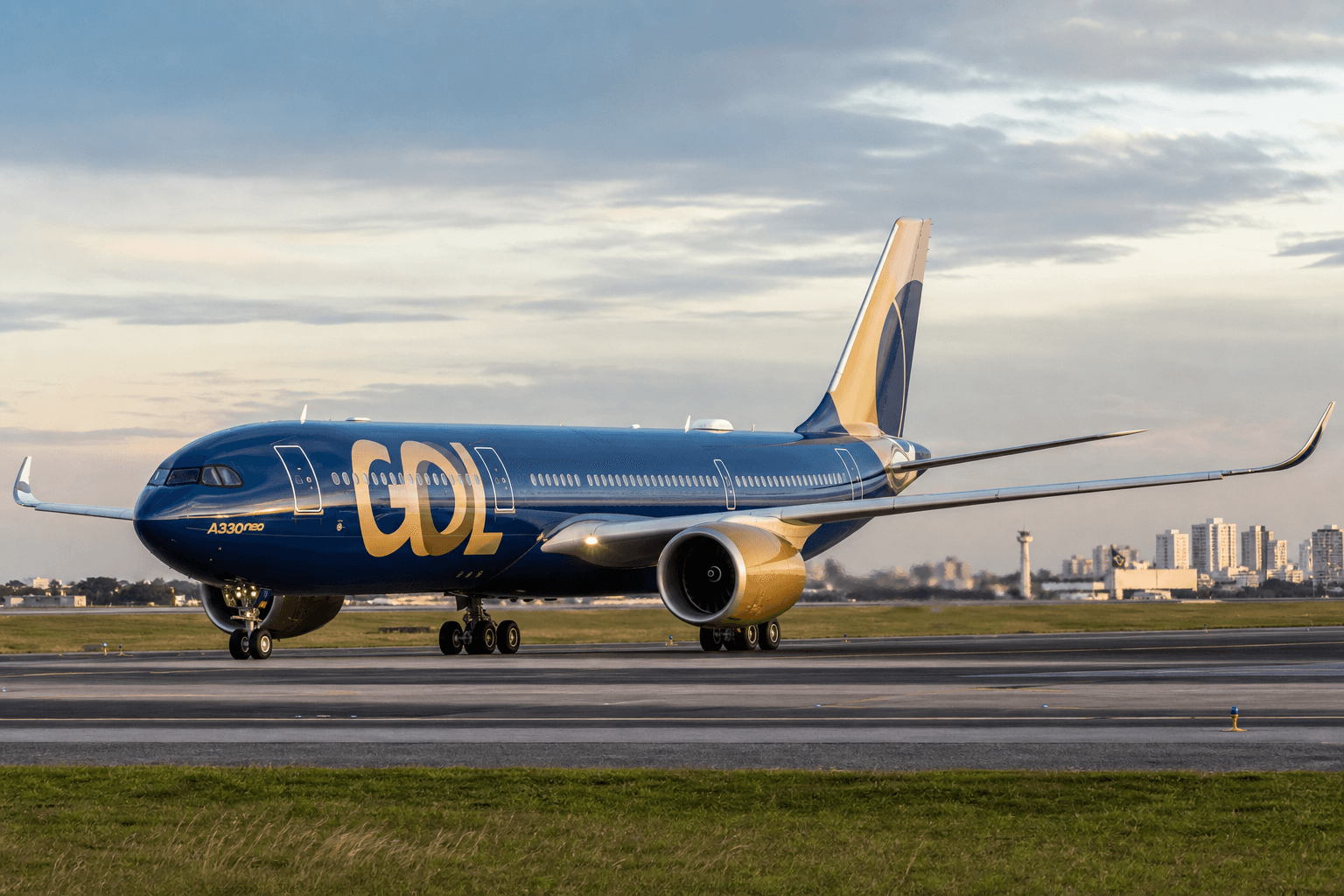
Gol names Andre Fehlauer as CEO amid international expansion plans
Abra Group has major international ambitions for Gol. Brazil's Gol Linhas Aereas has appointed a new chief executive and president. Andre Fehlauer will take over as chief executive officer effective September 2026, succeeding Celso Ferrer. Albert Perez will add president to his current role of chief operating officer. Fehlauer previously served as chief executive of Livelo, a loyalty points provider. He previously worked at Gol for eight years at Smiles, Gol's loyalty programme. As chief executive, Ferrer "played a pivotal role in guiding Gol through a transformative period and positioning the airline for its next phase of growth", says parent company Abra Group's chief executive Adrian Neuhauser. Ferrer has served as chief executive since 2022, taking over amid a major deal with Avianca to form Abra Group. He also steered Gol through its 2024 Chapter 11 bankruptcy. Abra has big ambitions for Gol's international growth . The airline is set to receive the first of five Airbus A330-900neos from lessor Avolon by the end of the year and has its eyes on more. Its first major international route to New York from Rio de Janeiro also launched this year , operated by Wamos Air until the A330neos are delivered. Gol plans to start flights between Rio and Lisbon in September, and to Orlando and Paris by the end of the year.
Modern jet engines cut commercial aircraft fuel burn by up to 15 percent over predecessors
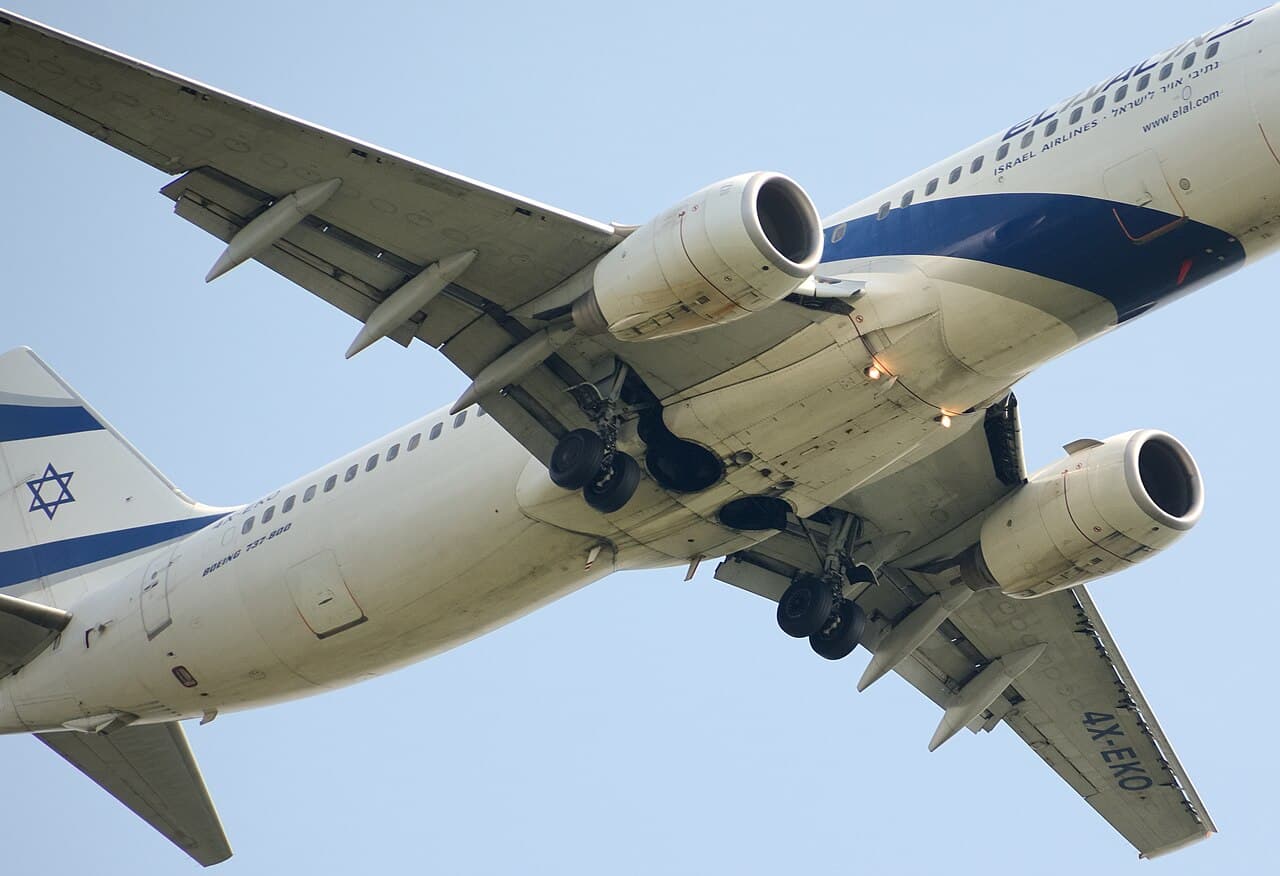
The primary driver of aircraft efficiency today is the engines. While advances in aerodynamics and materials do cut down on fuel burn as well, the engine is the main determinant as to how much fuel an aircraft burns, and older planes equipped with new engines tend to be more than competitive against a clean-sheet aircraft. During the start of the Jet Age, manufacturers were primarily focused on increasing power, with fuel efficiency being a second priority, but as technology has developed, this has changed.
BOC Aviation, Avolon, SMBC and AerCap Dominate Global Widebody Leasing Market
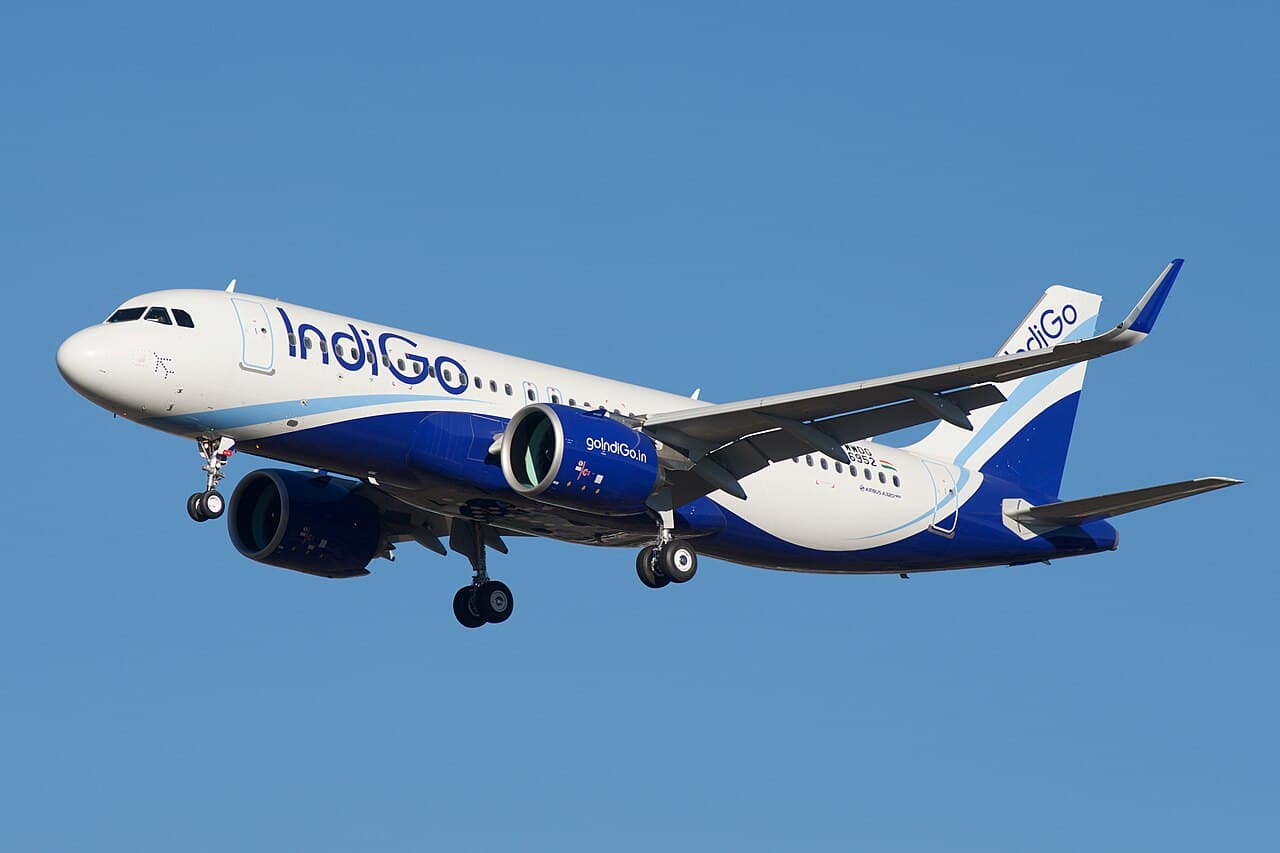
Approximately half of all commercial aircraft in service worldwide are operated on lease rather than owned outright by the airline flying them. When a passenger boards a Delta Air Lines Airbus A330-900neo or a Ryanair Boeing 737 MAX 8, there is roughly a 50% chance that the aircraft belongs to a leasing company that purchased it from Airbus or Boeing and leases it to the airline under a long-term contract. The airline pays a monthly lease rate, operates the aircraft on its own routes with its own crews, and returns it to the lessor at the end of the term. The lessor retains ownership throughout and places the aircraft with another operator when the lease expires.
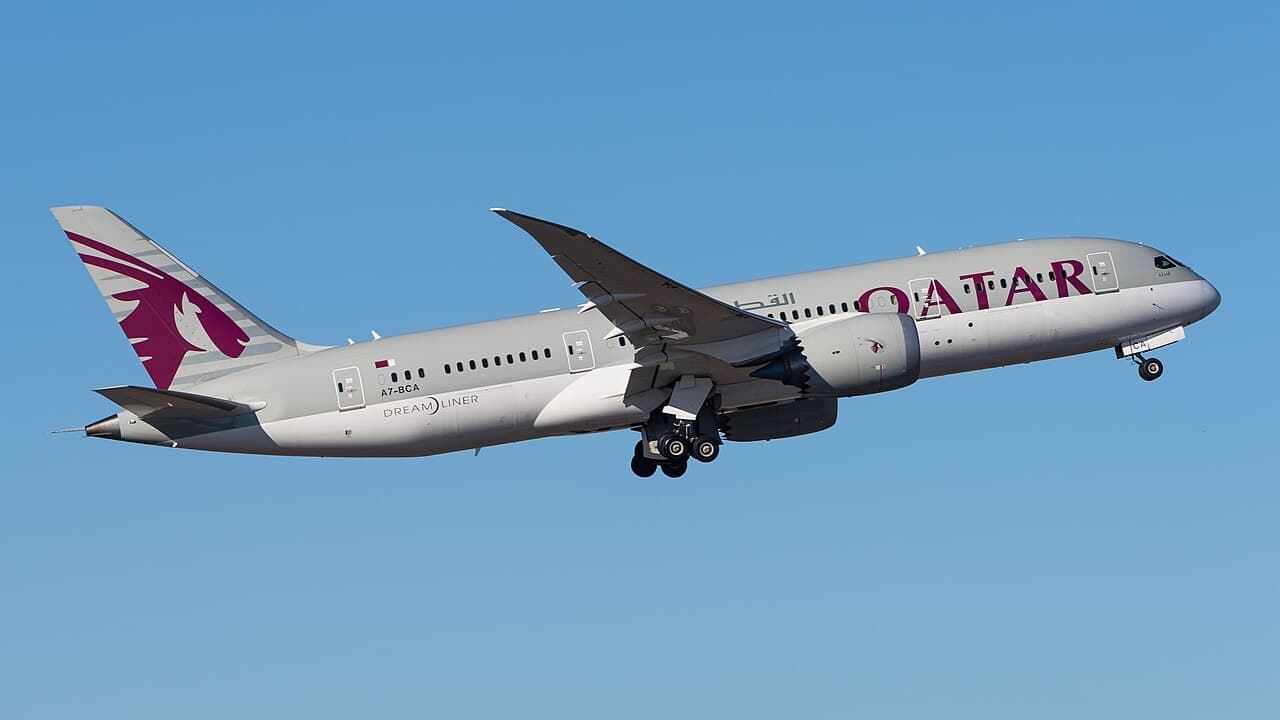
Boeing 787 vs Airbus A330neo: Cost, Orders, and Operating Efficiency Compared
The current commercial aviation landscape is dominated by Boeing and Airbus . The two companies directly compete for contracts with the world's largest aircraft operators, and has resulted in an effective duopoly since the 1990s. Today, the Airbus A330neo family and Boeing 787 Dreamliner family compete for market share in the mid-sized widebody category.
The Daily Touch & Go
The day's best aviation news in your inbox. Free, no spam.