

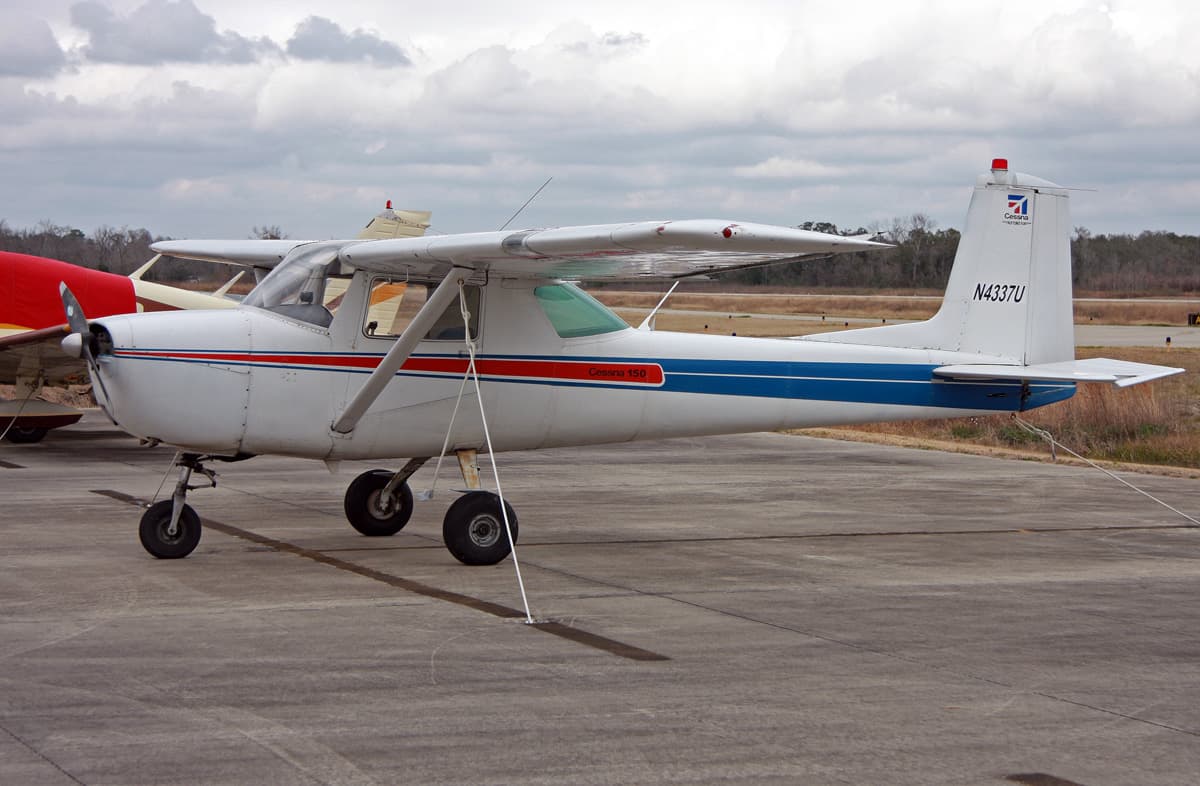
Image: Pete Webber from SWINDON, United Kingdom · CC BY-SA 2.0 · via Wikimedia Commons
FAA Rules Texas Airport Violated Federal Rules by Selling Land for Nearby Housing Development
The FAA found Pearland Regional Airport owner violated four federal grant assurances by selling airport land for a large residential project next to the airport.
The gist
FAA slaps Pearland Regional Airport owner for unauthorized land sale enabling incompatible housing near the airport.
The Federal Aviation Administration (FAA) has officially determined that the private owner of Pearland Regional Airport near Houston breached several federal grant assurances by selling airport land to a developer building hundreds of nearby homes. This sale, completed in May 2022, allowed construction of about 420 residential units on a 55-acre site adjacent to the airport, something the FAA says directly conflicts with airport obligations tied to federal funding.
Clover Acquisition Corp., the private company that owns Pearland Regional Airport, was ordered by the FAA to submit a corrective action plan within 30 days to address and resolve the violation. The deadline has since been extended to September 30, with Clover required to explain how it will return the airport to compliance with federal grant assurances. Pending acceptance of this plan, the FAA said it will urge the Texas Department of Transportation (TxDOT) to withhold approval of any federal funding requests submitted by Clover for airport improvements.
In July 2022, TxDOT alerted Clover to concerns raised by the Aircraft Owners and Pilots Association (AOPA) and other airport users about the proposed residential development. TxDOT referred the matter to the FAA, which independently opened an investigation under Part 16 of FAA regulations. This proactive move by the FAA highlights the seriousness with which it viewed the situation, as investigations typically require formal complaints.
The FAA’s findings center on Clover's May 2022 sale of 41 acres at Pearland Regional Airport to The Landing at Pearland developers for $10 plus other considerations, plus the granting of a permanent drainage easement across federally obligated land—all without FAA approval. Such grant assurances are conditions tied to federal funding designed to maintain airport safety and promote compatible land use around airports.
The FAA found Clover violated four specific grant assurances: Grant Assurance 5, concerning preserving sponsor rights and powers; Grant Assurance 20, about hazard removal and mitigation; Grant Assurance 21, which covers compatible land use; and Grant Assurance 29, related to adherence to the airport layout plan. Additionally, the unauthorized drainage easement was found to violate federal law.
Particularly critical was the FAA's conclusion that placing approximately 420 homes immediately adjacent to a federally obligated airport is fundamentally incompatible. The FAA noted that portions of the new residential area fall within the 65-decibel day-night average sound level (DNL) contour outlined in the FAA-approved airport layout plan, signaling prior knowledge of the incompatibility by Clover before the land sale. This finding underscores the FAA’s strict stance on protecting airports from encroaching incompatible development.
The FAA also flagged environmental and operational safety concerns stemming from the developer’s construction of a large detention pond next to the runway area. The airport did not conduct required wildlife hazard assessments or issue warnings about potential increased bird activity near the pond. The detention pond is positioned on land the airport had reserved in its layout plan for a future parallel taxiway, raising concerns about the long-term operational impact.
Since 2022, Clover has defended its actions by asserting that no federally obligated land was sold, arguing the drainage area had no aeronautical use, and noting it retains a 20-percent ownership stake in The Landing development, which they claim allows imposing restrictions on residents to mitigate issues. The FAA rejected these arguments, stating Clover offered no evidence of that equity stake and emphasized that homeowner restrictions cannot substitute for preventing fundamentally incompatible development the airport sponsor could have halted under federal grant assurances.
Frequently asked questions
- What federal rules did Pearland Regional Airport violate by selling land?
- Pearland Regional Airport violated four FAA federal grant assurances: Preserving Rights and Powers, Hazard Removal and Mitigation, Compatible Land Use, and Airport Layout Plan requirements.
- Why is building residential homes near Pearland Regional Airport a concern for the FAA?
- The residential development is within the 65-decibel day-night average sound contour of the airport, making it incompatible land use that threatens airport operations and safety.
- What actions has the FAA taken in response to the land sale and development?
- The FAA ordered Clover Acquisition Corp. to submit a corrective action plan by September 30 and currently recommends withholding federal grants for the airport until compliance is restored.
Read more
All Regulatory →
Controllers' high sick rates worsened Northeast flight disruptions amid thunderstorms
Nearly 11,000 flights were delayed or canceled Friday as thunderstorms hammered the Northeast and air traffic control staffing problems made recovery harder. Transportation Secretary Sean Duffy blamed controllers calling out sick, but FAA advisories throughout the day suggest weather was the primary driver, with staffing constraints becoming a compounding problem rather than the whole story.
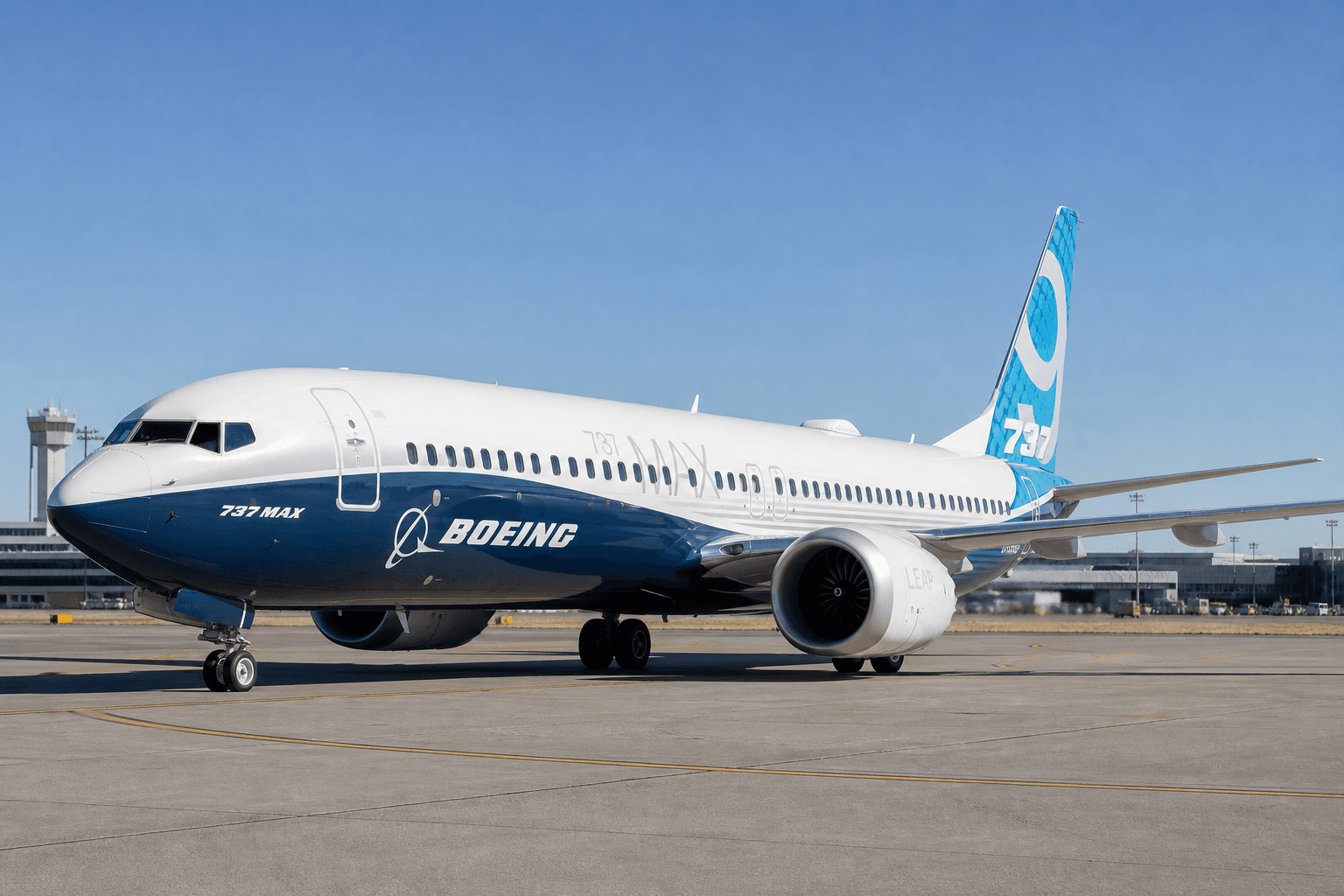
FAA prioritizes certifying Boeing 737 MAX 7 and MAX 10 before 777-9 amid extensive delays
Boeing currently has three aircraft models that have been stuck in certification hell for years: the 737 MAX 7, the MAX 10, and the 777-9. All three of these were supposed to be certified between 2019 and 2020 when initially launched, but over six years later, Boeing has not delivered a single example to an airline. Certification and entry-into-service for all three have been continuously delayed, but earlier in 2026, Boeing provided a more concise timeline. The 737 MAX 7 and MAX 10 will be certified by the end of the 2026 summer season, while the 777-9 will come in 2027.
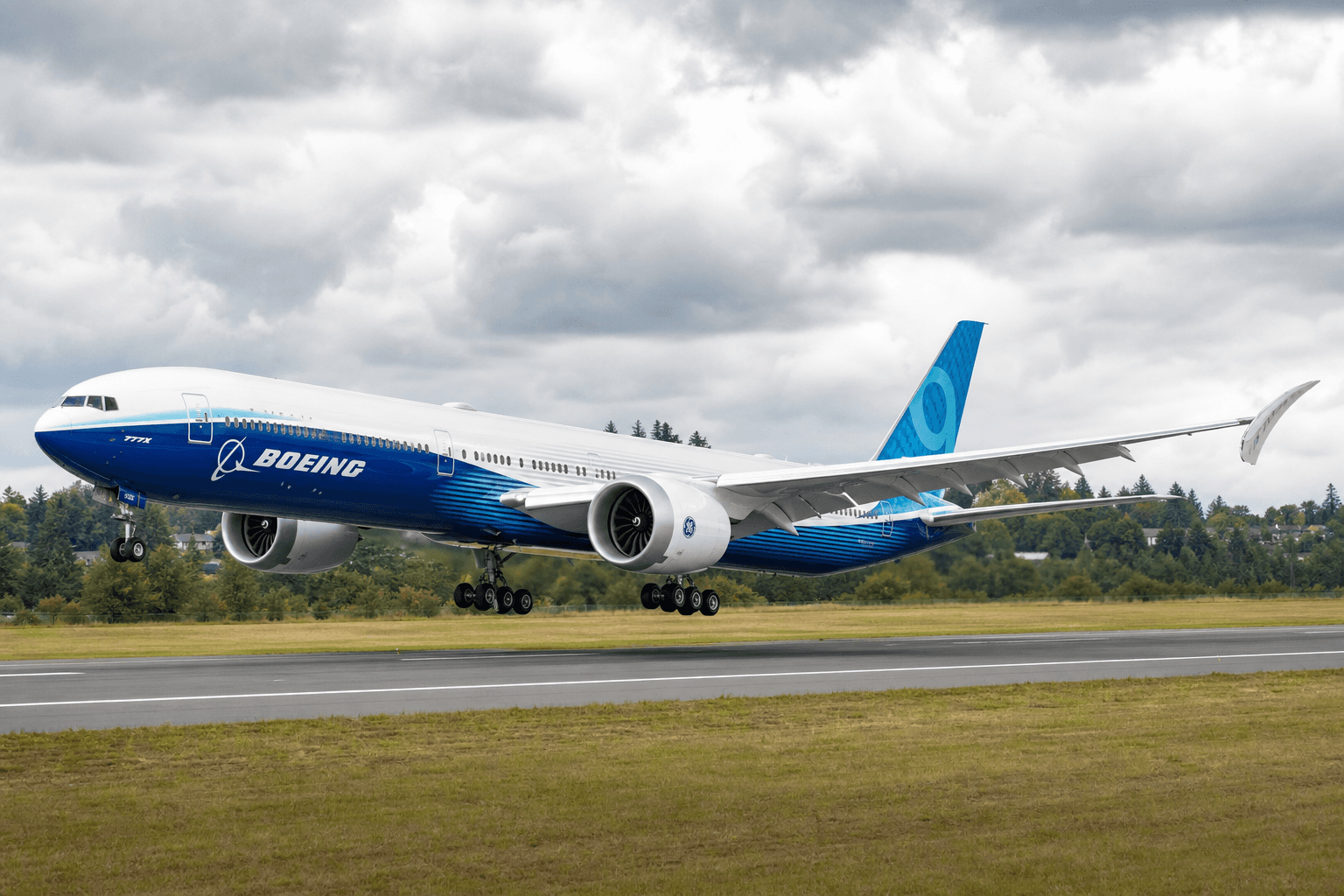
Boeing 777X Delays Cost Exceed Entire Airbus A350 Development
Few commercial aircraft programs have experienced a certification journey as prolonged as the Boeing 777X . Originally expected to enter airline service in 2020, the latest member of the 777 family is now scheduled to arrive in 2027, representing a delay of roughly seven years.
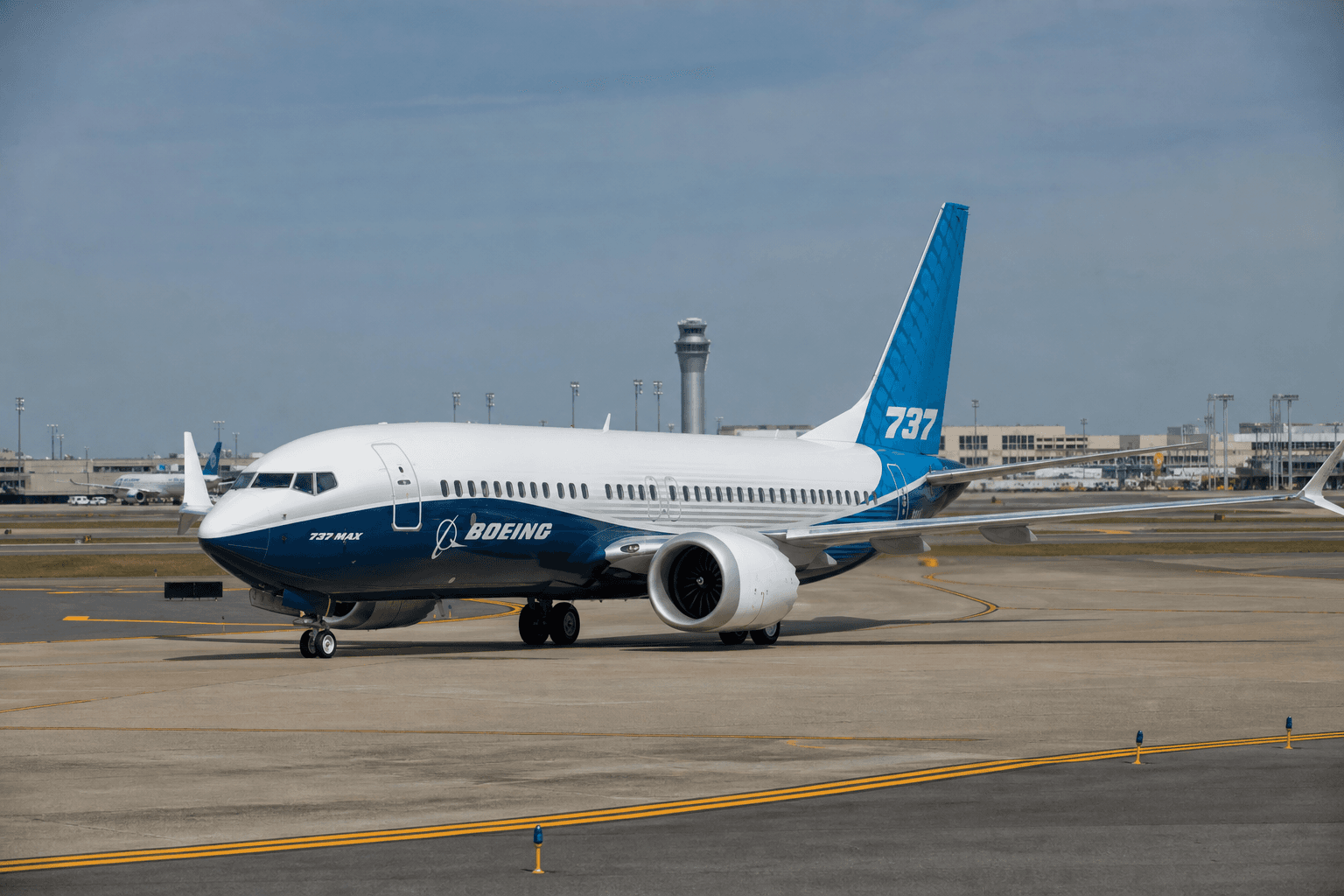
FAA Signals Imminent Certification for Boeing 737 MAX 7, MAX 10, and 777X Jets
Reuters spoke with the Deputy Administrator of the Federal Aviation Administration, Chris Rocheleau, on the opening day of the Farnborough Airshow, about the expected certification of Boeing's single-aisle 737 MAX 7, MAX 10, and widebody 777X . He commented that the agency expects all three to be certified in the near future.
The Daily Touch & Go
The day's best aviation news in your inbox. Free, no spam.