

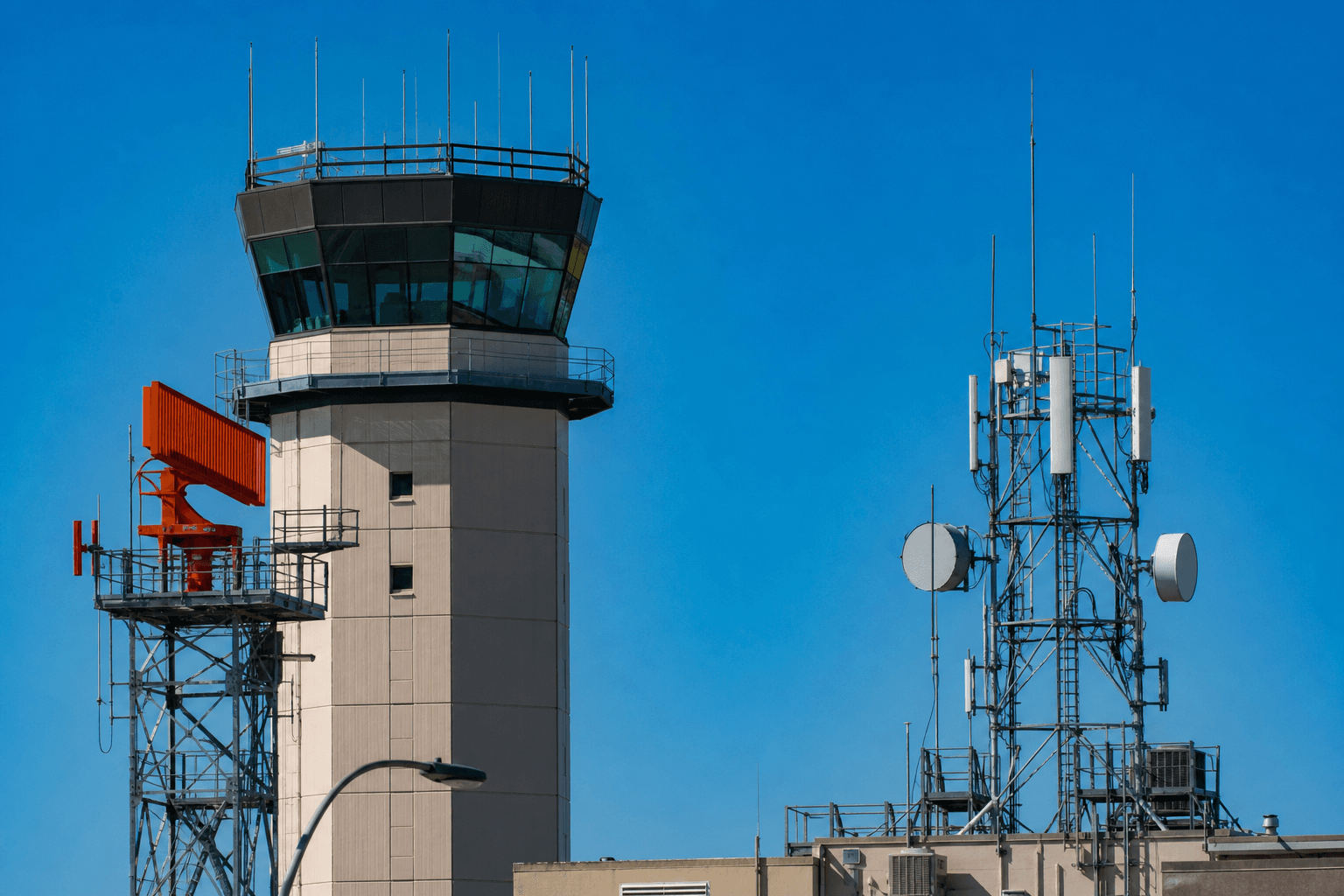
Illustration: The Touch & Go
FAA Considers Reducing Peraton's Role in Air Traffic Control Modernization
FAA is reportedly reviewing the integration role of prime contractor Peraton due to concerns over delays and subcontractor oversight in the air traffic control modernization project.
The gist
FAA may cut back Peraton's role amid integration challenges and schedule delays in the ATC modernization effort.
Continuing coverage
All Faa →- FAA Opposes Cleveland's Plan to Close Burke Lakefront Airport; Congressional Override Lacks Support
- BETA Begins Three-Week Electric Aircraft Test Flights in Southeast Texas
- FAA assigns AT&T central role in $2 billion air traffic network overhaul
- FAA and Ohio Senators Firmly Oppose Closure of Burke Lakefront Airport
- FAA Seeks Billions More to Fund CAP Automation Amid Growing Industry Competition
The Federal Aviation Administration is evaluating whether to scale back the responsibilities of Peraton in the ongoing air traffic control modernization program. This review comes less than a year after Peraton was awarded a $1.5 billion contract as the prime integrator tasked with coordinating various contractors and technologies involved in the project. The program aims to upgrade critical ATC infrastructure including telecommunications, radar, and software by the end of 2028.
Reports indicate that Peraton has struggled to make substantial progress since the contract began. Sources familiar with internal discussions have highlighted that Peraton has yet to produce significant work outputs, raising concerns about subcontractor oversight and delays, particularly regarding projects at an FAA facility in Alaska. This has prompted FAA officials to question whether Peraton can fulfill the integrator role effectively under current conditions.
A complicating factor appears to be the FAA’s retention of strong control over individual modernization projects, which has limited Peraton’s operational autonomy. The prime contractor’s role as lead integrator relies on close collaboration with FAA personnel, but sources suggest that the agency's management approach has restricted direct engagement between Peraton and internal teams. This dynamic may be impeding the contractor's ability to streamline operations and adhere to schedules.
Despite these reported challenges, the FAA has officially stated that significant progress is ongoing in the modernization program. The agency has neither penalized Peraton for underperformance nor issued any formal warnings that could jeopardize the contract. Similarly, Peraton has denied claims of delays or issues and maintains that the project is advancing as originally planned.
The modernization initiative, announced by the Department of Transportation last December alongside Peraton’s contract award, represents a critical effort to replace outdated air traffic control infrastructure across the United States. The upgrades include deploying new voice switches, radar systems, and integrated software and hardware intended to enhance safety and efficiency in the national airspace system.
A key deadline for the modernization project is set for the end of 2028. The contract with Peraton includes performance mechanisms such as financial penalties for unnecessary delays or poor-quality work, reflecting the high stakes and expectations attached to this extensive infrastructure overhaul. These safeguards underline the importance of timely and coordinated progress among all involved parties.
At the core of the current issues is the challenge of integrating a complex web of contractors and legacy systems into a cohesive operational upgrade. Given the scale, any coordination difficulties or bottlenecks may cause cascading schedule impacts. Thus, FAA’s consideration to reduce Peraton’s role as lead integrator can be seen as an effort to recalibrate project management and ensure delivery milestones are met.
The Alaska facility project has emerged as a particular pain point triggering scrutiny. As part of the modernization scope, work conducted there carries strategic importance for the broader telecommunications upgrade. Delays or lapses in oversight at this site highlight the risks inherent in managing multiple subcontractors under a single prime, especially when agency involvement limits contractor flexibility.
Resolving these integration challenges will be pivotal to the modernization program’s success. The FAA’s careful monitoring and willingness to reconsider prime contractor roles demonstrate the sensitivity and complexity involved in upgrading the nation’s aviation infrastructure while maintaining safe and effective air traffic services.
Frequently asked questions
- Why is the FAA considering scaling back Peraton's role?
- The FAA is concerned about delays, subcontractor oversight issues, and limited contractor autonomy under Peraton's integration role, especially at an Alaska facility.
- Has Peraton been officially penalized for underperformance?
- No, the FAA has not penalized Peraton or issued formal warnings; both parties report the modernization program is progressing as planned.
- What is the modernization program's target completion date and scope?
- The program targets completion by the end of 2028 and involves replacing aging telecommunications, radar, voice switch, software, and hardware systems across the FAA's ATC infrastructure.
Read more
All MRO/Maintenance →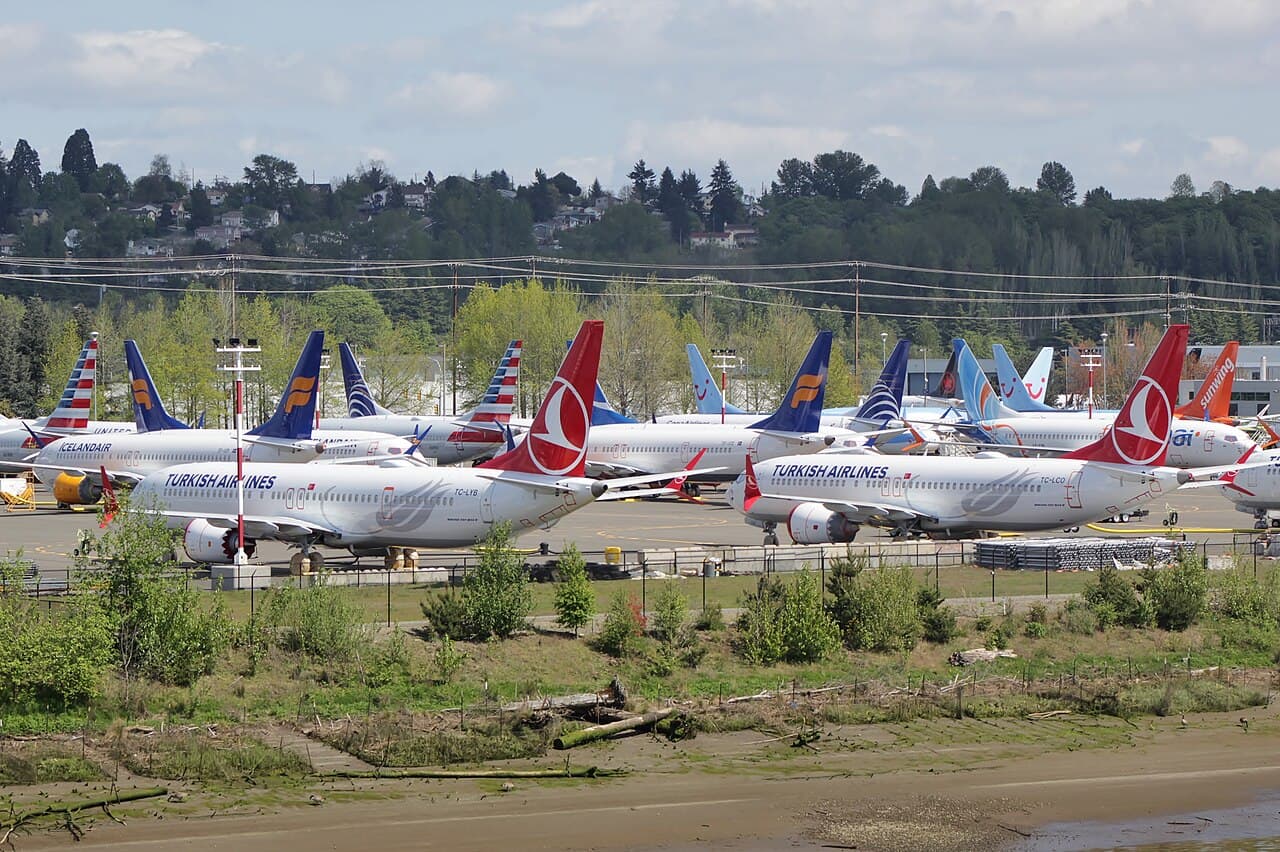
FAA Orders $2.66M Seat Inspections on 453 Boeing 737 MAX Jets Amid Certification Oversight
The FAA has recently permitted Boeing to independently issue airworthiness certificates for new examples of its 737 MAX and 787 models, but just a week after Boeing was granted this privilege (which it historically held for decades but was suspended in recent years), the FAA has proposed a new airworthiness directive (AD) regarding improperly installed seats on hundreds of 737 MAXs. It's not actually unusual for the FAA and other regulators to issue ADs, but it does signal that the FAA is only stepping up its oversight of Boeing.
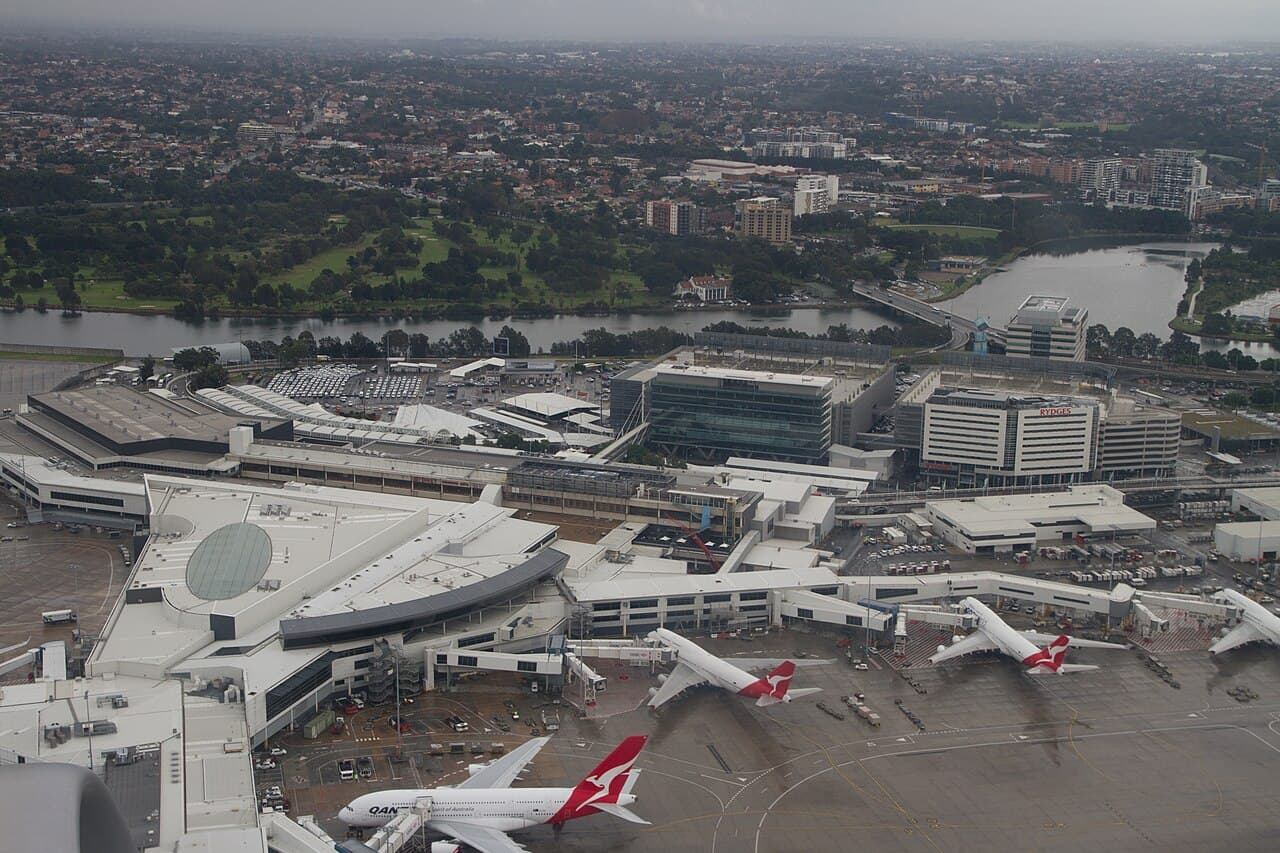
Sydney Airport's $2 Billion Security Upgrade Outpaces TSA's $781M Scanner Rollout
At the start of this year, Sydney Kingsford Smith International Airport (SYD) completed a government-mandated security overhaul. It introduced a range of new features, including mandatory body-scanner screening. The changes applied to all passengers across both domestic and international terminals. This rollout is part of a nationwide security overhaul that will cost $2 billion, both upgrading the level of security and the speed through which passengers travel through it.
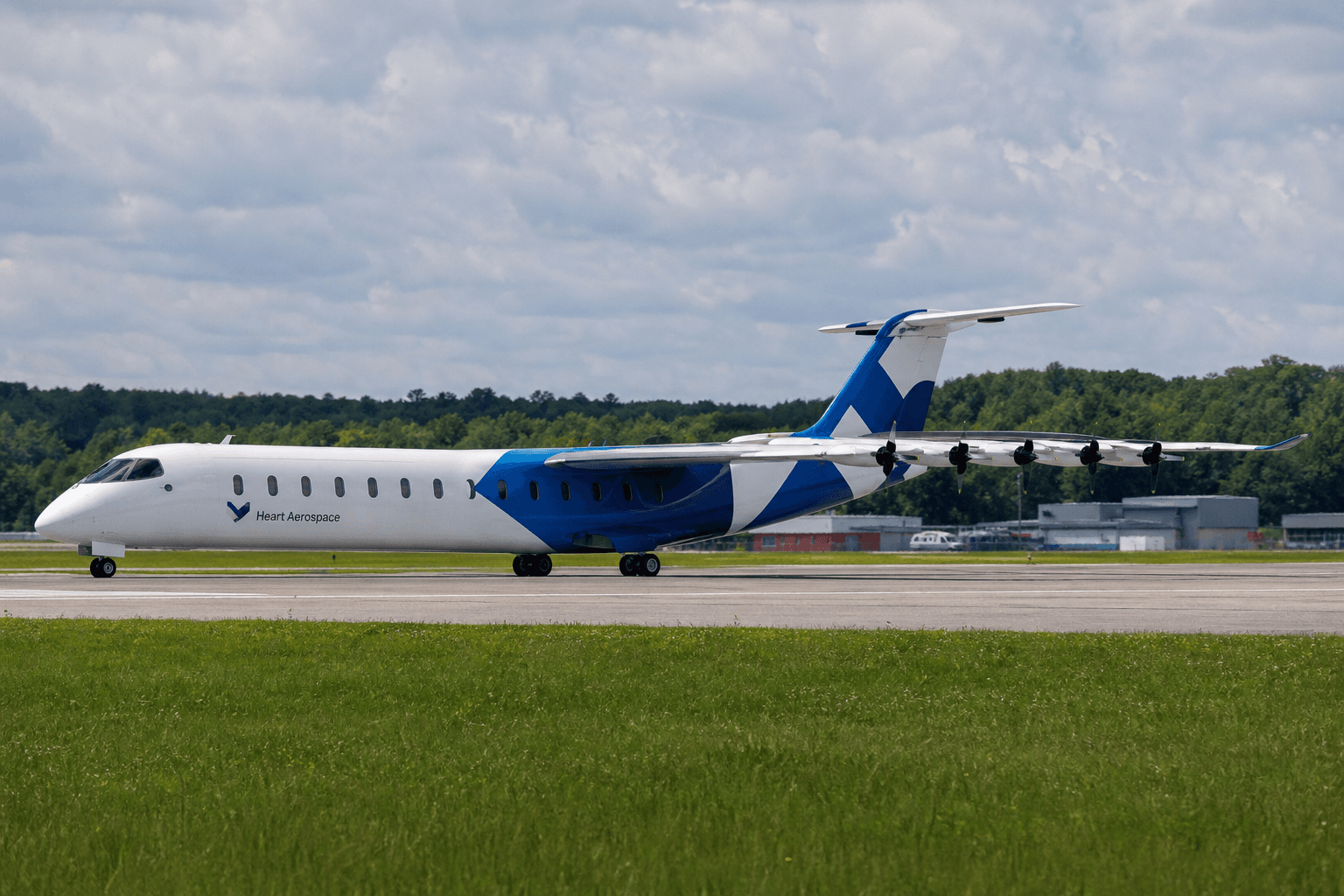
Heart Aerospace's X1 Achieves Maiden Flight as World's Largest Electric Plane
Heart Aerospace has completed the first flight of its X1 demonstrator. The company calls the aircraft the largest battery-electric plane ever to take to the skies. ezstandalone.cmd.push(function () { ezstandalone.showAds(119); }); The X1 spans 106 feet from wingtip to wingtip. It measures 76 feet from nose to tail and weighed more than 25,000 pounds at takeoff. The piloted flight took place on August 12, 2026, at Plattsburgh International Airport in upstate New York. The mission lasted 27 minutes. ezstandalone.cmd.push(function () { ezstandalone.showAds(127); }); The aircraft climbed to 1,100 feet above ground level, and its electric propulsion system delivered more than one megawatt of power. The flight occurred under an FAA Special Airworthiness Certificate in the Experimental Category. The test profile covered taxi, takeoff, climb, maneuvering, and landing. ezstandalone.cmd.push(function () { ezstandalone.showAds(128); }); Heart designed the mission to show that all-electric flight can work at a scale relevant to commercial airline operations. Powered only by batteries, the X1 used about five dollars’ worth of electricity. First Flight pic.twitter.com/1HvuAxXPzT — Heart Aerospace (@heartaerospace) August 13, 2026 Why the Milestone Matters The flight arrived as global jet fuel prices stayed high. Prices averaged $3.50 per gallon in early August 2026, up 63 percent from the previous year. Electric propulsion could cut operating costs and reduce airlines’ exposure to oil market swings. ezstandalone.cmd.push(function () { ezstandalone.showAds(129); }); “With the first flight of X1, Heart Aerospace has demonstrated electric flight at the scale of a commercial airliner,” said Anders Forslund, founder and CEO of Heart Aerospace. “Electric commercial aircraft have the potential to fundamentally reshape airline economics and, ultimately, lower the cost of air travel for passengers. This is at the heart of our vision for abundant air travel, with electrification enabling more affordable, frequent, and cleaner air service to and from airports closer to home.” Path to the ES-30 Airliner The X1 serves as a full-scale demonstrator for Heart’s planned ES-30 production aircraft. The company is using it to validate key technologies, aerodynamics, flight performance, and its own organizational capabilities. ezstandalone.cmd.push(function () { ezstandalone.showAds(130); }); The ES-30 is a conventional fixed-wing, 30-seat hybrid-electric regional airliner. Heart is developing it for FAA Part 25 certification. Major carriers including United Airlines, Air Canada, and JSX have already made customer commitments. United Airlines CFO Michael Leskinen praised the achievement. “The first flight of X1 is a major technical achievement for Heart Aerospace, a company United has been proud to support,” he said. “Electric commercial aircraft have real potential to deliver a better travel experience for passengers while strengthening our business.” ezstandalone.cmd.push(function () { ezstandalone.showAds(131); }); Air Canada’s John Di Bert, executive vice-president and chief financial officer , added that the energy transition in aviation will need many solutions. He noted that the airline’s investment in Heart reflects a commitment to technologies that can transform the industry. Photo Credits: Heart Aerospace Lower Costs Ahead Heart targets entry into service for the ES-30 in 2031. The company expects the aircraft to cut operating costs by more than 40 percent compared with today’s regional jets. Savings would come from lower energy costs, simpler electric propulsion systems that need less maintenance, and higher reliability from an integrated electronics and software design. ezstandalone.cmd.push(function () { ezstandalone.showAds(132); }); Further gains could arrive as battery technology improves and as airlines face more emissions-related fees. The ES-30’s design should limit exposure to those costs. Ben Stabler, Heart’s chief technology officer , said the X1 program has given the company full-stack capability. “We are carrying that full-stack capability directly into the ES-30, our first production aircraft and the foundation of a broader technology platform for electric airliners.” ezstandalone.cmd.push(function () { ezstandalone.showAds(133); }); Heart is already building the first pre-production ES-30 at its pilot plant in Los Angeles. Flight testing of that aircraft is scheduled to begin in 2028. The successful X1 flight marks a clear step toward practical electric regional air travel.

Airlines Approach End of Disruptions from Pratt & Whitney GTF Engine Groundings
A number of impacted operators see end in sight for AOG disruption amid stepped-up maintenance activity. Ever since details first emerged in 2023 of the disruptive recall of Pratt & Whitney's geared turbofans (GTFs), a string of operators have been getting used to having a portion of their aircraft grounded. The manufacturer recalled the engines due to production errors involving the use of powder metal that left the engines possibly containing defective metallic parts. The issue left hundreds of commercial aircraft grounded at any given time, awaiting inspections and part replacements. Much of the impact has been on the PW1100Gs which power Airbus A320neo-family jets. Other GTF variants include the A220's PW1500Gs, and the PW1900G, which powers Embraer’s E190-E2s and E195-E2s. While compensation has been agreed with affected carriers, the groundings have caused a range of challenges for airlines as they managed the unavailability of parts of their fleet. Indeed, Indian carrier Go First blamed the issue when it collapsed in 2023, a claim challenged by P&W which counter-argued the carrier had breached its contractual obligations, while the groundings were among several challenges faced by US discounter Spirit Airlines before its grounding earlier this year. Chris Calio, chief executive of P&W parent, RTX, last month reiterated that the financial and technical outlook for its GTF fleet management plan "remains on track". That has been driven by increased maintenance capacity and ramped production of critical engine components . "PW1100 [aircraft on ground] are down again sequentially and down 25% year-to-date, and we expect AOGs to keep trending lower throughout the second half of the year," he said, speaking during RTX's second-quarter earnings call on 23 July. "The improvement is driven by MRO output, which was up over 40% year-over-year, supported by a 23% reduction in turnaround time." While not every impacted operator provided an update on fleet availability related to the issue during the recent round of earnings calls, executives of several of those that did spoke of an improving situation. Air Astana "We finally see light at the end of the tunnel, closer than we have ever seen and earlier than we expected," says Air Astana chief executive Ibrahim Canliel. The carrier, which has over 40 A320/321neos in its fleet of 63 aircraft, points to an increased number of engine inductions in the first half, together with securing 11 additional engines to support fleet availability. As a result, it says the number of aircraft groundings is around 60% below the same period last year. "With the number of inductions increasing, we have not only reduced the number of groundings this year – which has helped us address new markets – but also have a much stronger outlook for the remainder of the year and particularly summer 2027,” says Canliel. “It is the first time in many years where we are looking at a scenario where we aim for zero groundings." Resolving the issue is key to the Kazakh carrier controlling its unit costs. "Our biggest challenge was our constraint on growth," says Canliel. Air Astana has seen its unit costs rise as the carrier has not been able to increase the size of the operational fleet against which it is spreading that cost. Volaris Chief executive of Mexican low-cost carrier Volaris, Enrique Beltranena, had earlier this year talked of reaching an inflexion point on the issue and struck a similarly positive note during the carrier's second-quarter results call last month. Volaris reported AOGs have fallen from 41 aircraft at the start of the year to 24 as of the end of June. "We expect AOGs to remain broadly around this level in the near term as individual aircraft rotate in and out of service through scheduled engine inductions, returns to service and major maintenance events," Beltranena says. Aircraft availability is expected to progressively improve, with normalisation anticipated by the end of 2027. "Importantly, the overall recovery trajectory remains consistent with our plan," he adds. "Aircraft availability is expected to progressively improve, with normalisation anticipated by the end of the year of 2027." The restoration of its full Airbus A320neo fleet plays a key part in the carrier's ambition to improve its earnings, enabling Volaris to reduce its aircraft leasing costs while increasing its revenue opportunities despite operating a smaller fleet. Volaris expects its contracted fleet to drop from 155 aircraft as of June to 137 at the end of 2027. Volaris is in the process of merging with Viva, another Mexican carrier impacted by the GTF issue. Viva says it had an average of 28 aircraft, out of an A320neo-family fleet of 65, grounded by the issue in the second quarter. That compares with an average of 26 out of a Neo fleet of 57 a year before. Wizz Air Central European budget carrier Wizz Air also reported it was on track with its plan to be clear of GTF-related A320neo-family aircraft groundings by the end of 2027 . "We have made tremendous progress," said Wizz Air chief executive Jozsef Varadi, during the airline's fiscal first-quarter results call earlier this month. Wizz had 27 aircraft on the ground due to the issue at the end of June, compared with 41 aircraft at the same point last year. "We have the plan in place that is now pretty intact and we believe is going to get delivered by the end of calendar 2027, when the entire GTF grounded fleet will be ungrounded," he says. While Varadi notes there remains engine maintenance congestion, and challenges on spare parts availability, he does not believe there is a huge risk to the aircraft ungrounding plan. "Structural groundings we should be out in 18 months from now," he says. Turkish Airlines Turkish Airlines remains disrupted by the GTF issue. The carrier's chair, Murat Seker, speaking during the carrier's second-quarter earnings call on 5 August, said the airline still had around 40 aircraft grounded and that this will increase to around 50-55 towards the end of the year. But he adds: "We had a very constructive meeting with Pratt & Whitney at the Farnborough air show. They are trying to increase the maintenance rate of our engines. "Hopefully, by next year, we’ll be able to have an improvement on the induction rate." Air Baltic Latvian carrier Air Baltic was among the A220 operators impacted by the additional checks. But the carrier believes it is now over the issue . Speaking earlier this year, Air Baltic chief operations officer Pauls Calitis said 2025 was a "turning point" in the performance of the PW1500G engine. "In 2025, we saw for the first time that the engine removal rate or availability was stable and as forecast." As a result, the carrier was able to reduce to three the number of wet-leased aircraft it needed to bring over the peak summer period last year and was not expecting to wet-lease any aircraft to cover the issue during this summer's peak. The airline has, though, just announced plans to reduce its fleet of A220s as part of a strategic overhaul focusing on financial stability rather than growth, as it seeks fresh capitalisation following a challenging period in which fleet availability issues compounded wider geopolitical challenges. Another European A220 operator, Swiss International Air Lines, last year took the the step of parting out some of its sub-fleet of A220-100s to help support operation of its larger fleet of -300s. It now expects to phase out its -100s , of which four remain in service, by the end of next year. Cebu Pacific Low-cost A320neo operator Cebu Pacific says it is seeing “improvements” in engine inspection turnaround times, but remains cautious about when the issue will be fully resolved. On its second-quarter earnings call, airline finance chief Mark Cezar said that while the improvements are “encouraging”, the situation “still requires active ongoing management&
The Daily Touch & Go
The day's best aviation news in your inbox. Free, no spam.