

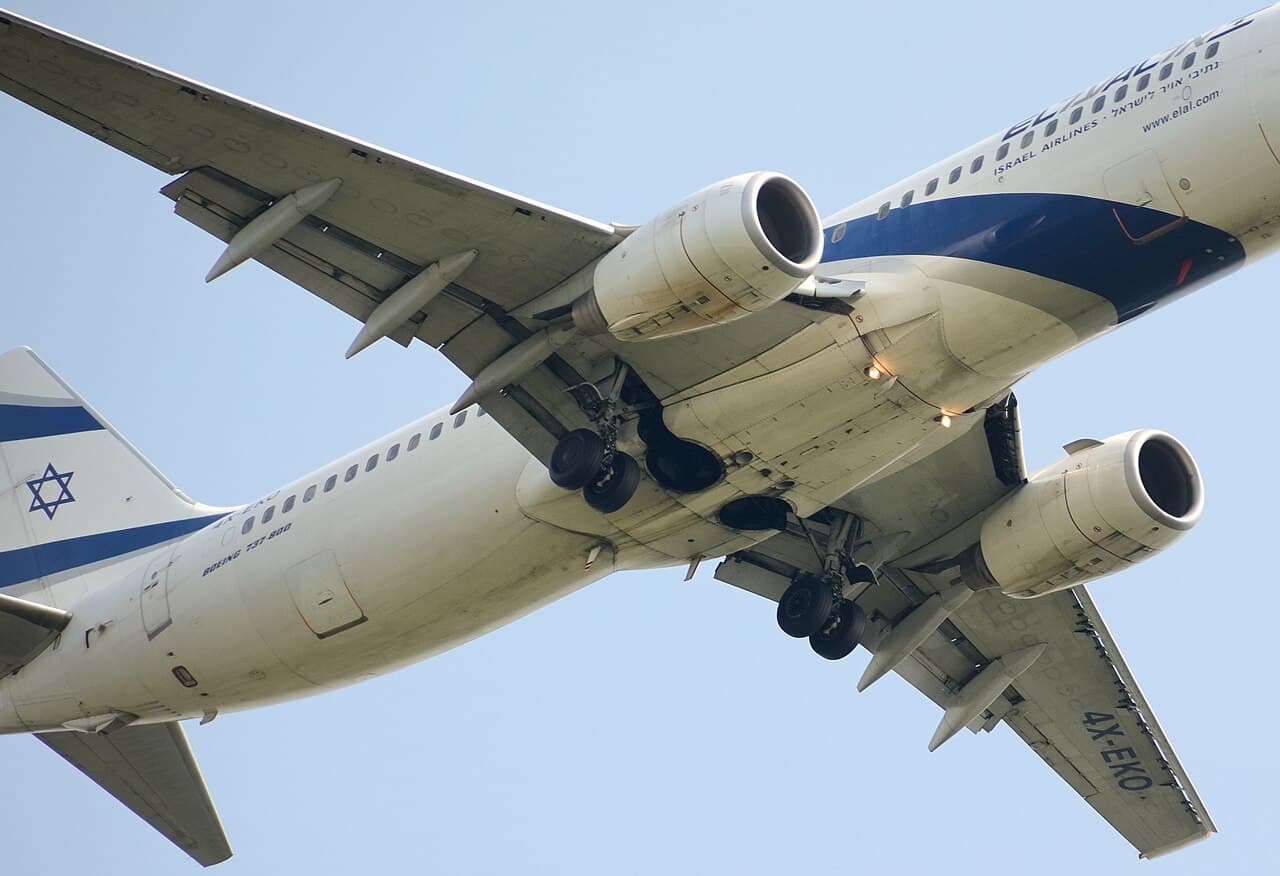
Image: Peter Haas · CC BY-SA 3.0 · via Wikimedia Commons
Southwest Airlines senior Boeing 737 captains earn over $450,000 in 2026 via unique Trip For Pay model
Southwest Airlines senior captains reach total pay exceeding $450,000 annually through its distance-based Trip For Pay system, combined with generous retirement benefits and premium schedules.
The gist
Southwest’s distinctive Trip For Pay system boosts senior 737 captains’ total earnings past $450K, blending distance-based pay with strong retirement perks.
Continuing coverage
All Pilot Pay →- US Military Pilots Weigh Retirement Benefits Versus Airline Pay After Service
- British Airways Widebody Captains Earn Up to £275,000 by 2026, Rookies Start Around £40,000
- Senior Pilots on Ultra-Long-Haul Flights Earn Record Pay as Global Contracts Shift in 2026
- Delta A350 and US Boeing 777 Pilot Pay Align Closely in 2026
Southwest Airlines pilots continue to lead among the highest-paid in the U.S. commercial aviation sector, with compensation for senior captains climbing above $450,000 annually by 2026, boosted by the carrier’s distinctive Trip For Pay (TFP) system. This layered pay model combines hourly rates based on distance flown, premium pay opportunities, profit sharing, and an uncommon retirement benefits package to create an exceptionally lucrative total compensation structure for senior Boeing 737 captains.
The 2024 contract agreement between Southwest and its pilots union, the Southwest Airlines Pilots Association (SWAPA), established that by 2026, first officers with 12 years of experience can earn roughly $255 per hour, while senior captains reach an effective hourly earnings rate near $364. These figures position Southwest pilots among the top earners for narrowbody operators globally. However, those hourly rates only scratch the surface of total remuneration, as additional factors and benefits significantly increase income.
Unlike most U.S. airlines which compensate pilots primarily based on block hours—the elapsed time from gate departure to gate arrival—Southwest pays pilots based on the distance flown, using its proprietary Trip For Pay system. Each TFP unit corresponds to 243 miles flown, with pilots receiving a 10% pay increment for every extra 40 miles. This distance-based method was initially tailored decades ago to fit Southwest’s fast-turnaround, high-frequency Boeing 737 network, rewarding efficient flying and productivity beyond typical block-hour metrics.
The operational characteristics of Southwest—frequent departures, short-haul point-to-point routes, and high aircraft utilization resulting in multiple flights per day for crew—favor the TFP system. Because pilots earn pay credits per mile rather than time, this can accelerate compensation growth, especially when compared to traditional block-hour pay. Industry analysts convert TFP to an equivalent block-hour rate by applying a factor around 1.15 to 1.16, highlighting a hidden premium embedded in Southwest’s model.
This unique compensation design helps explain why Southwest pilots consistently achieve earnings comparable to or above legacy carrier widebody pilots, despite flying single-aisle jets. The airline’s formula effectively rewards the operational demand and productivity intrinsic to its business model, providing a pay advantage that reconciles with Southwest’s scheduling and network style.
Beyond hourly pay, retirement benefits significantly augment pilot wealth accumulation. Southwest offers an 18% Non-Elective Contribution (NEC) to pilot retirement accounts, granted unconditionally without requiring pilot contribution, complemented by a 2% market-based cash balance plan. This results in automatic employer retirement funding equating to approximately 20% of eligible earnings—substantially surpassing retirement contributions common at other airlines.
For senior captains, these retirement contributions alone can exceed $70,000 annually, adding a critical and often overlooked component to overall compensation. Such a robust retirement package fortifies long-term financial security for Southwest pilots and stands as a major factor in retaining experienced crew amid labor market challenges and pilot shortages.
Additionally, pilots may increase earnings through premium flights, flexible scheduling, additional flying opportunities, and profit sharing, pushing total income above $450,000 for senior captains who optimize these avenues. The combined effect of TFP-based pay, generous retirement contributions, and ancillary compensation mechanisms illustrates why Southwest remains competitive in attracting and holding veteran Boeing 737 captains.
Read more
All Airlines →
American Airlines Bans Humanoid Robots From All Flights Citing Safety Risks
Fort Worth-based American Airlines has issued an internal policy update for employees, which prohibits staff and passengers from bringing human-like and animal-like robots on board . They will be officially banned from being taken into the cabin, and even in checked luggage, immediately. The email that outlined the policy update strictly states that the humanoids will not be allowed even if they have purchased a separate seat .
Modern jet engines cut commercial aircraft fuel burn by up to 15 percent over predecessors
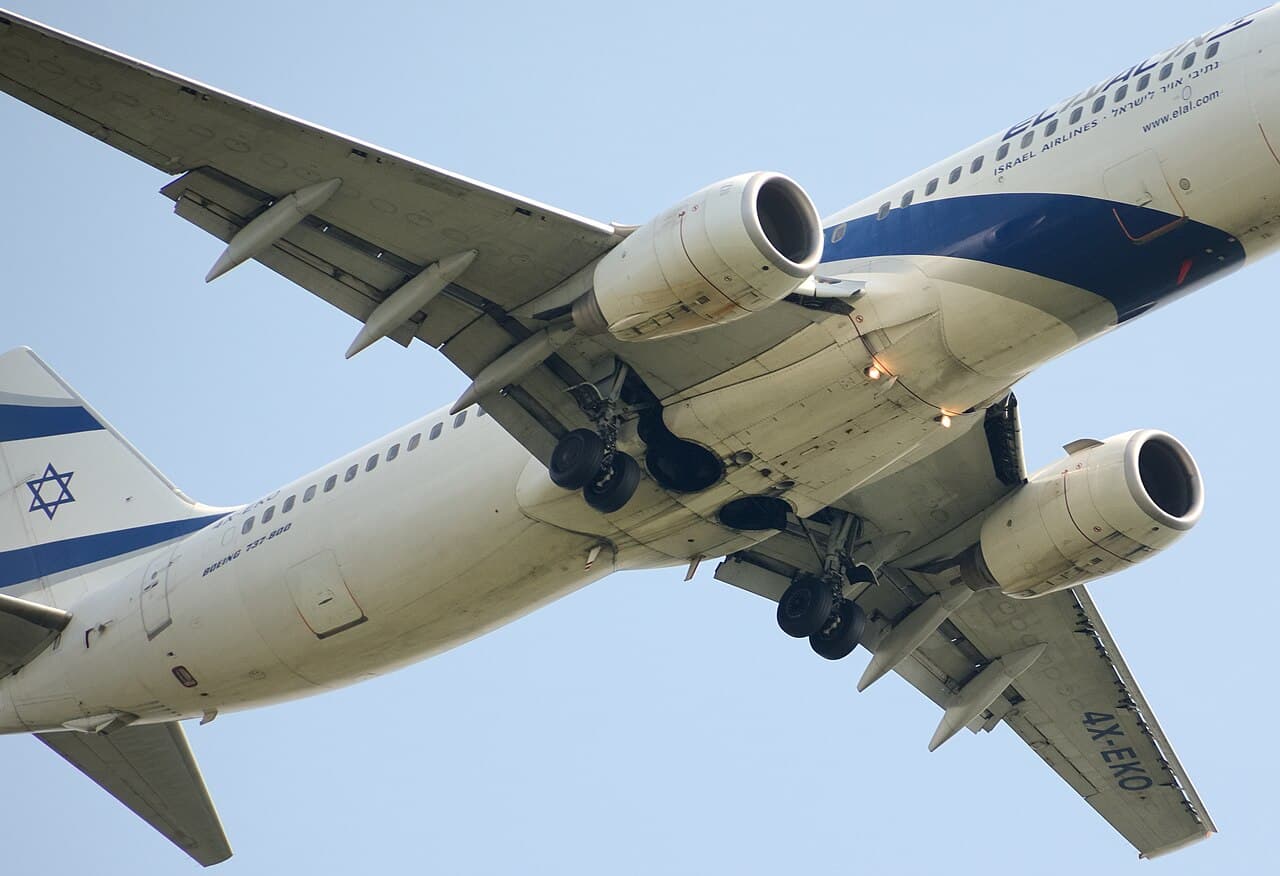
The primary driver of aircraft efficiency today is the engines. While advances in aerodynamics and materials do cut down on fuel burn as well, the engine is the main determinant as to how much fuel an aircraft burns, and older planes equipped with new engines tend to be more than competitive against a clean-sheet aircraft. During the start of the Jet Age, manufacturers were primarily focused on increasing power, with fuel efficiency being a second priority, but as technology has developed, this has changed.
United Airlines Expands Ski Destination Network with New Boston-Jackson Hole Route
United's ski-country network and Chicago growth show that Scott Kirby's decade-old strategy worked: add useful flights, use bigger planes, rebuild schedule relevance, and loyalty follows. But the data cuts against a simpler brand-love story — passengers may be choosing United less because they love the airline and more because United built the flights, seats, and schedules they actually need.
US Flight Attendant Pay Scales Split Sharply Between Legacy and Regional Airlines
Flight attendants have received new contracts and wage increases at all three US legacy carriers over the past few years, allowing salaries to keep up with inflation and reflect the demanding nature of the work. American Airlines' cabin crew received a new contract in 2024, while United Airlines flight attendants ratified a new contract in May 2026. Delta Air Lines flight attendants are not unionized, but they too have been receiving pay increases and benefits that are competitive with the other two.
The Daily Touch & Go
The day's best aviation news in your inbox. Free, no spam.