


A-10 Warthog's Titanium Cockpit Shield Defends Pilots Against Ground Fire
The A-10 Thunderbolt II features a 1,200-pound titanium cockpit enclosure that protects pilots from heavy ground fire and shrapnel, enhancing survivability in low-altitude combat.
The gist
The A-10's titanium 'bathtub' cockpit armor shields pilots from armor-piercing rounds and airburst fragments, enabling unparalleled battlefield resilience.
The Fairchild Republic A-10 Thunderbolt II is renowned for its ruggedness, largely thanks to its uniquely armored pilot cockpit. Central to this durability is the aircraft’s titanium 'bathtub'—a solid, 1,200-pound enclosure designed to protect pilots from intense ground-level threats. This titanium shell bolts together with nearly 1.5-inch thick walls in critical areas, transforming the cockpit into a bulletproof fortress against hostile fire.
This titanium cockpit cage uses a premium alloy selected for its unprecedented strength-to-weight ratio, offering the same ballistic protection as steel but at approximately 60% of the weight. Its primary function is to withstand the kinetic energy generated by heavy ground fire encountered during low-altitude attack runs, effectively shielding the pilot from otherwise lethal impacts that would devastate conventional cockpits.
Engineered specifically to resist high-velocity, medium-caliber anti-aircraft rounds, the titanium tub provides virtually impervious protection against common small arms fire, including the formidable 12.7 mm (.50 caliber) armor-piercing projectiles. It is officially rated to withstand direct hits from armor-piercing and high-explosive fire up to 23 mm rounds—standard threats from Soviet-style anti-aircraft artillery that pilots frequently face in contested airspace.
Beyond direct hits, the bathtub’s design excels at negating damage from airburst artillery and surface-to-air missile fragments. These threats release a storm of high-velocity jagged shrapnel aimed to incapacitate pilots. The titanium cage absorbs and deflects these fragments in a 360-degree radius, allowing the A-10 to endure near-miss explosions that would typically result in mission-ending damage to other aircraft.
Internally, the cockpit is further reinforced with multi-layer ballistic nylon lining. This lining serves to catch lethal titanium shrapnel spalled off the armor inner surface due to projectile impacts, preventing hazardous metal shards from penetrating the pilot area. The combination of titanium plating and ballistic nylon creates a comprehensive defense system against both external and internal fragmentation risks.
Structural security is enhanced by over 1,100 high-strength titanium bolts holding the tub assembly. This fastening assures that even if one armor section is compromised, the integrity of the entire enclosure remains intact—critical for preserving the flight control linkages routed through the bottom of the cockpit. These cables are vital, especially since the A-10 is equipped with mechanical backup controls allowing flight even if hydraulic systems fail.
The cockpit’s armored protection integrates with the aircraft’s broader survivability features. The titanium tub acts as a ballast against the massive recoil of the GAU-8 Avenger rotary cannon, absorbing vibrations that could otherwise disrupt the pilot’s vision and control. It also protects against blast overpressure during close air support bombing runs and artillery strikes, preventing structural flexing that could disorient the pilot.
The A-10’s legendary battlefield tenacity is exemplified in combat experiences such as the 2003 Operation Iraqi Freedom incident where a pilot returned safely despite severe missile damage to the tail and fuselage. The titanium cockpit enclosure’s ballistic protection, combined with redundant flight control systems and robust airframe design (including three wing spars and widely spaced engines), enables the Warthog to survive hits that would cripple or down other fighters.
Ultimately, the A-10’s titanium cockpit tub is a key factor in the aircraft’s ability to operate under intense fire conditions. Its design not only protects the pilot directly from lethal projectiles and fragmentation but also safeguards critical flight systems, allowing damaged aircraft to remain controllable and return to base. This durability continues to set the A-10 apart in low-altitude close air support roles against heavily defended ground forces.
Frequently asked questions
- What material is used in the A-10 cockpit armor to protect pilots?
- The A-10's cockpit is enclosed in a massive titanium tub made from a special titanium alloy that provides ballistic protection equivalent to steel but at lighter weight.
- What threats can the A-10’s titanium cockpit survive?
- The cockpit armor is rated to withstand direct hits from up to 23mm armor-piercing rounds and protects against airburst fragments from missiles and artillery, shielding the pilot from most common battlefield ground fire.
- How does the titanium tub contribute to the aircraft's flight control safety?
- Critical flight control linkages are routed through the titanium tub, ensuring the aircraft’s controls remain intact even after damage, allowing pilots to fly the aircraft using mechanical backups if hydraulics are lost.
Read more
All Military/Defense →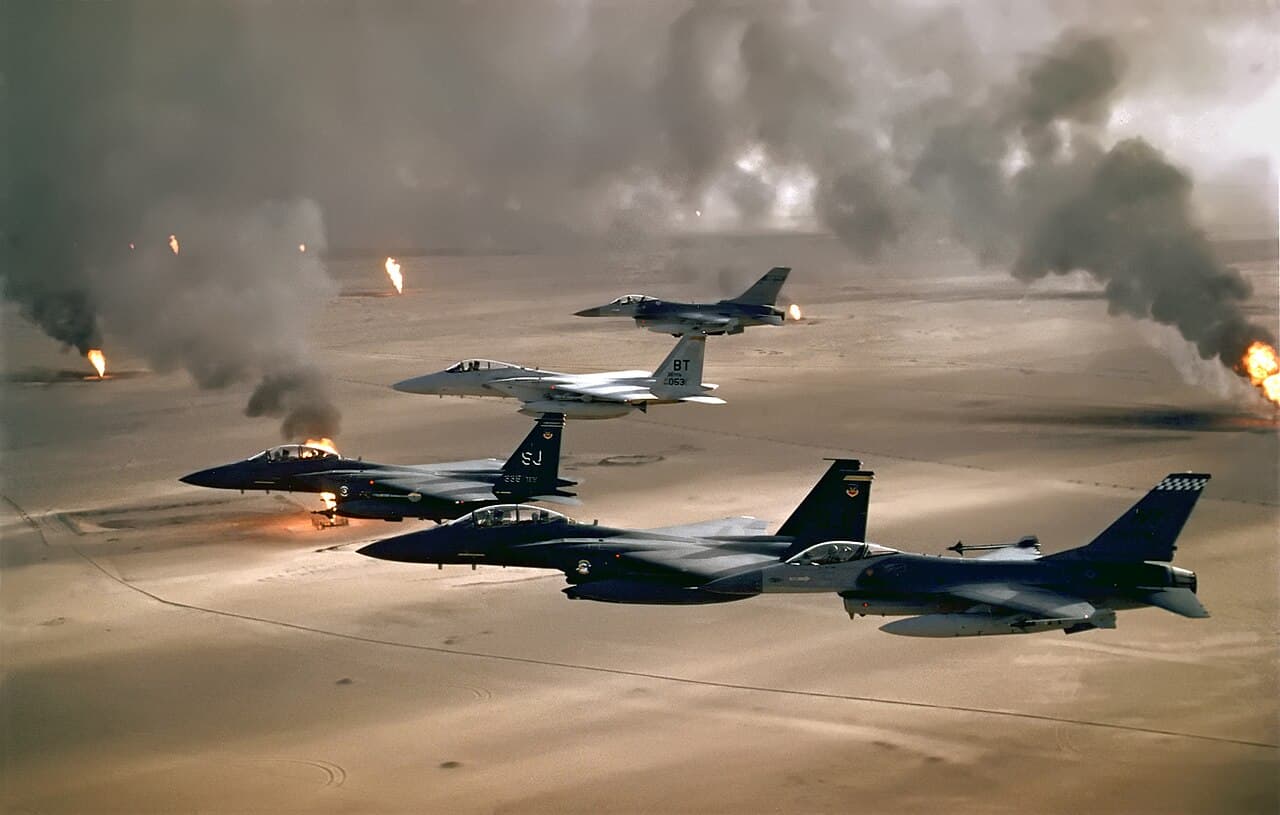
US Air Force Retires 119 F-15Es as Saudi Arabia Invests $5 Billion to Upgrade F-15SA Fleet
In February of this year, the State Department approved a foreign military sale for the Kingdom of Saudi Arabia that opens up the potential for a $3 billion fighter jet deal . Despite speculation that the Kingdom may be procuring the Lockheed Martin F-35 Lightning II, they are in fact seeking to upgrade the fleet of Boeing F-15SA Eagle air superiority fighter jets. Boeing's multi-billion dollar upgrade program is explicitly designed to close the technology gap and bring the Royal Saudi Air Force F-15SA fleet up to parity with the US Air Force's F-15EX Eagle II.
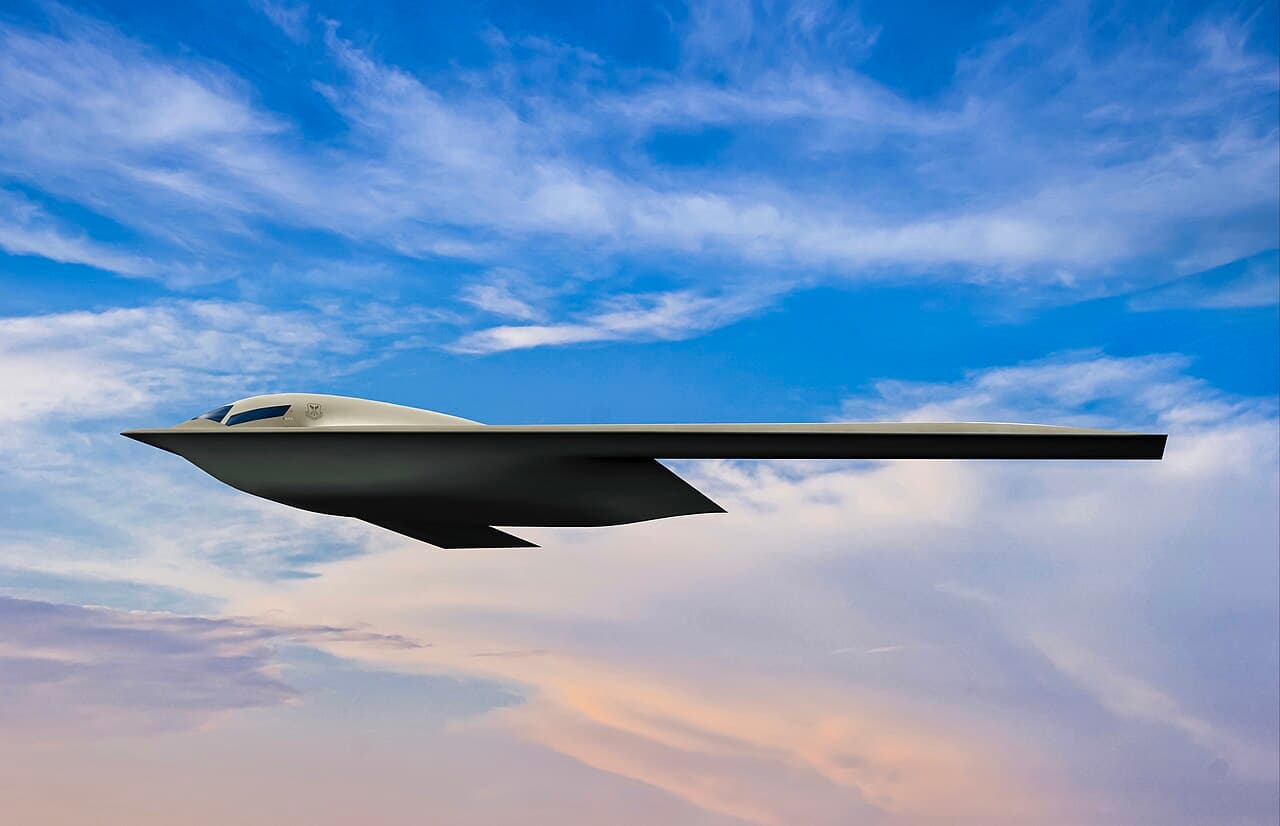
USAF to Convert B-21 Raider Test Jets Directly into Combat Bombers from 2027
The United States Air Force has a couple of test Northrop Grumman B-21 Raiders that are blurring the line between testing and fielding. The B-21 Raider is expected to enter service in 2027, making it the world's first all-new strategic bomber to enter service since the B-2 Spirit entered service in 1997. China is also working to develop its Xi'an H-20 stealthy strategic bomber, but it is unclear when it will enter service.
US Army Warrant Officer Pilots Differ in Pay and Roles from Commissioned Officers
In the armed forces of the United States of America, there are many different jobs and ranks assigned to aviation missions. In fact, all four service branches have their own pilot corps, including the Army and the Coast Guard. While the US Air Force, Navy, and Marines are better known for their fixed-wing tactical aviation, including many fighter jets, the Army has an enormous number of helicopters.
USAF Retires E-8 JSTARS Before Replacement, Shifting to Distributed ABMS Network
The last sortie of a Northrop Grumman E-8 Joint Surveillance Target Attack Radar System took off in 2023. Since then, no successor has come forward to take up the vacancy left on the flightline by the unique Boeing 707 and its arsenal of surveillance sensors. In fact, it is very likely that no aircraft will ever truly inherit the mission as the United States Air Force has evolved to what it calls the Advanced Battle Management System.
The Daily Touch & Go
The day's best aviation news in your inbox. Free, no spam.