

Image: Aeroprints.com · CC BY-SA 3.0 · via Wikimedia Commons
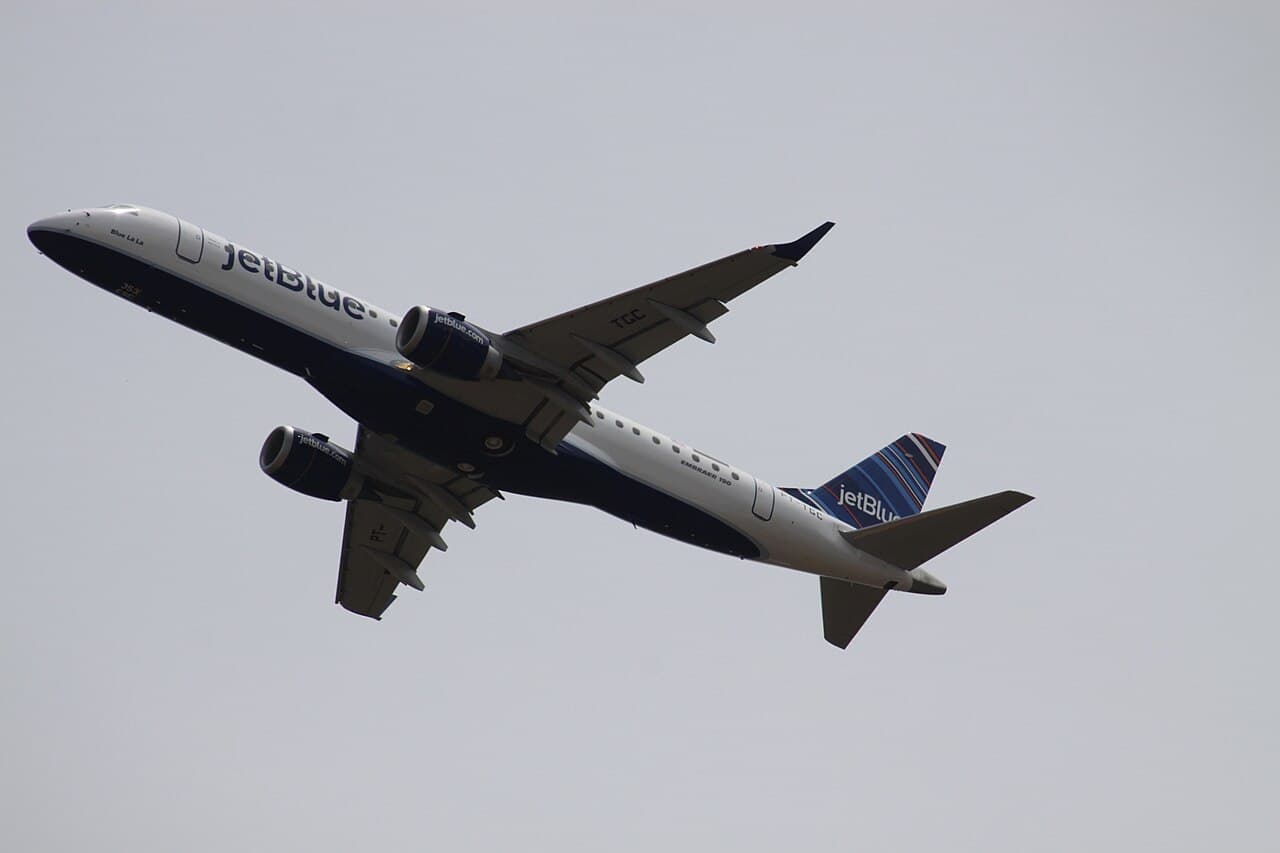
JetBlue Unveils Four-Cabin Fare Model Introducing BlueFirst Base Premium Option
JetBlue launches BlueFirst, a new first-class experience with a base fare tier omitting seat selection and other perks, aligning fares with Main, EvenMore, and Mint options.
The gist
JetBlue debuts BlueFirst base fare, offering a budget premium seat but with limited benefits and higher fees compared to standard first-class.
Continuing coverage
All Jetblue →- JetBlue Cancels Boston-Barcelona Flights as Pilot Delays Hit Transatlantic Routes
- JetBlue Posts 14.5% Revenue Growth in Q2 2026, Reinstates Full-Year Outlook
- JetBlue Offers $5,000 Bonuses to Flight Attendants Amid Severe Staffing Crisis
- JetBlue's Mint Studio Emerges As Premier Transcon Business Class Amidst Competitive Pricing
- JetBlue Secures 22 Former Spirit Slots at LaGuardia for $58.5M, Plans Expansion
JetBlue Airways is introducing a new first-class cabin experience named BlueFirst, accessible via a fresh fare structure set to debut in October 2026 on selected routes. The airline’s innovative pricing matrix allows passengers to choose among four experiential levels—Main, EvenMore, BlueFirst, and Mint—paired with one of three fare tiers: Base, Standard, or Flex. Notably, the BlueFirst fare will be offered in all three tiers, providing customers with new options tailored to their travel preferences and budgets.
This launch marks the first time JetBlue will equip flights without Mint seats with a dedicated premium cabin product. BlueFirst aims to bridge the gap between Main cabin service and the airline’s high-end Mint seats. Its seats, expected to be Collins Aerospace MiQ recliners with approximately 36–37 inches of pitch, promise an upgrade in comfort over economy offerings. Amenities will include enhanced soft-product service and cold meals where ovens are unavailable, emphasizing a step up in onboard experience.
The fare structure introduces significant distinctions in flexibility and perks. Base fares, including BlueFirst Base, restrict passengers by eliminating free seat selection and charging fees for changes, same-day switches, and cancellations—fees reach up to $150 for changes and cancellations and $100 for same-day switches. These Base tickets also earn only one TrueBlue loyalty point per dollar spent, compared to three points with Standard and Flex fares.
JetBlue has aligned this tiered approach with a broader industry trend responding to a surge in premium travel demand, particularly among affluent leisure and 'bleisure' travelers. The model takes cues from Delta Air Lines, which introduced its own lower-cost premium fares in 2025 and expanded those offerings in 2026. While JetBlue and Delta are first to label such basic premium fares explicitly, other carriers have quietly implemented similar fare restrictions.
Potential customers considering BlueFirst Base must weigh the trade-off between upfront savings and long-term costs. With up to $430 in hard penalties for itinerary adjustments, plus the reduced loyalty rewards, the perceived value of the Base fare may diminish for frequent flyers or those who require flexibility. Meanwhile, BlueFirst Standard offers the full range of premium benefits without punitive fees, likely becoming the default choice for many seeking first-class comfort without Mint’s premium price tag.
JetBlue plans a systematic retrofitting of its fleet, targeting about 20 aircraft reconfigurations per month beginning in August 2026. This effort aims for near-full completion across eligible aircraft shortly after the BlueFirst launch, expanding premium seating options across key domestic routes currently lacking Mint service.
The broader fare matrix also clarifies customer options beyond BlueFirst. Main, EvenMore, and Mint experiences are now available across Base, Standard, and Flex fares, though Mint is unavailable as a Base fare. Flex fares eliminate change and standby fees entirely while Standard fares balance moderate flexibility with some restrictions and no cancellation fees. The aim is to provide clarity and choice within a complex and evolving pricing environment.
While some criticize such tiered pricing models as confusing or exploitative, JetBlue presents them as a way to offer differentiated products aligned with passengers' diverse preferences and willingness to pay. The success of BlueFirst Base will rely heavily on pricing strategy and how well customers understand the trade-offs between cost savings and restricted service elements.
JetBlue is yet to reveal full details on baggage allowance for BlueFirst Base, a factor that may influence passenger decisions. As the new fare becomes bookable later in 2026, pricing data and customer uptake will offer insights into whether BlueFirst Base evolves from a niche option to a mainstream premium cabin tier within the airline’s expanding domestic portfolio.
Frequently asked questions
- What is JetBlue's new BlueFirst fare option?
- BlueFirst is JetBlue's new first-class cabin product debuting in October 2026, offered with a tiered fare model including Base, Standard, and Flex pricing.
- How does the BlueFirst Base fare differ from other fare tiers?
- BlueFirst Base fare excludes seat selection, imposes fees for changes and cancellations, and earns 66% fewer loyalty points compared to Standard and Flex fares.
- What is the expected seat configuration for BlueFirst cabins?
- BlueFirst cabins are expected to feature Collins Aerospace MiQ recliner seats with 36–37 inches of pitch and upgraded soft-product service on selected aircraft.
Read more
All MRO/Maintenance →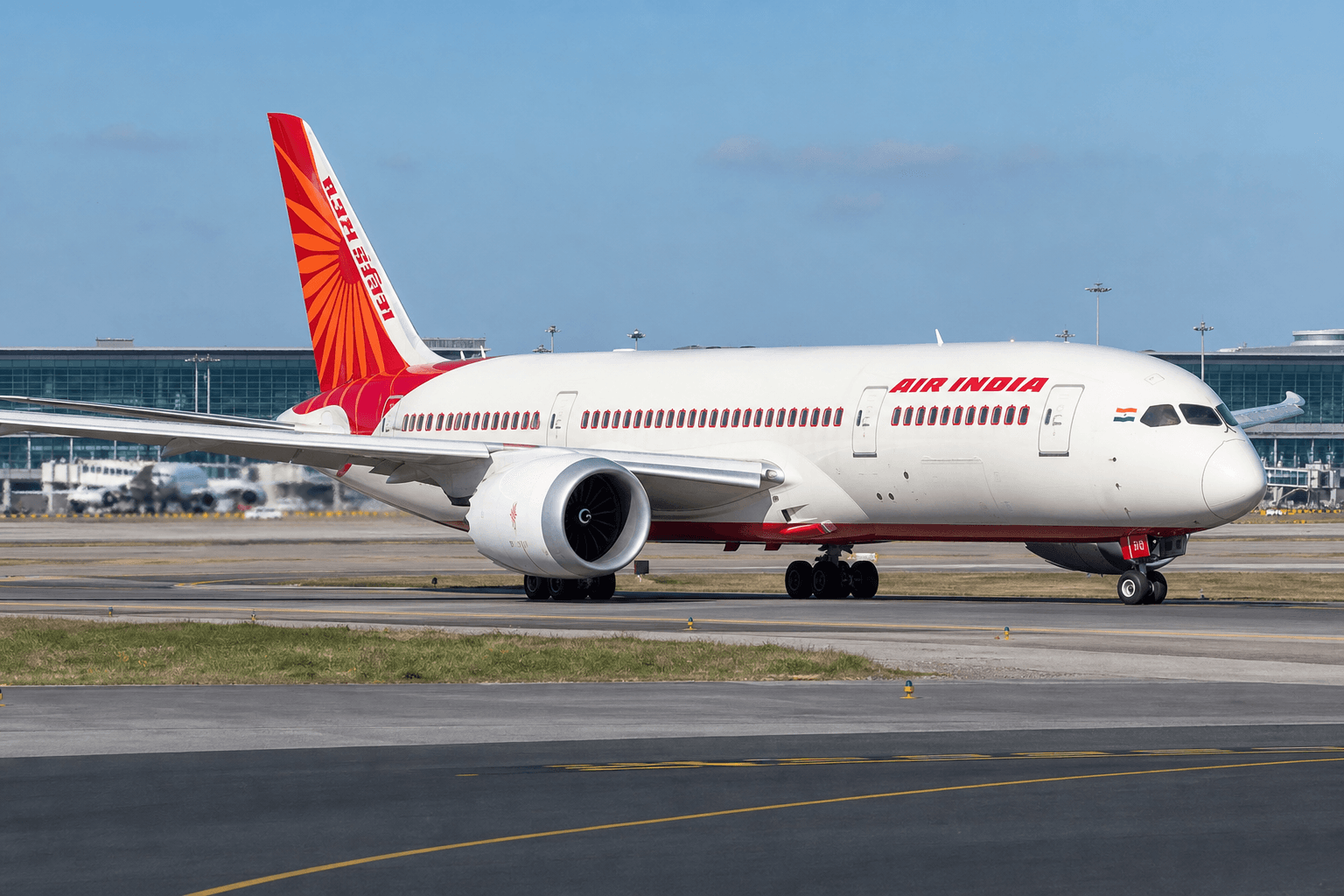
Former Ethiopian Airlines CEO Tewolde Gebremariam appointed as Air India CEO
Former Ethiopian Airlines boss Tewolde Gebremariam has been named as the new CEO of Air India, following a comprehensive search to identify the next leader. On August 5, 2025, Air India announced that Gebremariam's "track record" leading Ethiopian Airlines made him "uniquely suited" to for the position. "Tewolde Gebremariam is widely recognized as one of the most successful aviation chief executives," Air India said. "During his decade-plus tenure as CEO of Ethiopian Airlines Group, he spearheaded a multi-billion-dollar expansion, transforming a regional carrier into Africa's largest, most profitable, and decorated airline group—growing revenue by more than fourfold and fleet size nearly threefold." Air India said its objective was to find a leader with a "proven record of managing mega-scale airline turnarounds". Fortune Global Forum 2019 / Flickr.com The airline praised Gebremariam's ability to manage "complex operational landscapes, driving cultural transformation, building competitive global hubs, and developing world-class MRO (Maintenance, Repair, and Overhaul) and aviation training infrastructure". Gebremariam served as the CEO of Ethiopian Airlines from January 2011 to March 2022 and was succeeded by Mesfin Tasew. "Having completed the initial phase of stabilization, integration, and fleet commitments under Campbell's guidance, Air India is now entering a critical execution and expansion era," N. Chandrasekaran, Chairman of Tata Sons and Air India, said. "Tewolde's track record in building one of the world's most efficient and profitable airline groups makes him uniquely suited to lead Air India." Campbell Wilson announced his resignation on April 7, 2026, ending a nearly four-year tenure leading the Tata Group-owned carrier through a sweeping post-privatization transformation. John Taggart / Creative Commons Gebremariam said it was a "profound honor to be entrusted with leading Air India at such a historic moment in its journey". "Air India carries an incredible legacy, and the opportunity to build a world-class global airline that reflects India's extraordinary economic potential is uniquely exciting," added Gebremariam RELATED Air India CEO Campbell Wilson resigns, will stay until successor named
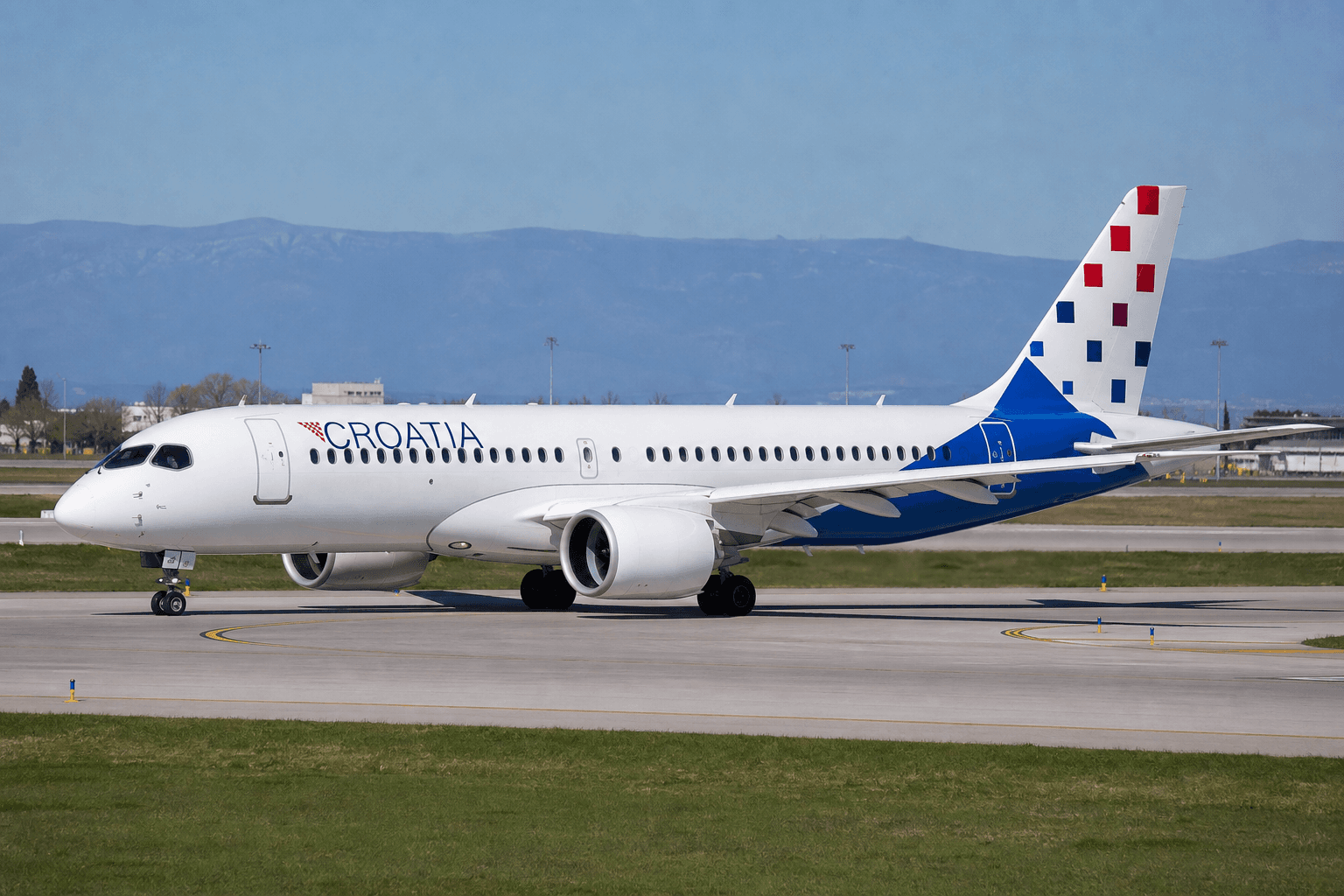
Croatia Airlines sees losses soar to €50 million amid fleet transition and fuel cost pressures
Carrier dealing with complexity of fleet transition as it withdraws older models and shifts to A220s. Croatia Airlines' losses deepened substantially over the first half of this year, as the impact of fuel prices and exchange rates added to the cost burden associated with its fleet transition. It turned in an operating loss of €36.8 million ($42.4 million), which was 73% worse than the previous half-year, while its net loss came close to trebling at around €50 million. Although passenger numbers increased by more than 20% in the first five months – before declining in June – the improved revenue performance was checked by a "significant increase" in fuel prices, says the carrier. Croatia Airlines adds that negative exchange rates contributed heavily to a €16 million rise in net financing costs. The airline is progressing with a fleet modernisation, shifting to the Airbus A220, but is still feeling the effect of transition costs as it introduces the new type. It expects to have 14 of the 15 planned A220 in its fleet by the end of this year – with seven arriving in 2026 – while it gradually withdraws older aircraft from service. Croatia Airlines says the "simultaneous management" of a fleet with three different aircraft types presents an "additional challenge". "Such a structure requires precise resource planning, adaptation of operational procedures [and] increased co-ordination between organisational units," it states. "At the same time, the process of preparing aircraft for retirement from the fleet places an additional burden on the technical sector." Over the course of this year it aims to remove two De Havilland Dash 8-400s, an Airbus A320 and an A319. Two Dash 8s and an A320 were taken out last year, and returned to owners in the first half of 2026. "The fleet renewal project represents the largest strategic step forward in the history of Croatia Airlines and is crucial for the long-term sustainable development of the company," the carrier says. At the half-year mark its operational fleet comprised 15 aircraft: nine A220s, four A319s and two Dash 8s. The airline has also leased an ATR 72 since April to maintain its planned schedule. One of Croatia Airlines' A220 was subsequently damaged in a runway excursion in May, adding to the company's pressures. Croatia Airlines is also having to cover lease costs for two Dash 8s – registered 9A-CQC and -CQD – whose return to their owner has been delayed, owing to limited maintenance capacity and parts availability.
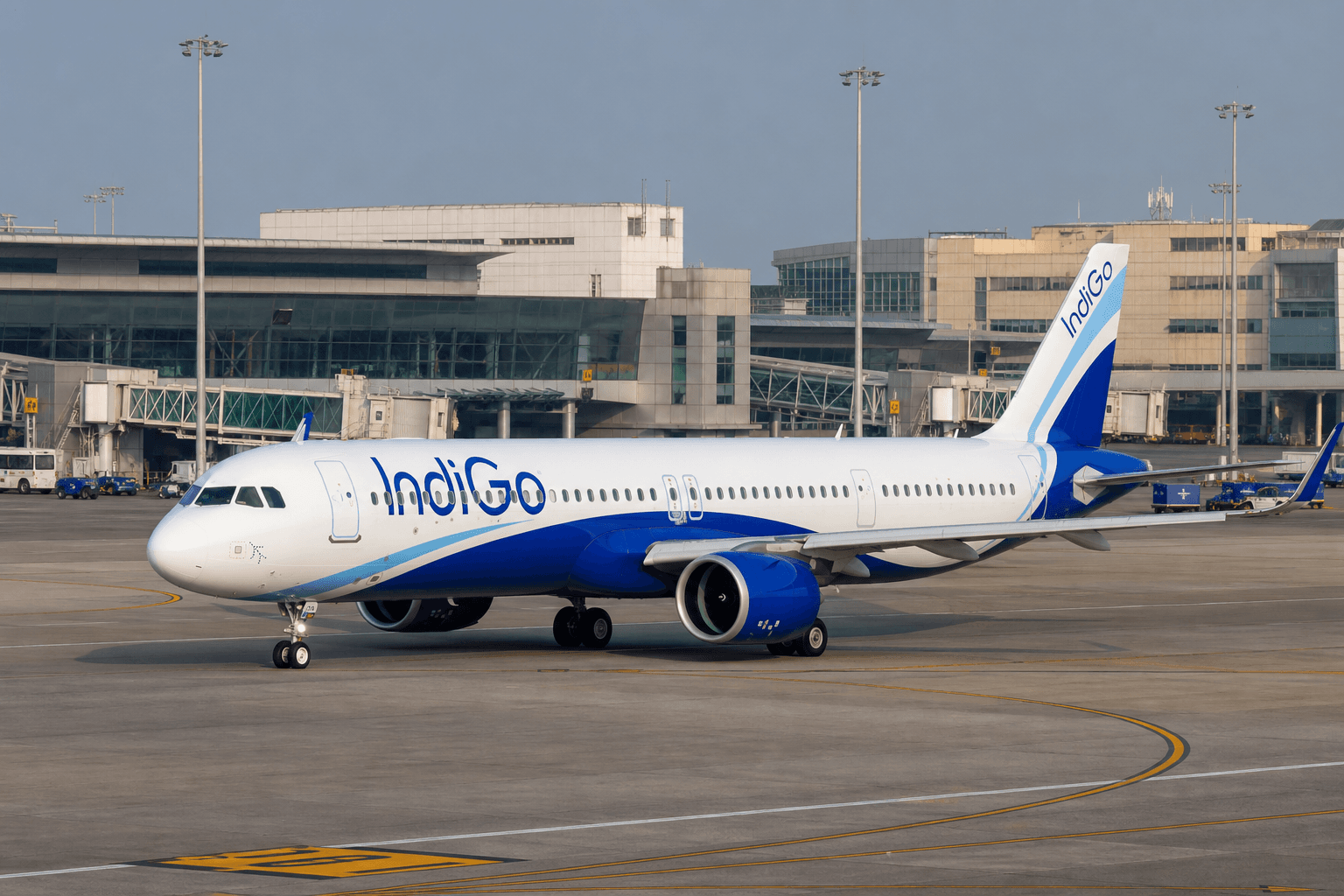
IndiGo suspends London Heathrow and shifts Amsterdam to A321XLR as it awaits Airbus A350 widebodies
Indian carrier suspends London route while switching Amsterdam service to A321XLRs. Indian carrier IndiGo will axe its London Heathrow service until its first Airbus A350-900s arrive, following the decision to terminate its Boeing 787 damp-lease with Norse Atlantic. The end of the damp-lease agreement means all IndiGo widebody operations will cease from 25 October. IndiGo says it will deploy Airbus A321XLRs on the Mumbai-Amsterdam route instead. The carrier adds that it will "temporarily discontinue" its Heathrow service until it receives A350s. IndiGo has 60 of the widebody twinjet type on order and, at the time of the agreements, expected its first to arrive in 2027. The carrier says it entered the Norse damp-lease arrangement, initially covering six 787-9s, to gain "fast-track learning" and "establish brand presence" before the introduction of A350s. "This enabled IndiGo to commence services to markets in the UK and Europe, while accelerating the development of the operational capabilities, commercial expertise and customer insights required to support its future widebody ambitions," it adds. As a result of the damp-lease arrangement, it says, the airline has been able to build "critical competencies" in long-haul network planning, crew operations, maintenance, and other areas. But it says the operating environment – particularly in regard to airspace closures and fuel prices – has "changed considerably" and led to a "significant escalation" in costs. It had already opted to return one of the six 787s to Norse. "Volatility across aviation markets has reduced industry-wide risk appetite – prompting a comprehensive review of the project and evaluation of possible alternative solutions," it adds. IndiGo senior vice-president for planning Abhijit Dasgupta says the situation necessitates a "prudent deployment" of resources in the short term, even as the carrier maintains its long-term objectives. "This [damp-lease] project was never solely about serving specific routes but laying the foundation for our long-haul operations in future," he adds. "As we enter the next phase of our growth, we remain firmly committed to expanding our global footprint across key mid- and long-haul markets."
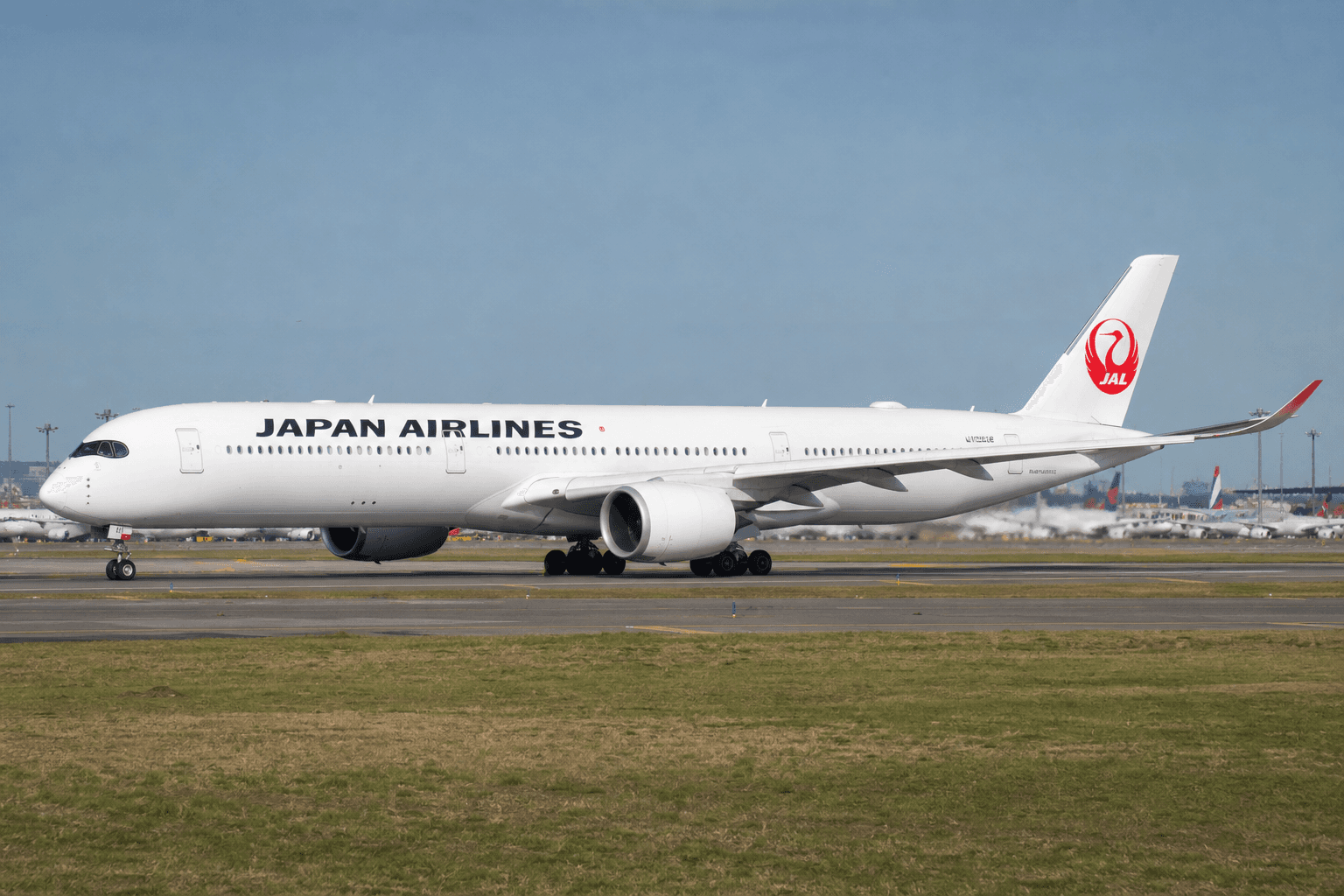
Japan Airlines A350-1000 Returns to Flight After Seven-Month Repair Post-JFK Collision
An Airbus A350-1000 from Japan Airlines (JAL) has taken to the skies for the first time in more than seven months after being damaged in a ground collision at New York JFK Airport (JFK). The aircraft, registered JA10WJ , operated a test flight from JFK on July 29 before returning to the airport approximately three hours and 43 minutes later.
The Daily Touch & Go
The day's best aviation news in your inbox. Free, no spam.