
CargoJul 16, 10:30 AM
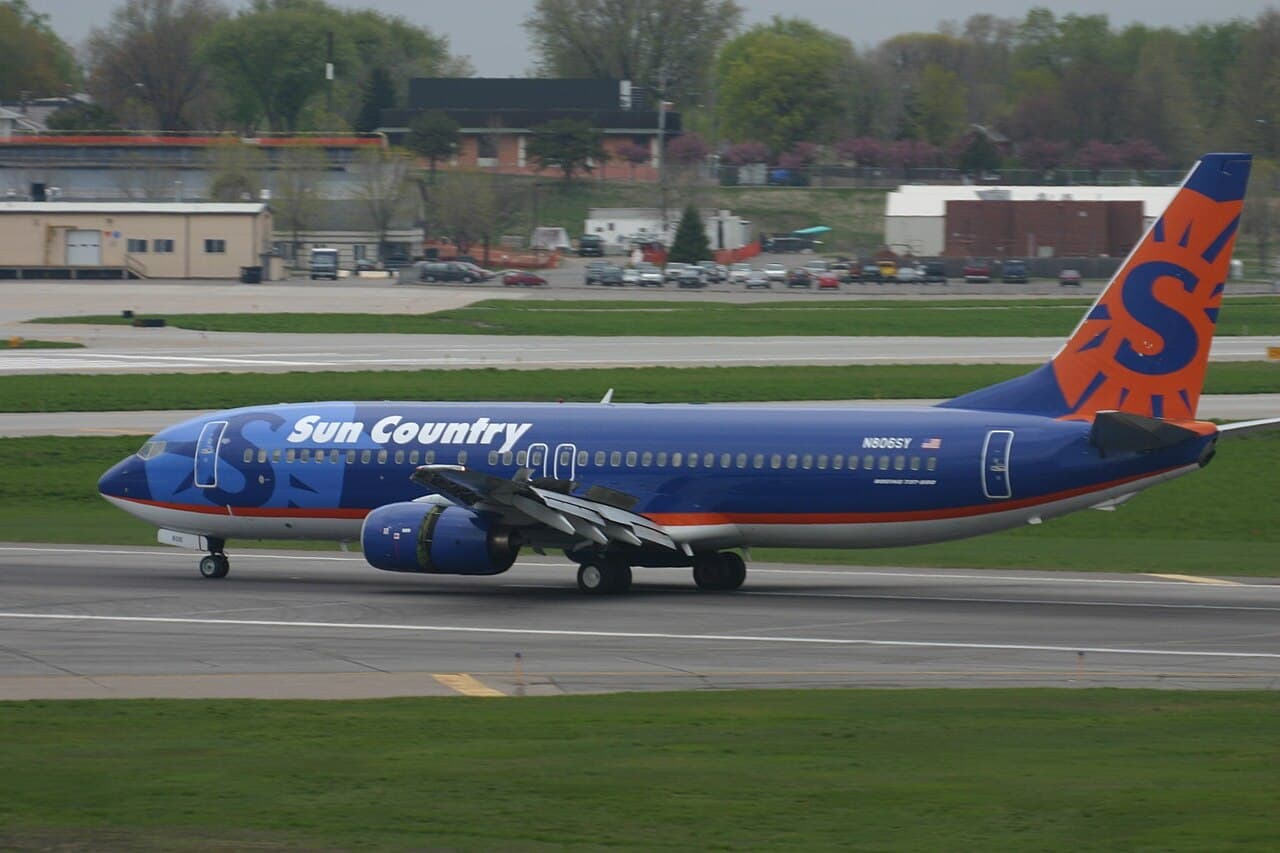
Sun Country Cuts September Flights Due to Crew Attrition and Cargo Growth
The carrier reduced roughly one-third of its September flying as it balances pilot staffing with increased cargo demand.
Cargo
Air cargo news: freighter fleets, conversions, logistics and e-commerce demand, integrators, and the operators moving freight by air.
Loading stories…
The carrier reduced roughly one-third of its September flying as it balances pilot staffing with increased cargo demand.

Fraport AG has released its traffic figures for June and the first half of 2026. While Frankfurt Airport saw a modest decline in passenger numbers, the company’s global portfolio delivered overall growth. ezstandalone.cmd.push(function () { ezstandalone.showAds(119); }); The group handled 77.7 million passengers across its actively managed airports in the first six months, marking a 1.0 percent increase compared to the same period in 2025. Frankfurt Airport Faces Headwinds In June 2026, Frankfurt Airport (FRA) welcomed approximately 5.7 million passengers. This represents a 1.7 percent decrease from June 2025. For the first half of the year, the airport recorded 28.9 million passengers, down 0.8 percent year-on-year. ezstandalone.cmd.push(function () { ezstandalone.showAds(127); }); Several factors contributed to the softer performance. Strikes at Lufthansa affected nearly 700,000 passengers directly. The outbreak of the Iran war caused significant flight restrictions and reduced demand for Middle East routes. Passenger numbers to this region dropped 35 percent in the first half, with only about 880,000 travellers. In June alone, traffic to the Middle East was still 27 percent lower than the previous year. ezstandalone.cmd.push(function () { ezstandalone.showAds(128); }); Positive trends emerged in other regions. Traffic to southern and northern Europe increased. Long-haul routes to the Far East rose, with Africa and Latin America also showing gains. In the first six months, passengers to Africa grew 8.0 percent to 1.6 million, while Far East traffic climbed 6.4 percent to 3.3 million. Cargo operations at Frankfurt remained resilient. Airfreight and airmail volumes increased by 2.0 percent in June to 177,676 metric tons. For the first half, cargo grew 1.0 percent to 1.0 million metric tons. However, aircraft movements fell 4.9 percent in June to 39,390, and total maximum takeoff weights decreased by 2.3 percent. ezstandalone.cmd.push(function () { ezstandalone.showAds(129); }); Frankfurt Airport Photo Credit: Fraport Strong Performance Across International Airports Fraport’s international airports largely delivered growth, offsetting the Frankfurt decline. In June, the total number of passengers at all actively managed airports reached around 19.7 million, a slight 1.1 percent dip. Yet the half-year total of 77.7 million passengers confirmed positive momentum for the group. Notable performers included: Ljubljana Airport (LJU) in Slovenia: Passenger numbers surged 12.7 percent to 184,211. Brazilian gateways (Fortaleza and Porto Alegre): Combined traffic rose 2.0 percent to 1.2 million passengers. Lima Airport (LIM) in Peru: Up 0.9 percent to around 2.0 million passengers. 14 Greek airports: Handled 5.6 million passengers, an increase of 4.7 percent. Bulgarian coastal airports (Burgas and Varna): Grew 8.0 percent to 593,964 passengers. Antalya Airport (AYT) in Turkey was an exception, with traffic down 9.6 percent to 4.5 million passengers in June. High tourism prices and geopolitical tensions in the Middle East affected bookings. ezstandalone.cmd.push(function () { ezstandalone.showAds(130); }); Ljubljana Airport Photo Credit: Fraport CEO Outlook: Financial Guidance Maintained Fraport CEO Dr. Stefan Schulte acknowledged the challenging first half but expressed confidence in the company’s position. “The first half of the year was impacted by many extraordinary factors,” he said. These included strikes, the Iran war, jet fuel concerns, and rising oil prices that made passengers more reluctant to book. As a result, Fraport now projects full-year passenger volumes at Frankfurt to remain roughly at 2025 levels. The company still expects positive growth at its international airports. Importantly, Schulte confirmed that financial targets remain achievable, and the group is maintaining its 2026 financial outlook. He noted that weaker traffic in Germany may slightly dampen overall financial performance. ezstandalone.cmd.push(function () { ezstandalone.showAds(131); }); Resilience in a Complex Environment Fraport’s diversified global portfolio has once again proven valuable. While Frankfurt — its largest hub — faces short-term pressures from geopolitical events and operational disruptions, strong results from Greece, Bulgaria, Slovenia, and Latin America demonstrate the strength of its international operations. The modest cargo growth at Frankfurt also provides a buffer, as airfreight often moves independently of leisure passenger trends. With summer travel season underway, Fraport will focus on recovering Middle East routes and capitalizing on robust demand in Europe and other long-haul markets. Overall, the first-half results show a group that remains on track. Despite external challenges, Fraport continues to manage volatility effectively while preserving its financial guidance for the full year. ezstandalone.cmd.push(function () { ezstandalone.showAds(132); }); Travellers and industry observers will watch closely to see how the second half of 2026 unfolds amid ongoing global uncertainties.
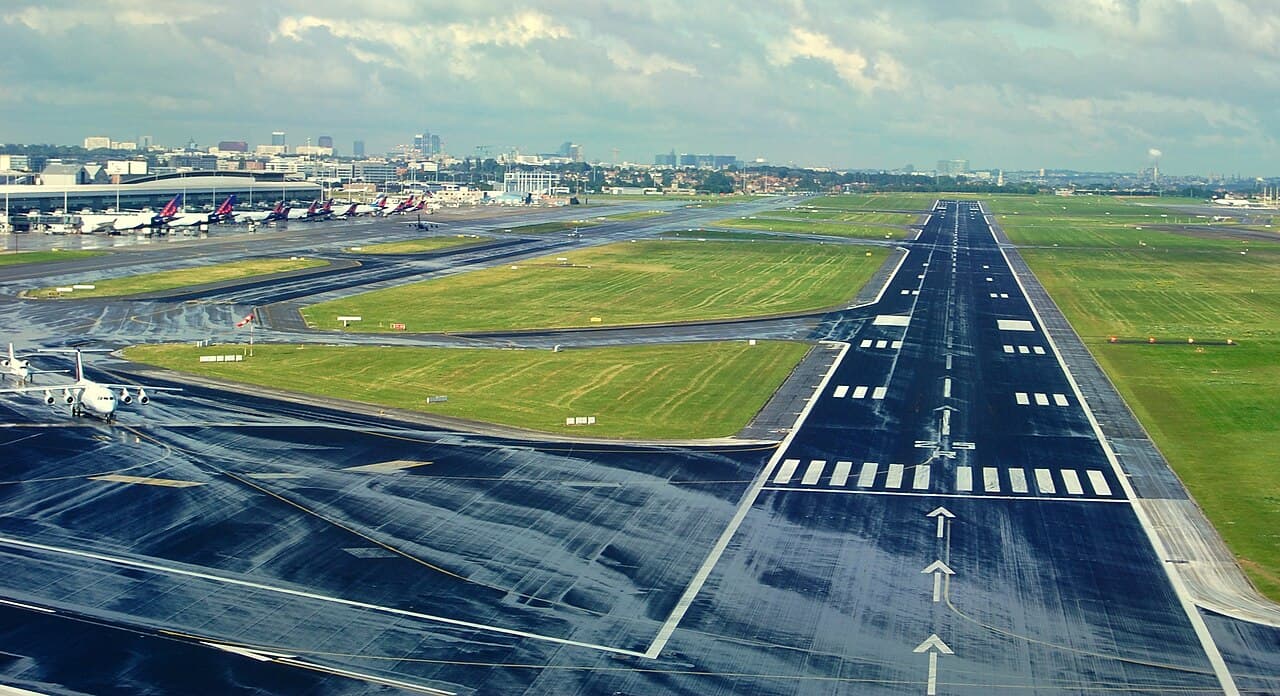
Brussels Airport has reported solid results for the first six months of 2026. The airport welcomed 11.7 million passengers and handled nearly 420,000 tonnes of cargo, demonstrating resilience despite several operational challenges. ezstandalone.cmd.push(function () { ezstandalone.showAds(119); }); Passenger numbers rose 3.6% compared to the same period in 2025, while cargo volumes increased by a healthy 8.3%. These figures highlight the airport’s ability to grow its network and maintain momentum in a demanding environment. Brussels Airport continues to strengthen its position as a key European hub for both travellers and freight. ezstandalone.cmd.push(function () { ezstandalone.showAds(127); }); Passenger Traffic Shows Steady Growth In the first half of 2026, Brussels Airport served exactly 11,684,976 passengers. This 3.6% increase came despite external disruptions, including social actions and the ongoing conflict in the Middle East. The airport launched eight new destinations during this period, with five being long-haul routes. Notable additions included Air China’s services and a new route to Chengdu, which boosted connectivity with Asia. ezstandalone.cmd.push(function () { ezstandalone.showAds(128); }); LATAM began direct flights to São Paulo—the first such link between Belgium and South America in over 25 years. Brussels Airlines also introduced a route to Kilimanjaro in Tanzania. These expansions have significantly improved the airport’s international reach. Challenges affected operations throughout the period. The Middle East conflict led to the suspension of flights to Tel Aviv and reduced services to the Gulf region. ezstandalone.cmd.push(function () { ezstandalone.showAds(129); }); Additionally, industrial actions in March and May impacted around 55,000 passengers, while a strike by air traffic provider skeyes on 2 June affected another 25,000 travellers. Despite these hurdles, demand for air travel remained strong, supporting overall growth. Cargo Volumes Surge 8.3% Cargo performance stood out even more, with nearly 420,000 tonnes handled in the first half of the year—an 8.3% rise year-on-year. This growth reinforces Brussels Airport’s status as one of Europe’s leading cargo gateways. Different segments contributed to the increase. Full freighter volumes grew by 16.7%, trucked cargo rose 16.2%, and flown cargo increased by 7%. Belly cargo saw only a modest 0.1% gain, as it remained sensitive to disruptions in Middle East routes. The airport’s strategy of diversifying goods and markets has clearly paid off. ezstandalone.cmd.push(function () { ezstandalone.showAds(130); }); Brussels Airport is investing in modernising its cargo zone to support future expansion. These improvements will help meet the needs of logistics operators and sustain long-term growth in pharmaceutical products, perishables, e-commerce, and other specialised segments. Photo Credit: Brussels Airport Positive Results Continue in June June 2026 delivered encouraging figures as well. The airport welcomed over 2.2 million passengers, up 1.7% from June 2025. New routes to São Paulo, Kilimanjaro, and Halifax, along with resumed services to Doha and increased frequencies to other destinations, helped drive this performance. Cargo volumes in June reached 70,895 tonnes, marking a strong 12.2% increase. Full freighter traffic grew significantly, and trucked cargo surged by 42.4%. Commercial flight movements remained nearly stable, with passenger flights up slightly. ezstandalone.cmd.push(function () { ezstandalone.showAds(131); }); Popular destinations in June included Spain, Italy, Greece, and Germany. Outbound transfer passengers accounted for 15% of traffic, showing healthy hub activity toward Europe, Africa, and North America. Looking Ahead These first-half results demonstrate Brussels Airport’s strong foundation. With 205 direct destinations served by 83 airlines in 2026, the airport offers excellent connectivity for both leisure and business travellers. Its cargo operations remain a European leader, particularly in pharmaceuticals. The airport’s SHIFT 2027 strategy focuses on sustainability, innovation, and diversification. By addressing challenges head-on and investing in infrastructure, Brussels Airport is well positioned to build on this positive momentum in the second half of the year and beyond. ezstandalone.cmd.push(function () { ezstandalone.showAds(132); }); As one of Belgium’s major economic engines supporting around 64,000 jobs, the airport’s continued growth benefits the entire region. Travellers and businesses alike can expect even more opportunities from this dynamic European hub.
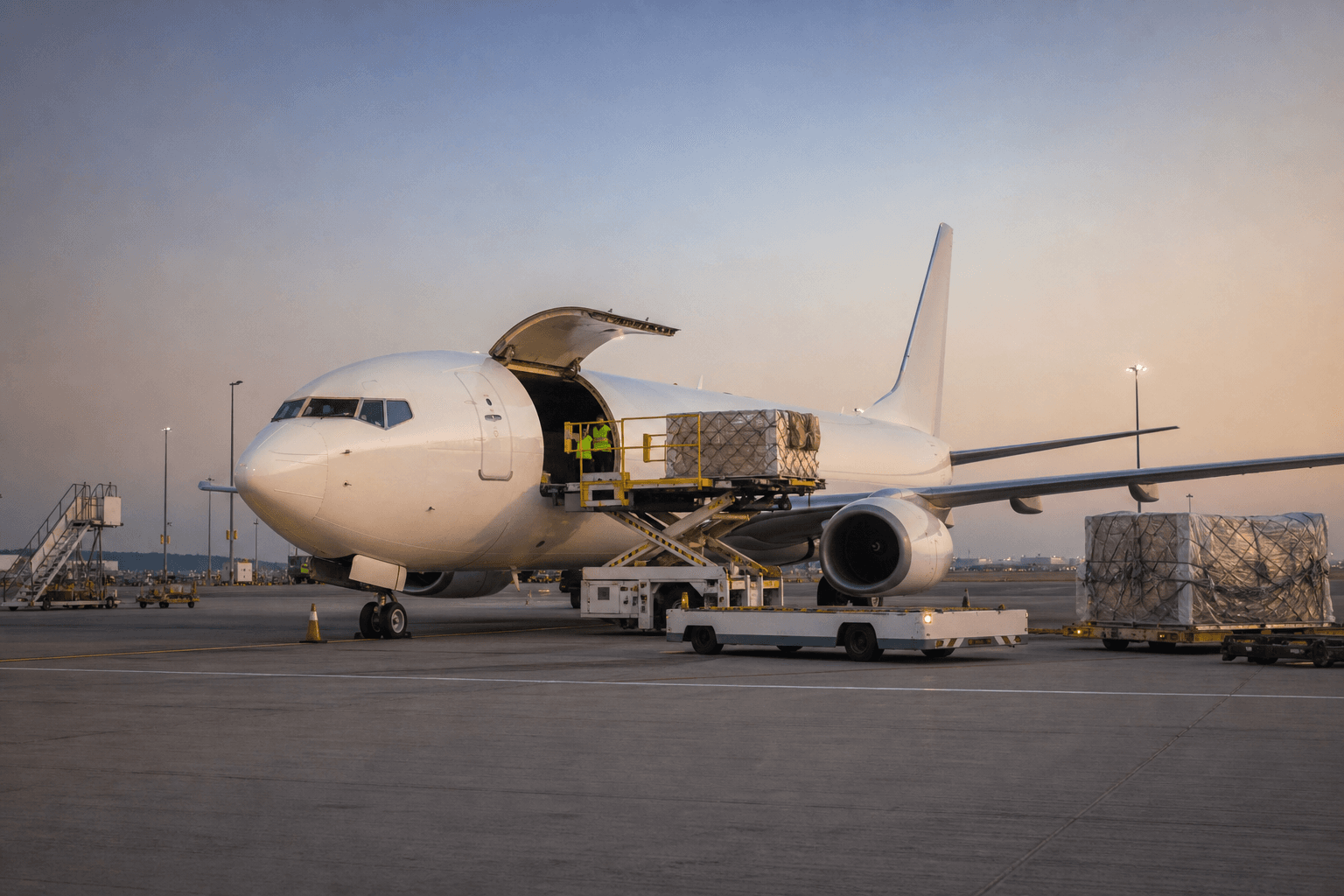
SolitAir, the UAE’s dedicated B2B airport-to-airport cargo airline, has launched a new scheduled route connecting its Dubai World Central (DWC) hub to Tianjin Binhai International Airport (TSN) in northern China. ezstandalone.cmd.push(function () { ezstandalone.showAds(119); }); The move strengthens the carrier’s growing footprint in one of the world’s most important trade markets, building on its successful operations to Hong Kong and Urumqi. The inaugural flight carried a VIP cargo shipment, underlining the route’s focus on secure, reliable, and time-critical air freight solutions. Customers needing fast, tailored transport for high-value or sensitive goods now have a direct and efficient link between the UAE and northern China. ezstandalone.cmd.push(function () { ezstandalone.showAds(127); }); Strategic Gateway in Northern China Tianjin, a bustling port city of 14 million people, ranks among China’s largest industrial and logistics hubs. It serves as the main maritime and air gateway for the Beijing-Tianjin-Hebei economic region, which accounted for 8.5% of China’s GDP in 2025. Tianjin Port is one of the world’s busiest, handling more than 23 million TEUs annually. Meanwhile, Tianjin Binhai International Airport supports advanced manufacturing sectors such as automotive, aerospace, electronics, pharmaceuticals, and high-value industrial equipment. The city also plays a growing role in the Belt and Road Initiative, making it a vital node for international trade. ezstandalone.cmd.push(function () { ezstandalone.showAds(128); }); CEO: “Supporting Evolving Customer Needs” Hamdi Osman, Founder and CEO of SolitAir , highlighted the importance of the new route. “China remains one of the most dynamic growth markets for global trade,” he said. “Adding Tianjin reflects our commitment to meeting our customers’ evolving needs.” “This route gives us direct access to northern China’s vibrant manufacturing and logistics hub while further strengthening the US$111 billion non-oil trade relationship between China and the UAE.” ezstandalone.cmd.push(function () { ezstandalone.showAds(129); }); Rapid Network Expansion The Tianjin launch follows SolitAir’s recent entry into Europe with its inaugural route to Sofia, Bulgaria. Since starting operations in October 2024, the airline has quickly scaled up to 56 routes across 33 countries. This includes a strong 18-city network across Africa. The carrier continues to focus on commercially vital, time-sensitive corridors linking Asia, the Middle East, Africa, and Europe. SolitAir operates a modern fleet of seven Boeing 737-800 BCF freighters. Each aircraft offers a 20-tonne cargo capacity and is well-suited for a wide range of shipments, including dangerous goods, pharmaceuticals, perishables, valuable items, and oversized freight. ezstandalone.cmd.push(function () { ezstandalone.showAds(130); }); The airline’s reliable, versatile aircraft deliver the range and performance needed for demanding routes. Comprehensive Service Offering The airline provides an integrated platform across four key service areas: On-Demand Charters, Tailor-Made Programs, Scheduled Flights, and ACMI Services. This flexible approach allows SolitAir to deliver custom solutions on both high-demand and underserved routes. SolitAir holds several important certifications, including the UAE GCAA Air Operator Certificate (AOC), Dangerous Goods certification, EASA Third Country Operator (TCO) authorisation, United Kingdom Third Country Operator Certificate, and ACC3 designation from the Belgian Civil Aviation Authority. ezstandalone.cmd.push(function () { ezstandalone.showAds(131); }); These approvals ensure secure and compliant cargo operations to and from the European Union. Future Growth Plans Looking ahead, SolitAir aims to expand its fleet to 20 aircraft. The airline operates from a 20,440-square-metre dedicated cargo hub at Dubai World Central (Al Maktoum International Airport), positioning it well for continued growth in global B2B air cargo. The new Tianjin route enhances connectivity for businesses moving goods between key economic centres. It reflects SolitAir’s strategy of linking dynamic markets with dependable, customer-focused air freight services. ezstandalone.cmd.push(function () { ezstandalone.showAds(132); });
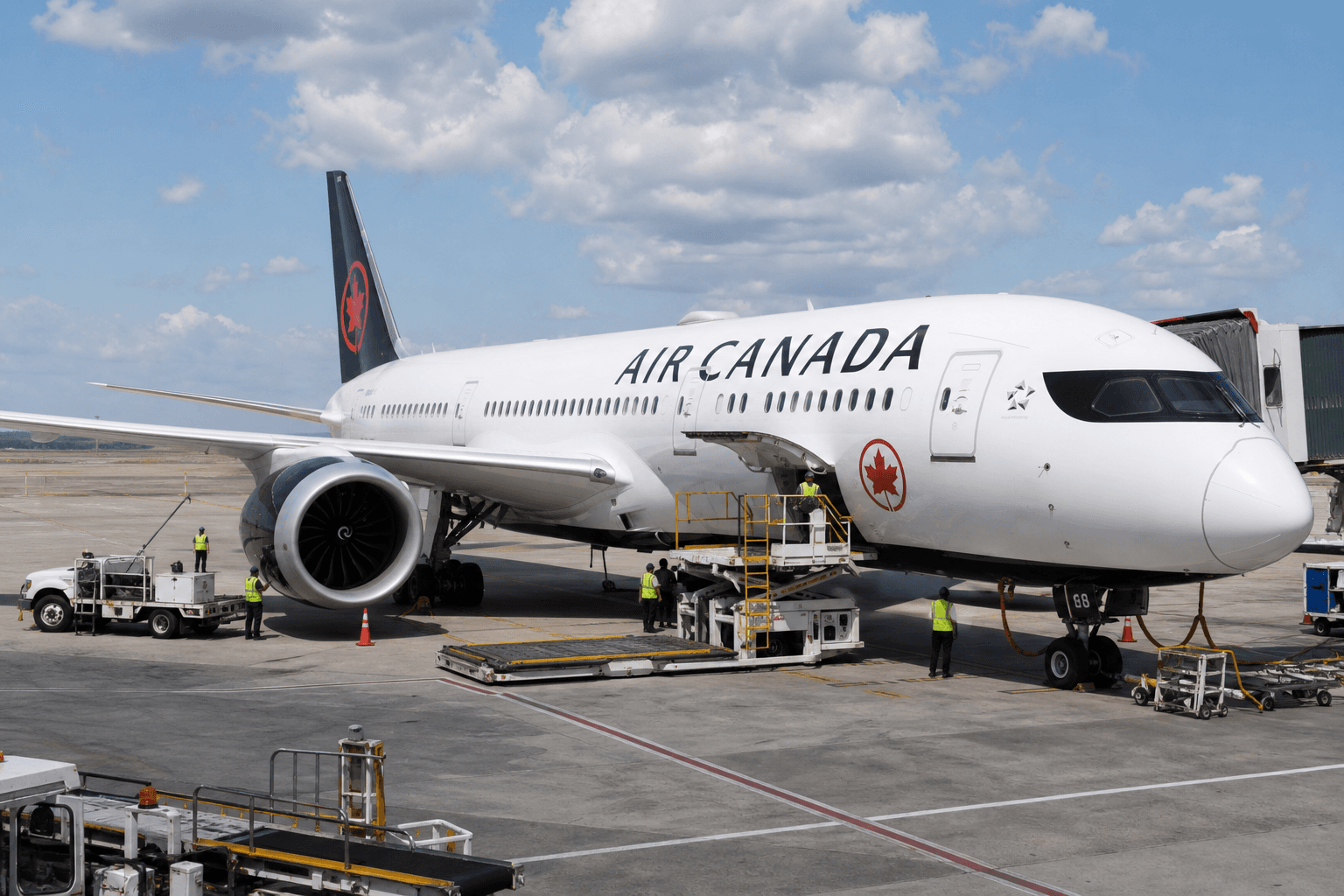
Air Canada has reached a new tentative collective agreement with the International Association of Machinists and Aerospace Workers (IAMAW), covering approximately 11,000 employees across the airline's technical and operational divisions. The agreement, announced on July 13, 2026, according to GlobeNewswire, covers the airline's Technical Operations, Maintenance and Operational Support group, which includes employees in Technical Operations, Airports, Cargo, Logistics, and Supply. What the agreement covers The four-year collective agreement would take effect retroactively from April 1, 2026, and remain in place until March 31, 2030. The tentative deal follows an earlier agreement reached in June between Air Canada and the IAMAW covering more than 11,000 employees in Maintenance, Cabin Services, Airport Airside Operations, Cargo, Finance, and Clerical roles. Terms of that agreement were kept confidential pending ratification by union membership and approval by the Air Canada Board of Directors. The latest agreement is subject to ratification by union members, which is expected to be completed in the coming days. If ratified, the agreement would mark the sixth collective agreement concluded at Air Canada this year, reflecting a period of active labor negotiations at the carrier. Air Canada said the agreement recognizes the contributions and skills of its employees. RELATED SAS CEO Anko van der Werff to leave airline for Air Canada in 2027
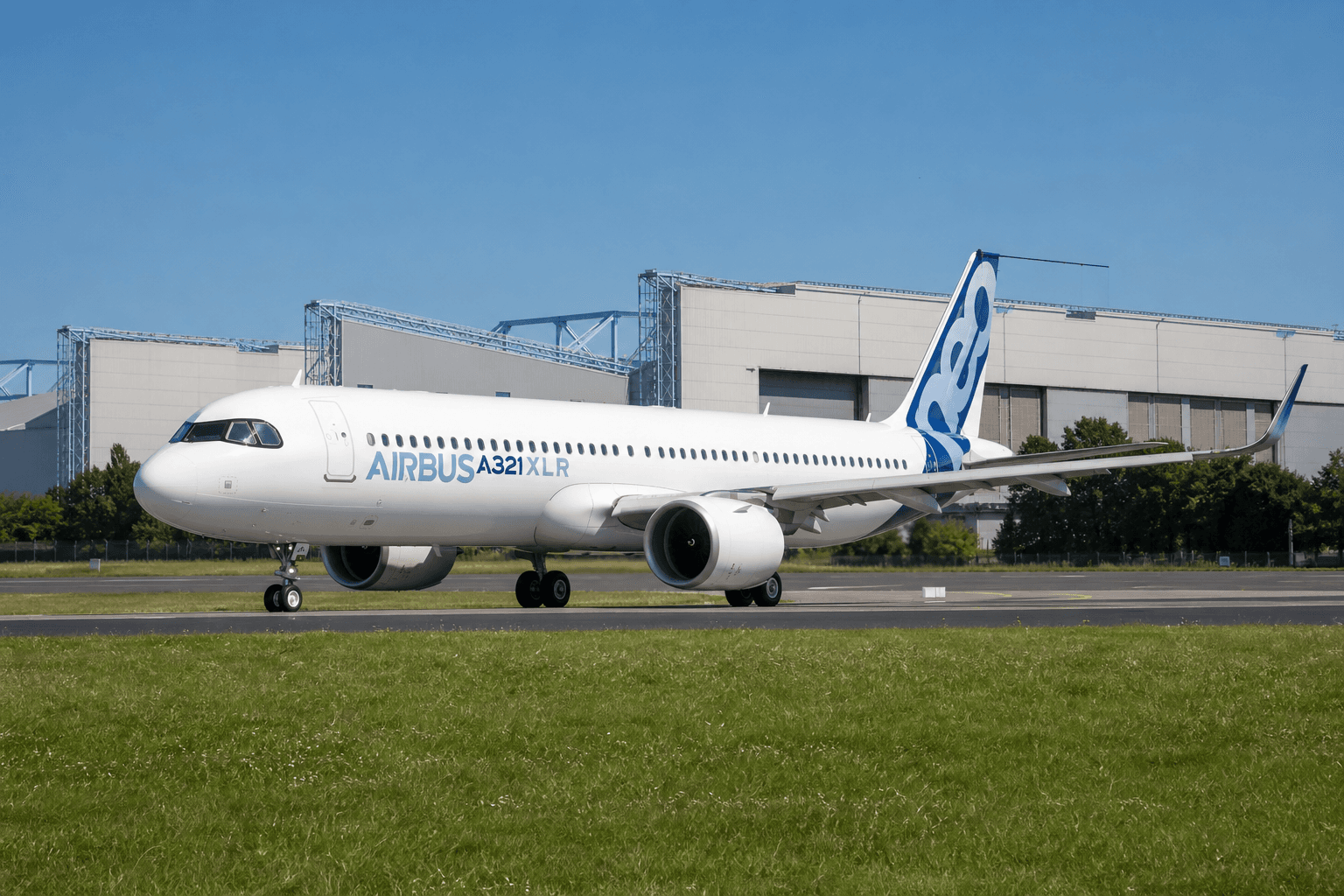
The Airbus A321XLR is built across four countries before it flies. Its wings are manufactured in North Wales, its forward fuselage in western France, its rear fuselage and Rear Center Tank in northern Germany, and its tail in central Spain. The components travel between facilities by road, barge, and a fleet of purpose-built Beluga cargo aircraft before arriving in Hamburg for final assembly.
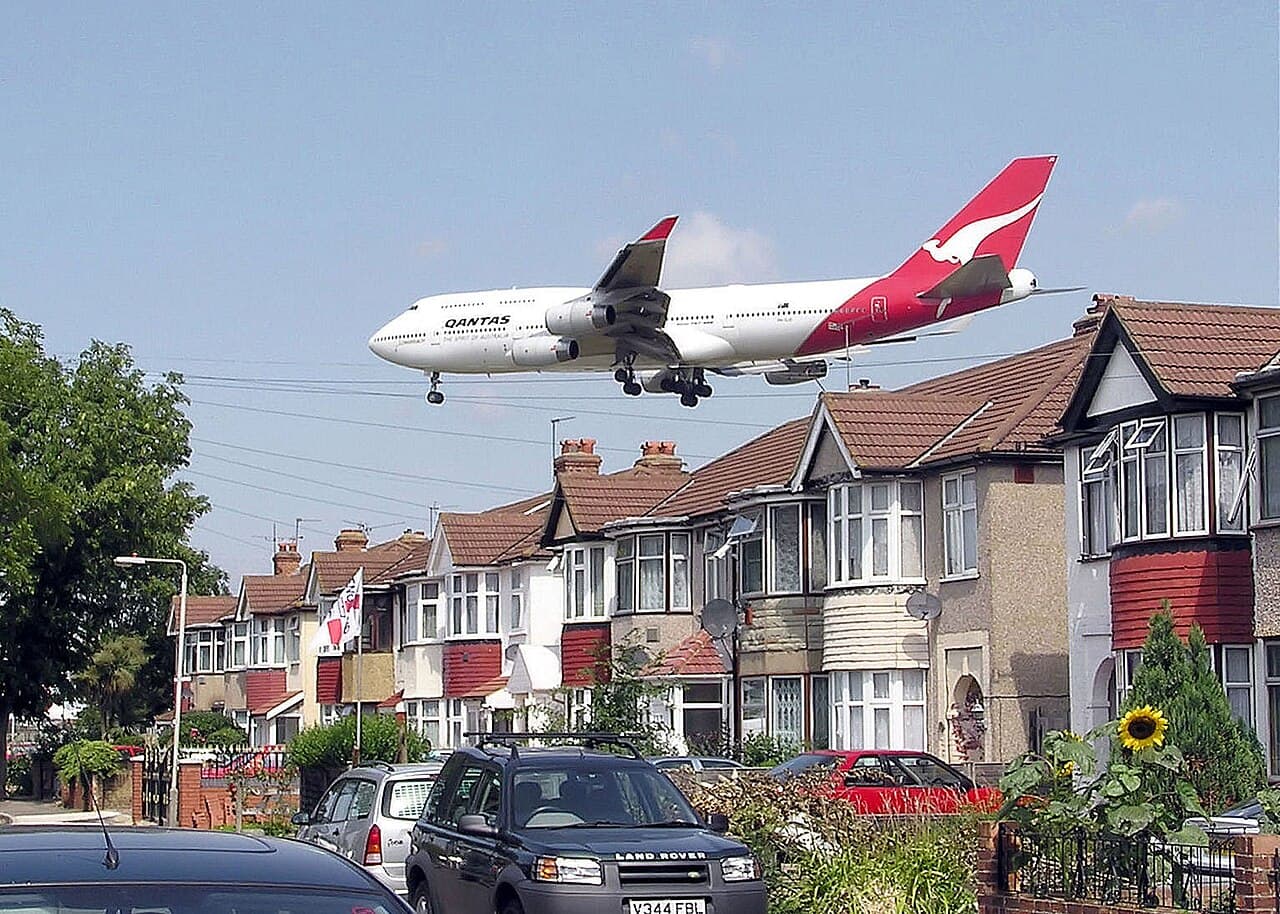
A Qantas Airbus A321 freighter has become the first cargo aircraft to land at Western Sydney International Airport (WSI), completing a readiness flight ahead of regular freight operations beginning later this month. Flight QF7301 touched down at 14:00 local time on July 13, 2026, at the airport also known as Nancy-Bird Walton Airport. The flight helped validate key operational processes at the airport's new Cargo Precinct, including aircraft handling, ground operations, systems, airside coordination, and cargo transfer procedures. Counting down to launch Regular domestic freighter operations from Western Sydney International will start on July 27, 2026 with the new terminal expected to handle more than 850 tonnes of freight each week. Qantas will operate from a 24,000-square-meter freight terminal at the airport, designed to streamline cargo handling at Sydney's newest gateway. Igor Kwiatkowski, Executive Manager of Qantas Freight, said the test flight was an important step before launching operations. "Western Sydney International Airport is set to become one of Australia's key air freight hubs and today's flight was an important opportunity to test key procedures ahead of starting operations," Kwiatkowski said. "In just a few weeks, this new 24-hour facility will provide greater flexibility for our freight network, helping us meet growing demand for e-commerce and next-day deliveries." Testing before opening day Simon Hickey, Chief Executive Officer of Western Sydney International Airport, said the trial program allows the airport to test its systems ahead of commercial operations. "We've utilised the latest technology and innovations to deliver a highly efficient, sustainable, and future-proofed 24-hour Cargo Precinct," Hickey said. "Our operational readiness program and live aircraft trials present an excellent opportunity to test these capabilities." Hickey also acknowledged the coordination between the airport, Airservices Australia, and Cargo Precinct partners in delivering the trial program. The freight milestone comes ahead of the airport's passenger debut. Jetstar will operate the first commercial passenger flight from Western Sydney International on October 25, 2026, the airport's opening day. Qantas passenger services will follow on March 28, 2027, as part of an agreement between the Qantas Group and the airport covering both passenger and freight operations. RELATED Qantas and Jetstar announce flights from Western Sydney International Airport
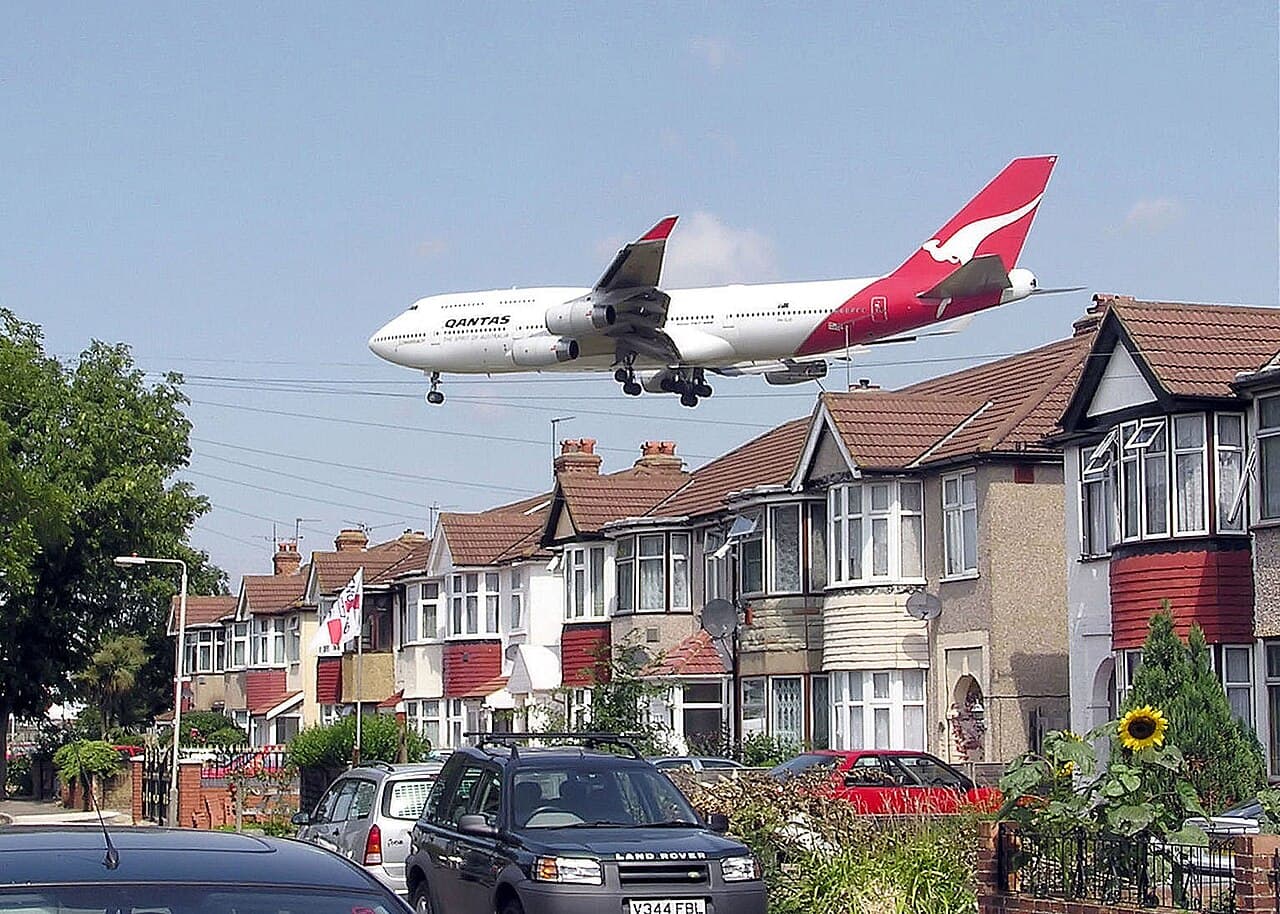
Badgerys Creek hub set to open in late July. Cargo flight trials have commenced at Australia's newest airport, Western Sydney, with the arrival of the first freighter — a converted Airbus A321 operated by Qantas. The twinjet (VH-XF5) flew from Sydney's main airport to touch down on the new facility's runway 23 on 13 July. "These trials are an integral part of ensuring that our systems, infrastructure and staff have been put through their paces in a live and controlled operating environment," says Western Sydney airport's chief, Simon Hickey. He says additional flights will be conducted over the next two weeks, ahead of the airport's formal inauguration of commercial freight services on 26 July. Passenger flights are scheduled to commence in October. Qantas Freight executive manager Igor Kwiatkowski says the new airport will become an important cargo hub for Australia. "This new 24-hour facility will provide greater flexibility for our freight network, helping us meet growing demand for e-commerce and next-day deliveries," he says. "The airport will increase Sydney's air cargo capacity helping us to move time-critical supplies around Australia and overseas." Companies including Dnata, Texel Air and Menzies Aviation will operate at the hub alongside Qantas Freight. Western Sydney is located in the region of Badgerys Creek, about 23nm (42km) west of the city's main international airport.
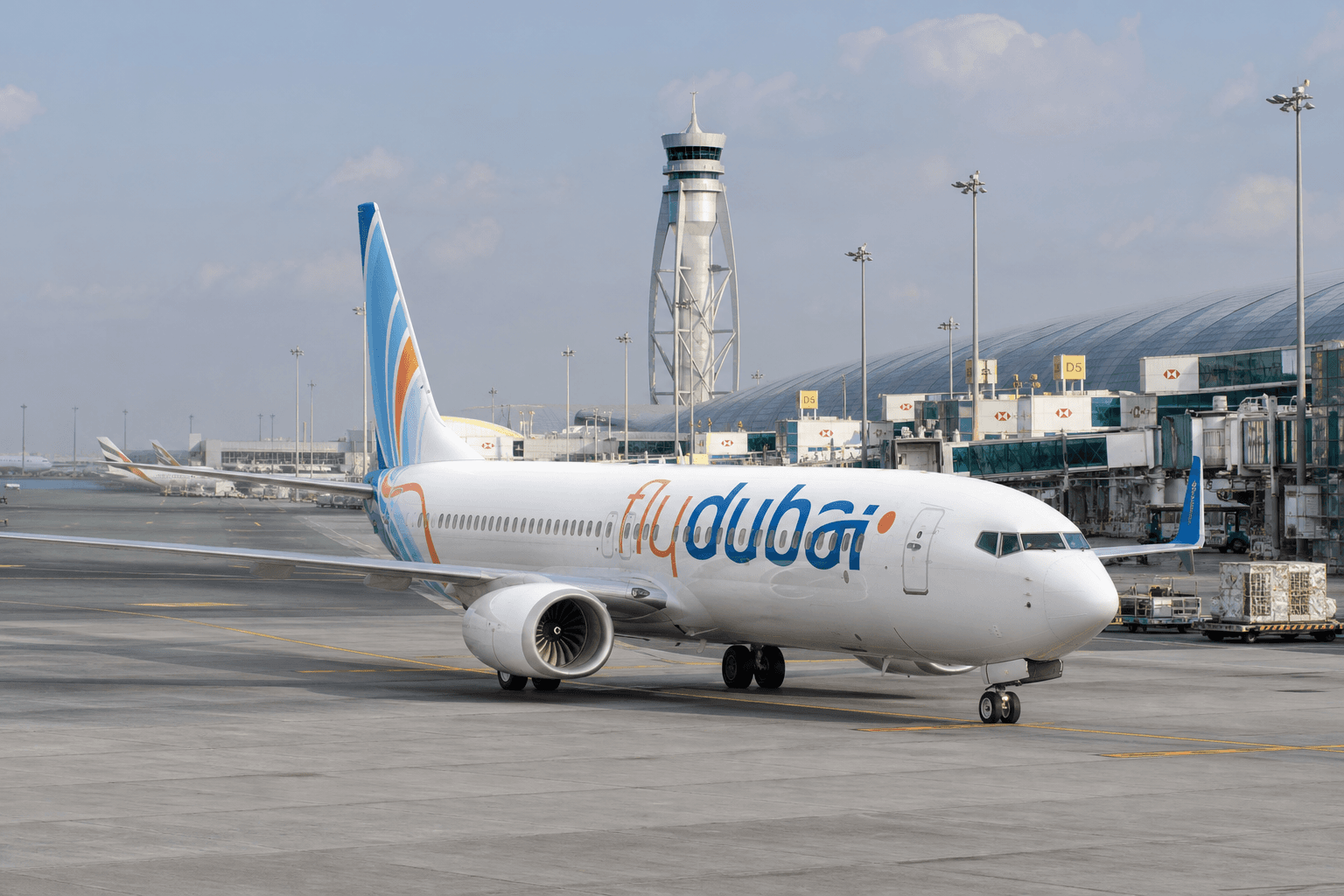
Dubai-based flydubai has announced the resumption of direct flights to Aleppo, marking a significant expansion of its operations in Syria. Starting 20 July 2026, the airline will operate daily non-stop services between Dubai International Airport (DXB) and Aleppo International Airport (ALP). ezstandalone.cmd.push(function () { ezstandalone.showAds(119); }); This development makes Aleppo flydubai’s second destination in Syria, following the successful launch of services to Damascus. The move comes nearly 14 years after operations to Aleppo were previously halted. It reflects flydubai’s ongoing commitment to connecting underserved markets and supporting Dubai’s role as a global aviation hub. ezstandalone.cmd.push(function () { ezstandalone.showAds(127); }); A Milestone for Connectivity Ghaith Al Ghaith, Chief Executive Officer at flydubai , expressed enthusiasm about the new route. “We are pleased to resume our operations to Aleppo after nearly 14 years of halted operations,” he said. “The introduction of our daily service to Aleppo marks an important milestone in our network expansion strategy.” Al Ghaith highlighted the airline’s core mission: creating direct air links to markets that previously lacked convenient connections. ezstandalone.cmd.push(function () { ezstandalone.showAds(128); }); The new service aims to meet strong existing demand while fostering closer economic, cultural, and familial ties between the UAE and Syria. Aleppo, one of the world’s oldest continuously inhabited cities, has long served as a vital commercial crossroads. ezstandalone.cmd.push(function () { ezstandalone.showAds(129); }); The resumption of direct flights is expected to benefit regional business travellers, the Syrian diaspora in the UAE and Gulf region, and visiting friends and relatives (VFR) traffic. Travellers will enjoy significantly shorter journey times compared to indirect routes. Photo Credit: flydubai Building on Damascus Success The Aleppo launch builds on positive momentum from flydubai’s Damascus operations. The airline became the first UAE carrier to offer daily services to the Syrian capital in June 2025. Due to robust demand, it has since increased frequency to three daily flights. Hamad Obaidalla, Chief Commercial Officer at flydubai , noted the encouraging response on the Damascus route. ezstandalone.cmd.push(function () { ezstandalone.showAds(130); }); “The resumption of our non-stop service to Aleppo builds on this momentum, providing our customers with greater choice and more convenient travel options between Dubai and Syria,” he said. The timing aligns well with peak summer travel demand. Flight Schedule Flights will depart from Terminal 3 at Dubai International Airport. The schedule includes: FZ 1191: DXB to ALP, departing 11:00, arriving 13:40 FZ 1192: ALP to DXB, departing 14:40, arriving 19:20 ezstandalone.cmd.push(function () { ezstandalone.showAds(131); }); (All times local) Photo Credit: flydubai Passengers can expect flydubai’s modern Boeing 737 fleet, featuring lie-flat seats in Business Class and comfortable Economy seating. Additional amenities include an immersive in-flight entertainment system and internationally inspired meals. The airline also offers optimised cargo capacity to support bilateral trade. Fares are competitively positioned. Return Business Class starts from AED 8,000 (DXB-ALP) and Economy Lite from AED 1,800. Return fares from Aleppo start from USD 2,000 in Business Class and USD 470 in Economy Lite. ezstandalone.cmd.push(function () { ezstandalone.showAds(132); }); The service operates as part of the flydubai-Emirates codeshare partnership, allowing seamless connections, single-ticket itineraries, and through baggage check-in across the combined network. Growing Network and Future Plans flydubai continues to expand its footprint. The airline now serves more than 140 destinations with a fleet of 97 Boeing 737 aircraft. Recent additions include Benghazi in Libya and Bangkok in Thailand, with Pokhara in Nepal scheduled for September 2026. Since starting operations in 2009, flydubai has carried over 137 million passengers and opened more than 100 new routes. The focus remains on removing barriers to travel and enhancing connectivity across diverse regions. ezstandalone.cmd.push(function () { ezstandalone.showAds(133); }); This resumption of services to Aleppo signals renewed opportunities for trade, tourism, and people-to-people connections between the UAE and Syria. As demand for travel in the region grows, flydubai’s daily service is well-positioned to play a key supporting role.
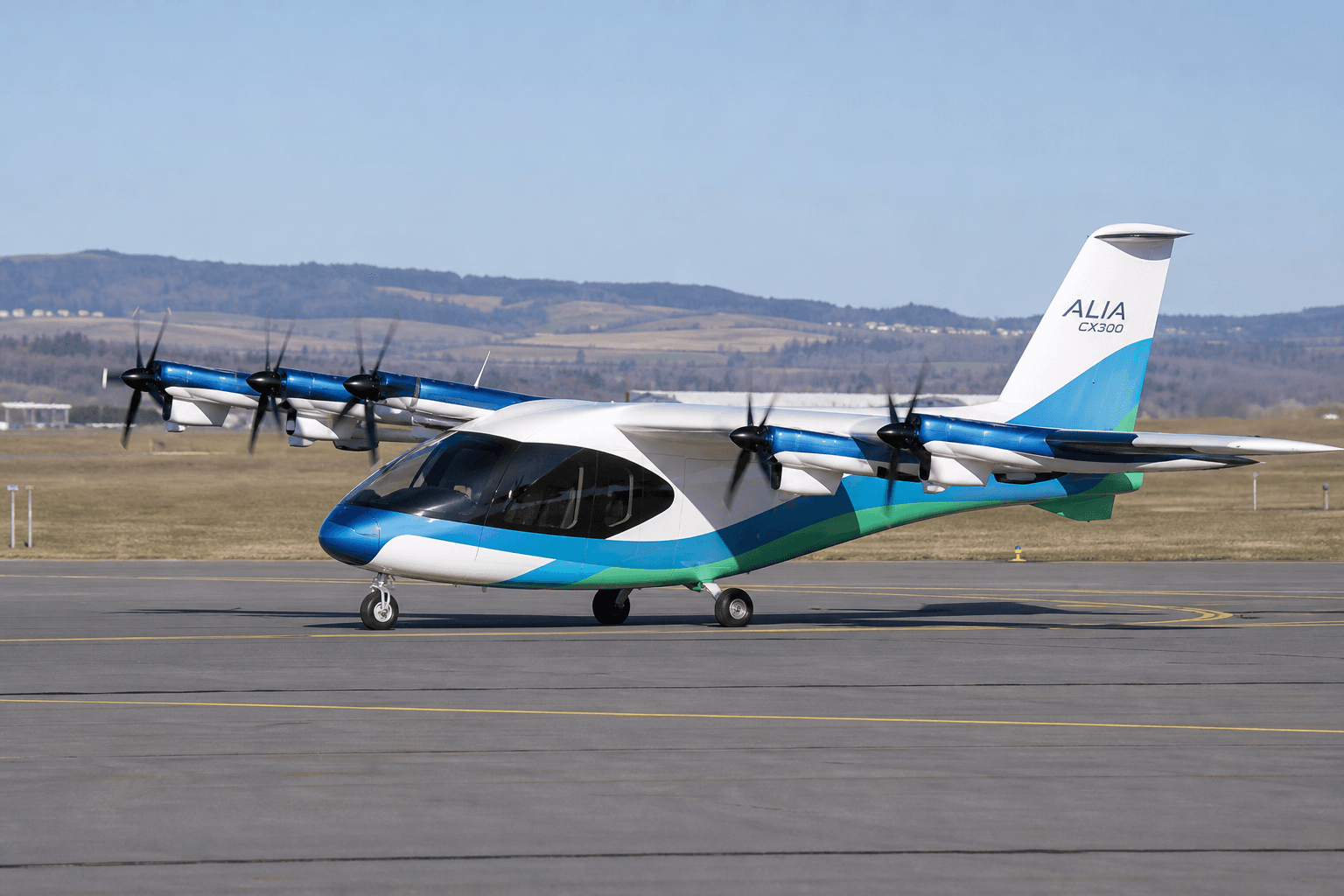
The FAA and Transportation Department's eVTOL Integration Pilot Program ( eIPP ) has begun operational flying. BETA Technologies said Friday that it conducted the program's first electric conventional-takeoff-and-landing flights using its ALIA CX300 aircraft to transport manufactured organs in Maryland and Virginia. Medical Missions Open Program United Therapeutics took part in the flights alongside BETA and the Multistate Collaborative eIPP National Integration Complex. The missions were intended to demonstrate how electric aircraft could support time-sensitive medical transportation between existing airports. The CX300 uses a runway for takeoffs and landings. BETA is pursuing FAA certification for the aircraft and has demonstrated a range of 337 nautical miles. Flights by the company's vertical-takeoff ALIA model are expected to follow conventional aircraft operations under the program. Trials Span 26 States The FAA and Transportation Department selected eight projects for the program in March . The projects cover 26 states and include passenger transportation, cargo deliveries, medical response and autonomous-aircraft operations. BETA was selected to participate in seven projects and expects to operate in at least 10 states. The program is expected to run for at least three years. The FAA plans to use data collected during the operations to develop regulations for integrating electric and other advanced aircraft into the national airspace system.
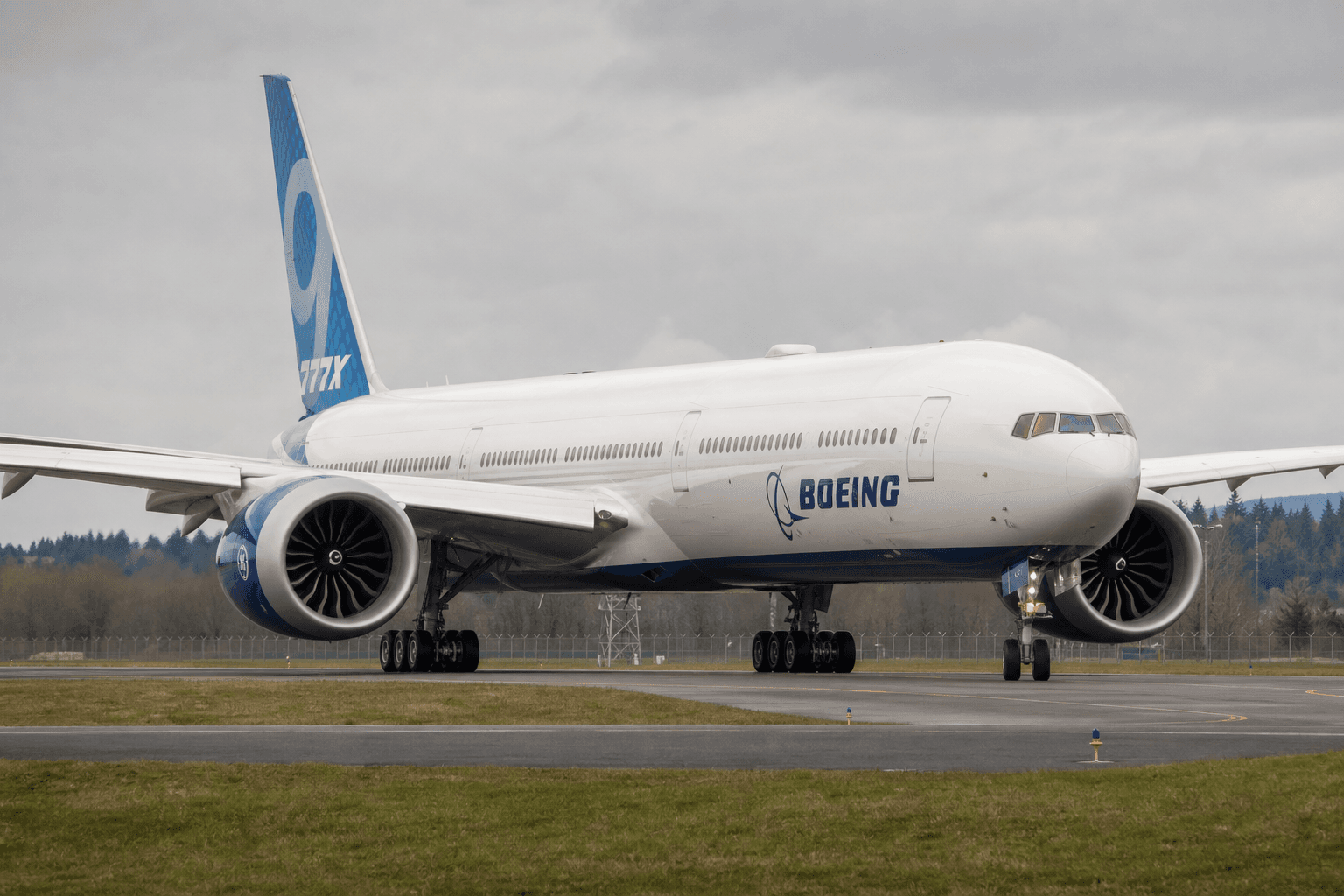
Evidence suggests that Boeing has updated the advertised range of the B777X aircraft. The US aircraft manufacturer has not made any official announcement about these changes. However, several media outlets and industry analysts have noted that Boeing has quietly updated the marketing materials related to the B777X which are available online . The range performance improvement seems to be across the whole family of aircraft. The B777-9 has been increased by 715 nm (1,324 km), from 7,285 nm (13,492 km) to 8,000 nm (14,816 km), an increase of almost 10%. The rise has been even larger for the B777-8, which has seen its advertised range expanded by 755 nm (1,398 km), from 8,745 nm (16,196 km) to 9,500 nm (17,594 km) – a boost of 8.6%. This figure places this version of the B777X close to the 10,000 nautical miles (18,520 km) of the Airbus A350-1000ULR , which has been picked by Qantas to operate what is set to be the world's longest commercial route, from Sydney (SYD) to London Heathrow (LHR). The B777-8 Freighter has also had 590 nm (1,093 km) added to its advertised performance, taking it from 4,410 nm (8,167 km) to 5,000 nm (9,260 km) – in percentage terms, the largest jump at 13.4%. What's more, the theoretical maximum number of passengers that each of these B777X versions is able to carry appears to have been updated upwards, too. The B777-8 is now listed as being able to carry 350 to 425 passengers in a two class-configuration, while previously the upper limit was 395. The equivalent number of the B777-9 has been revised to a bracket of 375 to 450 passengers in two classes, while previously it stood at 426. Richard Schuurman at aviation news platform AirInsight noted that these performance figures have been revised while leaving the aircraft's MTOW (Maximum Take Off Weight) largely intact . This may indicate that these changes have been achieved through efficiency improvements rather than through any structural modifications. The B777-9 is currently expected to complete its certification process by early 2027 , as it continues to accumulate delays. The B777-8, in both its passenger and cargo versions, could take another two to three years to achieve certification. AeroTime has reached out to Boeing for further comment. RELATED Watch: What is inside a B777-9 test cabin?
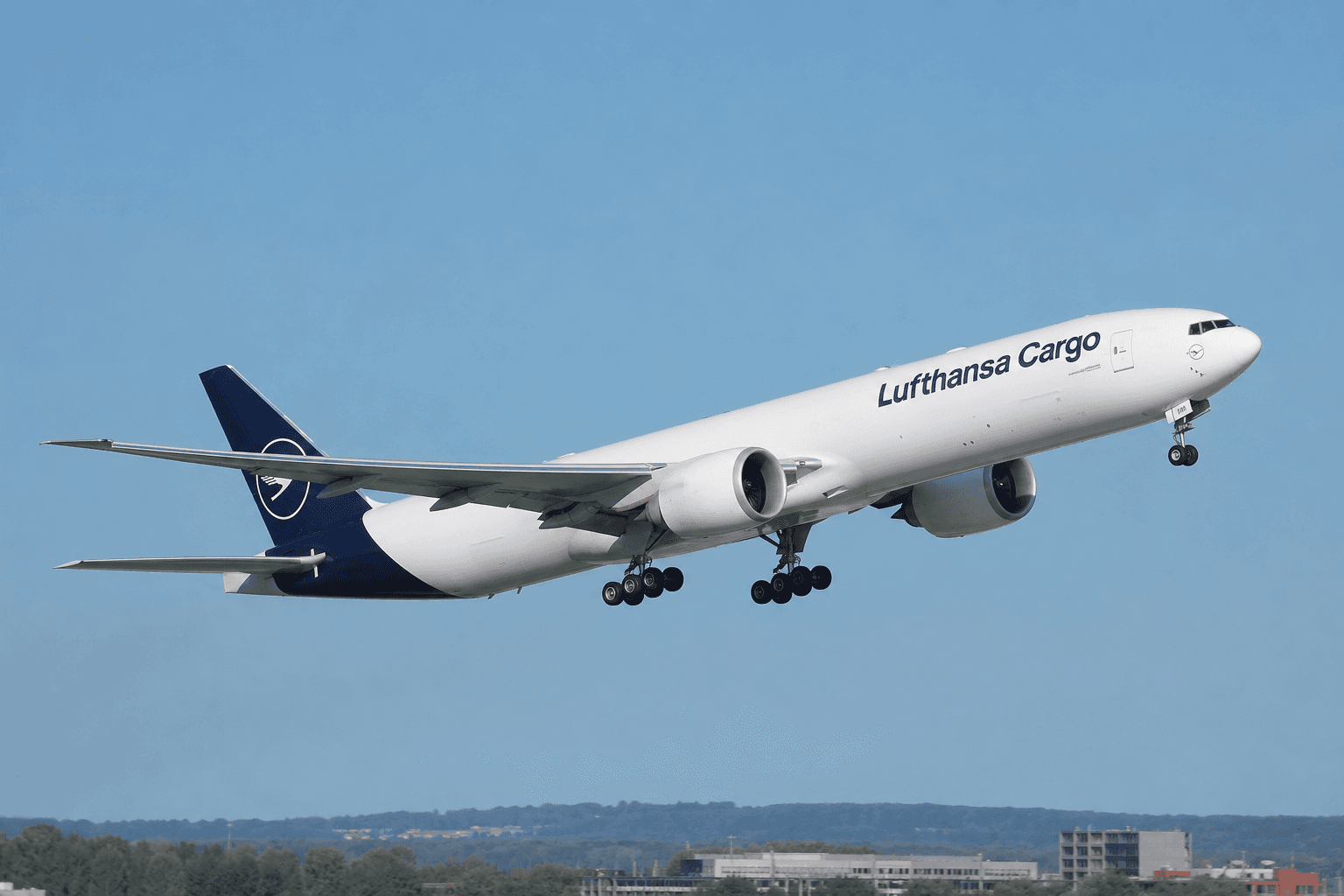
AerCap has signed lease agreements with China Southern Air Logistics Co. Ltd. (China Southern Airlines Cargo) for three Boeing 777-300ERSF converted freighter aircraft. The aircraft, also known as “The Big Twin,” represents the first passenger-to-freighter conversion program for the Boeing 777-300ER. The first aircraft is scheduled for delivery in October 2027, while the second and […]
The Daily Touch & Go
The day's best aviation news in your inbox. Free, no spam.