

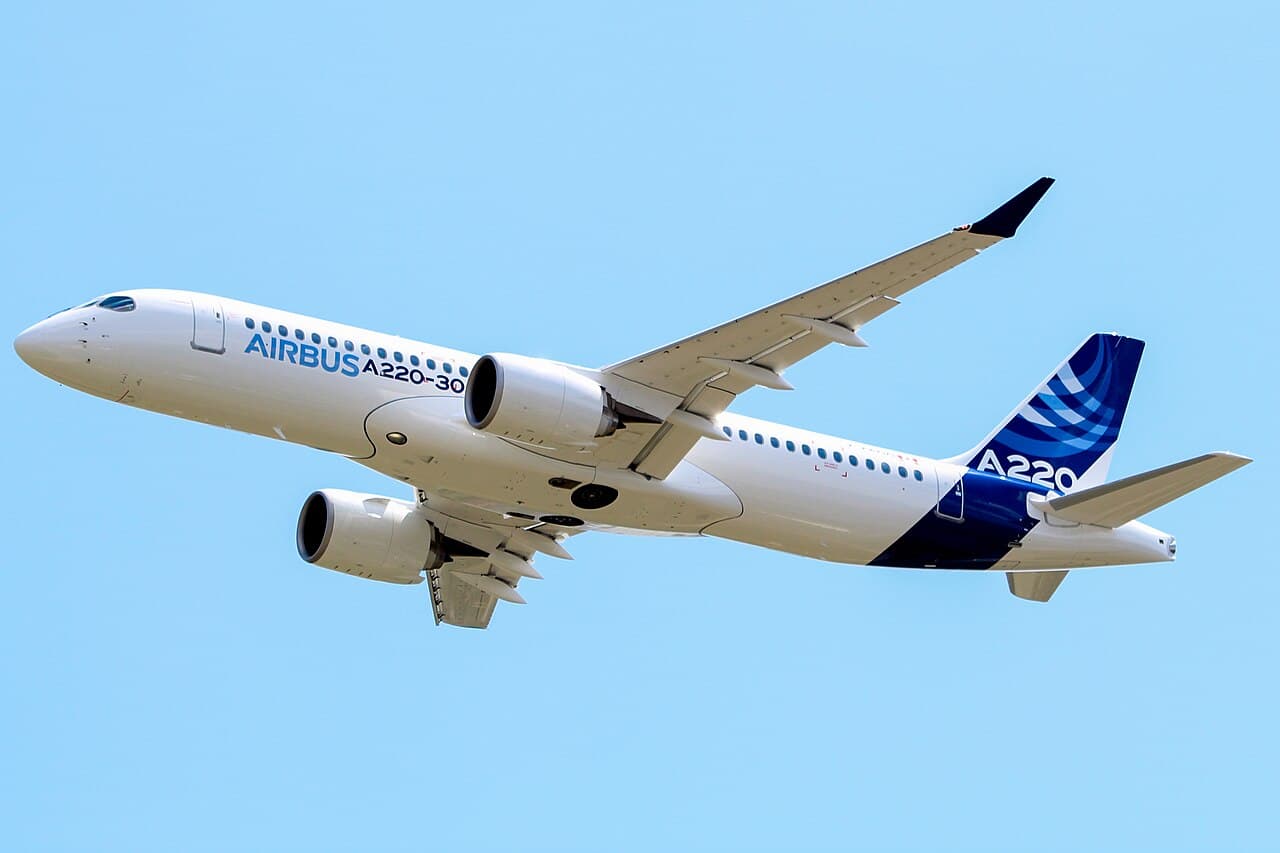
Image: Romain COUPY · CC BY-SA 4.0 · via Wikimedia Commons
Air Baltic to scale back A220 fleet to around 40 aircraft in strategic overhaul
Latvian airline Air Baltic revises its fleet plan from 54 to about 40 Airbus A220-300s amid a €225 million recapitalisation and shifting market conditions.
The gist
Air Baltic cuts A220 fleet to about 40 and secures €225m interim funds, prioritizing financial stability over growth amid market challenges.
Continuing coverage
All Fleet Strategy →- United Airlines Expands Airbus A321neo Orders Amid Boeing 737 MAX 10 Delays
- British Airways Leverages Airbus A380 to Maximize Capacity at Slot-Limited Heathrow
- AirAsia X ends widebody expansion, pivots to Airbus A321XLR single-aisle strategy
- Hawaiian Airlines Commits to Brand Strength and Fleet Growth as It Joins oneworld Alliance
- British Airways Drops Airbus A380 From Seven Key Routes At Heathrow
Latvia's Air Baltic is undergoing a strategic transformation, announcing plans to reduce its Airbus A220-300 fleet from 54 to approximately 40 aircraft. This adjustment accompanies a significant interim recapitalisation effort amounting to €225 million designed to bolster the airline's liquidity and support its revised long-term business plan. The carrier expects its fleet size to decrease to 36 by the end of the current year before stabilizing near 41 aircraft by 2031.
This shift marks a departure from Air Baltic's previous ambitions, which anticipated expanding the fleet to around 100 aircraft, leveraging strong passenger growth and revenue increases in the Baltic region and across Europe. The earlier plan was developed with an initial public offering (IPO) in mind to fund such expansion. However, due to evolving market realities, those plans have been reconsidered.
Several external factors have influenced Air Baltic's decision to scale back. The airline cited moderated market demand, slower revenue growth, and geopolitical tensions surrounding Ukraine and the Middle East as contributing to a less favorable environment. Compounding these challenges are technical difficulties involving Pratt & Whitney GTF engines powering the A220 fleet, which have hampered the airline's capacity to fully utilize its aircraft.
Air Baltic's new approach shifts focus away from broad expansion toward strengthening financial stability first, followed by growth. The comprehensive plan aligns the airline's network, fleet size, cost structure, and capital resources with current market conditions. Air Baltic secured parliamentary approval for a short-term €30 million state loan earlier this year to support liquidity measures amid these operational adjustments.
Under new leadership since December last year, CEO Erno Hilden emphasized the importance of adaptability, stating that Air Baltic must make disciplined choices to maintain reliable connectivity and financial sustainability. The airline plans to concentrate operations at its Riga hub, prioritizing increased frequencies and enhanced service on routes demonstrating the strongest demand and profitability.
Additionally, Air Baltic intends to supplement its network with selective point-to-point and seasonal routes to optimize aircraft utilization. While it foresees a decline in scheduled capacity initially, the airline anticipates surpassing current capacity levels by 2031 thanks to a more focused and sustainable network strategy. Enhancing partnerships, particularly in aircraft, crew, maintenance, and insurance (ACMI) services, forms a key part of its profitability drive.
The airline projects that these strategic adjustments will yield €45 million annually in recurring cost savings. The recapitalisation plan involves €225 million in interim financing to bridge Air Baltic toward a permanent financing solution, contingent on bondholder consents and regulatory approvals. The longer-term financing framework envisions up to €225 million in new debt and €100 million in equity capital to underpin future growth.
Financial forecasts based on the revised plan indicate that Air Baltic expects revenues to reach approximately €800 million this year, growing to €1 billion by 2031. Earnings before interest, taxes, depreciation, amortisation, and rent (EBITDAR) are projected to increase from €192 million in the coming year to €300 million over the next decade, reflecting improved cost controls and strategic alignment.
Frequently asked questions
- What changes is Air Baltic making to its Airbus A220-300 fleet?
- Air Baltic is reducing its Airbus A220-300 fleet from 54 aircraft to about 40, aiming for 36 by the end of the current year and around 41 by 2031.
- Why is Air Baltic scaling back its growth plans?
- The airline cites moderated demand, slower revenue growth, geopolitical issues in Ukraine and the Middle East, and Pratt & Whitney engine problems limiting fleet deployment as reasons for revising growth expectations.
- How is Air Baltic addressing its financial position amid these changes?
- Air Baltic is implementing a €225 million interim recapitalisation to improve liquidity, backed by a state loan and plans for new debt and equity financing to secure financial stability before resuming growth.
Read more
All Sustainability →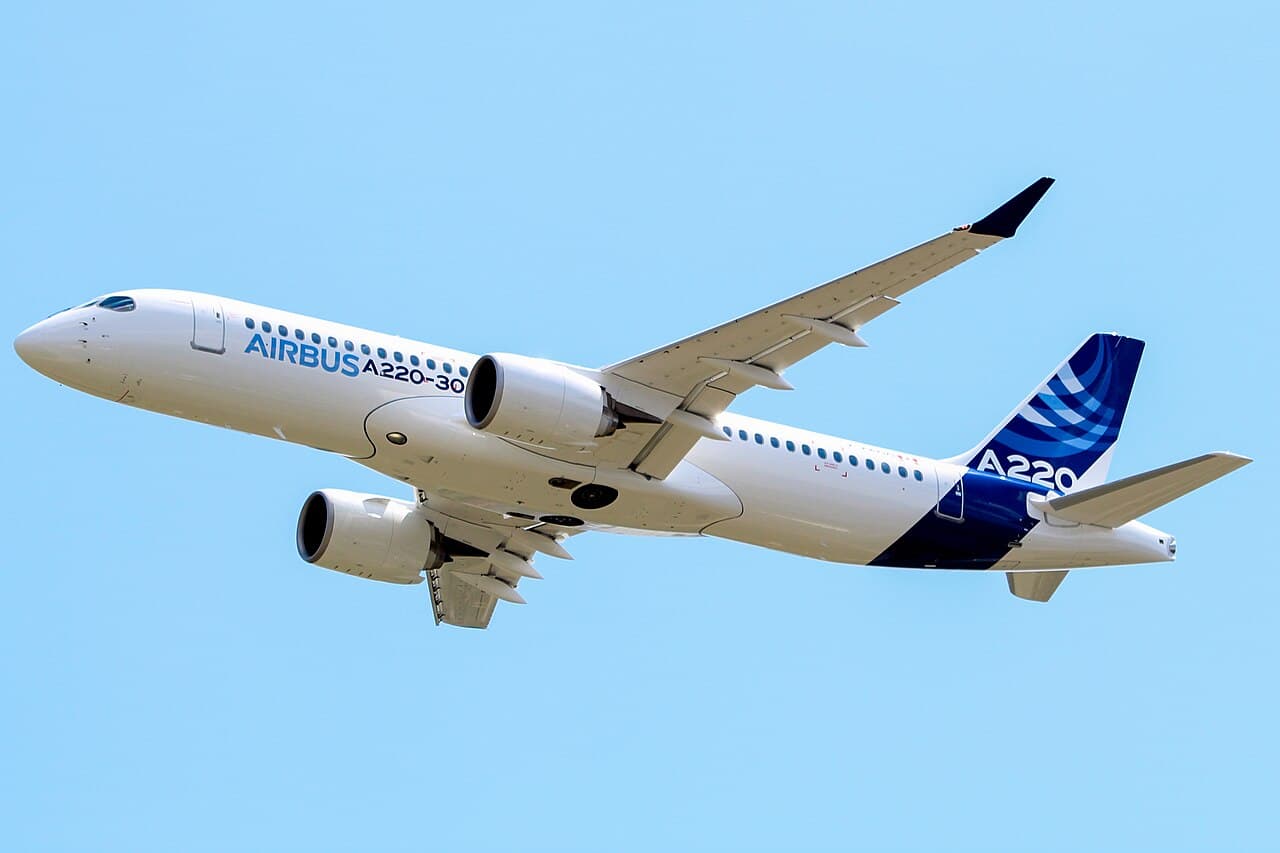
airBaltic Announces Fleet Reduction and Financial Restructuring to Enhance Profitability
Latvian airline airBaltic has announced a major restructuring plan. The carrier aims to strengthen its balance sheet, shrink its Airbus A220-300 fleet, and boost profitability. Riga will remain its primary hub. The airline expects to operate about 36 A220-300 aircraft by the end of 2026. ezstandalone.cmd.push(function () { ezstandalone.showAds(119); }); This marks a clear reduction from its current fleet of 54 planes. Over the following years, the fleet will grow gradually to around 40 aircraft by 2031. Earlier plans had targeted a much larger fleet of nearly 100 aircraft. Despite the smaller fleet size, airBaltic projects that scheduled capacity will stay broadly stable in the longer term. The airline plans to achieve this through higher aircraft utilisation, a more demand-driven network, and expanded year-round ACMI partnerships. ezstandalone.cmd.push(function () { ezstandalone.showAds(127); }); Financial Targets and Cost Savings airBaltic is targeting roughly €45 million in recurring annual benefits. These gains will come from a mix of cost reductions and new revenue initiatives. Revenue is forecast to rise from €779 million in 2025 to about €800 million in 2027. By 2031, the airline expects revenue to reach approximately €1 billion. EBITDAR is projected to hit around €300 million in the same year. ezstandalone.cmd.push(function () { ezstandalone.showAds(128); }); As part of the plan, airBaltic seeks €225 million in interim financing. This funding will help meet near-term liquidity needs. A longer-term recapitalisation would involve up to €225 million of new debt and €100 million of new equity. Together, these measures total €325 million. The restructuring also proposes converting a portion of the airline’s 2029 Senior Secured Notes into equity. The remaining portion would be replaced by up to €125 million of reduced debt. All financing and recapitalisation steps remain subject to bondholder resolutions and other necessary approvals. ezstandalone.cmd.push(function () { ezstandalone.showAds(129); }); Photo Credit: airBaltic Improved Leverage Outlook Net leverage is expected to improve significantly under the plan. It is projected to fall from 8.94x in 2025 to around 4.8x after the proposed recapitalisation at the end of 2026. By 2031, leverage could decline further to 1.6x. Reasons Behind the Revised Strategy airBaltic said the updated plan reflects several external pressures. These include weaker demand and slower revenue growth, ongoing geopolitical uncertainty, and continued constraints on Pratt & Whitney engine availability. The airline stressed that normal operations continue without interruption. Existing tickets, bookings, and passenger services remain fully unaffected by the restructuring. ezstandalone.cmd.push(function () { ezstandalone.showAds(130); }); Looking Ahead The revised business plan marks a shift toward greater financial discipline and operational focus. By operating a leaner fleet more intensively and securing fresh capital, airBaltic aims to build a more resilient and profitable business over the coming years. The carrier continues to serve its network from Riga while adapting to current market realities. Further updates on the financing process and implementation of the plan are expected as approvals progress. This strategic reset positions airBaltic to navigate current challenges while laying the groundwork for sustainable growth through 2031. ezstandalone.cmd.push(function () { ezstandalone.showAds(131); });
Massive Colombia earthquake disrupts flights; major airports sustain damage
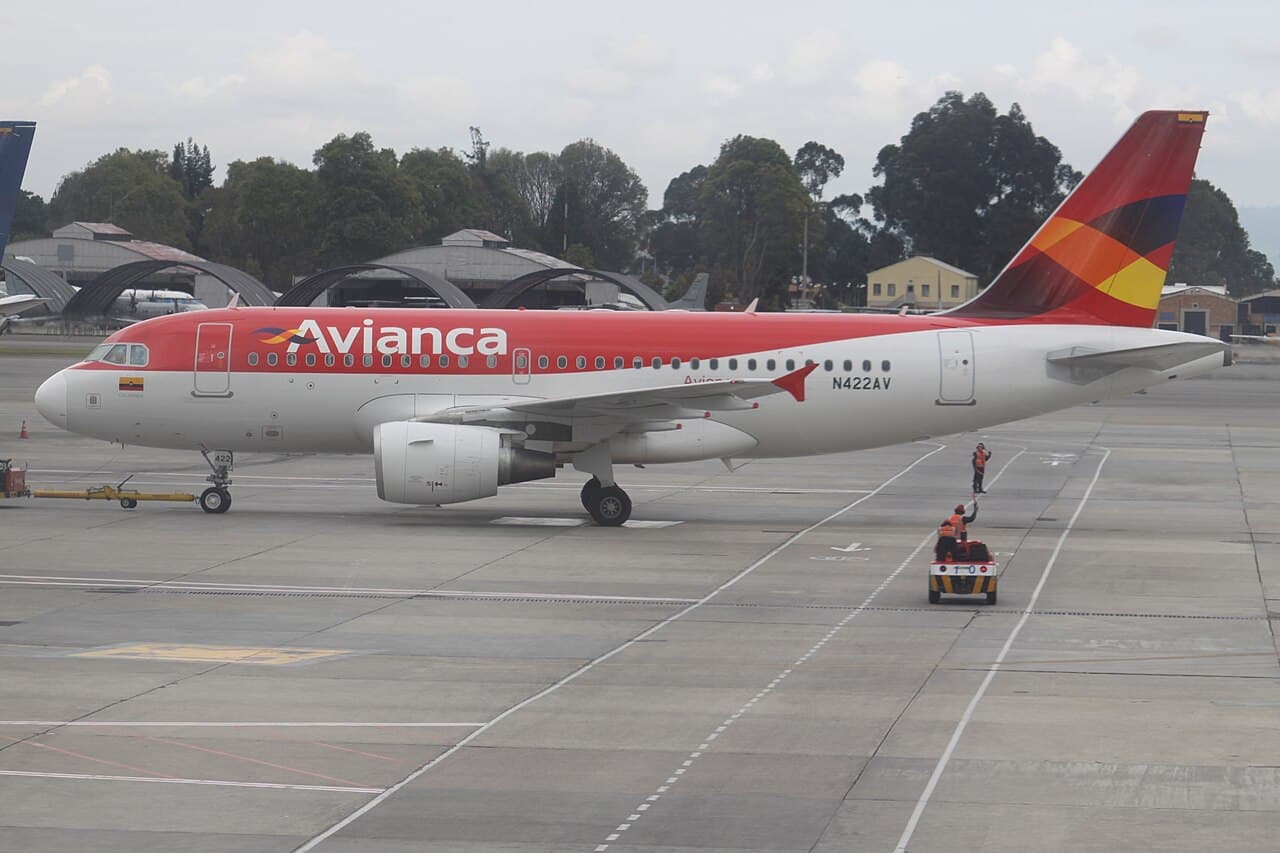
Social media videos showed damaged ceilings and broken windows at an airport in Pereira. A massive earthquake that hit Colombia on 10 August impacted several major airports in the region, causing flight cancellations. Videos on social media show major damage at Matecana airport in Pereira, near the earthquake's epicentre. Large portions of the airport's ceiling and windows appeared to have broken, leaving debris strewn across the terminal interior. The airport sees about two-dozen flights per day, most of which are cancelled into Tuesday and beyond, FlightRadar24 data show. Operations were also suspended at airports in Manizales, Armenia, Cartago, and Buenaventura, Colombia's aviation authority said Monday, pending inspections of facilities and control towers for damage. Some had begun to reopen by Tuesday morning, local time. Seventy-eight flights were cancelled at El Dorado airport in Bogota on Monday, according to FlightAware, and another 312 were delayed. Alfonso Bonilla Aragon airport in Cali reopened late Monday local time after a power outage, authorities say, which resulted in about 40 flights being cancelled. Jose Maria Cordova airport in Medellin says it is operating normally on Tuesday after being evacuated on Monday. Sixteen flights were cancelled into and out of the airport on Monday. In Popayan, south of the most impacted area, flights at Guillermo León Valencia airport were restricted due to emissions from the Purace volcano, adding further complication to the nation's airspace. The 7.4-magnitude quake struck about 200 miles west of the country's capital of Bogota. More than 180 people had been confirmed dead by Colombian authorities in their latest update Tuesday morning local time, as reported by local paper El Tiempo . Avianca says passengers with tickets for flights on Monday could reschedule for up to 15 days with no penalties. "We continue to monitor the evolving situation and traveller demand to adjust our operations and implemented measures according to the country’s connectivity needs," says Avianca.
American Airlines completes first US passenger flight powered by non-biobased sustainable aviation fuel
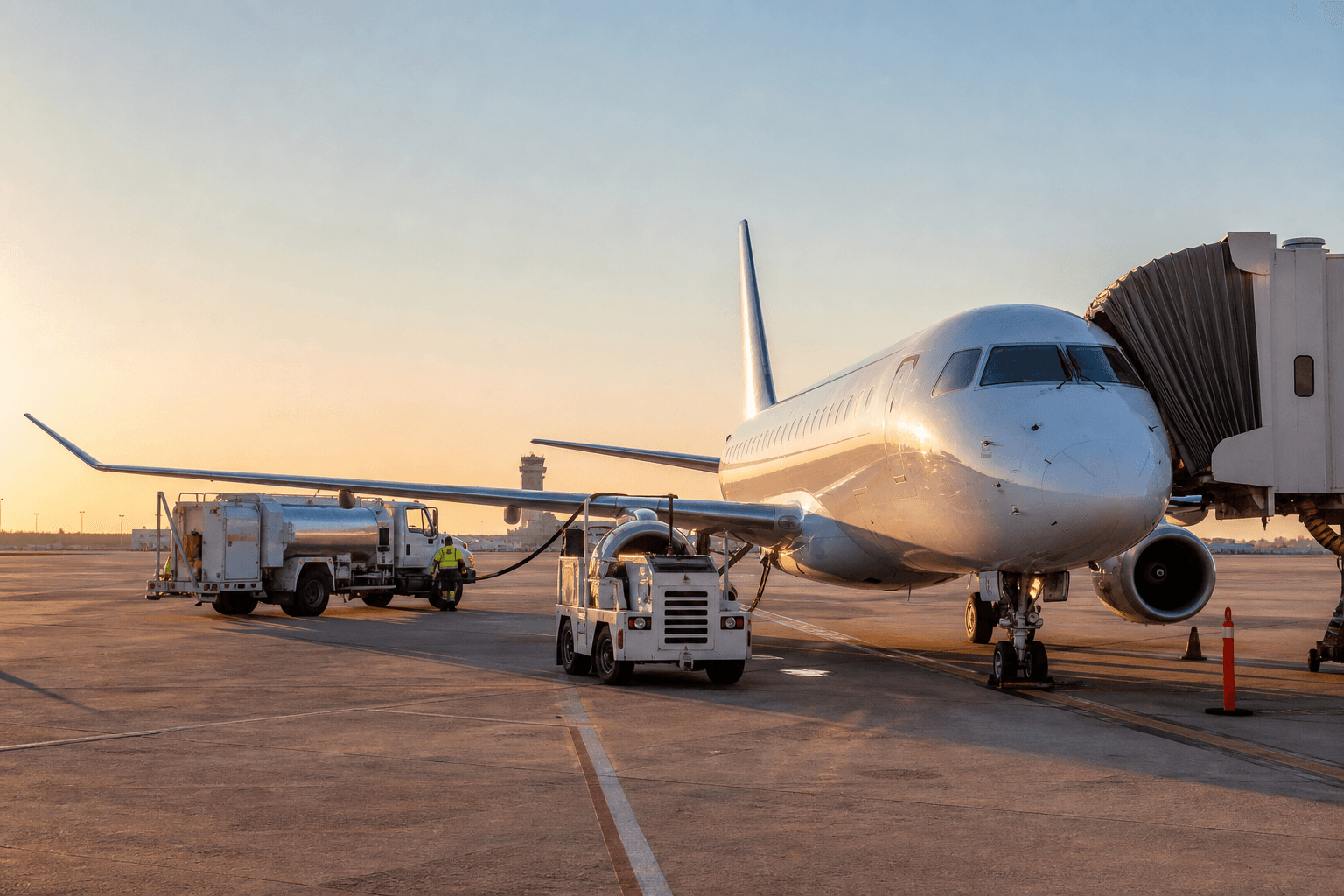
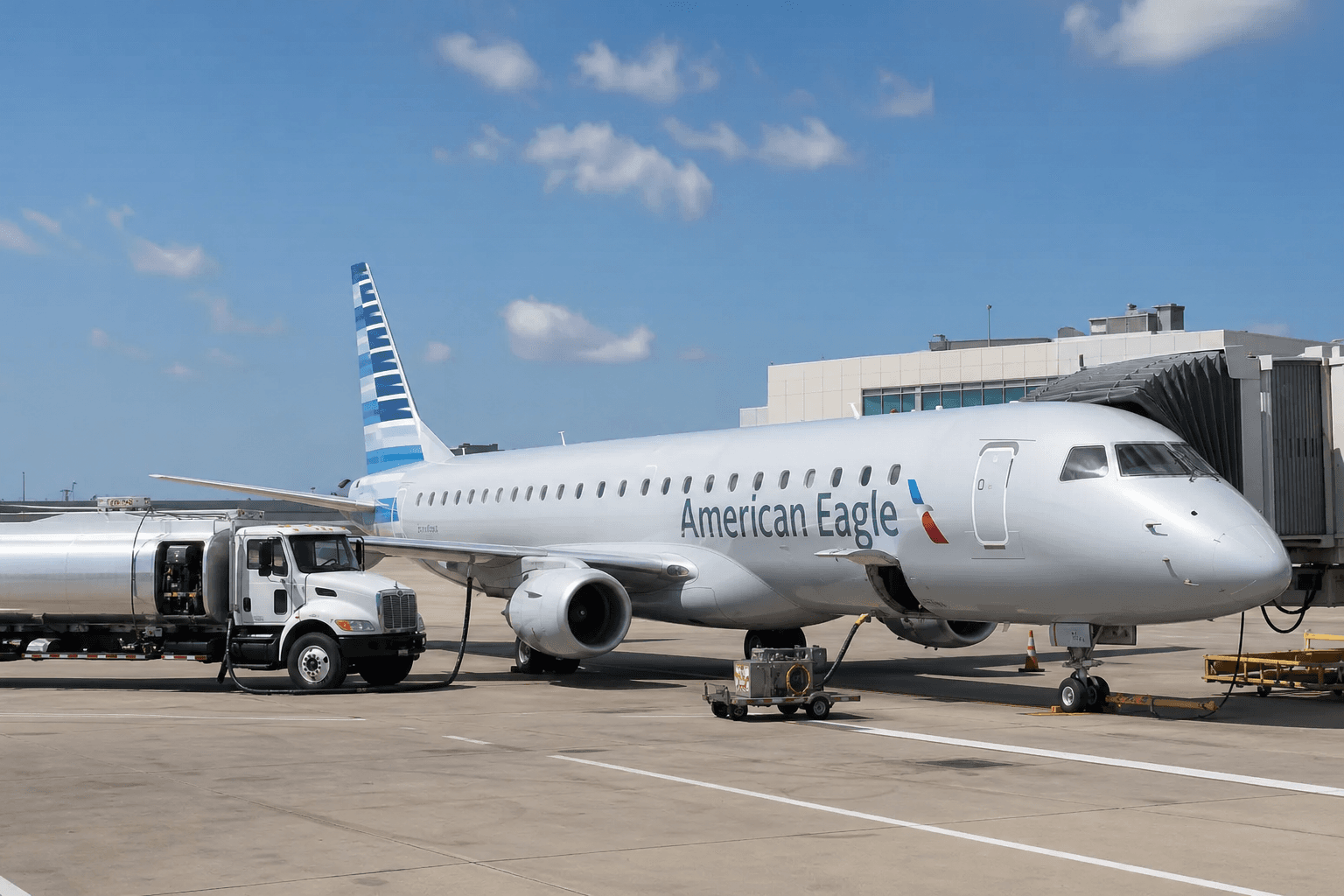
American Airlines flew the first U.S. commercial passenger flight last week using sustainable aviation fuel made without biobased feedstocks. The airline said the flight operated from Corpus Christi to Dallas-Fort Worth. Fuel producer Infinium produced the electro sustainable aviation fuel, or eSAF, at its Pathfinder facility in Corpus Christi. The company makes the fuel using waste carbon dioxide and renewable electricity rather than plant- or animal-derived feedstocks. Although American did not identify the aircraft used for the flight, Envoy Air typically operates Embraer E175s between Corpus Christi and DFW for American Eagle. Fuel Entered Existing Airport System Infinium blended the eSAF with conventional jet fuel before delivering it to the common fuel tanks at Corpus Christi International Airport. The fuel was then allocated to the American flight to Dallas-Fort Worth. American said the process demonstrated that eSAF can move through existing aviation fuel infrastructure. "This flight represents a significant moment for aviation," American Airlines CEO Robert Isom said in a company statement. "Through our partnership with Infinium, we’re demonstrating how next generation technologies like eSAF can move from early investment to real-world application." Larger Production Project Planned Infinium says its Pathfinder facility has produced eFuels since 2023. American has also agreed to purchase commercial volumes of eSAF from Infinium's planned Project Roadrunner facility in West Texas. Infinium expects Project Roadrunner to begin producing and delivering eSAF in 2027. The company says the facility will produce more than 5 million gallons annually once it reaches full capacity.
American Airlines Flies US First with Electro Sustainable Aviation Fuel at Corpus Christi
American Airlines has used electro sustainable aviation fuel on a commercial passenger flight following what the carrier says was the first delivery of non-biobased sustainable aviation fuel (SAF) to a US commercial airport. The eSAF was produced by Infinium at its Pathfinder facility in Corpus Christi, Texas, blended with conventional jet fuel and delivered into the common fuel tanks at Corpus Christi International Airport (CRP). It was then used aboard an American flight from Corpus Christi to Dallas Fort Worth International Airport (DFW). American and Infinium said the delivery marked the first time SAF made without biobased feedstocks had been supplied to a commercial airport in the US. The fuel was tested to meet ASTM specifications for Jet A, allowing it to be used in existing aircraft engines and airport fueling systems without modification. The eSAF was used on an American Eagle Embraer E175 for the Corpus Christi to Dallas/Fort Worth flight. The flight was not powered entirely by eSAF. The synthetic fuel was blended with conventional jet fuel before being delivered to the airport's shared fuel system. Infinium produces the fuel using waste carbon dioxide and renewable electricity rather than biological feedstocks such as used cooking oil or plant material. The company says its eSAF can reduce lifecycle greenhouse gas emissions by more than 90% compared with conventional petroleum-based jet fuel. "Adding eSAF to our product slate, and seeing it power a commercial passenger flight, marks another meaningful step forward in bringing practical, low-carbon fuel solutions to industry," Infinium CEO Robert Schuetzle said. KLM had already used synthetic kerosene on a passenger flight in 2021. American and Infinium say this is the first time synthetic SAF has been delivered through the existing fuel system at a US commercial airport for use on a passenger flight. American has signed an agreement to purchase commercial volumes of eSAF from Infinium's Project Roadrunner plant, which is now under construction. It is expected to begin production and deliveries in 2027 and eventually produce more than 5 million gallons of eSAF annually. "This flight represents a significant moment for aviation," American Airlines CEO Robert Isom said. "Through our partnership with Infinium, we're demonstrating how next generation technologies like eSAF can move from early investment to real-world application." Cost remains one of the biggest obstacles to wider use of synthetic aviation fuel. Isom acknowledged the issue, saying lower SAF prices will be necessary for the technology to be broadly adopted by airlines. SAF accounts for less than 1% of global jet fuel consumption, according to American and Infinium. Aviation consumes nearly 100 billion gallons of jet fuel annually.
The Daily Touch & Go
The day's best aviation news in your inbox. Free, no spam.