

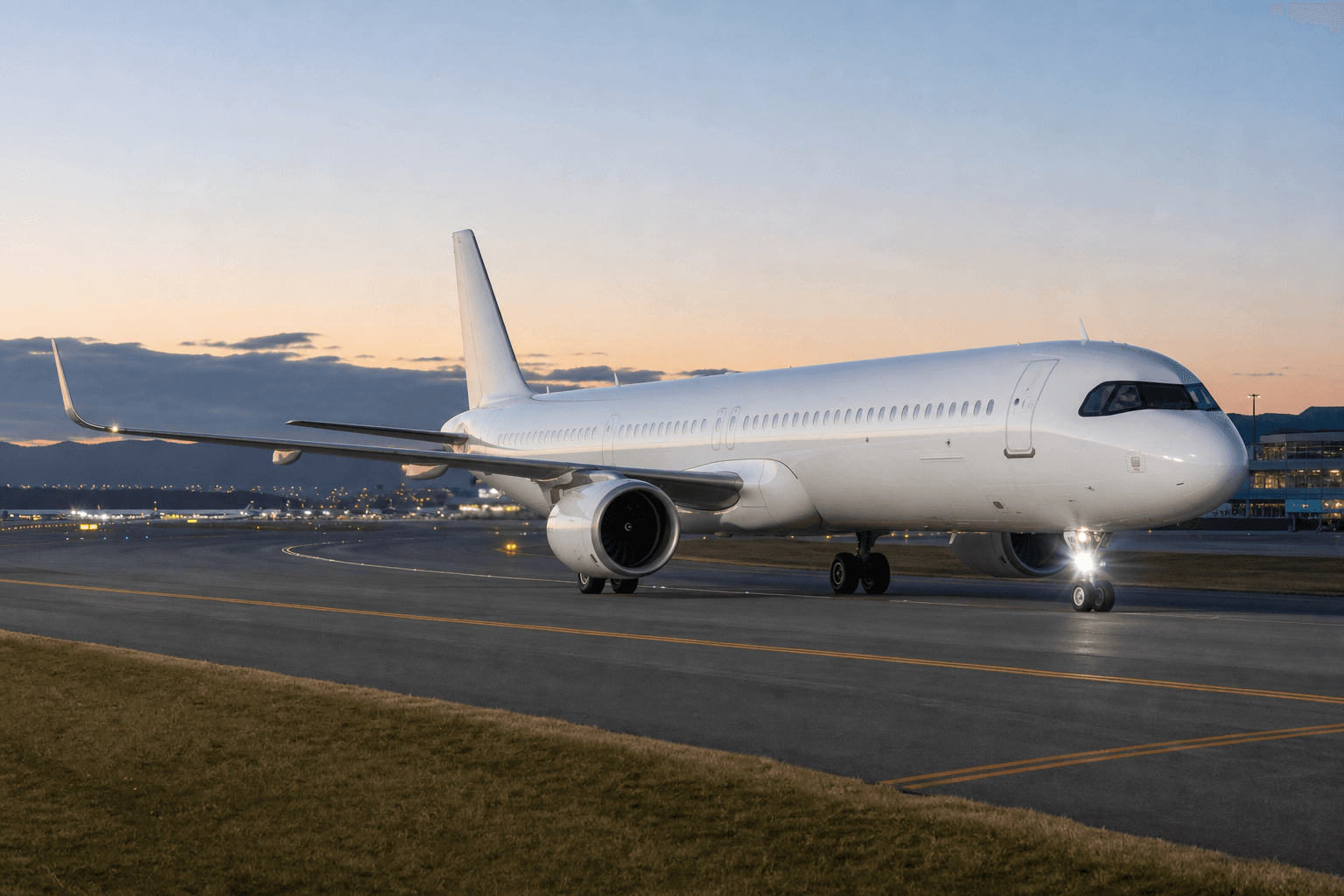
Illustration: The Touch & Go
United Airlines Introduces Airbus A321XLR with Doubling of Premium Seats over Boeing 757
United Airlines has taken delivery of its first Airbus A321XLR, featuring 32 premium seats in a three-class layout that doubles the premium offering of the Boeing 757 it replaces, promising longer range and greater efficiency.
The gist
United’s new Airbus A321XLR doubles premium seats compared to its Boeing 757, expanding service with longer range and enhanced passenger comfort.
Continuing coverage
All Airbus A321xlr →- Air Canada launches new long-haul routes to Tenerife and Sapporo for 2026/27 winter
- Airbus A321XLR Gains Ground as Boeing 737 MAX 10 Faces Certification Delays
- United Airlines Debuts Extra-Spacious Economy Plus Seats on Airbus A321XLR
- Aer Lingus offers lie-flat business class on short European routes with A321LR/XLR jets
- AirAsia X ends widebody expansion, pivots to Airbus A321XLR single-aisle strategy
United Airlines recently received its first Airbus A321XLR, signaling a significant upgrade in its narrowbody fleet with a 150-seat aircraft that includes 32 premium seats split between Polaris lie-flat suites and Premium Plus economy. This new jet replaces the aging Boeing 757, which at United was configured with approximately half as many premium seats. The newcomer’s improved range and fuel efficiency are poised to transform United’s operations on long, thin routes.
The A321XLR configuration comprises 20 Polaris business class seats arranged in a herringbone pattern angled at 49 degrees away from the windows towards the aisle, 12 Premium Plus seats offering enhanced economy comfort, 36 Economy Plus seats, and 82 standard economy seats. This three-cabin, four-class setup is uniform across the 50 A321XLR jets United has ordered. The Polaris seats provide fully lie-flat suites with privacy doors and high-definition entertainment, reflecting a business-class experience rarely found in narrowbody aircraft.
Additional on-board amenities include a single lavatory at the front shared by Polaris passengers and pilots, complemented by three lavatories at the rear for other cabins. A modest snack bar is also available. Passengers can enjoy free Starlink Wi-Fi during flights, with the first aircraft’s delivery flight routing via Hamburg Finkenwerder to Tampa International Airport to facilitate Starlink installation prior to commencing commercial service.
Comparing the A321XLR to United’s current Boeing 757-200 reveals notable differences. The 757-200 is configured with 16 Polaris seats, 42 Economy Plus, and 118 economy seats and does not offer a Premium Plus option. United’s Senior Vice President Patrick Quayle highlighted the 757’s declining cost-effectiveness, noting that the A321XLR’s longer range and superior fuel burn and maintenance efficiencies make it a modern replacement ideal for maintaining service on less dense long-distance routes.
United’s Chief Commercial Officer Andrew Nocella emphasized how the A321XLR opens new possibilities by enabling longer-range flights that were previously uneconomical with narrowbody jets. Its 4,700 nautical mile range—achieved with a permanent rear center fuel tank—allows nonstop service from hubs like Dallas to European cities such as Oslo, Manchester, and Lisbon. The aircraft’s enhanced fuel efficiency also reduces emissions and noise footprints, aligning with environmental objectives and operational cost reductions.
The Premium Plus product brings an intermediate premium economy option featuring leather reclining seats with extra legroom, dedicated amenities like pillows and eye masks, and priority boarding services. This cabin class is present on many United widebodies and now extends to the A321XLR, broadening choices for travelers seeking greater comfort without the business-class price.
The Polaris business class experience begins on the ground with exclusive check-in and baggage handling and access to United Polaris lounges at key airports. Inflight, it features Safran Optima lie-flat seats equipped with 16-inch touchscreens, a privacy-focused layout, and complimentary premium beverages. This level of service aims to deliver what United describes as the best sleep and relaxation in the sky for a narrowbody aircraft.
United’s move to the A321XLR reflects a strategic repositioning in the narrowbody segment, targeting routes that require range and passenger comfort traditionally associated with widebody aircraft. The A321XLR’s higher maximum takeoff weight, improved braking system, and reinforced landing gear enable extended range and heavier fuel loads, allowing airlines like United to serve emerging or underserved markets more efficiently.
As United retires the Boeing 757, the A321XLR positions the carrier to offer enhanced premium cabin experiences while achieving better operational economics and environmental performance. With 50 aircraft on order, this model will play a central role in United’s network expansion and fleet modernization over the coming years.
Read more
All Airlines →
Frequent Flyer Award Loopholes Close as Airlines Tighten Elite Perks
The frequent flyer ecosystem has operated on a silent contract between airlines and their most loyal customers, but now that contract seems to be ending. There was once a period defined by the exploitation of fixed award charts, complex routing rules, and the mathematical beauty of carrier-imposed surcharges. Travelers spent years reverse-engineering award flight availability, viewing the loyalty landscape as a puzzle where deep knowledge of program intricacies provided access to premium cabins for a fraction of their cash value.
Air Canada launches new long-haul routes to Tenerife and Sapporo for 2026/27 winter
Air Canada has been steadily expanding its international network in recent years. The airline has added several new destinations so far this year and increased its presence across leisure markets. It is continuing this expansion with more additions for the 2026/27 winter season .
United Airlines CEO Claims Only Two Premium Airlines Will Last as Service Complaints Mount
United CEO Scott Kirby says only two premium airlines can exist, but passenger photos of broken tray tables, dirty seats, and a battered club sofa are not helping United's case. Also Avios devaluation risk, Singapore Airlines' new first class concierge trial, DFW's plan to buy the Hyatt Regency, and a useful Blacklane credit stack.
British Airways to Power Up to 63 A320neos with Pratt & Whitney Engines, Ending Long CFM Exclusivity
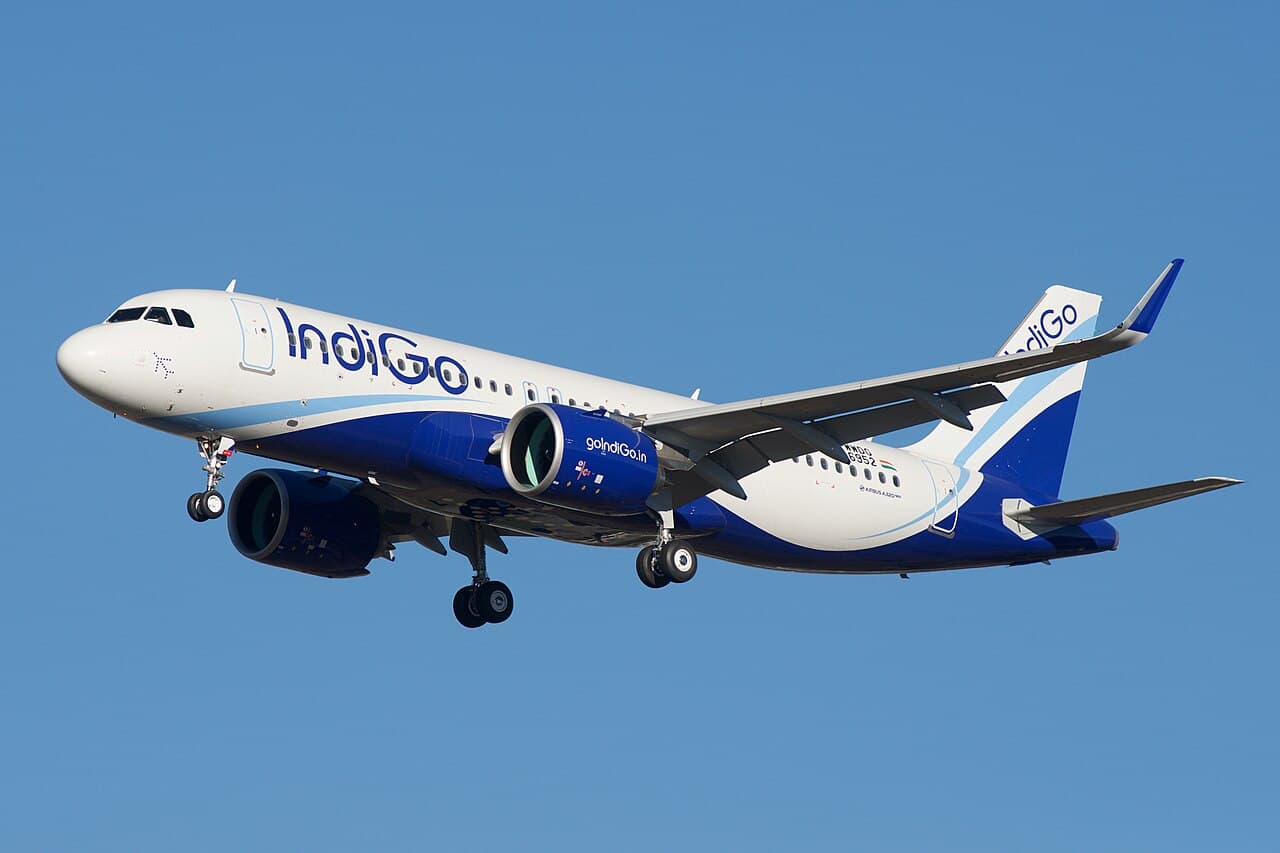
The United Kingdom's primary flag carrier, British Airways, has selected Pratt & Whitney's geared turbofan, or GTF engine to power up to 63 Airbus A320neo family aircraft, ending decades of exclusive reliance on CFM International engines for its Airbus narrowbody fleet. So in this video, we take a look at why the airline is introducing a second engine supplier for the first time on its A320neo family fleet, and what this decision says about how airlines are choosing engines in today's increasingly complex aviation market.
The Daily Touch & Go
The day's best aviation news in your inbox. Free, no spam.