

Illustration: The Touch & Go
Fighter Jets Retiring Worldwide Find Varied Second Lives from Foreign Service to Aggressors
Retired fighter jets increasingly transition to foreign air forces, test roles, private contractors, or museums rather than being scrapped immediately.
The gist
Retired fighters often serve new roles abroad, with private contractors, or as testbeds rather than simply being scrapped.
Continuing coverage
All Fighter Jets →- Developing Sixth-Generation Fighters Takes Decades Even for Superpowers
- France and Germany pivot defense strategy after joint fighter jet project collapse
- USAF Plans 267 F-15EX Fighters to Complement Growing F-35 Fleet as 'Missile Trucks'
- How the F-22's F119 Engine Overcame Long-Standing Fighter Jet Engine Trade-Offs
- Cathay Pacific A350 Intercepted by NATO Jets After Radio Silence Over Europe
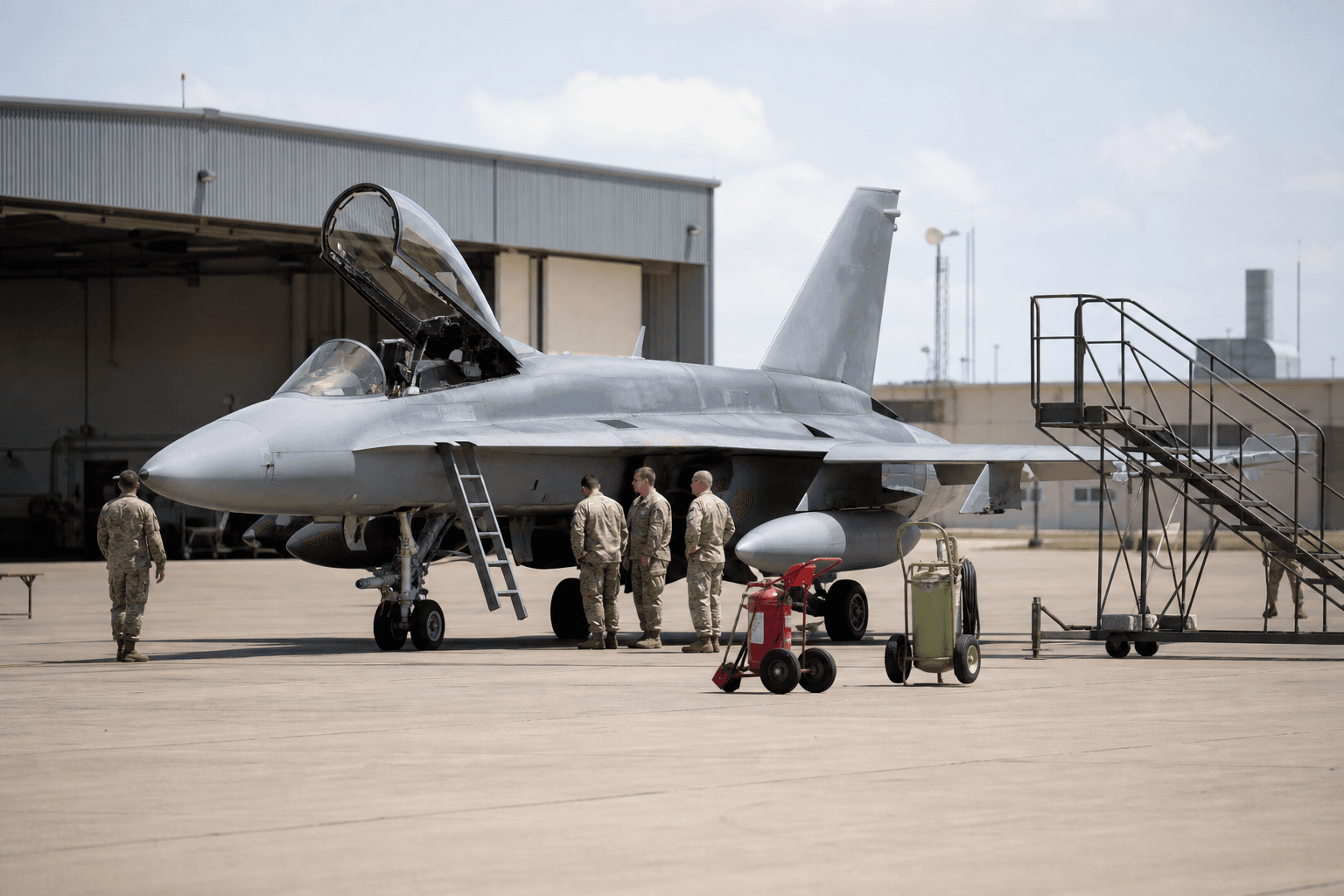
When fighter jets retire from active service, their journeys often continue in multiple directions beyond the frontline role. These complex and valuable aircraft frequently find second lives as transfers to allied air forces, aggressive training platforms, testbeds, or static museum displays, rather than being immediately scrapped. The handling of retired fighters varies notably between Western and Russian/Soviet models due to differing durability and political factors.
Western European nations facilitate the most active secondary market for retiring fighters. Countries including Denmark, Belgium, Norway, and the Netherlands regularly hand down retiring F-16s to allied air forces such as Romania, Ukraine, and Argentina. Finland is poised to begin donating 16 retiring Gripen C/Ds to Ukraine starting in 2027. Poland and Slovakia have also supplied legacy MiG-29s to Ukraine under wartime conditions. France previously passed on Mirages and Super Étendards to Argentina and Ukraine as well.
In contrast, Russian and Soviet jets rarely see extensive second-hand use overseas. One contributing cause is the relatively limited durability of Russian jets, which typically have fewer flight hours than their Western counterparts. Additionally, the US CAATSA sanctions imposed in 2017 dissuaded many potential buyers from acquiring Russian-origin aircraft. Nevertheless, some retired Russian models, like Su-25s, have been observed operating in Mali. India, a notable long-term MiG-21 operator, retired its last operational jets in 2025, underscoring this trend.
The United States maintains the world’s most systematized boneyard at Davis-Monthan Air Force Base, Arizona, where retired fighters can be stored in a preserve status, stripped for parts, sold to other countries, or dismantled. This centralized approach contrasts starkly with countries like Russia, where retired aircraft are often stored haphazardly across various bases, complicating independent assessments of active inventory. The US also limits transfers abroad to protect sensitive technologies and maintain a reserve fleet.
Many retired US fighter jets take on new roles as testbeds, target drones, or aggressor aircraft. For instance, retired F-4 Phantom IIs have been converted into QF-4 aerial targets, while some F-16s serve as QF-16 target drones or modified experimental platforms for programs such as VENOM. Private contractors also acquire retired fighters, employing fleets that collectively exceed 400 jets, for adversary training. Companies like Draken International and Airborne Tactical Advantage Company operate various former frontline aircraft, including MiG-21s, F-16s, and Mirage F1s.
An alternative fate for retired fighters is being displayed statically in museums or at airshows, preserving military aviation heritage for the public. Meanwhile, scrapping remains a common endpoint for types that are no longer viable or too sensitive to transfer. The US notably destroyed most retired F-14 Tomcats to prevent technology leakage. Environmental and technical challenges complicate modern aircraft recycling, especially because advanced composite materials and radar-absorbing coatings are difficult to handle and represent proprietary technology.
Parts salvaging is crucial for sustaining existing fleets and building new aircraft. Sweden’s 2024 aid package to Ukraine included funding to purchase new parts for Gripen production, allowing older Gripen C/Ds to remain intact and be donated. Similarly, newer Russian Su-30, Su-34, and Su-35 models incorporate salvaged components from retired aircraft, highlighting the importance of recycling high-value materials within the aerospace supply chain.
Ultimately, the assortment of second lives for retired fighter jets reflects operational, political, and economic factors. While Western jets often enjoy extended use abroad or in training roles, retired Russian types face greater barriers to foreign service and tend to be scrapped or stored with less systematic preservation. The evolving futures of retired fighters illustrate the complex lifecycle management of some of the world’s most advanced military platforms.
Read more
All Military/Defense →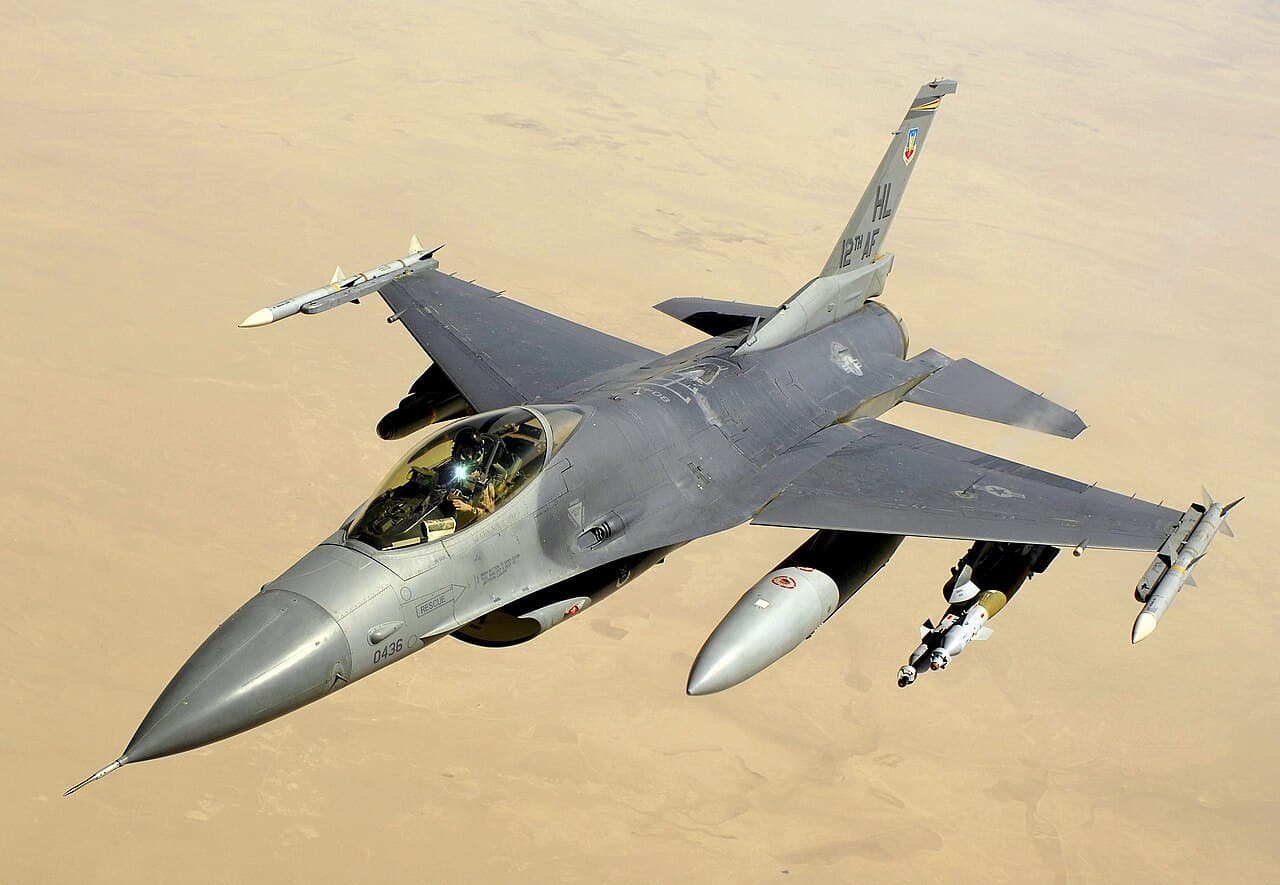
F-16 Viper Gets Major Combat Boost with New AN/APG-83 AESA Radar Upgrade
The Lockheed Martin F-16 Fighting Falcon, also known as the Viper, is no longer the premier lightweight fighter jet of the US Air Force, but it is far from irrelevant. As a much less expensive airframe than the more exquisite F-35 Lightning II, the Viper continues to roll off the assembly line. It is the most mass-produced supersonic fighter jet still in production today, with more than 4,500 examples having been delivered. Now, the existing fleet is also getting a major lethality upgrade in the form of the Northrop Grumman AN/APG-83 Scalable Agile Beam Radar.
Turkish Aerospace confident Kaan fighter prototypes will fly by end 2026 with US-engine deliveries approved
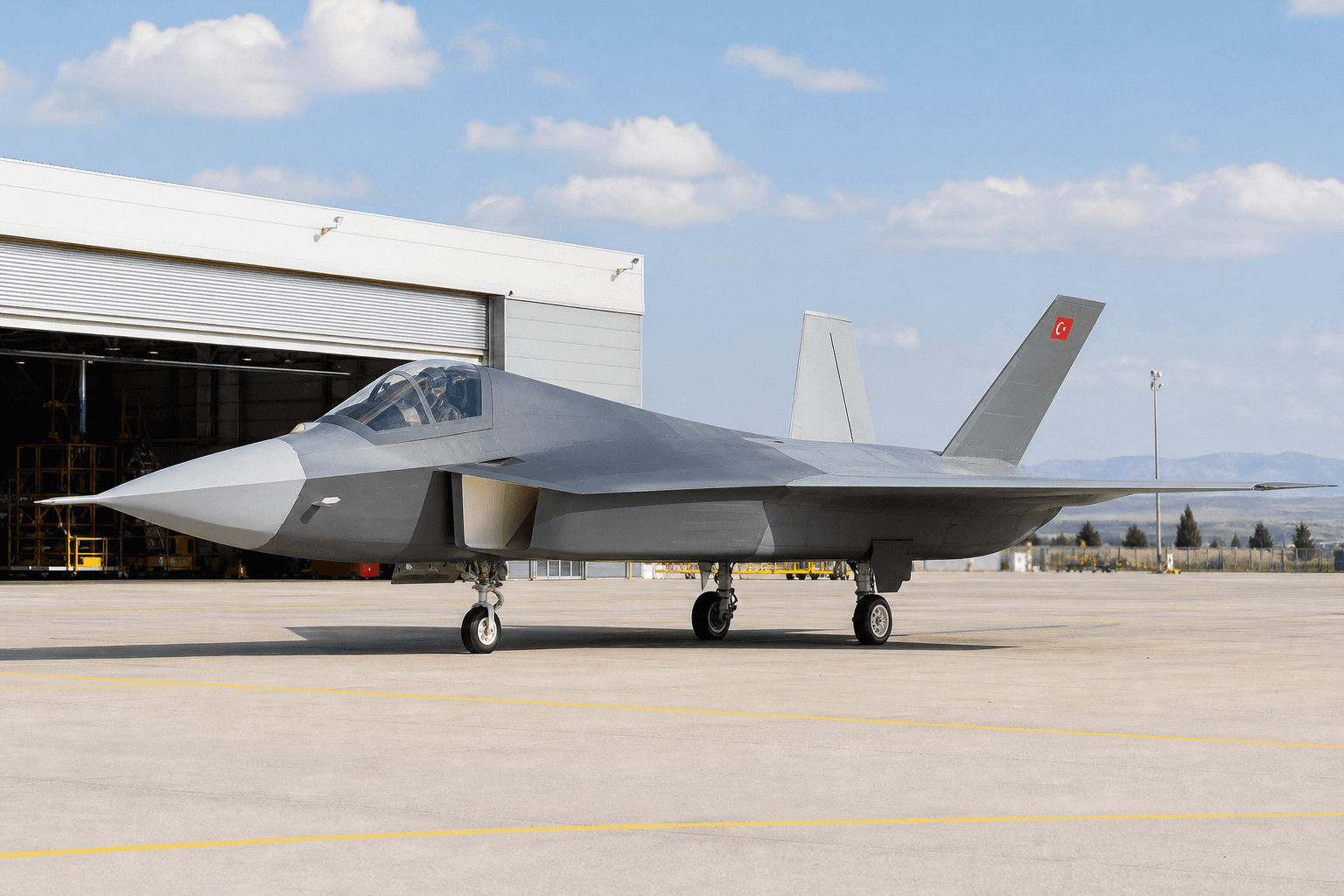
Turkey’s ambitious Kaan fighter is set to enter a new phase of testing, with export approval for US-made F110 engines apparently in hand. The Turkish Aerospace (TAI) Kaan fighter programme is on track to meet its delivery schedule, with test flights of two prototypes before the end of 2026. Both the P1 and P2 prototype aircraft will be airborne before the end of year, says Mehmet Demiroglu, chief executive of Turkish Aerospace. He indicates that ground tests have already started with the aircraft. "We are waiting for a number of tests to be completed," says Demiroglu. "We are hoping that it's going to be in a couple of months that we will see [the first Kaan prototype] flying. On the second one, our goal is to also fly by the end of the year. Two Kaans will be flying by the end of year…that's our goal, and let's hope that's the case." Demiroglu spoke to FlightGlobal at the 2026 Farnborough air show. The P1 and P2 prototypes will kick testing into full gear. A demonstrator aircraft already flew in February 2024. The Kaan is powered by a pair of GE Aerospace F110 engines, but deliveries of 80 additional engines were held up owing to US sanctions related to Ankara’s earlier procurement of a Russian S-400 air defence system. TAI already had possession of 10 engines for use on Kaan prototypes prior to the restrictions. Demiroglu confirms that the US Congress has approved the export licence for the engines, and the company is now working with GE to secure the powerplants. The Trump administration recently approved Turkey's acquisition of "dozens" of F110 engines for use on the Kaan, although some congressional lawmakers have questioned the arrangement. Deliveries had been held up owing to US CAATSA (Countering America's Adversaries Through Sanctions) legislation. The CAATSA action was triggered in 2019 by the S-400 purchase, a decision that also saw Ankara booted from the Lockheed Martin F-35 programme. "Since these engines are for serial production, which is at least two, two and half years away, we will have no issue receiving those engines in time to support our serial production for the Turkish air force," says Demiroglu. He adds that the first Kaan delivery should be on track for 2028, although he concedes that the Kaan is a "challenging programme”. A specific delivery timeline for the F110 engines remains murky. A senior member of the Foreign Relations Committee in the US House of Representatives says the turbofans will "not be delivered for years". Initial Block 10 and Block 20 Kaan jets will use the F110 engine, but subsequent Block 30/40 examples will use the locally made Tusas TF35000 engine from 2032. Demiroglu also confirmed that industrial collaboration is also underway with Indonesia, which has orders for 48 Kaan fighters . While this may not lead to a Kaan assembly line in the Southeast Asian country, Indonesia's aerospace sector will be part of the aircraft's supply chain and will also support other TAI programmes. TAI is in discussion with Jakarta about offsets related to the Kaan order. It has 60 people working in Indonesia, with this number set to grow. "Kaan is the future of the Turkish air force," he adds. "It is a programme that will continue for the next 20 to 30 years."
Developing Sixth-Generation Fighters Takes Decades Even for Superpowers
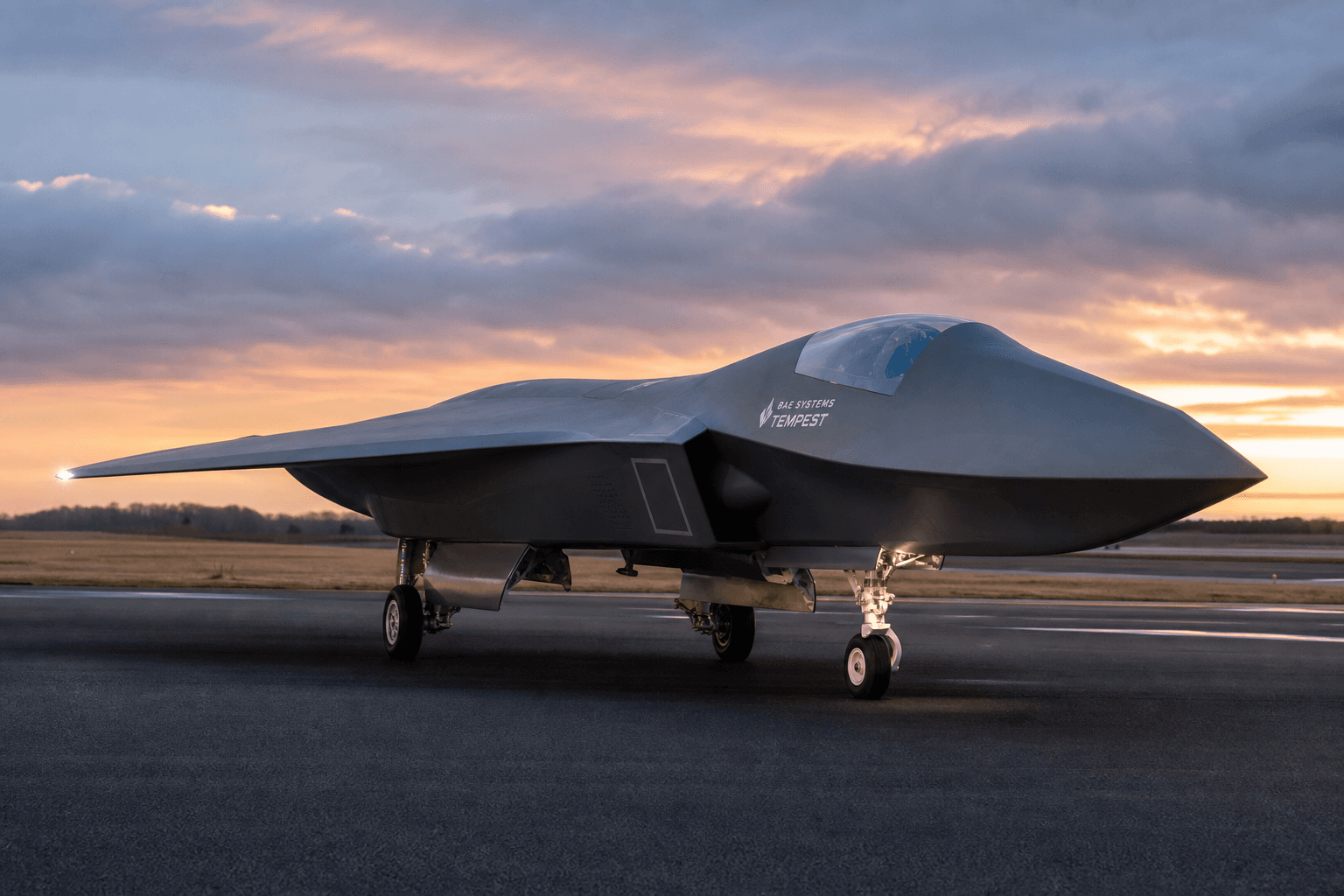
When thinking of next-generation fighter jets , it is useful not to think of them as fighter jets in the traditional sense. Rather, they are more like next-generation flying data centers forced to solve a raft of engineering challenges that had never been solved in the past (while also carrying missiles). Public attention is often focused on the easily visible aspects, like the stealthy shape and the tailless designs, but these can be distractions to understanding what is really going on.
US Air Force Retires 119 F-15Es as Saudi Arabia Invests $5 Billion to Upgrade F-15SA Fleet
In February of this year, the State Department approved a foreign military sale for the Kingdom of Saudi Arabia that opens up the potential for a $3 billion fighter jet deal . Despite speculation that the Kingdom may be procuring the Lockheed Martin F-35 Lightning II, they are in fact seeking to upgrade the fleet of Boeing F-15SA Eagle air superiority fighter jets. Boeing's multi-billion dollar upgrade program is explicitly designed to close the technology gap and bring the Royal Saudi Air Force F-15SA fleet up to parity with the US Air Force's F-15EX Eagle II.
The Daily Touch & Go
The day's best aviation news in your inbox. Free, no spam.