

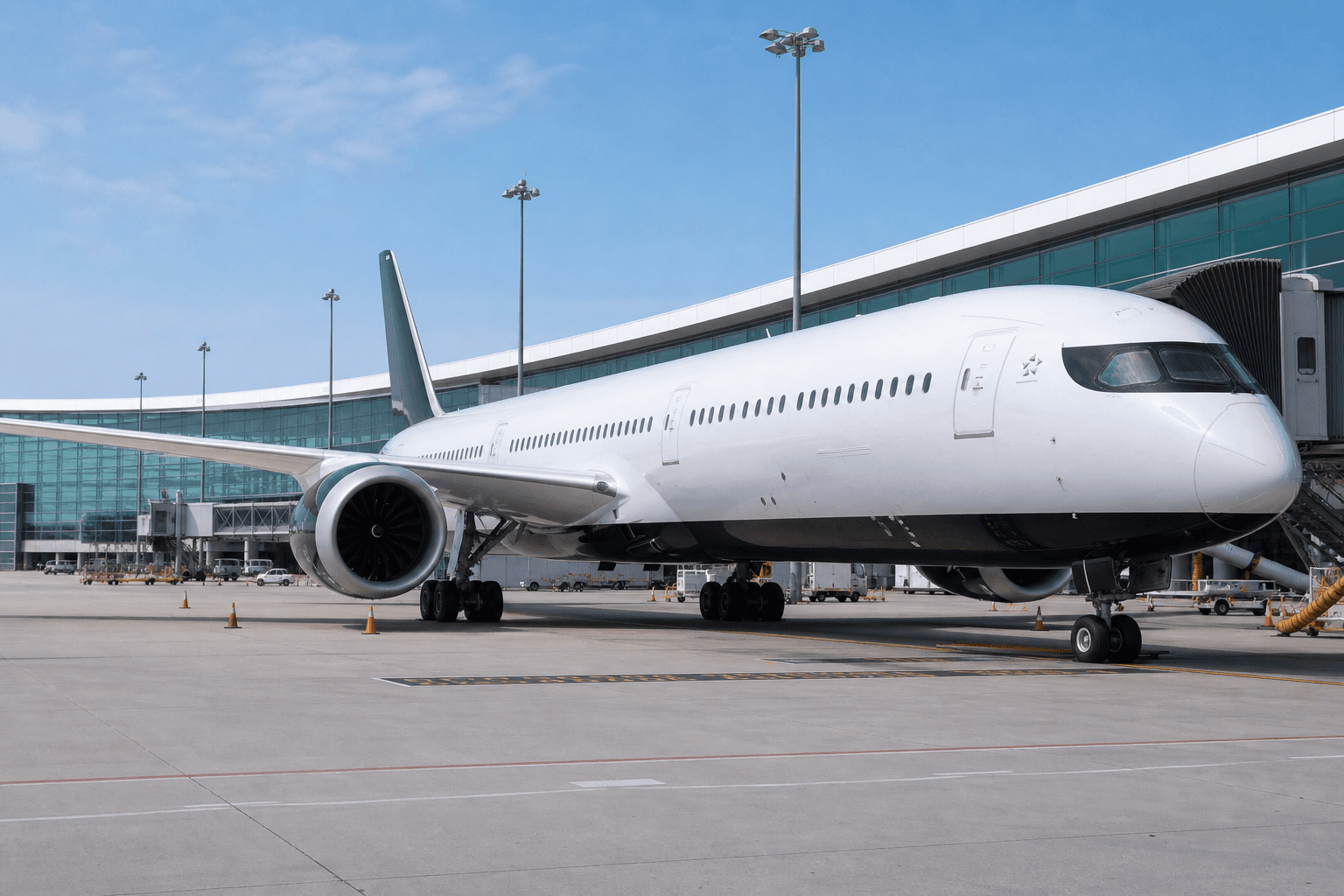
Illustration: The Touch & Go
Air Canada Raises Premium Economy Bar with 16-Inch 4K OLED Screens on 787-10
The airline's new Boeing 787-10 fleet debuts a benchmark 16-inch 4K OLED seatback display in premium economy alongside Bluetooth audio and enhanced comfort features.
The gist
Air Canada's 787-10 premium economy introduces industry-leading 16-inch 4K OLED screens setting a new tech standard in the cabin.
Continuing coverage
All Air Canada →- Air Canada launches new long-haul routes to Tenerife and Sapporo for 2026/27 winter
- United Airlines Allows Flight Attendants to Drink Alcohol While Deadheading Under Strict Conditions
- Air Canada Aeroplan and World of Hyatt Launch New Status and Points Partnership
- Air Canada and IAMAW Reach Tentative Four-Year Deal Covering 11,000 Maintenance Workers
- Air Canada Debuts Speedy City Shuttle Linking Downtown Montréal with Montréal-Trudeau Airport
Air Canada is redefining premium economy technology with its upcoming Boeing 787-10 aircraft featuring a standout new cabin concept. Central to this innovation is the installation of 16-inch 4K OLED seatback entertainment screens, unprecedented in size and definition for this cabin class. These displays will be paired with Bluetooth audio connectivity, USB-C charging ports, AC power outlets, and advanced Recaro seating to create a connected, comfortable traveler experience on long-haul flights. This marks a notable shift from incremental upgrades toward establishing a distinct technology benchmark in premium economy.
The choice of a 16-inch screen is particularly significant when compared to more common 15-inch displays, offering passengers a sharper and more immersive viewing experience. In-flight entertainment remains one of the most engaged-with features on long-haul flights, underscoring the importance of superior screen technology. Air Canada’s strategy places technology at the forefront of its premium economy value proposition, aiming to enhance passenger satisfaction through improved digital amenities and ease of use.
Besides the visual upgrades, connectivity within the cabin sees a boost with built-in Bluetooth audio compatibility enabling seamless pairing with wireless headphones. This wireless option aligns well with evolving passenger preferences for cord-free convenience. Complementary to this are power solutions including USB-C and standard AC outlets at every seat, reinforcing the importance of staying powered in today’s device-dependent travel context. Such inclusions transform the cabin into a tech-savvy environment that accommodates multiple personal electronics effortlessly.
This technology package integrates into Air Canada’s broader 'Glowing Hearted' cabin vision designed to elevate the overall passenger environment. Recaro Aircraft Seating supplies the premium economy seats featuring enhanced privacy elements like extended side wings to minimize distractions. Additional comfort features include adjustable headrests, supportive armrests, calf and footrests, targeting increased comfort on lengthy routes. These ergonomic designs coupled with technology upgrades demonstrate a holistic approach to upgrading this growing cabin segment.
The airline is also expanding premium economy seating capacity substantially by fitting 28 seats on the 787-10, a 33% increase over the configuration of its 787-9 fleet. This additional capacity signals confidence in premium economy’s appeal and revenue potential. Airlines typically allocate more cabin space when projecting sustained demand, suggesting Air Canada views premium economy not merely as a step-up product but as a central pillar in its long-haul service strategy.
Premium economy has evolved from a niche segment to a mainstream option favored by diverse travelers including those seeking greater comfort, families, and business travelers constrained by tighter budgets. Air Canada’s dedication of enhanced seat features and technology paired with increased capacity indicates it aims to meet the rising expectations and preferences within this segment. The airline’s investment aligns with industry trends recognizing premium economy as a resilient and increasingly significant category.
Recaro’s decades of experience and extensive airline customer base solidify the premium seats’ quality and industry relevance. Their design combines practicality and luxury through integrated entertainment screens, multiple charging options, and functional tray tables and storage. These elements accommodate both leisure and business travelers’ varied activities, from watching content to working on laptops, underscoring Air Canada’s commitment to a differentiated and elevated premium economy product.
The introduction of such a comprehensive technology and comfort package sets a benchmark that competitors will need to address. Screen size as an objective and conspicuous metric makes Air Canada’s offering immediately measurable and hard to match without significant investment. It represents a broader shift where premium economy innovation moves from marginal improvements to meaningful, guest-focused enhancements driven by technological advancement.
This rollout on the 787-10 fits within Air Canada’s fleet modernization initiatives aimed at improving efficiency and passenger experience. The new aircraft, alongside cabin upgrades and increased seating in the premium economy segment, reflect a coordinated strategy to enhance competitiveness on long-haul international routes. It signals the airline’s recognition of premium economy’s growing role in revenue generation and guest satisfaction in a continually evolving aviation marketplace.
Read more
All Airlines →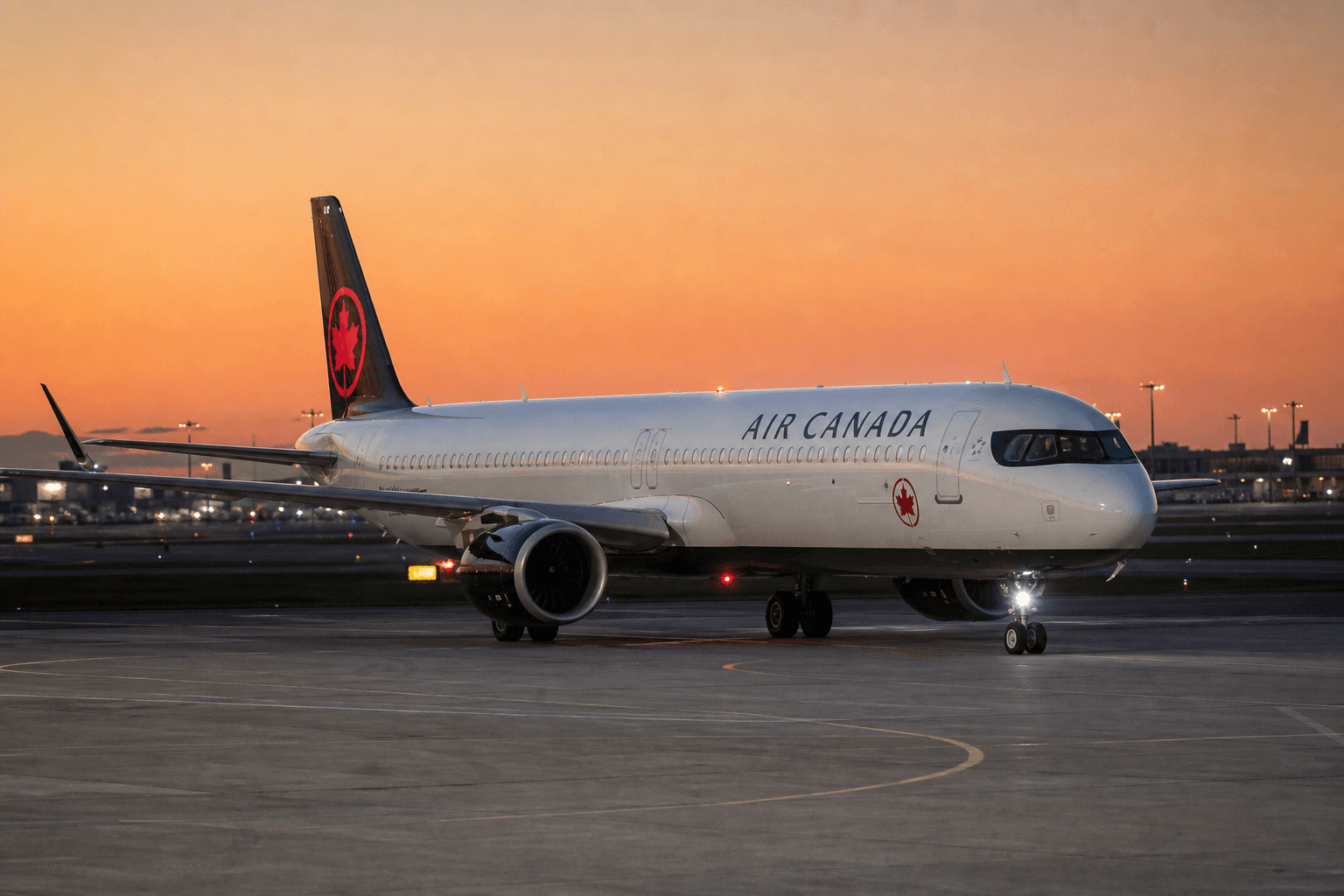
Air Canada launches new long-haul routes to Tenerife and Sapporo for 2026/27 winter
Air Canada has been steadily expanding its international network in recent years. The airline has added several new destinations so far this year and increased its presence across leisure markets. It is continuing this expansion with more additions for the 2026/27 winter season .
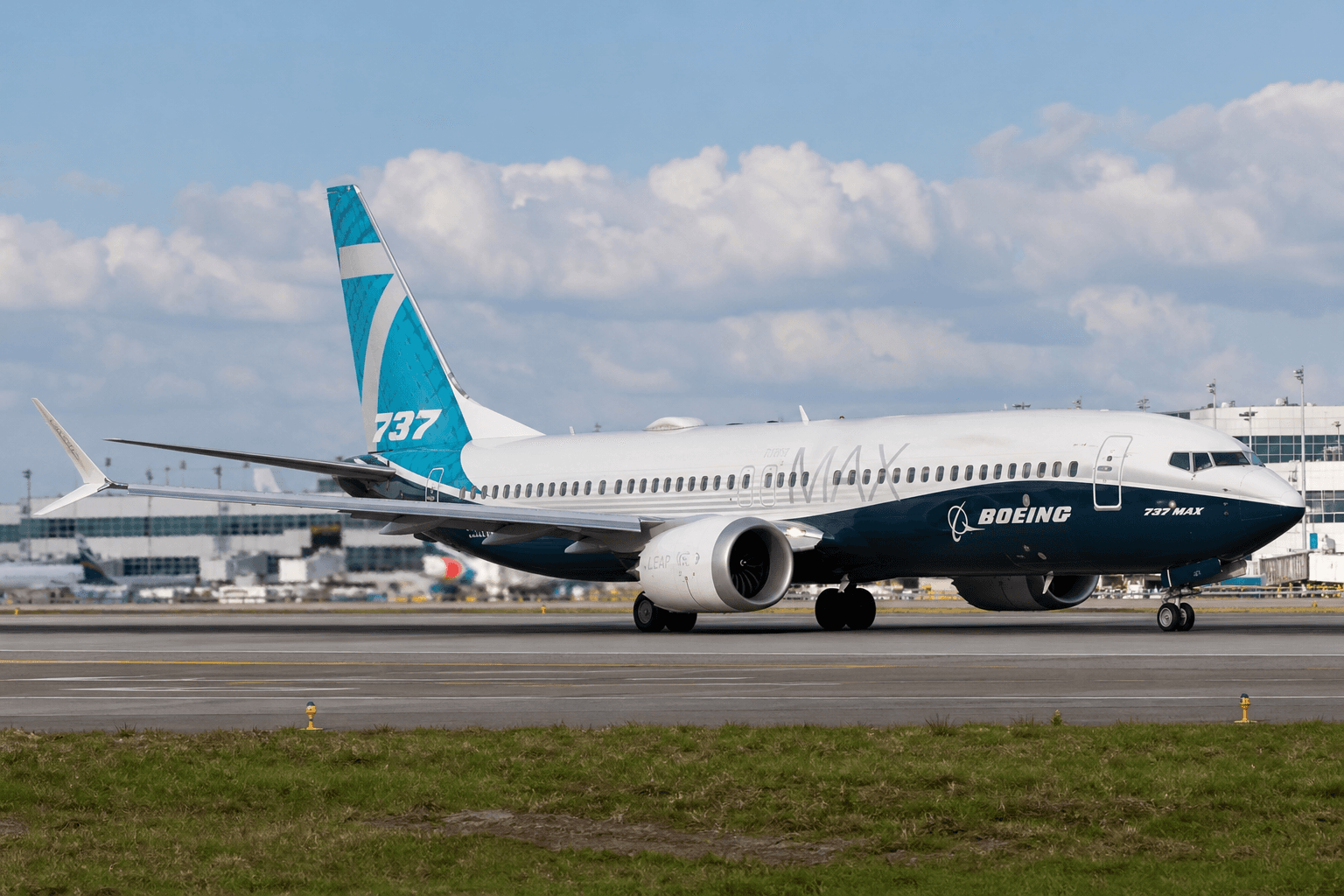
Boeing Delivers 53 Jets in July Amid Airbus Lead in 2026 Production Race
Boeing handed over 53 commercial airplanes in July 2026. The total marks steady progress in the company’s recovery. It also highlights ongoing competition with rival Airbus. ezstandalone.cmd.push(function () { ezstandalone.showAds(119); }); The deliveries included 39 Boeing 737 MAX jets and 10 787 Dreamliners. Boeing also delivered three 767s and one 777 Freighter. These numbers come from the company’s monthly orders and deliveries report. Modest Gain for Boeing, Clear Lead for Airbus July’s total rose about 10 percent from the same month last year. In July 2025, Boeing delivered 48 airplanes. That earlier figure included 37 MAX jets and eight 787s.Still, the July 2026 result fell short of recent highs. ezstandalone.cmd.push(function () { ezstandalone.showAds(127); }); Boeing delivered 60 planes in May and 64 in June. Production timing and customer readiness can cause these monthly swings. Airbus outpaced Boeing in July . The European manufacturer delivered 67 aircraft to 39 customers. That figure included a strong mix of A320-family jets plus several A220s and A350s. ezstandalone.cmd.push(function () { ezstandalone.showAds(128); }); Year-to-date through July 31, the gap remains clear. Airbus has delivered 418 planes. Boeing has delivered 367. Airbus continues to hold the monthly and cumulative lead. Photo Credit: Boeing Boeing’s Production Focus Boeing continues to raise 737 MAX output. The company aims to stabilize rates near 47 jets per month. Regulators earlier lifted tighter limits after past safety issues. The higher pace supports backlog reduction and customer needs. ezstandalone.cmd.push(function () { ezstandalone.showAds(129); }); The 10 Dreamliner deliveries stand out. Boeing delivered 13 of the jets in June but only six in May. Seat certification delays slowed some earlier handovers. July’s total shows progress at the South Carolina factory. Fresh Orders Maintain Momentum July also brought new business for Boeing. Uganda Airlines signed for four 787-9 Dreamliners and four 737 MAX 8s. This marked the African carrier’s first direct order with Boeing. The deal supports fleet growth and more efficient routes. AerCap ordered 15 more 787-9s. The lessor already holds a large Dreamliner portfolio. This addition expands its offerings to airline customers. ezstandalone.cmd.push(function () { ezstandalone.showAds(130); }); Boeing recorded 38 gross orders in July. These covered 18 of the 737 MAX, 19 of the 787, and one 777X. Eight 737 MAX cancellations offset some of the gains. Net orders for the month stood near 30 after adjustments. Through the end of July, Boeing logged 429 net orders for the year. Airbus posted a much stronger sales month with 204 gross orders. The European firm continues to build a larger backlog overall. Photo Credit: Boeing The Bigger Picture Deliveries serve as a useful proxy for factory output. Not every completed plane leaves in the same month it rolls off the line. Customer readiness and final checks can shift the timing. ezstandalone.cmd.push(function () { ezstandalone.showAds(131); }); Boeing trails Airbus in monthly deliveries and year-to-date totals. Yet Boeing’s focus remains clear: steady production increases, quality improvements, and backlog fulfillment. Narrowbody MAX jets drive most volume. Widebody 787s add higher-value activity. Both manufacturers face supply-chain pressures as they chase ambitious full-year targets. Airbus aims near 870 deliveries for 2026. Boeing works to close the gap through higher rates and consistent output. The July data shows Boeing moving in the right direction after earlier challenges. New orders from airlines and lessors keep the pipeline healthy. Industry watchers will track the next rate increases and how the two rivals perform through the rest of the year. ezstandalone.cmd.push(function () { ezstandalone.showAds(132); });
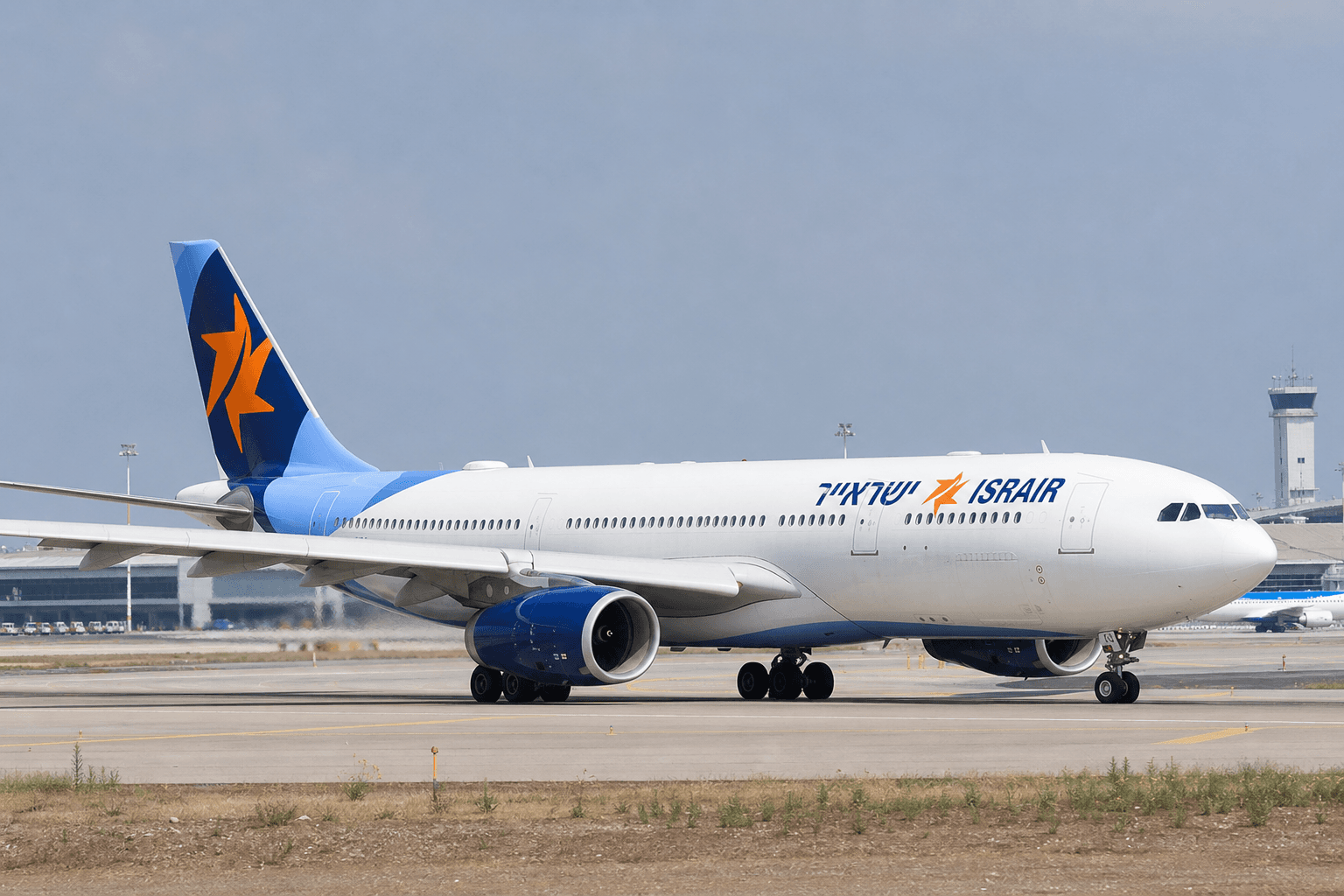
Israir revives ex-American Airlines A330s for upcoming New York-Tel Aviv flights
American Airlines retired its relatively young Airbus A330-200s during the pandemic, leaving itself short of long-haul aircraft just as international demand returned. Now two of those ex-American jets belong to Israir, which plans to use them for Tel Aviv–New York service — potentially bringing American's old planes back to a market American itself still has not resumed.
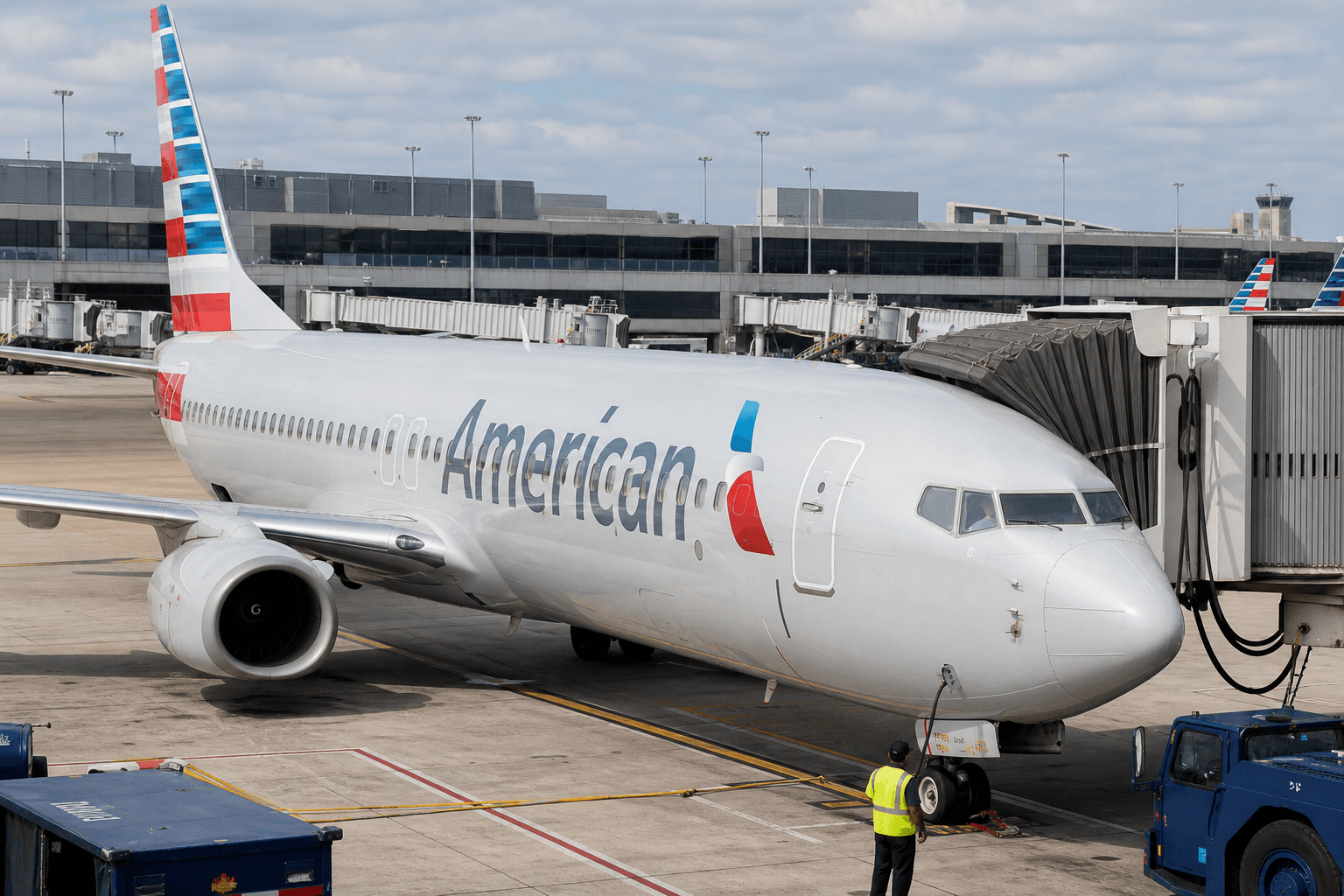
American Airlines AI System Automatically Removes Passengers from Flights Ahead of Connections
American Airlines' automated rebooking system keeps removing passengers from flights when it predicts they will miss a connection, even when they still make it to the gate in time. The result is that seats get released to someone else, passengers are turned away from flights they could have boarded, and American may owe involuntary denied boarding compensation when its algorithm gets it wrong.
The Daily Touch & Go
The day's best aviation news in your inbox. Free, no spam.