

Illustration: The Touch & Go
Delta Air Lines to Lead US with Airbus A350-1000 as Premium Long-Haul Flagship
Delta will receive its first Airbus A350-1000s in late 2026, introducing a premium-focused widebody to replace aging fleet and serve longest international routes.
The gist
Delta's 20 Airbus A350-1000s arriving from 2026 mark a bold premium-heavy long-haul strategy distinct from US rivals.
Continuing coverage
All Delta Air Lines →- Delta Introduces First Airbus A321neo VIP Jet for NBA Charter, Replacing Boeing 757s
- Delta Air Lines to Resume Seattle-Tokyo Narita Service in 2027, Challenging Alaska Airlines
- Delta Air Lines Set to Announce New Austin International Route Likely to Paris in August
- Chicago O'Hare Tops North America in Flight Movements, Atlanta Leads in Seat Capacity
- Federal Judge Allows Class Action Suit Over Delta's False Carbon Neutral Claims to Proceed
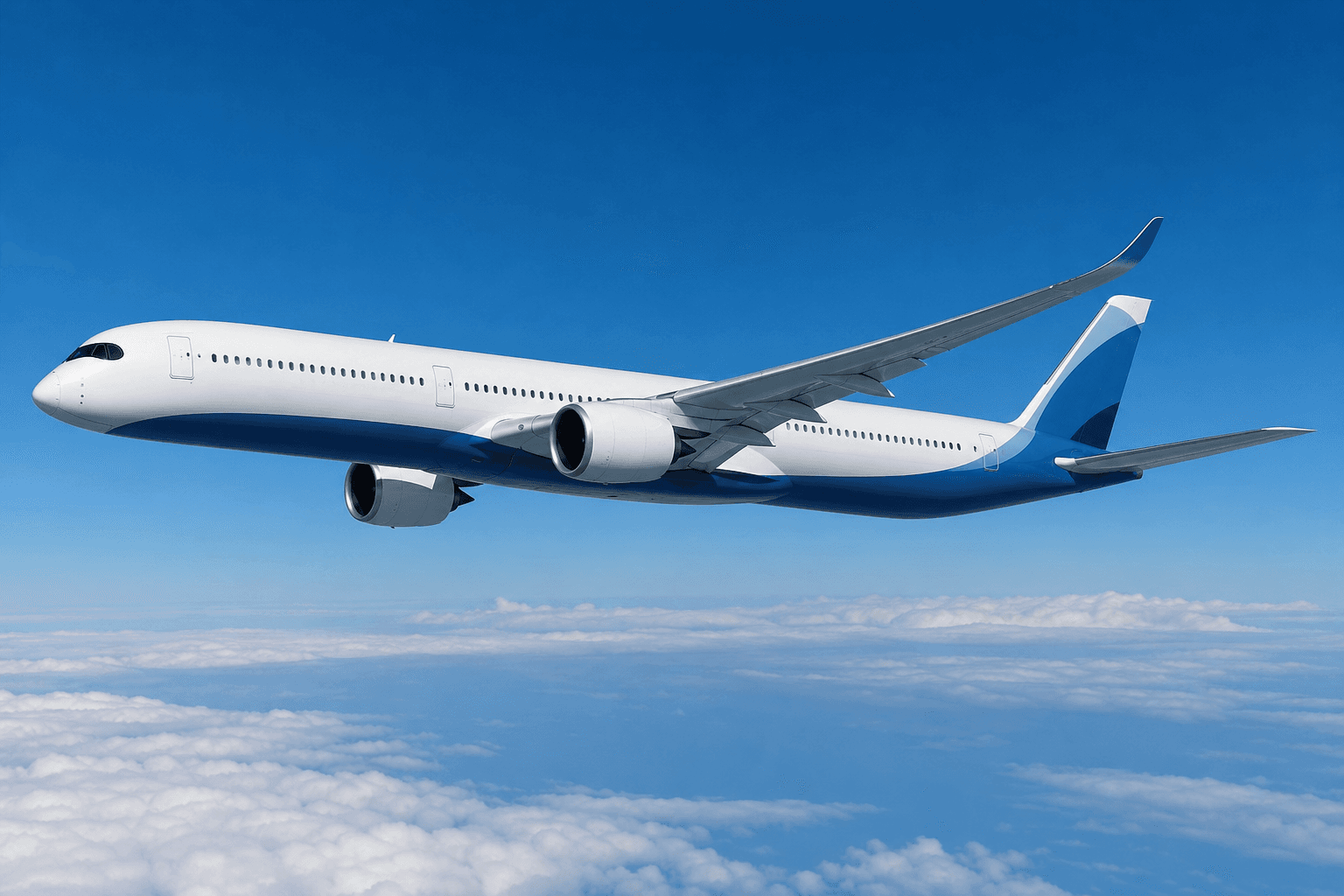
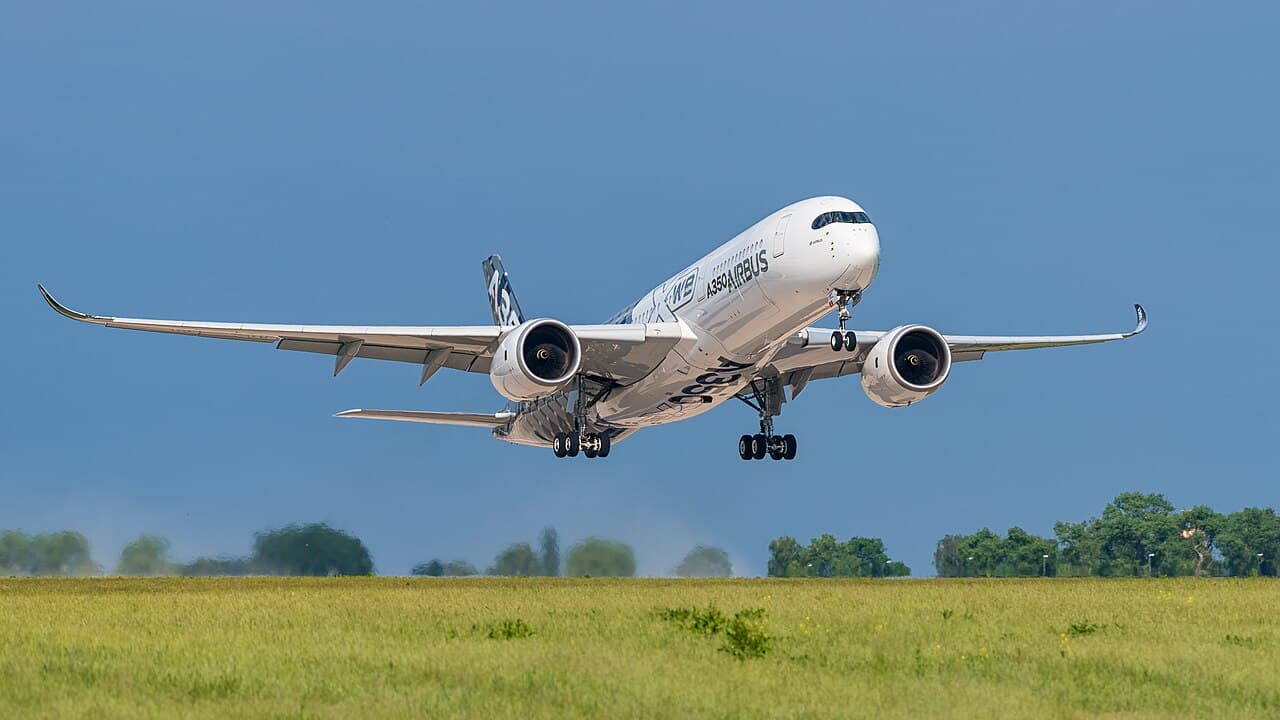
Delta Air Lines is poised to become the first U.S. airline to operate the Airbus A350-1000, with the initial deliveries of 20 aircraft slated for late 2026. This acquisition marks a strategic pivot towards deploying larger, more premium-configured widebodies tailored for the carrier’s longest international routes. The A350-1000 will serve as the flagship model in Delta’s widebody fleet, complementing its existing A350-900 aircraft and underscoring a distinctive approach among the major U.S. carriers.
The order for twenty firm A350-1000s, announced in January 2024 with options for an additional twenty, aims to address a gap in Delta's current long-haul fleet. As the aging Boeing 767-300ER fleet grows more costly to operate and the Airbus A330-200/300 series lacks sufficient range and efficiency, the A350-1000 offers a modern, longer-range solution with greater passenger capacity. The A350-1000 extends about 23 feet farther than the A350-900 and maintains the same efficient wing design and Rolls-Royce Trent XWB engines, delivering approximately 25% better fuel burn and operating cost improvements over previous widebody generations.
Delta's deployment plan prioritizes routes to Asia-Pacific, India, and the Middle East—regions characterized by ultra-long sectors and robust premium passenger demand. With a maximum range near 8,700 nautical miles, the aircraft is capable of nonstop flights on all current Delta long-haul routes, including opening new city pairs that older widebodies cannot serve directly. This capability supports Delta's goal of maximizing revenue on its highest-yielding international markets.
A notable feature of Delta's A350-1000 configuration is its aggressive premium cabin ratio, with roughly 50% of seats allocated forward of the economy cabin. This includes an unprecedented 53 Delta One Suites arranged in a 1-2-1 layout, each offering an 83-inch lie-flat bed, a 24-inch 4K QLED screen, and a sliding privacy door. The enhanced design emphasizes passenger space and comfort, with additional amenities like a dedicated refreshment station. This configuration reflects a strategic bet that premium demand will sustain yields sufficient to offset fewer economy seats.
This focus on premium cabin density contrasts with competing U.S. carriers’ long-haul strategies. United Airlines, for example, is concentrating on Boeing 787-9 deliveries, including the Elevated 787-9 variant with 72 lie-flat seats, and American Airlines is fully committed to Boeing widebody fleets without Airbus orders. Delta’s choice underscores a commitment to a smaller number of larger aircraft with a higher premium revenue target, differentiating its competitive positioning in the long-haul market.
The introduction of the A350-1000 also initiates a cascading fleet restructuring within Delta. The new aircraft will replace A350-900s on the highest-demand routes, which in turn will replace older A330 and 767 aircraft on secondary routes. The primary impact will be the gradual retirement of the Boeing 767-300ERs, some of the oldest long-haul aircraft still flying for Delta. To bridge the transition, Delta is investing over $1 billion to retrofit some A330s with modern sliding-door Delta One suites, ensuring the existing fleet remains competitive while the A350-1000 order is fulfilled.
Delta’s investment in the A350-1000 reflects a nuanced balance between fleet modernization, route economics, and premium passenger demand, with the aircraft tailored to generate maximum revenue on lucrative long-haul flights. The strategic deployment and cabin design signal a divergence in approach from United and American, emphasizing quality and premium service density over sheer seat count. This fleet composition is expected to redefine Delta’s long-haul network efficiency and customer experience in the coming years.
Read more
All Airlines →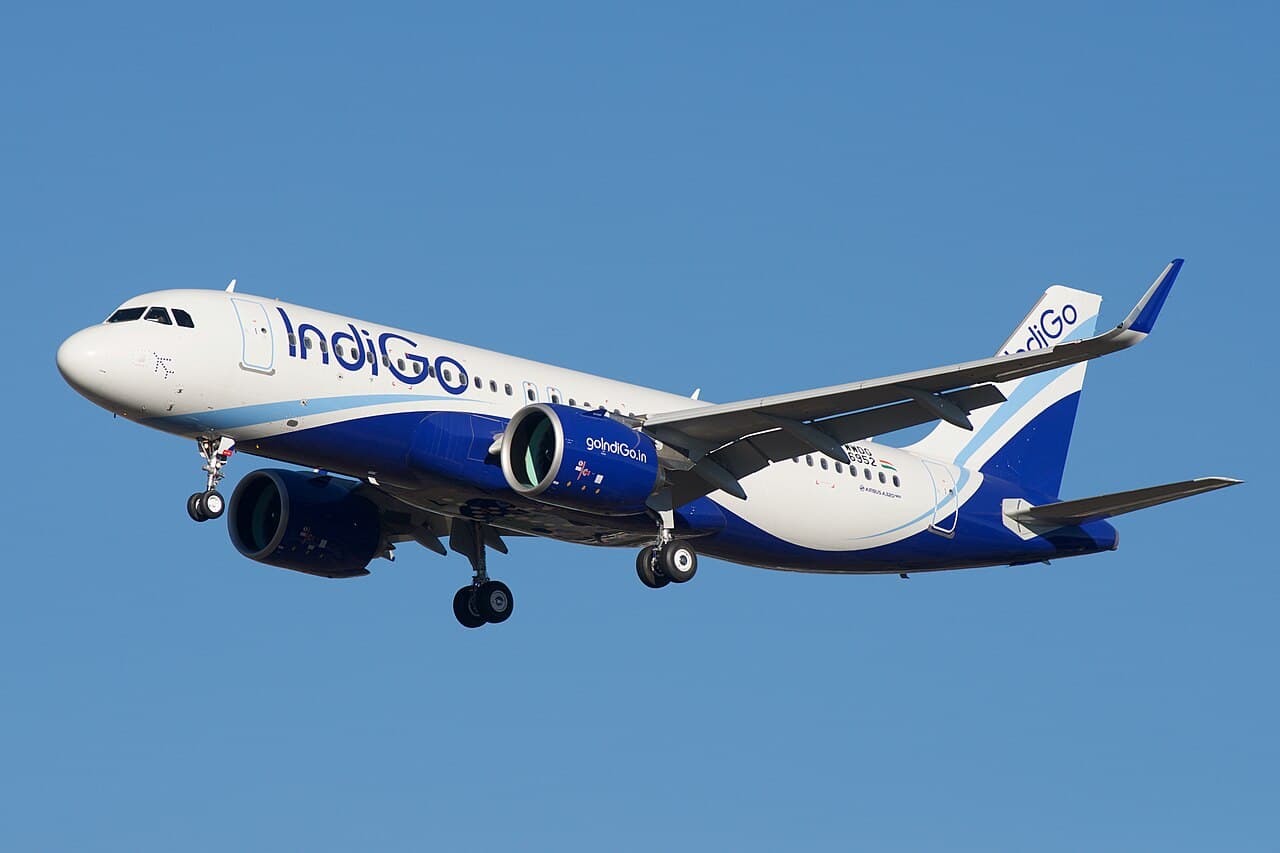
LATAM Airlines posts $227 million Q2 profit amid strong premium demand
Resilient demand for premium seats and from loyalty programme members kept LATAM in the black. LATAM Airlines Group was able to pass to customers much of the increase in fuel prices in the second quarter thanks to strong travel demand, especially for premium seats and from member of its loyalty programme. The company reported an adjusted operating profit of $227 million for an adjusted operating margin of 5.4% during the three months ending in June. Its revenue increased 28% year on year to $4.2 billion, driven by an 18% year-on-year increase in revenue per available seat kilometre, allowing LATAM to recapture much of the additional $700 million fuel expense it paid in the period. LATAM’s second-quarter expenses jumped 39% year on year to $4.0 billion. "The combination of effective execution, commercial flexibility and the resilience of LATAM's diversified business model allowed the group to increase unit revenues this quarter [and] successfully mitigate a substantial portion of that [fuel] impact," said Ricardo Dourado, the chief financial officer of LATAM, during an earnings call on 5 August. Premium-seat sales and demand from loyalty programme members showed "greater resilience" than overall demand in the second quarter, he adds. LATAM is investing in new business-class suites and premium-economy seats for its widebody Boeing 787s. Installations began in 2025 and continue across the fleet. It is also expanding the number of premium-economy seats on its narrowbody fleet of Airbus A320-family aircraft and plans to introduce the seats on Embraer 195-E2s scheduled to enter service in November. LATAM initially plans to fly E195-E2s to four new destinations and on eight new routes in Brazil. The aircraft will allow it to expand and tailor capacity on existing routes to better match demand at various times of day, chief executive Roberto Alvo says. Looking ahead, LATAM reinstated its guidance despite what Alvo says remains a "highly dynamic" market. The company expects to grow capacity, measured in available seat kilometres, 8-9% in 2026 and forecasts a 2026 adjusted operating margin of 12-13%. LATAM is scheduled to take delivery of 15 A320neo-family aircraft, one 787-9 and 12 E195-E2s in the second half of 2026, its latest fleet plan shows. It forecasts adding 27 aircraft to its fleet in 2026, bringing its fleet to 410 aircraft at year-end. LATAM can retire older Airbus A319s if the demand environment weakens, Alvo says.
Airlines Abandon Middle Tier as Premium and Ultra-Budget Classes Dominate Market
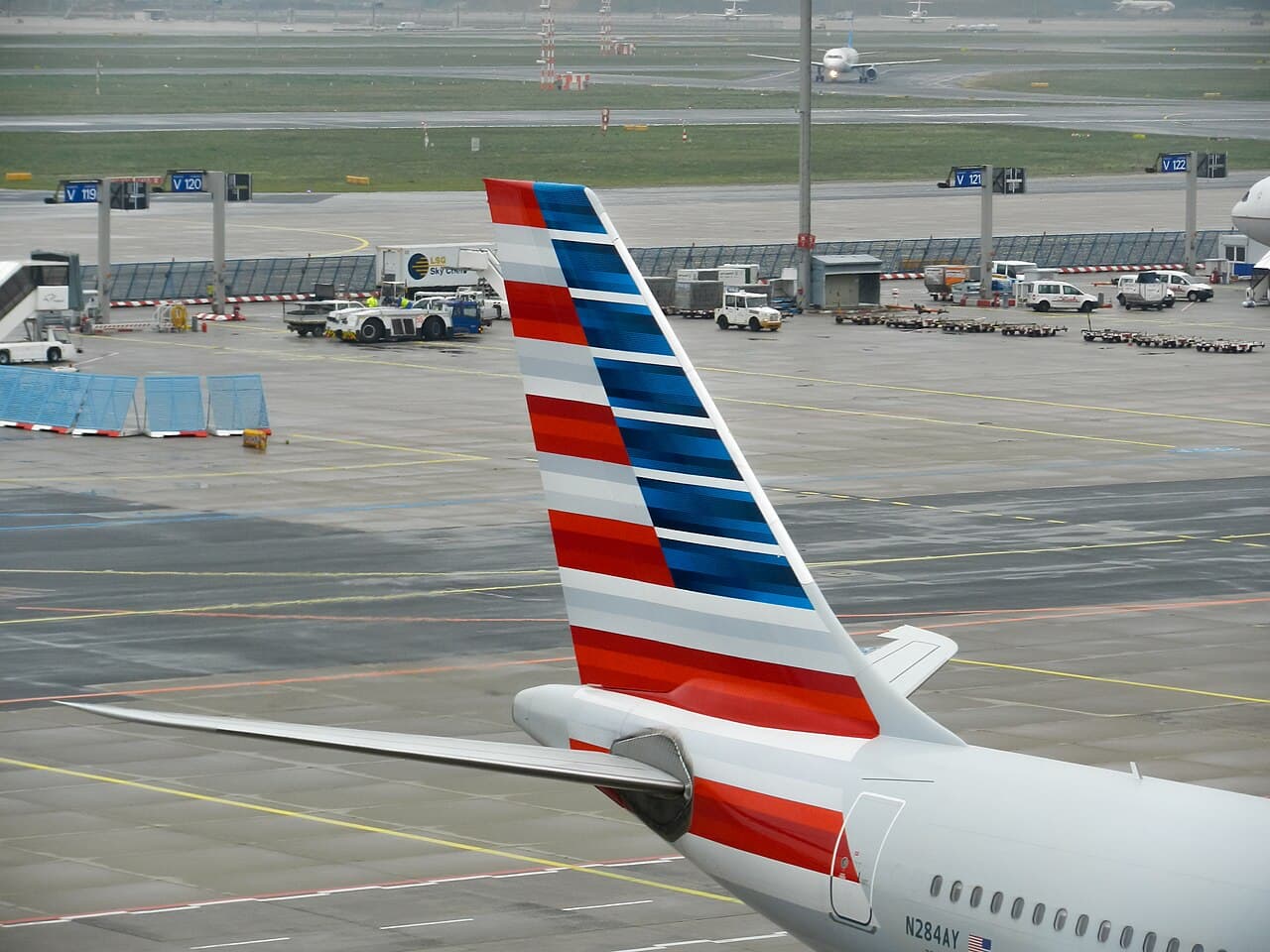
Across the airline industry, it seems that the traditional middle tier of commercial air travel is on its way to the history books. It has always been common to see legacy carriers and low-cost airlines alike depend on a standardized main cabin product to generate steady baseline revenue. Today, that undifferentiated middle is rapidly disappearing as commercial aviation splits into two profitable extremes: high-yield premium cabins at one end and unbundled ultra-budget fares at the other.
Study Finds GEnx-Powered Boeing 787-10 Leads Widebody Fuel Efficiency Among 14 Competitors
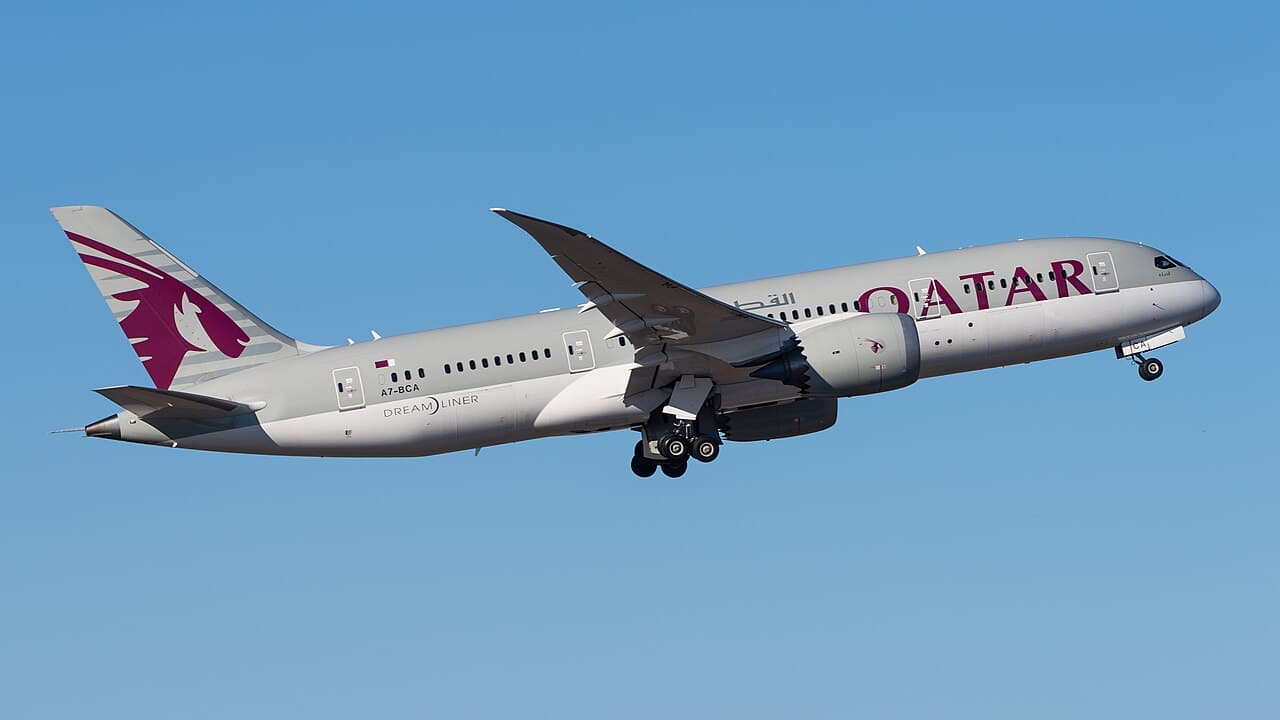
An Aircraft Commerce study comparing 14 widebody aircraft-engine combinations across five routes found that the GEnx-powered Boeing 787-10 produces the lowest fuel burn per available seat mile of any widebody configuration currently in service. The finding ranked the 787-10/GEnx ahead of the same aircraft with Trent 1000 engines, ahead of both A350 variants, and ahead of every older widebody type including the 777-200ER, 777-300ER, and 747-400.
IndiGo Halts Leased Widebody Flights, Awaits Airbus A350 to Restart Long-Haul Service
India’s largest airline, IndiGo, will suspend its current wide-body flight operations from October 25, 2026, marking a temporary halt to its early long-haul experiments while it awaits delivery of its own Airbus A350-900 fleet. ezstandalone.cmd.push(function () { ezstandalone.showAds(119); }); The decision, announced on July 31, also ends the airline’s damp-lease (ACMI) agreement with Norway’s Norse Atlantic Airways. Under this arrangement, six Boeing 787-9 aircraft had been operating selected India-Europe routes since early 2025. IndiGo entered the partnership to accelerate learning in long-haul operations, develop crew and network capabilities, and establish brand presence ahead of its A350 arrivals, originally expected from 2027. ezstandalone.cmd.push(function () { ezstandalone.showAds(127); }); The leased Dreamliners enabled services to destinations including London Heathrow, Amsterdam, Manchester, and others. External Pressures Force ACMI Closure However, the operating environment deteriorated markedly. Airspace restrictions linked to Middle East geopolitical tensions forced longer routings, while elevated fuel prices, currency pressures, and rising costs eroded route efficiency, schedule reliability, and competitiveness. ezstandalone.cmd.push(function () { ezstandalone.showAds(128); }); As a result, Mumbai–Amsterdam flights will switch to IndiGo’s Airbus A321XLR narrowbodies from October 25. London Heathrow services will be temporarily discontinued until the A350-900s arrive. Photo Credit: IndiGo The airline has stressed that its broader international expansion plans remain intact, with continued growth via the A321XLR and eventual deployment of its 60 ordered A350s. IndiGo has pledged to support affected passengers through alternative arrangements or refunds. ezstandalone.cmd.push(function () { ezstandalone.showAds(129); }); From Norse Atlantic’s perspective, the parties mutually agreed to end the ACMI partnership effective November 1, 2026. One of the six 787-9s had already been scheduled for return at the end of August following IndiGo’s earlier closure of its Manchester route. The remaining five will now also be redelivered. Norse Atlantic Perspective Norse CEO Eivind Roald described the 18-month collaboration as valuable but noted that elevated fuel prices, airspace disruptions, and longer flight routings from the Middle East conflict had undermined commercial viability for both sides. ezstandalone.cmd.push(function () { ezstandalone.showAds(130); }); “We have jointly concluded that alternative deployment of the aircraft will be more commercially beneficial to both parties,” Roald said. The returned aircraft will give Norse greater flexibility. The carrier is in discussions with multiple airlines for new ACMI placements covering up to five jets and plans to deploy part of the fleet on profitable winter routes, including services from Europe to Orlando and New York. This capacity boost also supports Norse’s ongoing strategic review. Following interest from potential counterparties, the board has launched a formal process that could lead to a sale, merger, or strategic partnership, aiming to enhance long-term shareholder value. ezstandalone.cmd.push(function () { ezstandalone.showAds(131); }); Photo Credit: IndiGo Conclusion The episode highlights the challenges facing long-haul operators in a volatile geopolitical climate. For IndiGo, the pause represents a prudent short-term recalibration rather than a retreat from international ambitions. The airline built its success on a disciplined narrowbody model and views the A350 programme as the foundation for genuine long-haul growth. For Norse Atlantic, the end of a major ACMI contract that once covered half its fleet creates both near-term redeployment opportunities and strategic optionality. As IndiGo transitions its European network and prepares for its own widebodies, and as Norse seeks new partners or structural change, both carriers are adapting to an industry environment where flexibility and cost discipline have become essential. ezstandalone.cmd.push(function () { ezstandalone.showAds(132); }); The temporary cessation of IndiGo’s leased widebody flying underscores how external shocks can reshape even carefully planned expansion strategies, while reinforcing the airline’s long-term commitment to connecting India with the world.
The Daily Touch & Go
The day's best aviation news in your inbox. Free, no spam.