

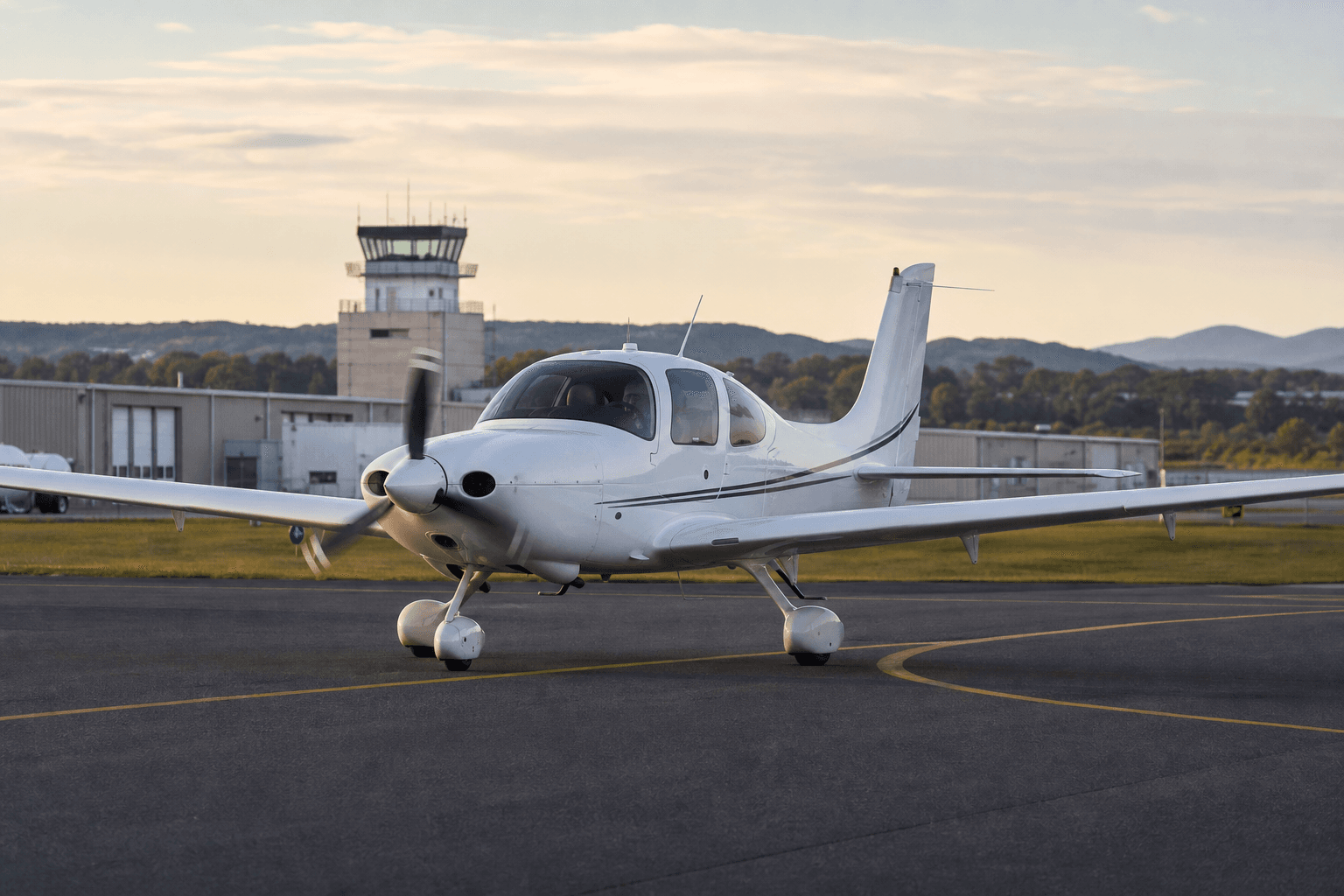
Illustration: The Touch & Go
US Congress stalls on ADS-B In mandate amid airport fee tracking debate
US lawmakers remain deadlocked over ADS-B In requirements for aircraft, with disputes focused on use of ADS-B data to enforce airport landing fees.
The gist
Congress debates ADS-B In mandate delay over airports' use of tracking data for landing fee collection.
Continuing coverage
All United States →US legislative efforts to mandate ADS-B In technology for aircraft continue to face hurdles nearly 18 months after a fatal midair collision reignited calls for improved collision avoidance systems. Both the Senate and House of Representatives have passed differing bills requiring ADS-B In capability for most aircraft, yet no unified legislation has been agreed upon. A principal sticking point is whether ADS-B data can be used by airports to track landings for fee collection, a provision included in the Senate bill but explicitly prohibited in the House version.
At the heart of the debate is the utility of Automatic Dependent Surveillance-Broadcast (ADS-B) data beyond safety functions. Some small airports rely on ADS-B information to monitor aircraft activity at times when manual tracking is difficult, ensuring that pilots who land pay associated fees. Airport executives argue that the House bill's ban on using ADS-B data for revenue purposes hampers their operational and financial sustainability.
Todd Hauptli, CEO of the American Association of Airport Executives (AAAE), testified that denying airports the ability to use ADS-B for fee collection restricts a useful tool needed for effective airport management. He emphasized that while the House legislation offers critical advancements for safety, it overlooks practical revenue enforcement challenges faced by smaller airports.
Opposing this viewpoint, private pilot groups like the Aircraft Owners and Pilots Association (AOPA) advocate for the prohibition of ADS-B tracking data for fee collection. They insist that ADS-B's primary function is collision avoidance, and employing it for billing could discourage pilots from adopting the technology or lead them to disable it to avoid charges, compromising safety gains.
AOPA's stance was analogized by Senator Tim Sheehy, highlighting a parallel to seatbelt usage; just as drivers might unbuckle if it meant avoiding penalties, pilots could be incentivized to deactivate ADS-B In to evade landing fees if monitoring is permitted. The Federal Aviation Administration (FAA) has also expressed reservations about airports leveraging ADS-B data for revenue, with Administrator Bryan Bedford noting that the agency disfavors using the system as a fee collection mechanism.
Libertarian policy analyst Robert Poole of the Reason Foundation frames the House provision as a loophole enabling some pilots to avoid paying fair landing fees. From this perspective, ADS-B offers the most transparent and equitable means of identifying and billing aircraft landings, preventing evasion and ensuring all users contribute appropriately.
The requirements for ADS-B Out transmission have been in place at the FAA level, obligating aircraft to broadcast positional data to ground stations, facilitating air traffic control. However, ADS-B In reception, which allows aircraft to receive positional data on nearby traffic and thereby enhances situational awareness, remains unmandated. The proposed legislative packages aim to address this safety gap by expanding mandatory ADS-B In capabilities.
Safety concerns remain pressing, underscored by prior incidents such as the fatal 2025 midair collision near Boston involving a US Army helicopter and a regional jet, where insufficient traffic information contributed to tragedy. Analysis revealed that ADS-B In would have provided earlier and more detailed collision alerts, potentially preventing the accident. This real-world example fuels support for ADS-B In mandates despite the surrounding policy debates.
Read more
All Aviation Safety →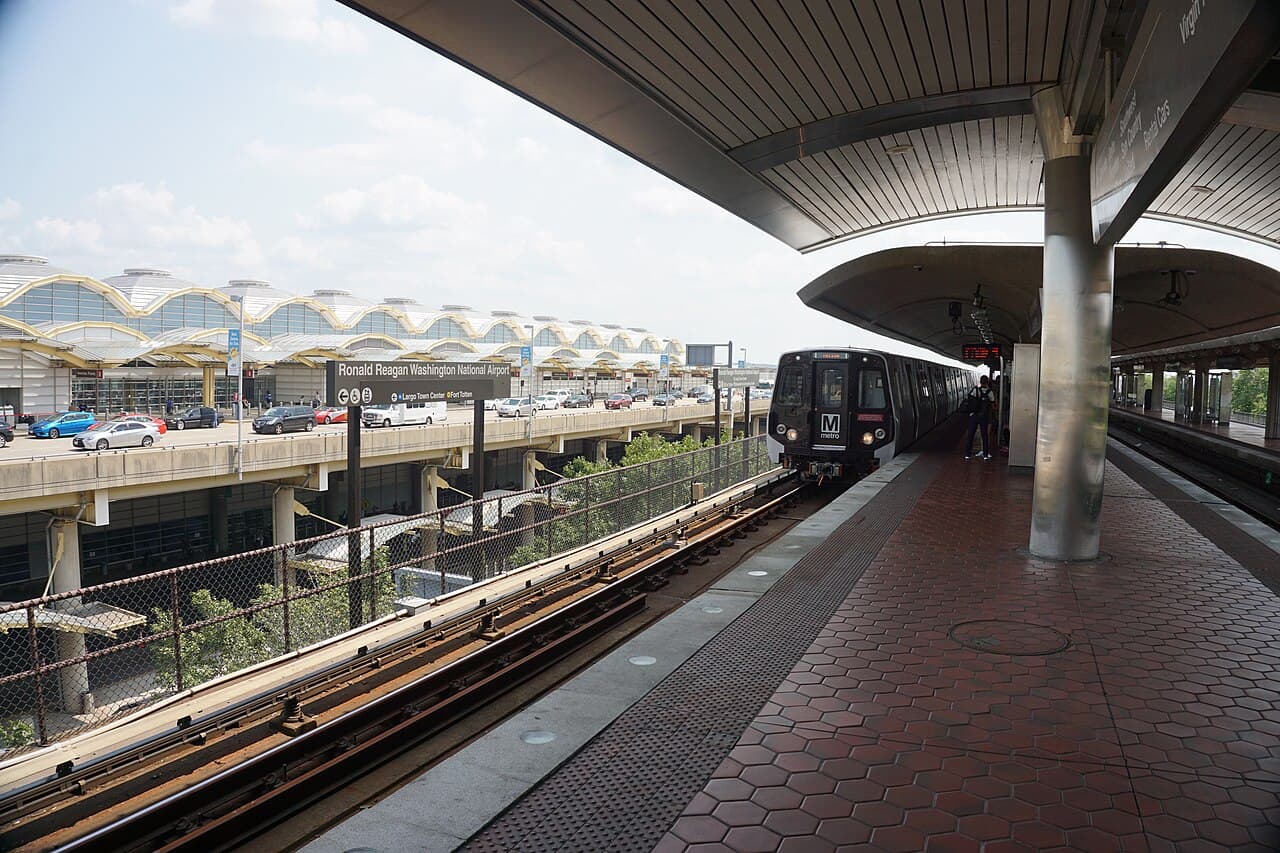
FAA Probes Separation Breach After Marine One and Envoy Air Jet Departured One Minute Apart at DCA
The Federal Aviation Administration ( FAA ) is investigating an incident at Ronald Reagan Washington National Airport (DCA) on Tuesday afternoon, after the presidential helicopter Marine One and a departing regional jet appeared to have lost separation. The helicopter, carrying President Donald Trump, lifted off near the White House at around 2:33 PM local time, just a minute before an Envoy Air Embraer E170 departed from DCA.
Large drone collides with LAPD helicopter over San Fernando Valley, forcing emergency landing
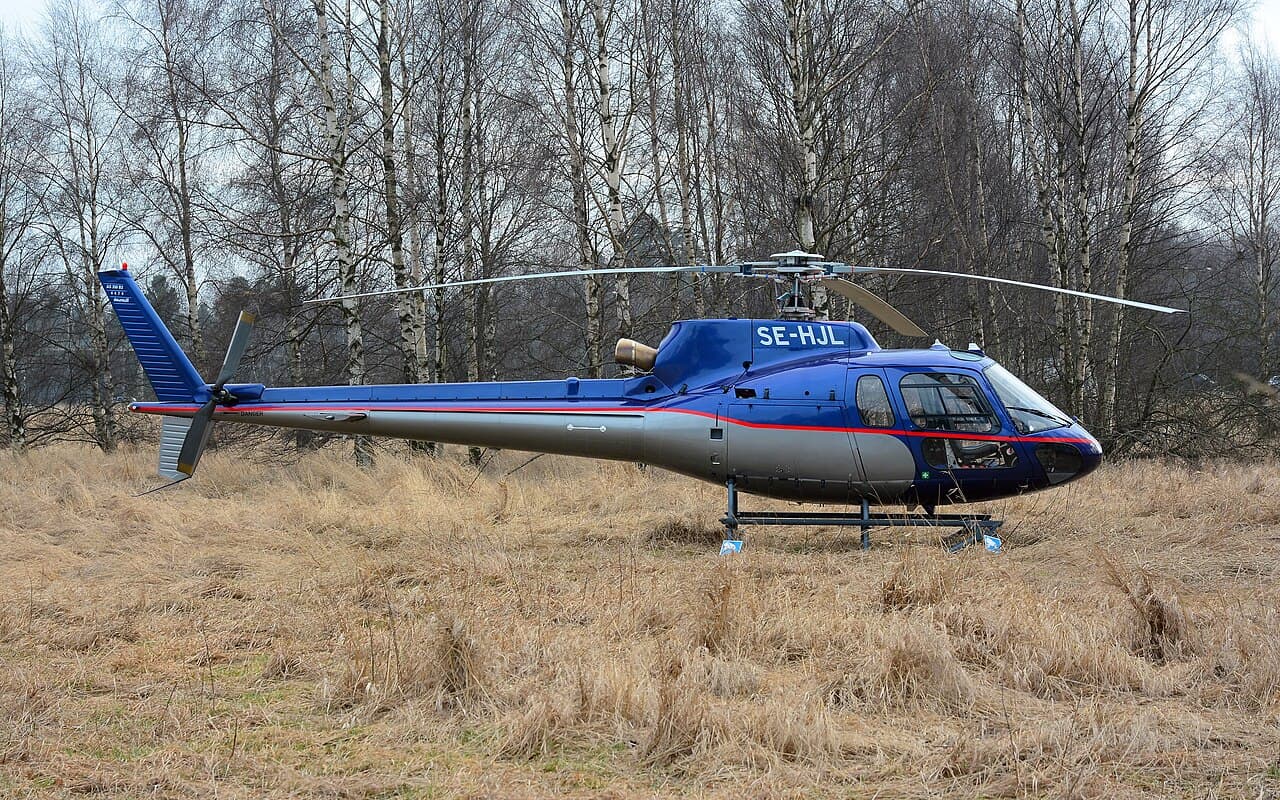
A large drone struck a Los Angeles Police Department helicopter during a patrol over the San Fernando Valley, damaging the aircraft's windshield and forcing the crew to make a precautionary landing. The Airbus AS350 was flying near the 101 Freeway and Reseda Boulevard in Tarzana shortly before 15:00 local time on July 7, 2026, when it collided with the drone, according to the LAPD and a preliminary Federal Aviation Administration (FAA) report. The pilot landed safely at nearby Van Nuys Airport (VNY). Neither of the two officers aboard the helicopter was injured. Authorities described the drone as measuring approximately three feet by three feet, considerably larger than most hobbyist drones. Investigators have not identified its make or model or the person operating it. The collision happened as firefighters battled a brush fire near the Encino Reservoir. An LAPD official said the drone operator may have been attempting to record the fire, although authorities have not determined whether the aircraft was deliberately flown near the helicopter. The FBI and FAA have opened investigations. Los Angeles Mayor Karen Bass called the incident "completely unacceptable" and warned drone operators against interfering with police and firefighting aircraft. "This is a warning to anybody who's flying a drone that interferes with Fire or Police: We will find you, you will be arrested, and you will be prosecuted," Bass said. Drones operating near wildfires can put a halt to aerial firefighting operations as crews cannot safely share the airspace with an unidentified aircraft. The FAA generally limits drones to 400 feet above the ground, with additional restrictions around airports and emergency operations. Authorities have not released photographs of the damaged helicopter or video showing the collision. The drone operator remained unidentified as of July 13. The incident is the latest collision involving a drone and a crewed aircraft in US airspace. The FAA receives thousands of reports each year involving drones operating near airplanes and helicopters, although confirmed midair collisions remain relatively rare.
King Air ambulance crashes in New Mexico amid military GPS jamming during night visual approach
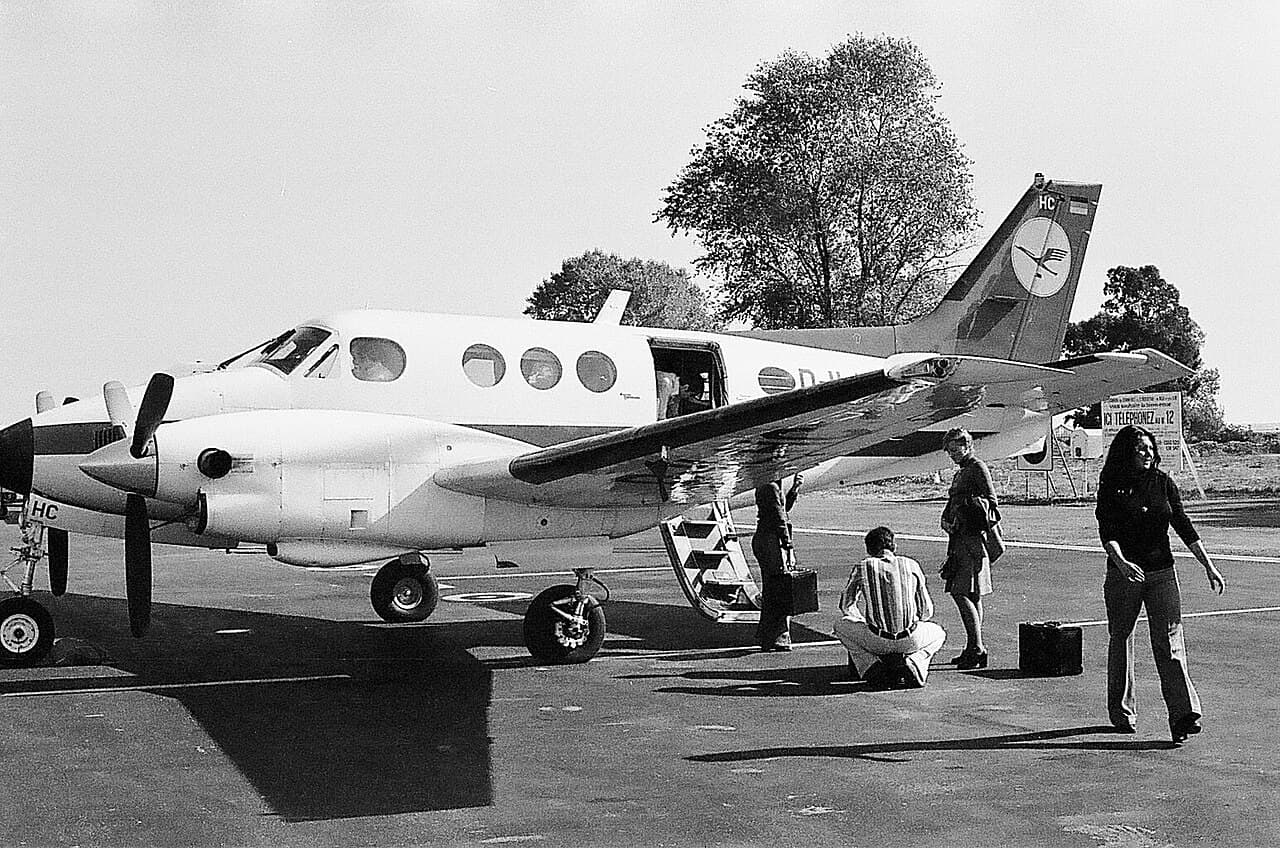
Military exercise taking place when descending aircraft struck mountain ridge during visual approach in darkness. US investigators have yet to determine why a Beechcraft C90 King Air ambulance fatally crashed into high terrain during a night visual approach in New Mexico, at a time when military jamming was taking place in the area. The National Transportation Safety Board stresses that it is still probing the 14 May accident, which left no survivors from two pilots and two nurses on board. But the aircraft had been attempting to descend from 12,000ft towards Sierra Blanca regional airport, near Ruidoso, which lies at an elevation of about 6,800ft. Although the aircraft's crew had initially intended an area navigation approach – which requires satellite-based positioning – to runway 24, they opted to switch to an ILS approach owing to the loss of GPS navigation capability. But neither the area navigation nor the ILS approach procedure was authorised if no local altimeter setting had been received, and NOTAM information stated that Sierra Blanca airport's automated weather system was out of service. The aircraft had been directed to fly northwest in preparation for a vectored approach. While about 27nm northeast of Sierra Blanca airport, however, the crew informed the area controller that they had "a visual on Ruidoso" and could "go visual". This meant turning southwest and descending over the Capitan mountains – which rise to some 10,200ft – in darkness and zero moonlight, just after midnight. Nearly 5min after commencing the descent, the aircraft had reached the mountain ridge and – according to its Spidertracks flight-tracking equipment which provided GPS-generated altitude data – was flying at 9,400ft. The aircraft subsequently began climbing but, about 45s later, it collided with terrain at about 9,950ft. Complicating the inquiry is the fact that military GPS jamming activity was taking place near the White Sands missile range, and the Albuquerque area control centre had issued a NOTAM warning that it could interfere with GPS navigation and ADS-B. This has generated speculation in various media channels that the King Air's GPS equipment might have been providing false information to the crew. But amid these suggestions, the National Transportation Safety Board insisted on 5 August that it has "not yet determined the probable cause or any contributing factors". It points out that it validates and analyses "all available evidence" before reaching conclusions. There is evidence that GPS and ADS-B data from the flight was affected. The crew reported losing GPS capability shortly after departure, and requested headings. While Spidertracks GPS-based data was generated for the whole flight, there was only a partial ADS-B record owing to the reporting frequency substantially reducing for much of it. The Spidertracks data typically indicated altitudes 600ft higher than the ADS-B data. As area centre controllers sought to vector the aircraft they requested that the military jamming exercise cease temporarily. ADS-B reporting frequency returned to normal shortly afterwards. Jamming was permitted to resume when the aircraft's pilots confirmed they would make a visual approach to Sierra Blanca airport, and began their descent. Investigators state that at least three other aircraft in the vicinity reported a loss of GPS around the same time as the King Air. Generation Jets had been operating the 47-year old aircraft (N249CP), working with its partner Trans Aero MedEvac which provided the medical support personnel.
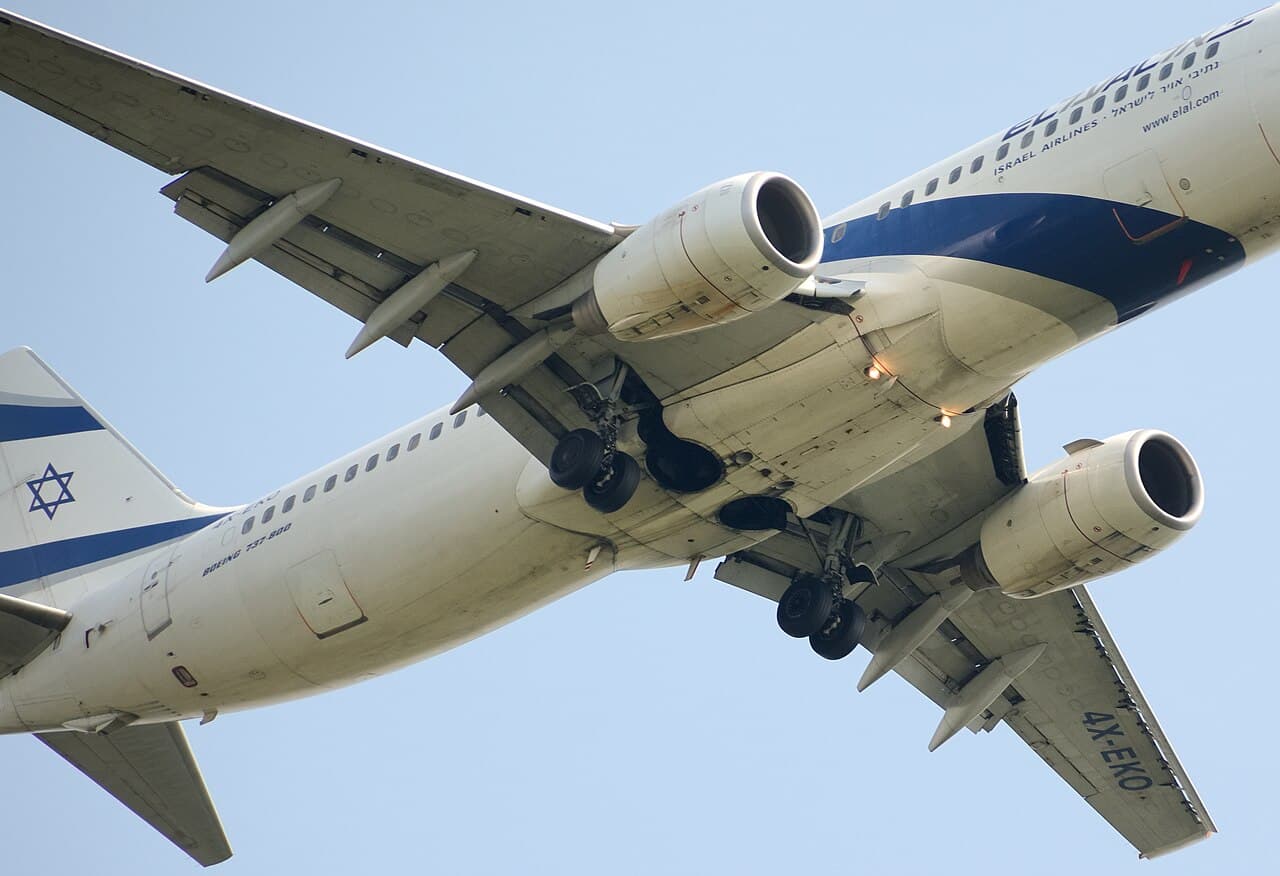
US Removes Fly Baghdad and Two Boeing 737s from Terrorism Sanctions List
The US Treasury Department has lifted sanctions on Iraqi airline Fly Baghdad and two of its Boeing 737s, more than two years after accusing the carrier of transporting fighters and weapons for Iran's Islamic Revolutionary Guard Corps (IRGC) Quds Force and allied militant groups. The Office of Foreign Assets Control (OFAC) removed Fly Baghdad, also known as Iraq Express, and the two aircraft from its Specially Designated Nationals list on August 5, 2026. A Treasury official said the airline had made major changes to its operations and had addressed the conduct that led to the sanctions. The department did not say exactly what those changes were. Fly Baghdad was sanctioned in January 2024 under US counterterrorism laws. At the time, the Treasury Department accused the airline of supporting the IRGC Quds Force by transporting personnel, weapons and money throughout the Middle East. The Treasury Department said Fly Baghdad flights had carried weapons to Damascus International Airport for delivery to the IRGC-Quds Force and Iran-aligned groups operating in Syria. The department said those shipments included missiles, rifles, rocket-propelled grenades and machine guns. US officials also accused Kata'ib Hezbollah of using Fly Baghdad flights to move fighters, weapons and cash to Syria and Lebanon. The Treasury Department said the airline helped move hundreds of Iraqi fighters in October 2023, including members of Iran-backed groups, following the October 7 Hamas attack on Israel. Fly Baghdad denied the allegations after the sanctions were imposed and said the US decision was based on incorrect information. The sanctions effectively barred US citizens and companies from doing business with Fly Baghdad and blocked any property or financial interests the airline held within US jurisdiction. The OFAC issued a temporary exemption in 2024 that allowed certain transactions needed for civil aviation safety and for companies to wind down existing agreements with the airline. That included maintenance, insurance, ground services and the repossession of leased aircraft. The two aircraft removed from the sanctions list were Boeing 737s that the Treasury Department had previously identified as blocked property belonging to Fly Baghdad. The aircraft carry Iraqi registrations YI-BAF and YI-BAN. The department said removing the airline from the list does not signal a broader change in US policy toward Iran, the IRGC or other groups designated as terrorist organizations. A Treasury official also said the decision was unrelated to current US negotiations with Iran over the conflict in the Persian Gulf. "FBA has demonstrated major changes to their operations such that their listing is no longer warranted," the official said. "They have addressed sanctionable conduct." The department said sanctions could be imposed again if circumstances change. The US action does not clear Fly Baghdad of separate restrictions elsewhere. The airline remains on the European Union's Air Safety List and is banned from operating within the EU because of what European regulators describe as serious safety deficiencies. Fly Baghdad and Iraqi Airways were among six individual airlines subject to an EU operating ban when the list was updated in June 2026. Fly Baghdad was established in 2014 and operates scheduled passenger services from Iraq to destinations around the Middle East and other parts of the region.
The Daily Touch & Go
The day's best aviation news in your inbox. Free, no spam.