

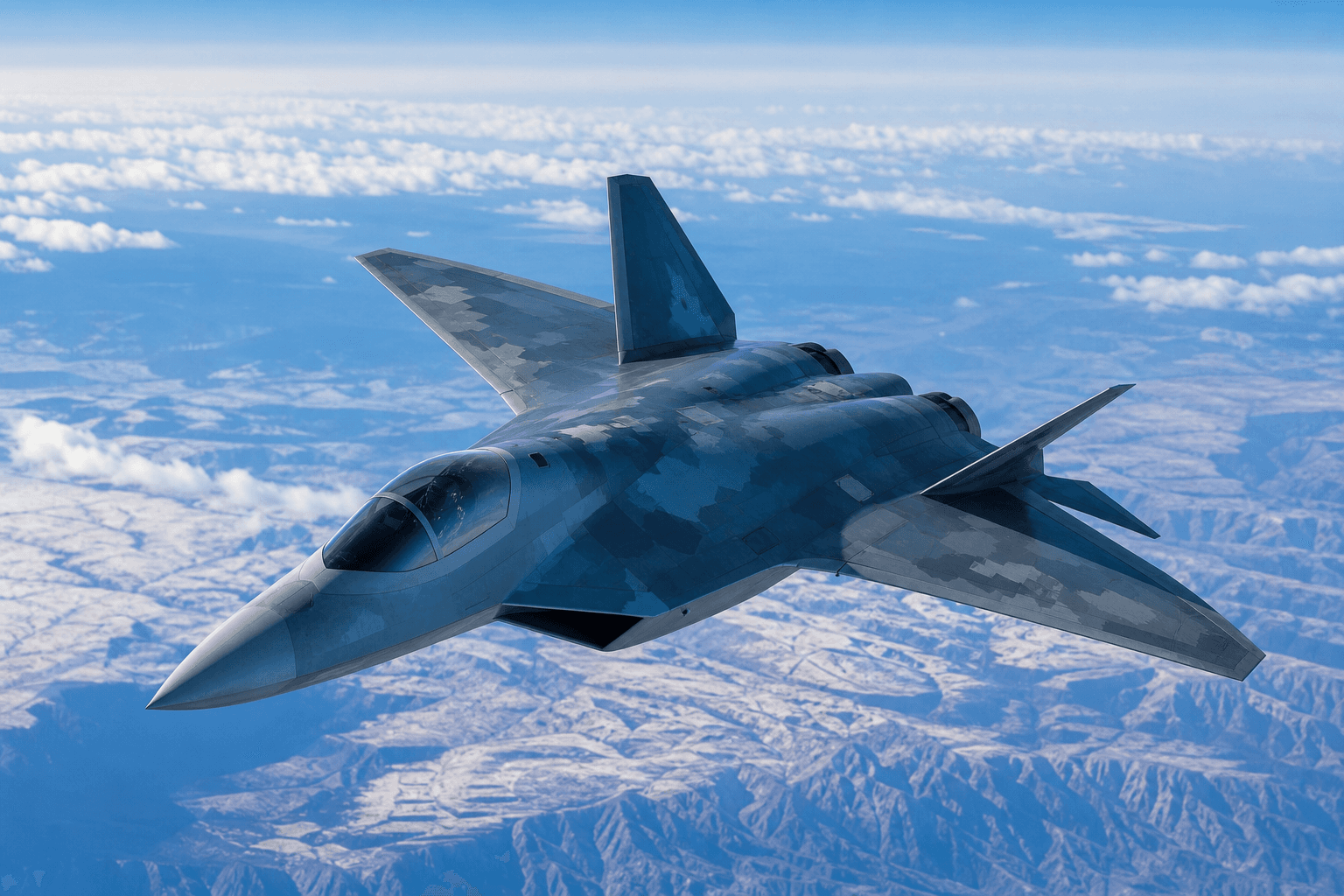
Illustration: The Touch & Go
US, China, and Europe Lead Race to Fly Sixth-Generation Fighters with Distinct Approaches
Sixth-generation fighter programs are advancing globally with varied designs and milestones, though definitions and public data remain opaque.
The gist
Sixth-generation fighters are taking shape worldwide, but the race is complex with varied designs, secrecy, and ambiguous definitions.
Continuing coverage
All Fighter Jets →- Developing Sixth-Generation Fighters Takes Decades Even for Superpowers
- France and Germany pivot defense strategy after joint fighter jet project collapse
- USAF Plans 267 F-15EX Fighters to Complement Growing F-35 Fleet as 'Missile Trucks'
- How the F-22's F119 Engine Overcame Long-Standing Fighter Jet Engine Trade-Offs
- Cathay Pacific A350 Intercepted by NATO Jets After Radio Silence Over Europe
The term sixth-generation fighter jet remains indeterminate, yet several countries are actively pursuing platforms they claim fit within this emerging class of combat aircraft. The United States, China, and a UK-Italy-Japan partnership are the key players publicly advancing their respective sixth-generation fighter projects. While stealth, sensor fusion, and networked operations are generally accepted hallmarks, no official checklist defines this generation, leading to diverse aircraft designs and development approaches under the same umbrella.
China shockingly unveiled tailless fighter jets, the Chengdu J-36 and Shenyang J-50, publicly in 2024. These aircraft feature innovative aerodynamic designs reminiscent of tailless concepts explored since World War II, but their classification as true sixth-generation fighters is debated. The J-36, larger and with three engines, has attracted more serious attention than the J-50, which some analysts consider closer to an advanced fifth-generation type. The degree of operational maturity and stealth qualities of these Chinese jets remain uncertain, fueling speculation about their developmental state.
The United States has a longer history of experimenting with tailless aircraft, dating back to the 1990s demonstrators like the McDonnell Douglas X-36. However, these early efforts were not considered sixth-generation due to less advanced sensor and networking capabilities at the time. More recently, classified US programs reportedly flew sixth-generation demonstrators as early as 2019, though no official details or images have been publicly released. The US is also developing discrete projects such as the F-47 and F/A-XX, with prototype flights slated for later this decade or early 2030s, indicating a sustained investment in next-generation fighter capabilities.
In an interesting twist, Northrop Grumman claims the B-21 Raider strategic bomber as the world's first operational sixth-generation combat aircraft. The B-21 first flew in 2023 and aims to enter service by 2027. While traditionally the generational classification applies only to fighter designs, Northrop touts the Raider's advanced stealth, networking, and strike capabilities as qualifying it for this designation. This suggests a potential convergence of fighter and bomber roles in future air combat, with platforms acting as networked command centers and multi-role assets within the battlespace.
European and Japanese-led programs like the GCAP/Tempest initiative have yet to achieve first flight but are scheduled to start demonstrator flights by 2027. These programs emphasize not only advanced technologies but also international collaboration among key allied stakeholders. The Tempest and related projects, which retain more conventional tail configurations, illustrate that sixth-generation fighters will not universally adopt tailless designs. Such diversity in profiles reflects differing doctrinal and operational priorities.
The ambiguity in defining what constitutes a sixth-generation fighter complicates comparisons. Criteria such as all-aspect stealth, sensor fusion, advanced networking, and optionally unmanned or optionally crewed operations vary in emphasis among nations. This makes it difficult to discern which aircraft truly represent quantum leaps versus evolutionary steps from existing fifth-generation jets. Furthermore, many programs are shrouded in secrecy inhibiting objective assessment based on publicly available data.
The pace of development is uneven too. China's public display of next-generation tail-less fighters in 2024 contrasts with the US's more clandestine approach and the more international collaborative but slower-maturing European efforts. Additionally, the Northrop B-21's relatively early operational timeline adds a fresh dimension to the generational equations by blending stealth bomber and fighter-like network roles.
As the race unfolds, distinguishing demonstrators from operational platforms is crucial. Programs like the US NGAD and upcoming F-47 aim to progress from technology demonstrators to fully operational combat aircraft over the next decade. The Chinese jets remain in demonstrator or prototype phases with unclear plans for transition. These milestones will ultimately define the practical arrival of sixth-generation capabilities on the global stage.
Read more
All Military/Defense →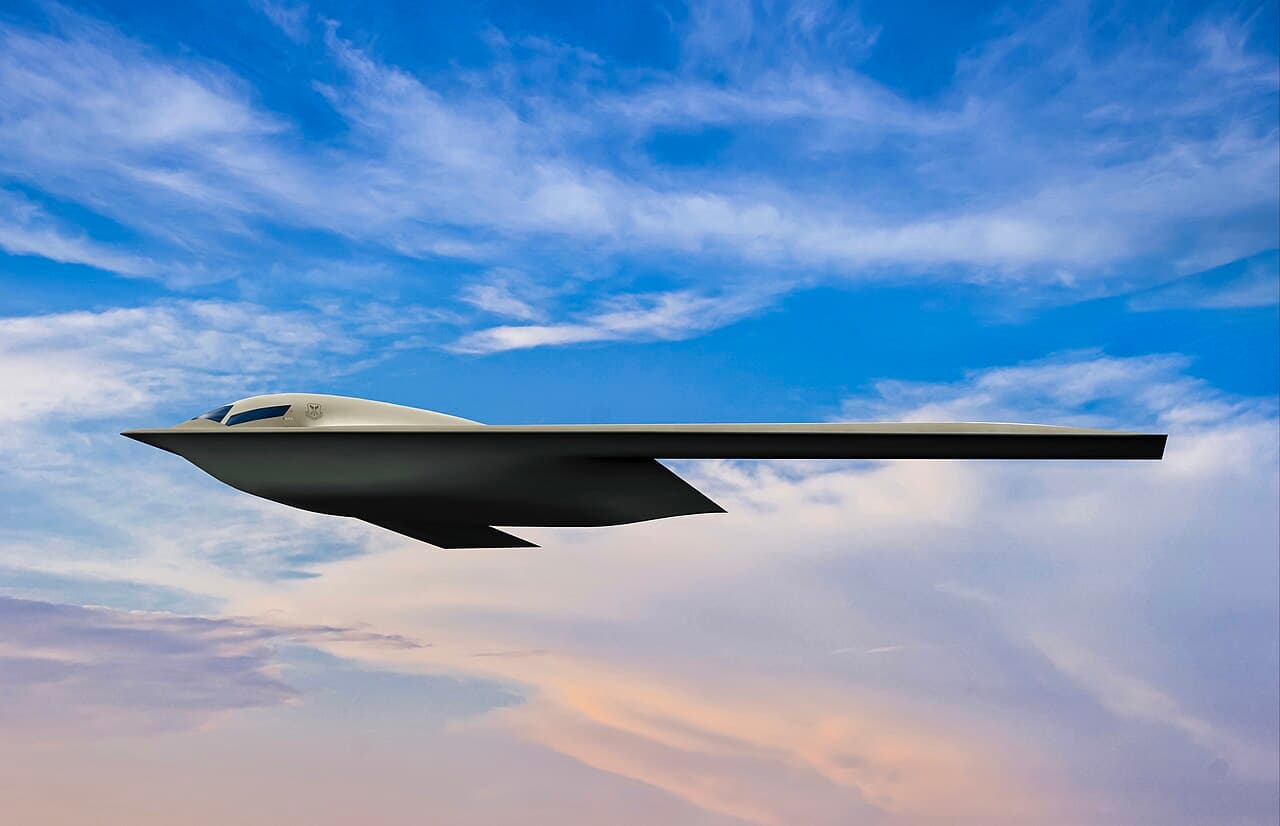
USAF to Convert B-21 Raider Test Jets Directly into Combat Bombers from 2027
The United States Air Force has a couple of test Northrop Grumman B-21 Raiders that are blurring the line between testing and fielding. The B-21 Raider is expected to enter service in 2027, making it the world's first all-new strategic bomber to enter service since the B-2 Spirit entered service in 1997. China is also working to develop its Xi'an H-20 stealthy strategic bomber, but it is unclear when it will enter service.
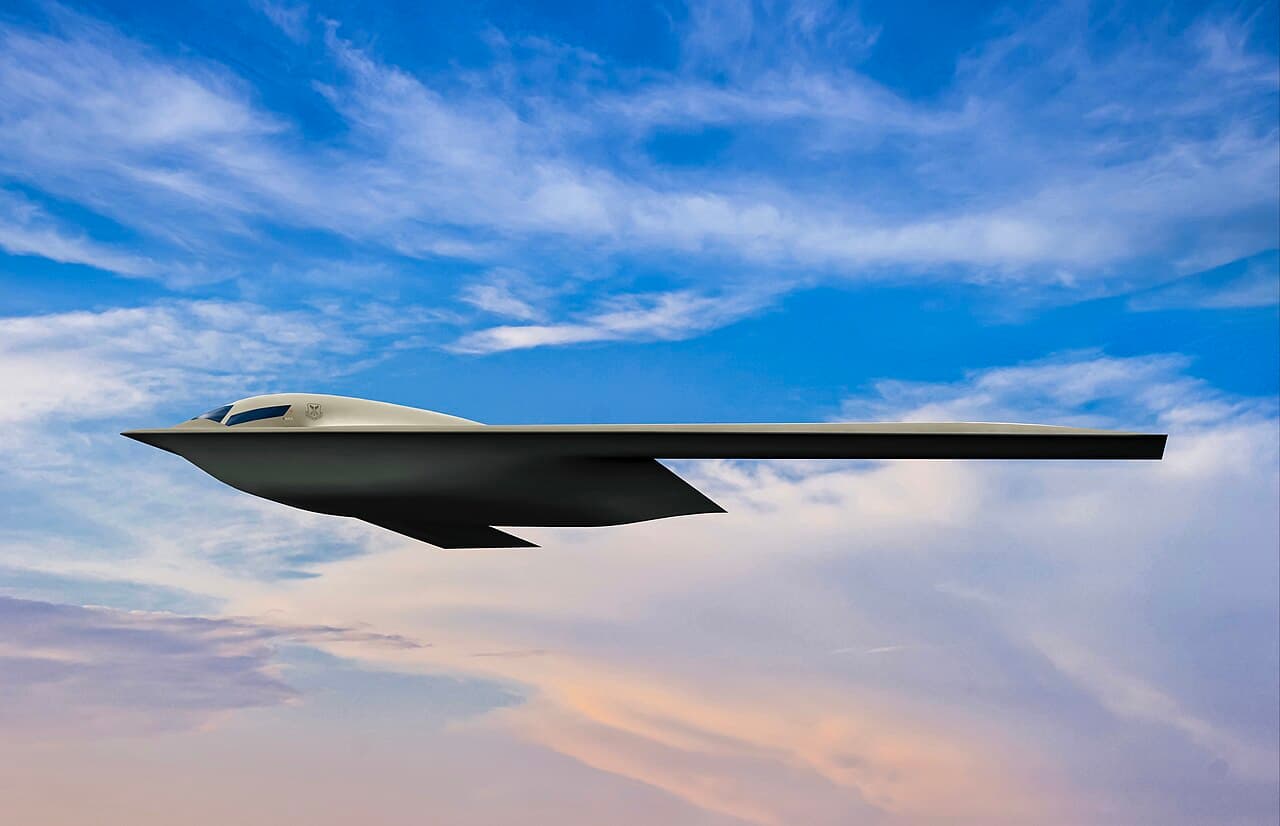
US Navy Admiral Advocates Doubling B-21 Raider Fleet to 200 Bombers for Pacific Defense
Commander of the US Navy Pacific Command, Admiral Samuel Paparo, has expressed support for the US Air Force to drastically increase its procurement plans for the Northrop Grumman B-21 Raider. The initial program goal was to build 100 of the world's first sixth-generation stealth bombers. Air Force leaders and lawmakers are already pushing to increase that number up to at least 145, with other advocates seeking 185. Now, the Navy is championing a fleet of 200 to strengthen the combined-arms strategy that makes joint operations between the different US service branches and regional allies.
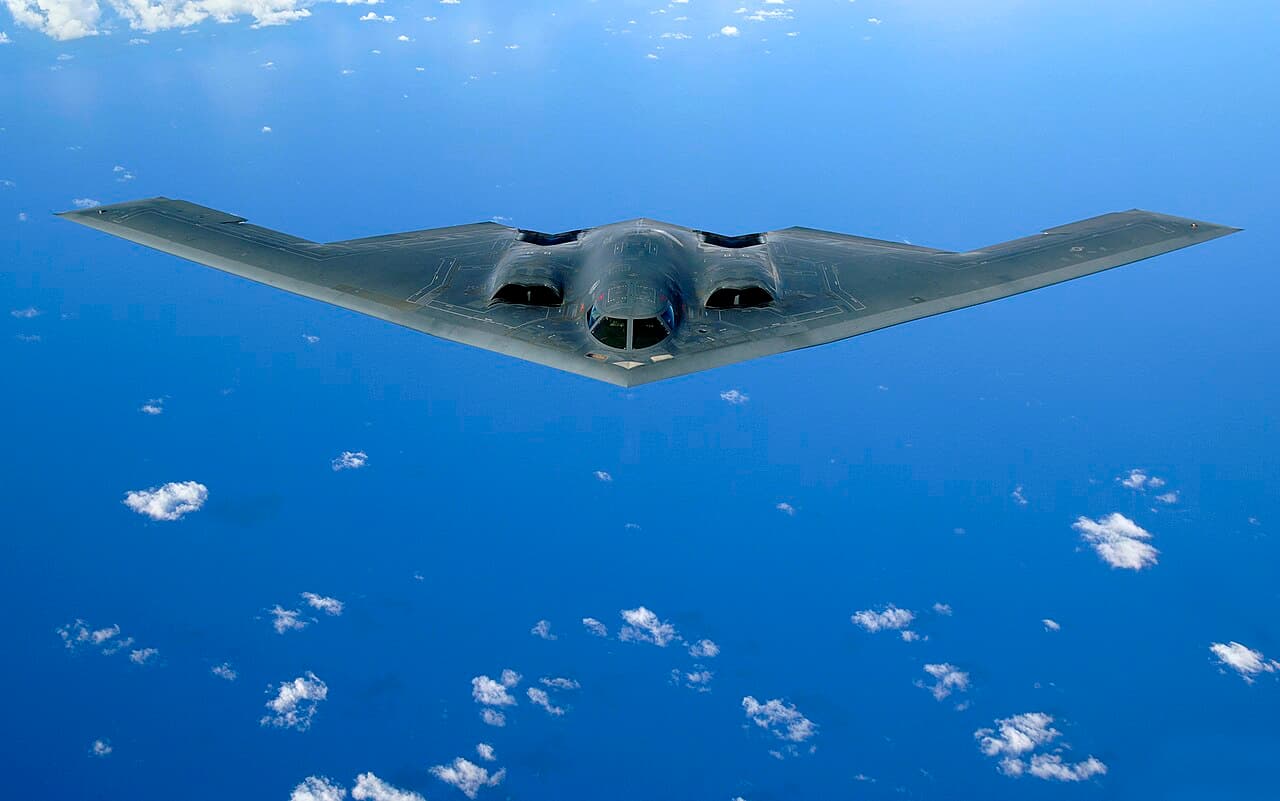
B-2 Spirit's Cockpit Design Enables 40-Hour Missions with Enhanced Pilot Endurance
Northrop Grumman B-2 Spirit air crews in the United States Air Force are well-known for flying some of history's longest missions. While a fighter jet measures a mission in minutes, the B-2 measures them in days . When a crew lifts off from Missouri, they aren't just heading to a target: they are entering a 40-hour physiological endurance test.
UK delays delivery of expanded F-35 fleet until early 2030s amid strategic and logistical challenges
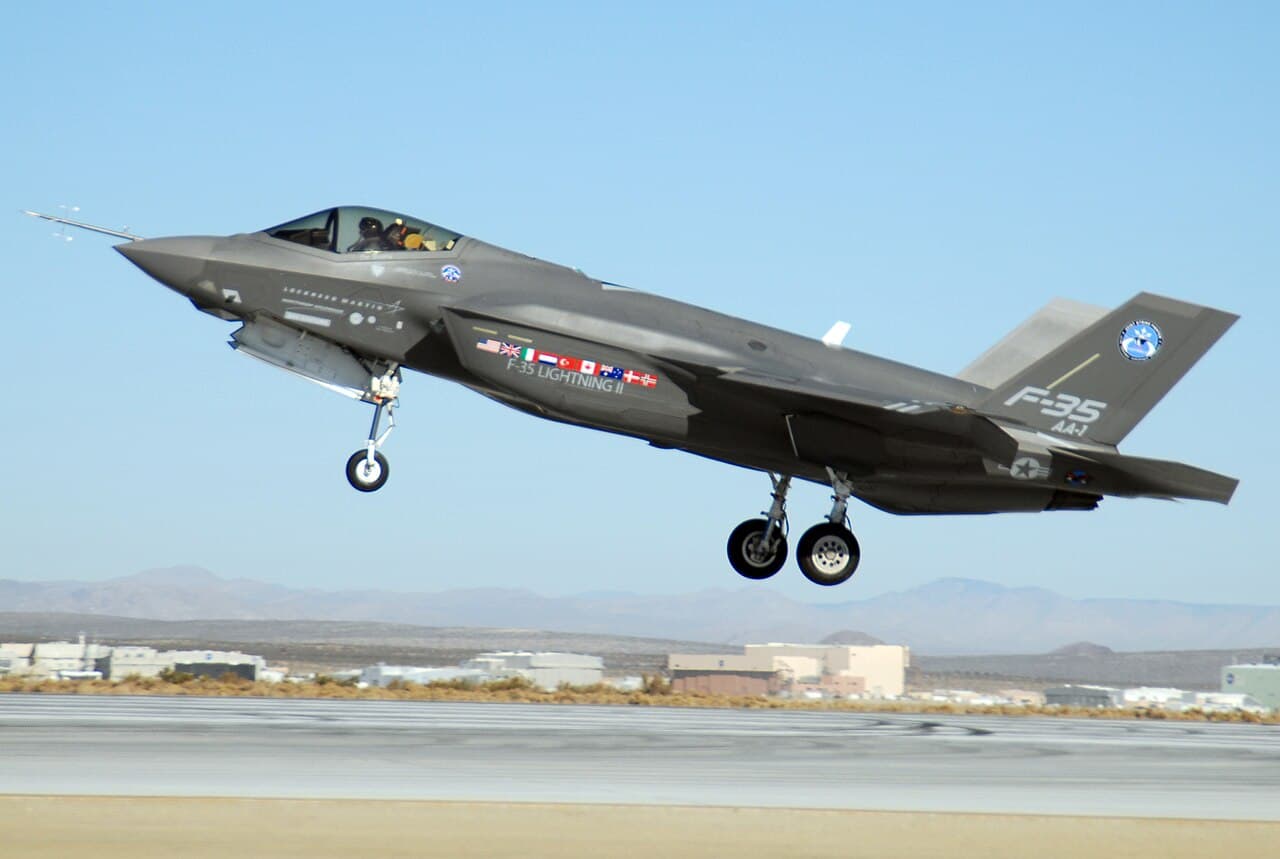
Due to severe worldwide backlog pressures within the F-35 Joint Program Office and a strategic procurement delay by the Ministry of Defense, the United Kingdom will not receive any new Lockheed Martin F-35 Lightning II jets from its enlarged fleet order until the early 2030s. The upcoming batch introduces the F-35A variant to the UK fleet for the first time, intended to fulfill NATO nuclear-sharing missions.
The Daily Touch & Go
The day's best aviation news in your inbox. Free, no spam.