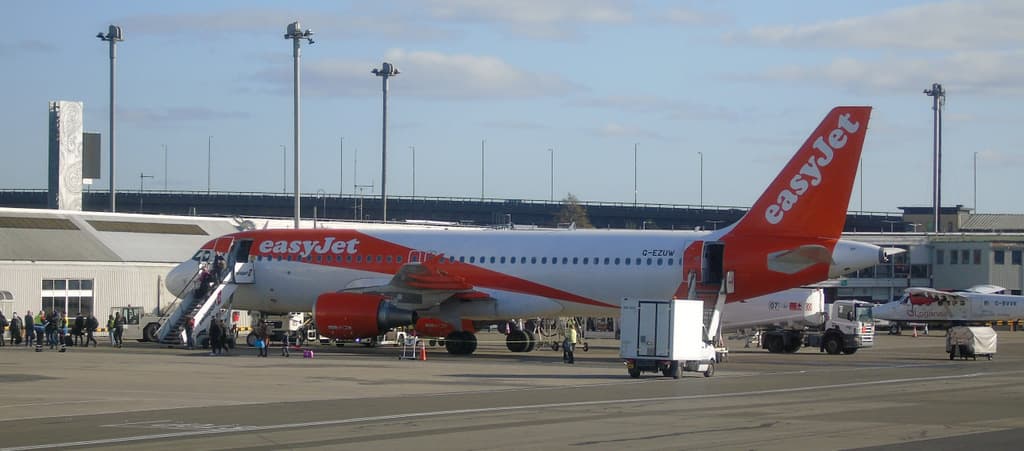
Image: Thomas Nugent · CC BY-SA 2.0 · via Wikimedia Commons
Investment Firm Castlelake Makes Three Increasing Bids to Acquire EasyJet Amid Board Resistance
Castlelake has offered EasyJet shareholders up to £6.25 per share in a non-binding proposal valuing the airline at £4.7 billion after rejected acquisition talks.
The gist
Castlelake pushes a £6.25-per-share bid to buy EasyJet, calling out board resistance and urging shareholders to consider the offer.
Continuing coverage
All Acquisition →- Joby Aviation to acquire Resonant Sciences for $500M to boost defense capabilities
- Apollo Agrees £5.7bn Bid to Acquire EasyJet After Castlelake Withdraws
- Apollo Global Management close to acquiring easyJet for $7.6 billion with growth plans
- easyJet board agrees in principle to Castlelake's £5.2 billion acquisition bid
Investment firm Castlelake has formally submitted three separate offers to acquire the entire share capital of UK-based budget airline EasyJet, with the latest bid valuing the company at approximately £4.7 billion ($6.2 billion). The proposals, made on 12, 17, and 20 June 2026 respectively, have escalated in value, reaching a peak cash offer of £6.25 per EasyJet share. This latest offer represents a 59% premium over EasyJet's share price at the end of May and 35% above its price prior to the recent geopolitical tensions initiated by the Iranian conflict.
Despite these escalating offers, EasyJet’s board has demonstrated what Castlelake describes as an 'unwillingness to engage meaningfully' with the investment firm. In response to this resistance, Castlelake has publicly released details of its third offer ahead of a self-imposed deadline of 26 June, aiming to enable EasyJet shareholders to assess and provide feedback on the proposal’s potential benefits. The investment firm emphasized the value proposition of their offer, highlighting its ability to de-risk EasyJet’s existing business plan substantially.
The acquisition proposal by Castlelake is structured as a full-cash offer to shareholders, although the firm also intends to provide an alternative partial-equity option. This arrangement would allow shareholders wishing to retain a stake in the airline to opt for equity participation, albeit subject to maximum participation limits and restrictions on the transferability of those shares. The firm positions this flexibility as a means to accommodate diverse shareholder preferences amid the proposed transaction.
Funding for the acquisition is planned to be fully secured through a mix of committed equity from funds managed by Castlelake and debt financing. Notably, financial advisors Goldman Sachs have expressed strong confidence in their ability to arrange the necessary debt facilities, signaling robust financial backing for the bid. Castlelake underscores that following completion, the capital structure of the combined entity would remain strong and well-capitalized, ensuring ample liquidity for operational and strategic investments.
The firm asserts that the post-acquisition EasyJet would preserve financial flexibility and the capacity to continue investing in core business areas and pursue growth opportunities. This claim suggests Castlelake’s intent to maintain EasyJet’s competitive positioning within the highly contested European low-cost carrier market, which has experienced considerable volatility and operational challenges in recent years.
EasyJet itself is a major player in the budget airline sector, with a significant presence across European routes. The proposed acquisition comes at a time when the aviation industry faces evolving dynamics including fleet modernization, fluctuating fuel costs, and geopolitical uncertainties. Castlelake’s approach, despite the board’s resistance, indicates a strategic move to consolidate value in the budget carrier segment.
The magnitude of the premium offered compared to EasyJet’s recent trading price and the timing amid geopolitical disruptions present a complex environment for shareholders to evaluate. While the board’s reluctance to engage may stem from differing views on the airline’s strategic direction or valuation, Castlelake is urging shareholders to weigh the tangible financial benefits of accepting the bid against the uncertainties of continuing independently.
This acquisition proposal highlights the ongoing strategic interest in airline market consolidation, particularly in the budget sector where scale, cost efficiency, and network connectivity are critical success factors. Castlelake’s willingness to accommodate shareholder equity retention suggests a nuanced strategy to retain stakeholder involvement post-deal, potentially facilitating smoother transition and ongoing corporate governance.
As the 26 June deadline looms, EasyJet shareholders will face a pivotal decision with significant implications for the airline’s ownership structure and future operations. Castlelake’s public disclosure of its latest offer heightens pressure on the airline’s leadership to engage productively or risk shareholders making independent evaluations of the bid’s merits.
Read more
All Airlines →
American Airlines Bans Humanoid Robots From All Flights Citing Safety Risks
Fort Worth-based American Airlines has issued an internal policy update for employees, which prohibits staff and passengers from bringing human-like and animal-like robots on board . They will be officially banned from being taken into the cabin, and even in checked luggage, immediately. The email that outlined the policy update strictly states that the humanoids will not be allowed even if they have purchased a separate seat .
Air Canada Picks 16 Airbus A350-1000s Over Delayed Boeing 777X for Long-Haul Fleet Renewal
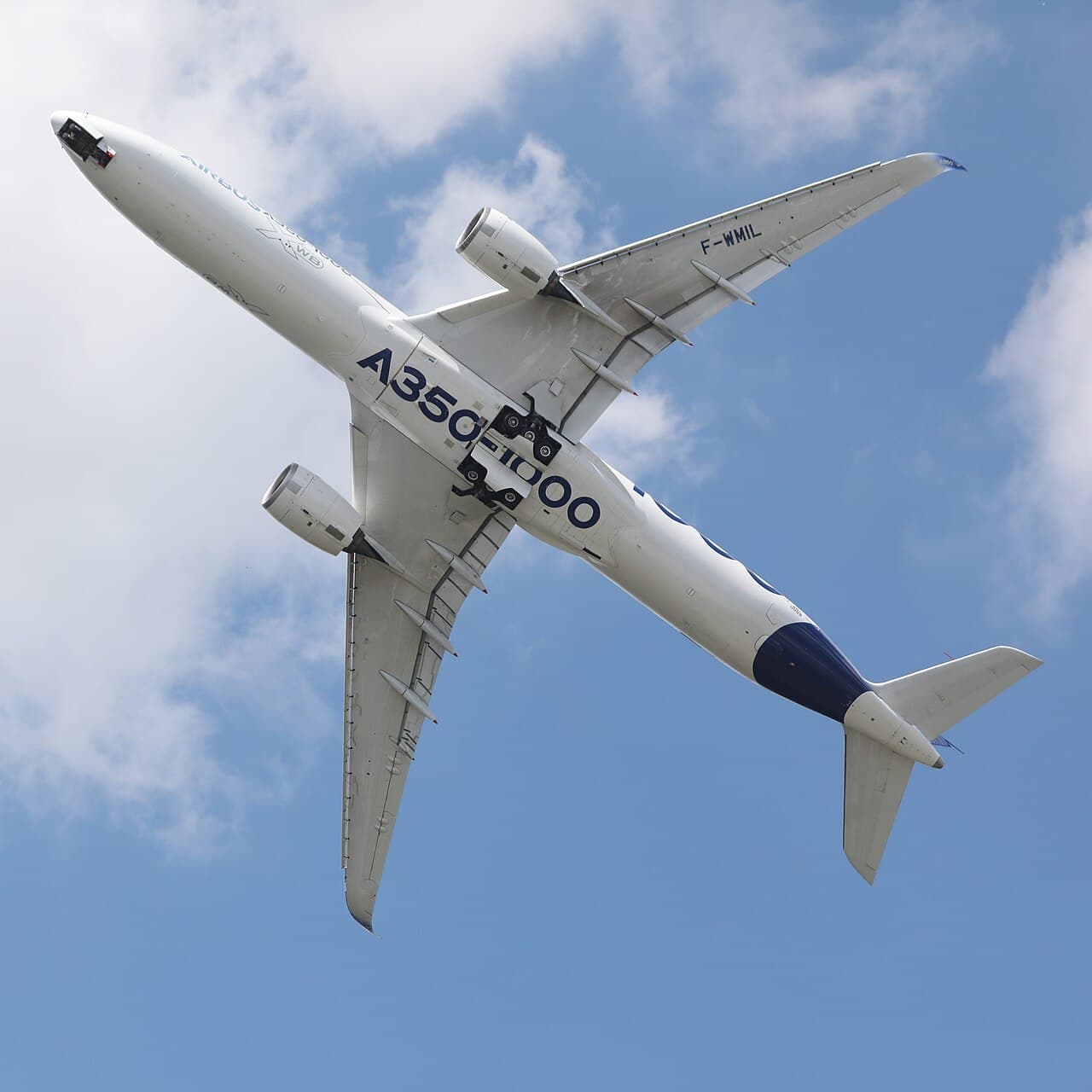
For nearly two decades, the Boeing 777-300ER has been at the very heart of Canada's flagship carrier, dominating long-haul routes from Toronto Pearson International Airport (YYZ) and Vancouver International Airport (YVR) across the Pacific and Atlantic oceans. When it came time to plan its flagship fleet successor for the decade ahead, Air Canada turned away from Seattle and placed its faith in the rival company Airbus . The airline confirmed a firm commitment for eight Airbus A350-1000s , with purchase rights for eight additional aircraft, bypassing Boeing's delayed 777X program to opt for European composite-twin technology for its next era of international expansion.
Modern jet engines cut commercial aircraft fuel burn by up to 15 percent over predecessors
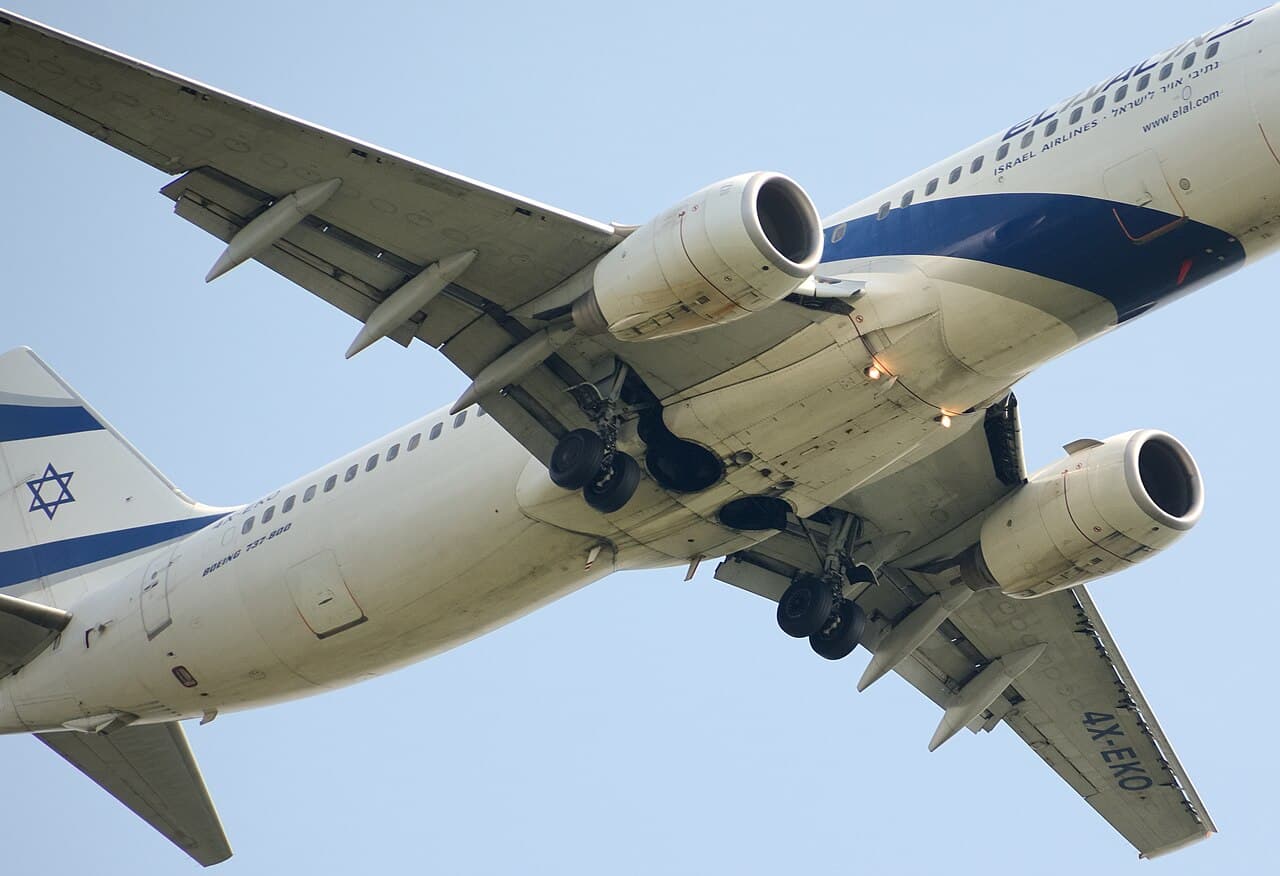
The primary driver of aircraft efficiency today is the engines. While advances in aerodynamics and materials do cut down on fuel burn as well, the engine is the main determinant as to how much fuel an aircraft burns, and older planes equipped with new engines tend to be more than competitive against a clean-sheet aircraft. During the start of the Jet Age, manufacturers were primarily focused on increasing power, with fuel efficiency being a second priority, but as technology has developed, this has changed.
BOC Aviation, Avolon, SMBC and AerCap Dominate Global Widebody Leasing Market
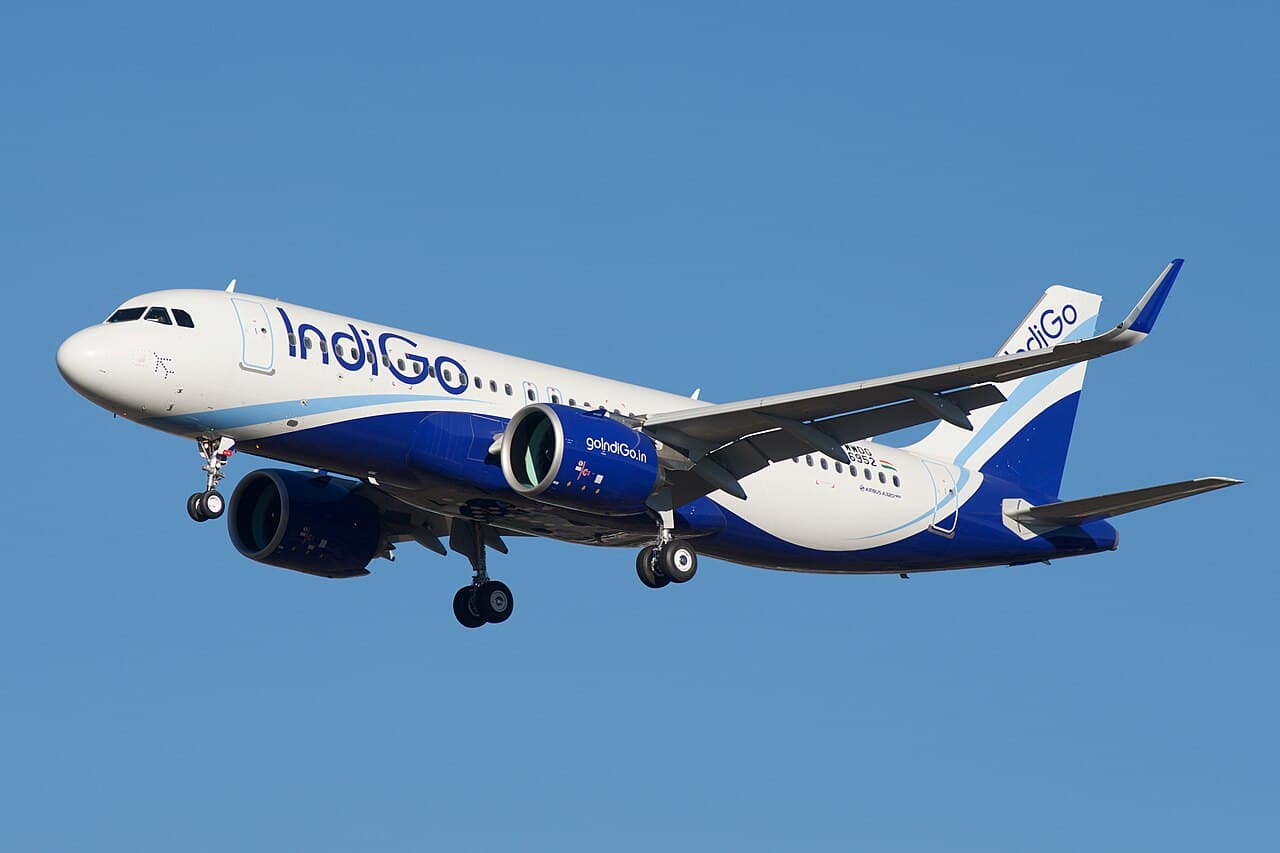
Approximately half of all commercial aircraft in service worldwide are operated on lease rather than owned outright by the airline flying them. When a passenger boards a Delta Air Lines Airbus A330-900neo or a Ryanair Boeing 737 MAX 8, there is roughly a 50% chance that the aircraft belongs to a leasing company that purchased it from Airbus or Boeing and leases it to the airline under a long-term contract. The airline pays a monthly lease rate, operates the aircraft on its own routes with its own crews, and returns it to the lessor at the end of the term. The lessor retains ownership throughout and places the aircraft with another operator when the lease expires.
The Daily Touch & Go
The day's best aviation news in your inbox. Free, no spam.