

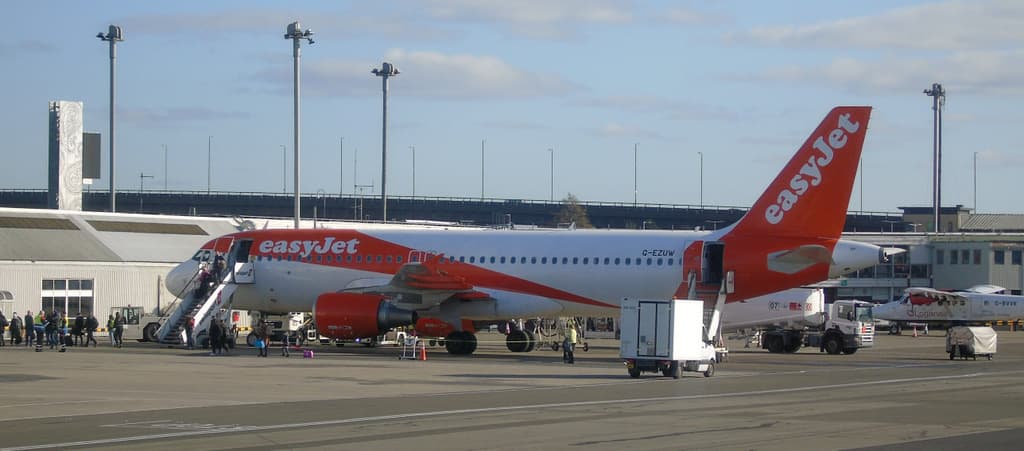
Image: Thomas Nugent · CC BY-SA 2.0 · via Wikimedia Commons
EasyJet rejects Castlelake's £6.25 per share takeover bid as undervaluing the airline
EasyJet dismisses Castlelake's third takeover proposal as opportunistic and urges shareholders to take no action amid a temporarily depressed share price.
The gist
EasyJet calls Castlelake’s £6.25/share offer opportunistic and undervalued, advising shareholders against accepting the bid.
Continuing coverage
All Castlelake →- Apollo Agrees £5.7bn Bid to Acquire EasyJet After Castlelake Withdraws
- Apollo and Castlelake Duel to Take easyJet Private in Multi-Billion Pound Bids
- Apollo Global Management Tops Castlelake with $7.26B EasyJet Takeover Bid
- EasyJet Accepts $7.3 Billion Takeover Bid from Castlelake
- US Firm Castlelake Plans £5.5B Takeover of easyJet, Raising Fleet and Route Questions
EasyJet has firmly rejected a third takeover bid from investment firm Castlelake, labeling the proposal as an opportunistic attempt to acquire the UK budget airline on the cheap. The offer, valuing EasyJet shares at £6.25, follows two prior approaches from Castlelake, both also declined unanimously by EasyJet’s board. The airline warns shareholders against taking any action regarding this latest proposal, reinforcing its stance that the bid significantly undervalues the company and ignores its future prospects.
The bid structure outlined by Castlelake involves a holding vehicle that would be 51% owned by European Union nationals and 49% by Castlelake itself. This arrangement has raised concerns with EasyJet’s board, which described the ownership framework as opaque. Moreover, the board highlighted substantial reservations regarding the proposal’s elevated financial leverage and conditional terms, which could pose risks to the airline’s financial stability and governance.
EasyJet’s rejection of Castlelake’s offer is grounded in the airline’s assessment that the current share price—used as the basis for valuation—is temporarily depressed due to external geopolitical events, notably the conflict in the Middle East. The board asserts that Castlelake’s analysis fails to adequately reflect EasyJet’s strong balance sheet, robust capital structure, and the company’s medium-term growth prospects. The lack of an adequate control premium in the bid further undermines its attractiveness to shareholders.
The UK budget carrier has strenuously emphasized the mismatch between Castlelake’s proposal and EasyJet’s intrinsic value. Acknowledging the challenges facing the airline industry, EasyJet maintains a confident outlook on its recovery and potential. The rejection signals the board’s commitment to safeguarding shareholder value against bids driven by short-term market fluctuations rather than long-term strategic fundamentals.
This development follows a pattern of reluctance from EasyJet toward acquisition overtures from Castlelake. By going public with its third bid, Castlelake attempted to pressure the airline into engagement, suggesting EasyJet has been unwilling to enter detailed discussions about a potential takeover. EasyJet counters this narrative by reaffirming its thorough consideration of the proposal and its determination that it does not serve the company’s or shareholders’ best interests.
The valuation dispute between EasyJet and Castlelake underscores the tensions often inherent in takeover attempts involving airlines facing turbulent market conditions. EasyJet’s rejection highlights the challenges buyers face in persuading boards that their valuations reflect true enterprise value, especially when external factors temporarily suppress share prices. The insistence on a balanced approach to control and financial leverage also points to governance considerations critical to airline boards when reviewing bids.
By advising shareholders to take no action, EasyJet seeks to maintain stability amid unsolicited interest. The board’s communication aims to avoid unnecessary speculation or shareholder confusion, ensuring that any decision regarding potential offers is carefully considered and aligned with the company’s strategic vision. This measured stance amidst a complex bid environment is characteristic of the company’s focus on long-term value preservation.
Overall, EasyJet’s outright refusal of Castlelake’s latest takeover bid reflects confidence in its operational and financial position despite market uncertainties. The airline continues to prioritize consistent shareholder returns and prudent capital management over short-term transactional gains. This episode adds to the ongoing dialogue about ownership dynamics within the European budget airline segment and the challenges of reconciling market valuations with intrinsic airline value in uncertain geopolitical contexts.
Read more
All Airlines →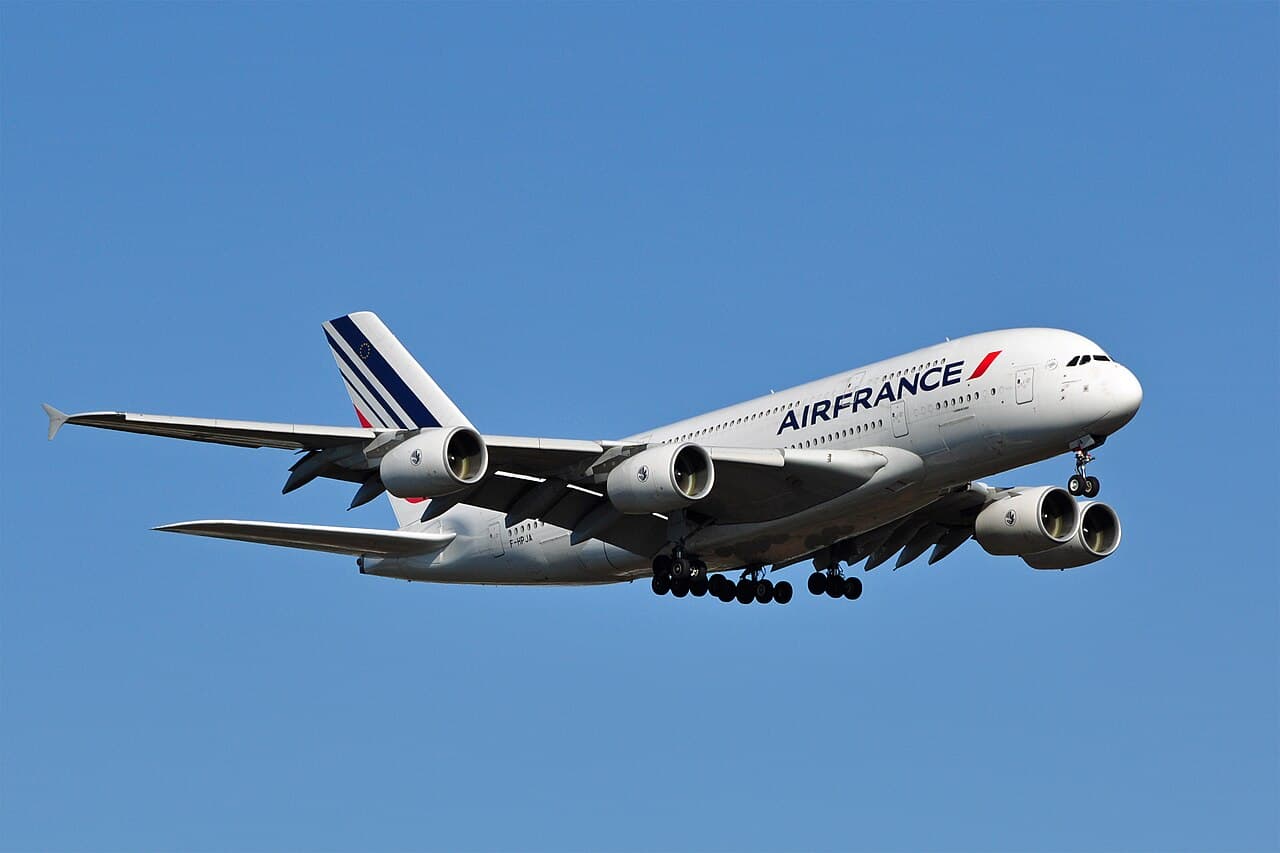
Airbus A380 First Class Cabins Set to Evolve With Unique Luxuries by 2026
The Airbus A380 is one of the most iconic and striking aircraft of the 21st century, with its double-deck design and quadjet configuration making it one of the world's most visually distinctive airliners. Meanwhile, passengers love its spacious cabin, low noise levels, and smooth ride, while carriers introduced innovative new premium cabins when they took delivery of these planes. Although few are in service, the A380 is one of the few commercial aircraft types to transcend the aviation industry and become a cultural icon.
AirAsia Group Cuts Q3 Flight Capacity by 20-25% Amid Rising Fuel Costs
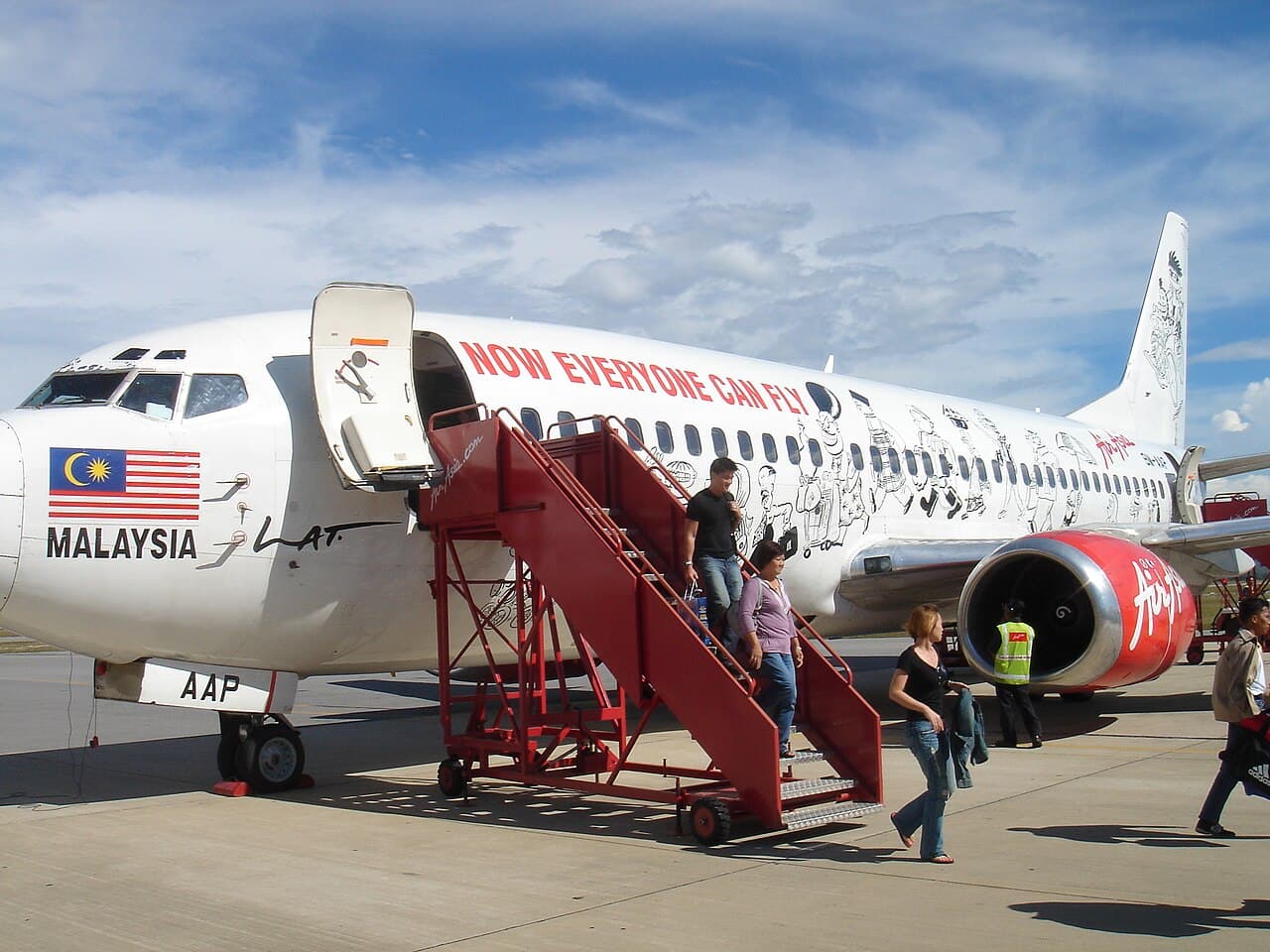
AirAsia Group is scaling back its third-quarter 2026 flight capacity. The low-cost carrier plans a 20% to 25% year-on-year reduction. This move follows a sharp rise in jet fuel expenses during the second quarter. ezstandalone.cmd.push(function () { ezstandalone.showAds(119); }); High Fuel Prices Drive Losses In the quarter ended 30 June 2026, average jet fuel prices hit US$183 per barrel. Fuel costs jumped 58% compared with the same period a year earlier. Geopolitical tensions in the Middle East pushed energy markets higher and created volatility. These higher costs contributed to a significant net loss for the group. AirAsia Group reported a loss of roughly RM527 million attributable to owners. ezstandalone.cmd.push(function () { ezstandalone.showAds(127); }); Broader group figures, including foreign exchange impacts, reached about RM830 million. Revenue stayed near RM5.1 billion. This held steady even though the airline cut capacity by about 11% in the second quarter. Management used dynamic pricing and fuel surcharges to recover around 70% of the extra fuel burden. Average fares rose more than 20% in May and June. Non-fuel unit costs also fell 7%. Still, the quarter marked a clear low point. ezstandalone.cmd.push(function () { ezstandalone.showAds(128); }); Group CEO Bo Lingam called it the “floor quarter.” Photo Credit: Gatwick Airport Why Capacity Is Being Reduced Now The third quarter is traditionally the softest period for regional travel in Southeast Asia. AirAsia Group is taking a cautious approach. It will trim capacity by 20% to 25% year-on-year. The goal is to protect margins and ensure every flight meets strict profitability targets. ezstandalone.cmd.push(function () { ezstandalone.showAds(129); }); The airline expects to restore capacity toward pre-war levels in the fourth quarter. Year-end holiday demand should support higher yields across its ASEAN network. Forward bookings already track in line with the previous year. Supporting Measures and Outlook AirAsia is also returning 25 older, less fuel-efficient aircraft this year. This reduces lease costs and improves overall fleet efficiency. Newer aircraft, including future A220 and A321XLR deliveries, will support longer-term growth from 2028 onward. The group is advancing talks for up to US$1 billion in funding and additional local facilities. These steps aim to strengthen liquidity after the difficult second quarter. ezstandalone.cmd.push(function () { ezstandalone.showAds(130); }); Bo Lingam noted that jet fuel prices are unlikely to stay at the extreme US$183 average seen in the second quarter. As fuel costs ease and higher fare levels remain in place, unit economics should improve. Short-haul operations in Malaysia and Cambodia stayed profitable. Thailand is expected to narrow losses in the third quarter and return to profit in the fourth. Photo Credit: Kentaro Iemoto from Tokyo, Japan, CC BY-SA 2.0, via Wikimedia Commons Implications for Travellers and the Industry Passengers may see fewer flights on some routes during the third quarter. Fares could stay elevated in the near term as the airline continues to manage costs. However, the planned capacity recovery in the fourth quarter should expand options again for peak season travel. ezstandalone.cmd.push(function () { ezstandalone.showAds(131); }); The situation highlights the vulnerability of unhedged airlines to sudden fuel spikes. AirAsia’s response prioritises yield over volume. It focuses on network discipline, cost control and selective capacity management. Analysts generally view the second quarter as the trough. Many expect a clearer recovery path in the second half of 2026 if fuel prices continue to moderate. The group’s ability to pass through a large share of cost increases while maintaining solid load factors of around 80% shows underlying demand remains resilient across its core markets. ezstandalone.cmd.push(function () { ezstandalone.showAds(132); }); AirAsia Group’s latest actions reflect a pragmatic response to elevated fuel costs. By cutting capacity temporarily and optimising its fleet, the airline aims to stabilise performance and position itself for stronger results later in the year.
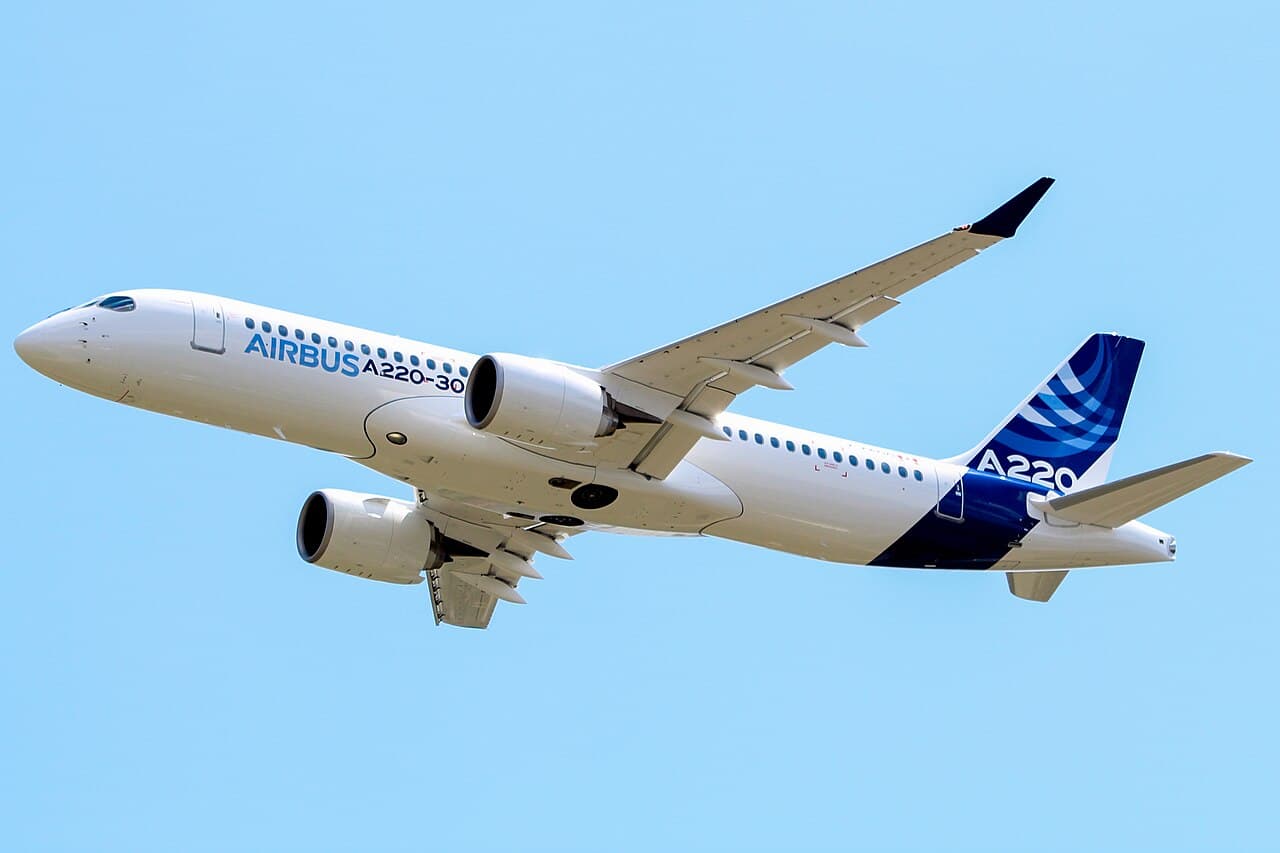
Breeze Airways Passengers Removed in Bangor After Police Threaten No-Fly List
Police boarded a Breeze Airways Airbus A220 in Bangor, Maine and ordered a group of passengers including a parent with a toddler off the aircraft. One officer offered them a choice: leave voluntarily or get arrested and placed on the no-fly list.
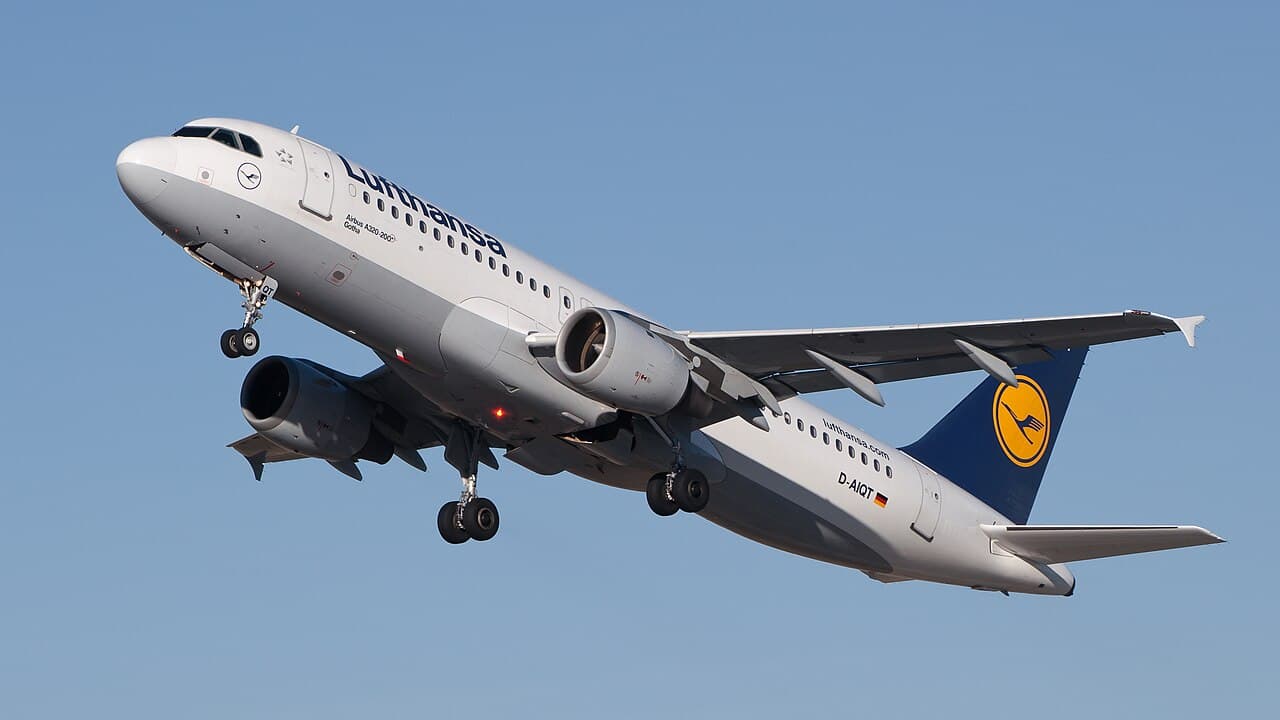
Lufthansa Introduces Economy Amenity Kits on Long-Haul Flights as Part of Service Upgrade
Passengers traveling long-haul with German flag carrier Lufthansa will be treated to a new amenity kit , with the new branded pouch containing an eye mask and earplugs. This upgrade for economy class passengers is a notable improvement from what they received before, which was nothing.
The Daily Touch & Go
The day's best aviation news in your inbox. Free, no spam.