

Illustration: The Touch & Go
Ethiopian Airlines integrates De Havilland DHC-6 300-G to enhance domestic connectivity
The carrier has introduced the first of two DHC-6 300-G Twin Otter turboprops to boost tourism and serve remote Ethiopian destinations with versatile operations.
The gist
Ethiopian Airlines adds the upgraded De Havilland DHC-6 300-G to its fleet, targeting tourism and remote domestic routes.
Continuing coverage
All Domestic Routes →- Air Canada Deploys Airbus A220 on Multiple Nearly Seven-Hour Flights Across North America
- VietJet Plans New Low-Cost Australian Airline with Boeing 737 MAX Fleet
- Ethiopian Airlines Introduces DHC-6 Twin Otters to Enhance Rural Connectivity
- Turkish Airlines Operates Unique 492-Seat Boeing 777 on Short Domestic Routes
- Porter Airlines Unveils 15 New Domestic Routes, Expands Montreal Hub Operations
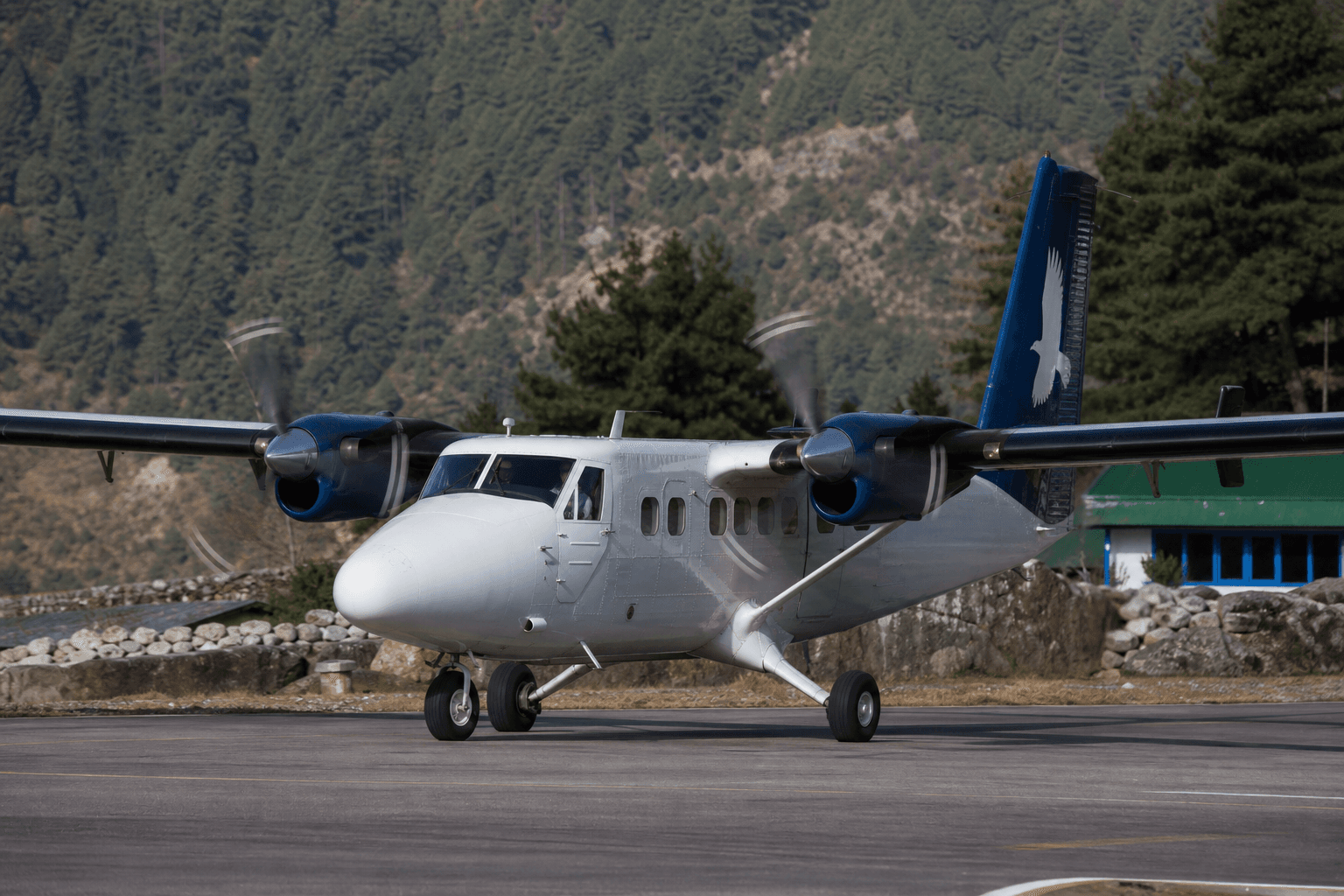
Ethiopian Airlines has incorporated the De Havilland DHC-6 300-G turboprop into its fleet, receiving the first of two aircraft designed to enhance its domestic route network. This acquisition reflects the airline's intent to expand service to remote regions within Ethiopia, improving accessibility and supporting tourism development. The 300-G model is an upgraded variant of the classic Twin Otter, renowned for its short takeoff and landing capabilities, making it especially suitable for the varied terrain of Ethiopia.
The Ethiopian Airlines chief executive, Mesfin Tasew, emphasized the strategic role the new aircraft will play in tourism charter operations while also supporting various other activities. Among these is airport calibration work, showcasing the aircraft’s versatility beyond passenger transport. The airline’s focus remains steadfast on promoting tourism and ensuring essential air services that connect more isolated areas across the country.
De Havilland highlighted the Twin Otter’s reputation as a reliable and adaptable airframe capable of undertaking diverse missions. The 300-G iteration retains hallmark features such as the ability to become airborne within 1,200 feet, a crucial advantage for serving short or unimproved runways found in Ethiopia’s remote destinations. Enhancements include the integration of a modern Garmin G1000 cockpit system, lightweight seating to maximize payload, and upgraded electrical systems, all contributing to operational efficiency.
The structural improvements made on the 300-G have resulted in a more robust and durable aircraft, exhibiting an evolved cabin design with fewer parts to streamline maintenance. Its reduced weight compared to earlier Twin Otter versions allows for a greater payload capacity, directly benefiting airlines operating in constrained environments. This makes the 300-G an ideal candidate for Ethiopian’s strategic goals of providing reliable connectivity and fostering tourism expansion.
Powering the DHC-6 300-G is the Pratt & Whitney Canada PT6A engine, available in two versions; Ethiopian Airlines has options that include the -34 model optimized for extreme operating environments. This engine flexibility enables the aircraft to perform reliably under challenging conditions, reinforcing its suitability for Ethiopia’s diverse climate and geographic profiles.
Ethiopian’s decision to deploy the DHC-6 300-G comes amid ongoing efforts to modernize and diversify its fleet with aircraft types aligned to operational needs. The Twin Otter’s established legacy of STOL performance combined with modern upgrades positions it well to support regional and domestic services. These services are critical to bridging connectivity gaps within Ethiopia, a country where road infrastructure can limit travel speed and frequency.
By introducing the 300-G, Ethiopian Airlines is not only enhancing its tourism charter capabilities but also confirming its commitment to serving less accessible airfields with safe and reliable air transport. The aircraft’s operational flexibility lends itself to multiple use cases, supporting growth in passenger numbers and potentially improving cargo and air service calibration operations as well.
The integration of the DHC-6 300-G into Ethiopian Airlines’ fleet represents a strategic milestone in extending aviation reach domestically. It underscores the airline’s role in opening up Ethiopia’s remote regions to visitors and economic development. The airline has underscored the 300-G’s characteristics as instrumental in meeting its dual objectives of tourism promotion and essential air connectivity.
As Ethiopian Airlines continues to balance fleet modernization with operational demands, the addition of the 300-G Twin Otter variant reinforces its adaptability to the country’s unique aviation challenges. The aircraft’s short takeoff and landing performance, upgraded avionics, and robust design ensure that it can reliably support multiple mission profiles in one of Africa’s fastest-growing aviation markets.
Read more
All Airlines →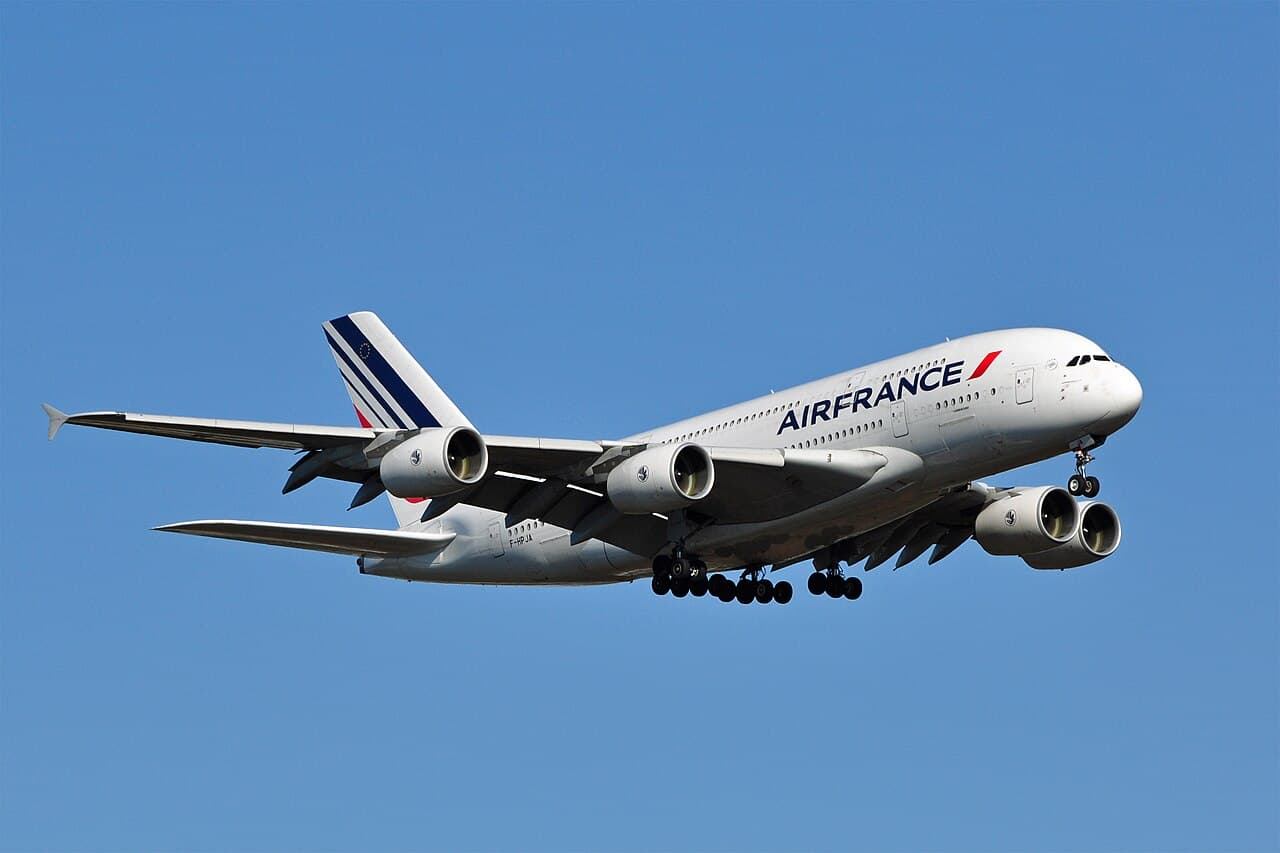
Top 5 Airlines Offering the Most Luxurious First Class Suites in 2026
The first class cabin is always seen as the ultimate in luxury with lavish features that many can only dream of. Business class has evolved into a more extensive product, with lie-flat beds and now private suites, and with more business class products than ever, first class has become more exclusive and somewhat rare on long-haul international flights.
Boeing 777-300ER Revolutionized Long-Haul Air Travel with Twin-Engine Efficiency
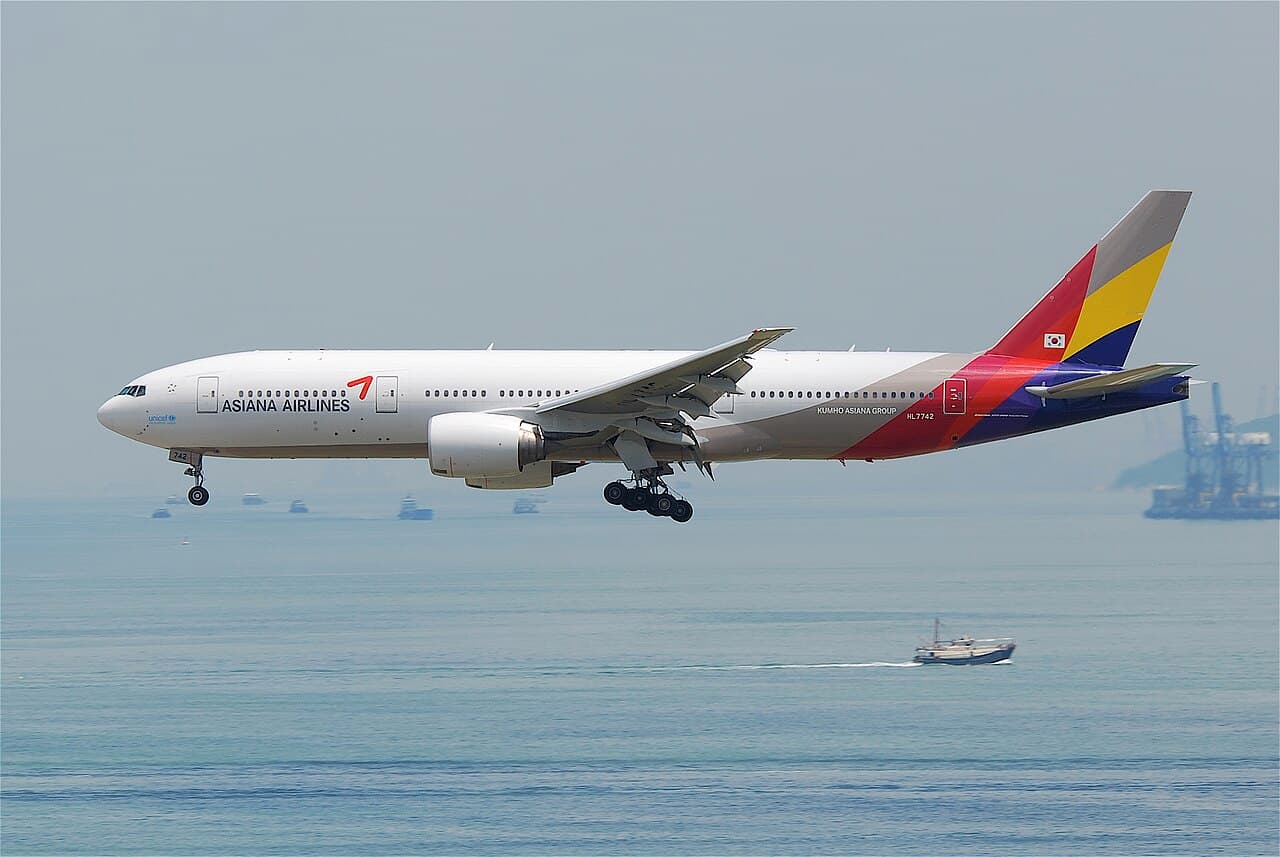
The 777 succeeded Boeing's first widebody twinjet, the 767 , and showed the world just how great the platform could be for both the economics of the notoriously volatile flying business and the satisfaction of flyers. The success of the 777 series directly contributed to the end of its larger quadjet predecessor, the 747.
Air Canada launches new long-haul routes to Tenerife and Sapporo for 2026/27 winter
Air Canada has been steadily expanding its international network in recent years. The airline has added several new destinations so far this year and increased its presence across leisure markets. It is continuing this expansion with more additions for the 2026/27 winter season .
Airbus Surpasses 1,000 Net Orders in 2026 Following Strong July Demand
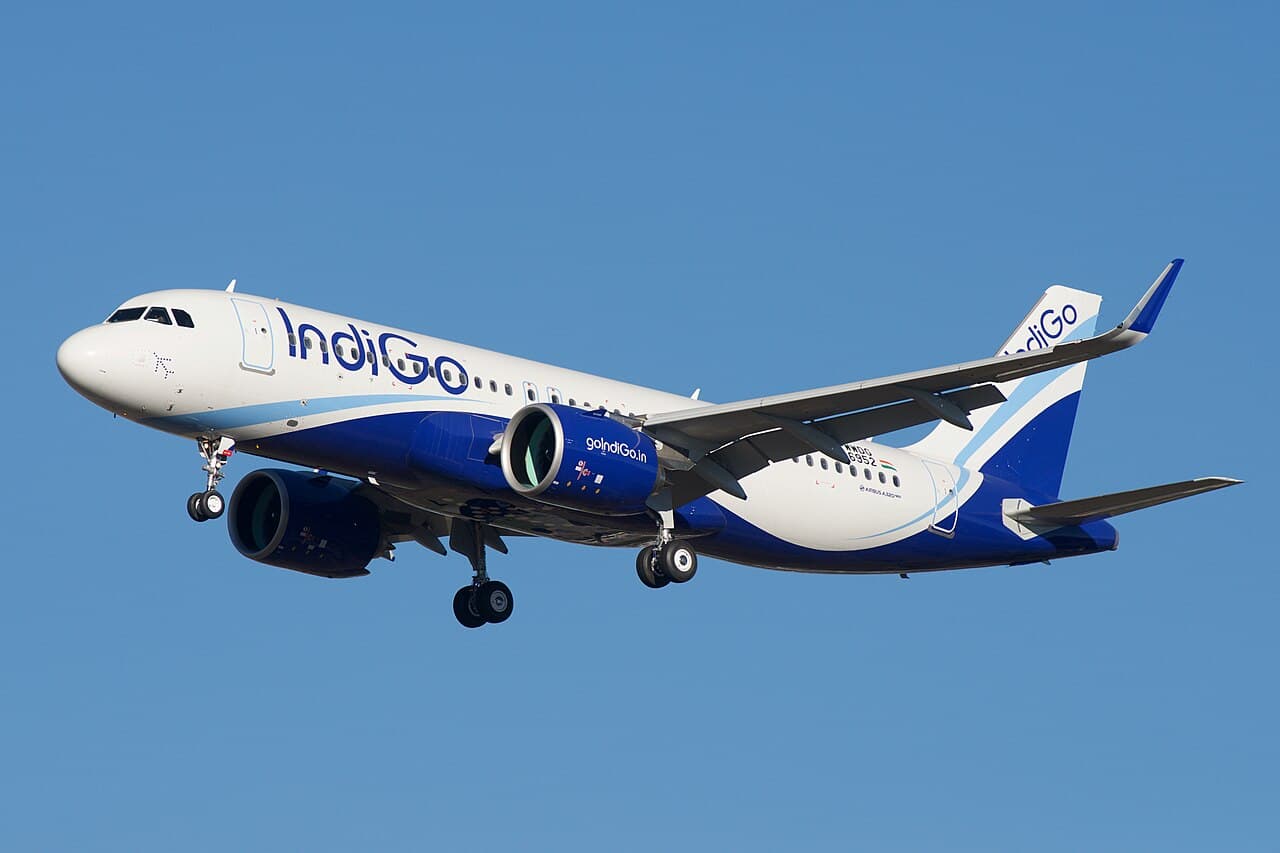
Airframer nearly halfway to delivery target after handing over 67 aircraft in July. Airbus's net orders for this year have surpassed 1,000 after the airframer added more than 200 to its total during July. It has confirmed China Eastern Airlines' order for 25 A330-900s and Hainan Airlines' agreement for 40 A320neo-family aircraft in the airframer's latest backlog figures. It has listed the Hainan deal as comprising 13 A321neos and 27 A320neos. Airbus's July backlog records the SMBC Aviation Capital order for 65 A321neos and 35 A320neos unveiled at the Farnborough air show . Orders from Saudi Arabian carriers Riyadh Air, for six A350-1000s, and Flynas for five A330-900s and 20 A321neos – both revealed during the show – have also been listed. Airbus's figures for the month show two agreements from undisclosed customers, one for six A321neos, and the other for a single A320neo and A319neo – the first for an A319neo since March 2024. Net orders to the end of July, as a result, reached 1,024. Airbus has also delivered 418 aircraft this year, including 32 A350s, 10 A330s and 326 A320neo-family aircraft, alongside 50 A220s. This total is just under half of the planned full-year target of 870.
The Daily Touch & Go
The day's best aviation news in your inbox. Free, no spam.