

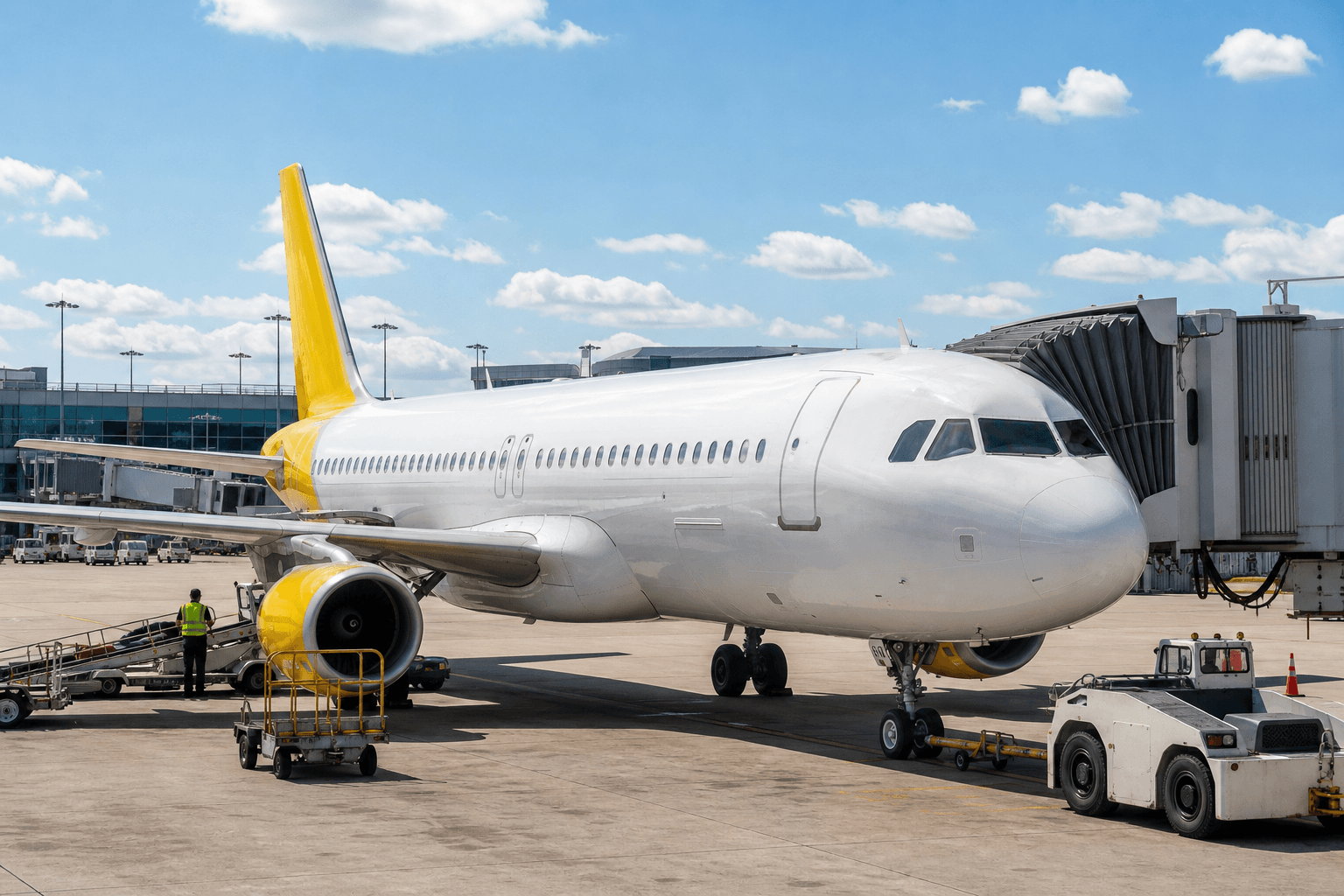
Illustration: The Touch & Go
Spirit Airlines Collapse May End Ultra-Low-Cost Flights in US Aviation Market
Spirit Airlines' shutdown signals a shift in US air travel pricing, potentially raising fares as ultra-low-cost competition disappears amid rising industry costs.
The gist
Spirit Airlines’ 2026 collapse threatens the era of ultra-cheap US airfares by removing key low-cost competition and shrinking capacity.
Continuing coverage
All Low-Cost Carriers →- Apollo Global Management Secures £5.7B Takeover of easyJet with No Immediate Job Cuts
- Apollo Global Management close to acquiring easyJet for $7.6 billion with growth plans
- EasyJet takeover sparks fleet flexibility debate among European low-cost carriers
- Frontier to Launch Starlink High-Speed WiFi Across Fleet in Early 2027
- Vueling to Launch Boeing 737 MAX 8-200 on Mediterranean and European Routes in December 2026
The recent collapse of Spirit Airlines in May 2026 marks what many analysts view as the end of an era of ultra-low-cost air travel in the United States. For years, Spirit had been synonymous with some of the cheapest fares in the country, drawing passengers through a business model that offered bare-bones base fares and charged separately for add-ons like bags and seats. With its exit, the marketplace could be losing a critical driver of affordable domestic airfares, raising questions about the future cost of flying for budget-conscious travelers.
Spirit Airlines was the nation’s seventh-largest airline by passenger count in 2025, carrying approximately 32 million passengers that year after experiencing a steep decline from a prior peak of 44.2 million in 2024. Its revenue also dropped sharply in just a year, from nearly $4.8 billion to about $3.7 billion, as the airline struggled with operational challenges and a shrinking fleet that contracted from over 200 aircraft. The financial distress culminated in the airline ceasing operations entirely in May.
While Spirit held around 4% of the US domestic market, its importance extended beyond market share. The carrier’s aggressive low-pricing tactics compelled larger airlines such as American, Delta, and United to match or respond to fare cuts on routes where Spirit operated. This competitive pressure kept ticket prices generally low across many corridors, allowing even passengers flying competing carriers to benefit indirectly from Spirit’s presence.
With Spirit gone, forecasts warn of a likely reduction in overall seat capacity on domestic routes. That reduction, though perhaps modest numerically, could amplify price increases particularly on leisure routes where demand is price sensitive. Industry observers including Kyle Potter, Editor of Thrifty Traveler, suggest that Spirit’s departure initiates a shift away from the 'Golden Age' of bargain airfares and may usher in a period of higher baseline fares that everyday consumers will notice.
The challenge for remaining low-cost carriers, notably Frontier Airlines and JetBlue Airways, is considerable. They face markedly increased operating expenses in 2026, particularly for jet fuel, which surged dramatically earlier this year. US airlines collectively experienced a 56% month-over-month increase in fuel costs from February to March 2026, with total spending exceeding $5 billion in March alone. This surge disproportionately impacts smaller airlines with thinner margins and fewer diversified revenue streams.
Unlike the larger network carriers who can offset rising costs via premium cabins, international routes, and business customer demand, low-cost airlines typically rely heavily on volume and minimal fares to compete. The spike in fuel prices, coupled with elevated labor, maintenance, and airport fees, squeezes profitability and may compel discount carriers to raise fares or increase ancillary charges to sustain operations.
The disappearance of Spirit Airlines not only reduces competition but also shrinks capacity during a period when rising costs already challenge the viability of low fares. Regulators and industry stakeholders had hoped for a replacement low-cost operator at key airports like LaGuardia to sustain competitive pressure on prices, but so far no carrier has filled that void. This realignment suggests fewer ultra-cheap flight options for budget travelers and potentially a reset of consumer fare expectations.
The legacy of Spirit’s business model—a la carte fares with a focus on minimum base prices—was transformative for the US aviation market over the past two decades. Its collapse signifies not only a commercial failure but a potential structural change at the heart of the US domestic airline industry. Going forward, travelers should anticipate a new pricing environment shaped by fewer budget entrants, higher operating costs, and tighter capacity.
The ongoing ripple effects are already influencing pricing dynamics and could foreshadow a prolonged period of higher fares across hundreds of domestic routes. The stakes are particularly high for leisure travelers and price-sensitive segments who benefited most from Spirit’s disruption. The era of airfare deals that cost less than a tank of gas may now be a thing of the past in American skies.
Read more
All Airlines →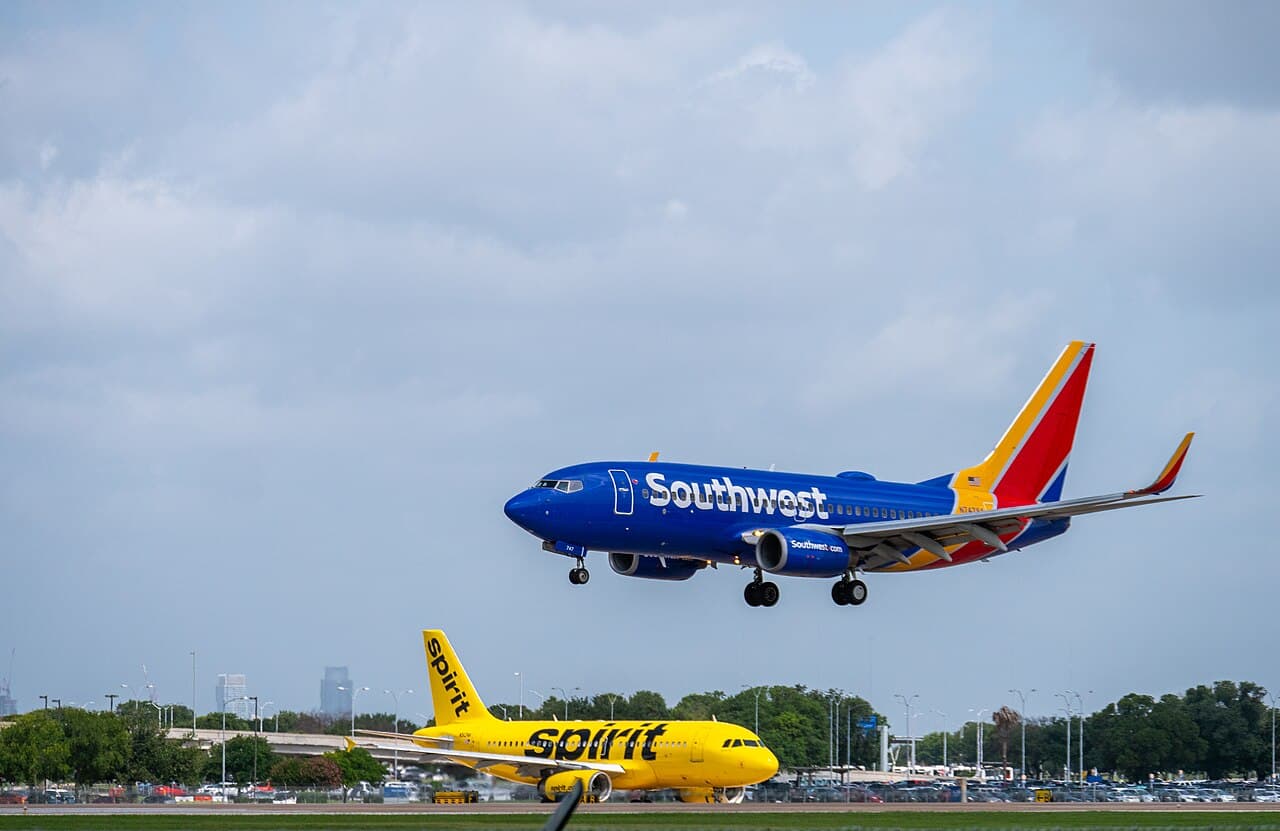
Delta to Launch Nonstop Austin-Paris Flight in Summer 2027 Alongside Austin-San Diego Service
Delta is expected to announce Austin–Paris nonstop service for summer 2027, along with new Austin–San Diego flying, marking a major step in its Austin build-up. The Paris route fits Delta's larger strategy to grow in a lucrative Amex card market.
Lufthansa Signals Shift Toward Collaborative Labor Relations After Years of Strife
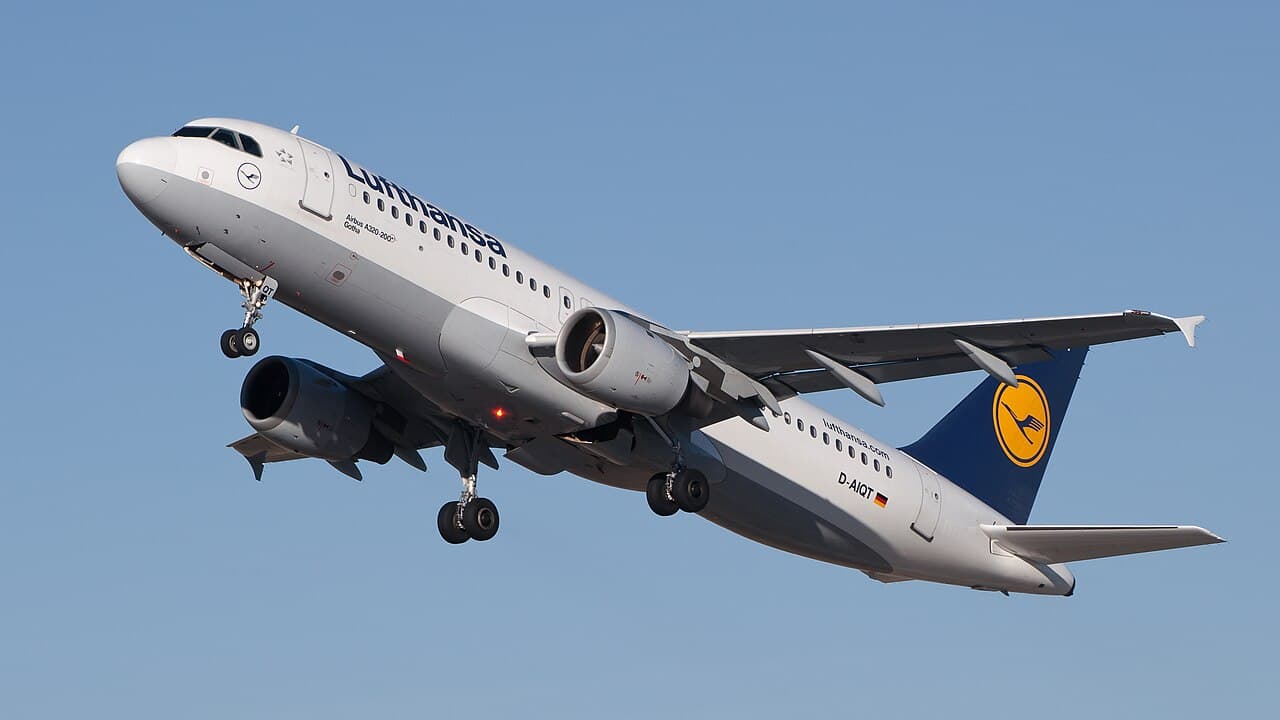
Lufthansa has long struggled with labor relations, and it has cost the airline dearly. Over the years we've seen endless strikes at the airline, and in the end, management seems to lose. It's amazing how executives at the airline make the same mistake over and over, while expecting different results. The irony is that Lufthansa Group CEO Carsten Spohr is a former pilot, so you'd think he'd be on the side of labor. But it's clear that as soon as he crossed over to management, he's had a certain disdain for those who keep the airline running (at least that's what his actions reflect). Well, could Lufthansa finally be turning over a new leaf? Management seems to be suggesting so , but only time will tell if this is just talk, or if there's meaningful action behind it. Lufthansa wants to work with labor on long term solutions This is Lufthansa's 100th anniversary, so it's supposed to be a year of celebration. Instead, this spring we saw employees stage back-to-back-to-back strikes , as both pilots and flight attendants had industrial action that grounded the airline for roughly a week, costing the company hundreds of millions of dollars. This also caused Lufthansa's CityLine subsidiary to be shut down overnight. While we haven't seen formal strikes since then, the contract negotiations are ongoing, so additional industrial action isn't yet off the table. However, for the first time that I can remember, it seems like Lufthansa management is actually acknowledging that it needs to change its approach with labor. In talking about labor relations at the carrier, Lufthansa's Chief Human Resources Officer, Michael Niggemann, said that "we need to talk with each other again, instead of about each other." He also said that "it's important that we not only find solutions to the current collective bargaining disputes, but also create a solid foundation for cooperation in the years to come." Those are certainly the right words, so let's see if there are any actions behind that. Slightly more concretely, it seems that the two parties have agreed on a framework by which they'll arbitrate labor disputes, with the union representing pilots informing members that negotiations will be used to find solutions, rather than industrial action. Generally Lufthansa's labor relations issues have come down to a lack of goodwill and cooperation between management and the unions. Despite being the "flagship" airline, Lufthansa is the lowest margin airline in Lufthansa Group. How you want to analyze that depends on your perspective: Management keeps creating new airline subsidiaries due to this lack of profitability, arguing that the labor contracts for Lufthansa directly are too expensive Labor unions argue that Lufthansa is the least profitable airline because the airline group keeps outsourcing flying, so of course what's left is of limited value, since the flagship brand is being "sacrificed" Lufthansa's 100th anniversary hasn't been great for labor Air France-KLM is to "blame" for Lufthansa's new approach Why is Lufthansa suddenly taking a new approach to labor relations? I mean, logically one would assume that management would come to the conclusion that it's good for business to be on good terms with employees. But it's probably not quite that straightforward. I suspect Lufthansa Group management is also realizing that as we increasingly see consolidation among European airlines, labor peace is an important point of differentiation . I think there's one man and airline group that is putting this pressure on Lufthansa Group — that's Ben Smith at Air France-KLM. Prior to 2018, labor relations at Air France were horrendous. I mean, in 2015, a protest by employees looked more like January 6, with executives having their shirts ripped off, and scaling a fence to escape. However, it has been a completely different story since Smith took over in 2018 . Since then, Air France hasn't seen a single major case of industrial action. Yes, in eight years. That's beyond remarkable. I know a lot of anti-union people like to always blame unions for the kind of unrest, and for being unreasonable, while giving management a pass. Yes, unions can be challenging. But I think the perfect counterpoint to that is what we've seen at Air France. Air France has gone from worst to first when it comes to labor relations in Europe, so how is that possible? Well, Smith has a deep respect for employees, he's a huge aviation geek ( which employees very much respect ), and he fundamentally views labor and management as being collaborative, rather than at odds with one another. He also understands the value in making strategic investments to make employees happy. For example, when he started in his role, one of his first orders of business was to eliminate low cost carrier Joon, moving the employees there onto contracts with higher pay. That's literally the opposite of what we see at Lufthansa Group, where it's all about forming new subsidiaries in order to cut labor costs, at the expense of existing employees. Smith's attitude is essentially "hey, we (management and the employees) want the same thing, which is for the airline to succeed, so how can we come to an agreement where everyone can be happy?" Respect goes a long way… maybe it's a lesson that Spohr and his team are finally learning? Bottom line Lufthansa management claims it'll take a new approach to labor relations, increasingly trying to collaborate with unions to find long term solutions. This is such a departure from what we've seen at Lufthansa over the past couple of decades, so I'm skeptical, but it would certainly be great to see. I think Air France has put the pressure on Lufthansa when it comes to showing the power of good labor relations, given how much the labor situation at Air France has transformed. What do you think — will Lufthansa management actually turn over a new leaf with labor relations, or is this all talk?
Air Canada sells 25% of Aeroplan loyalty program to Blackstone and Canadian investors for $2.5B
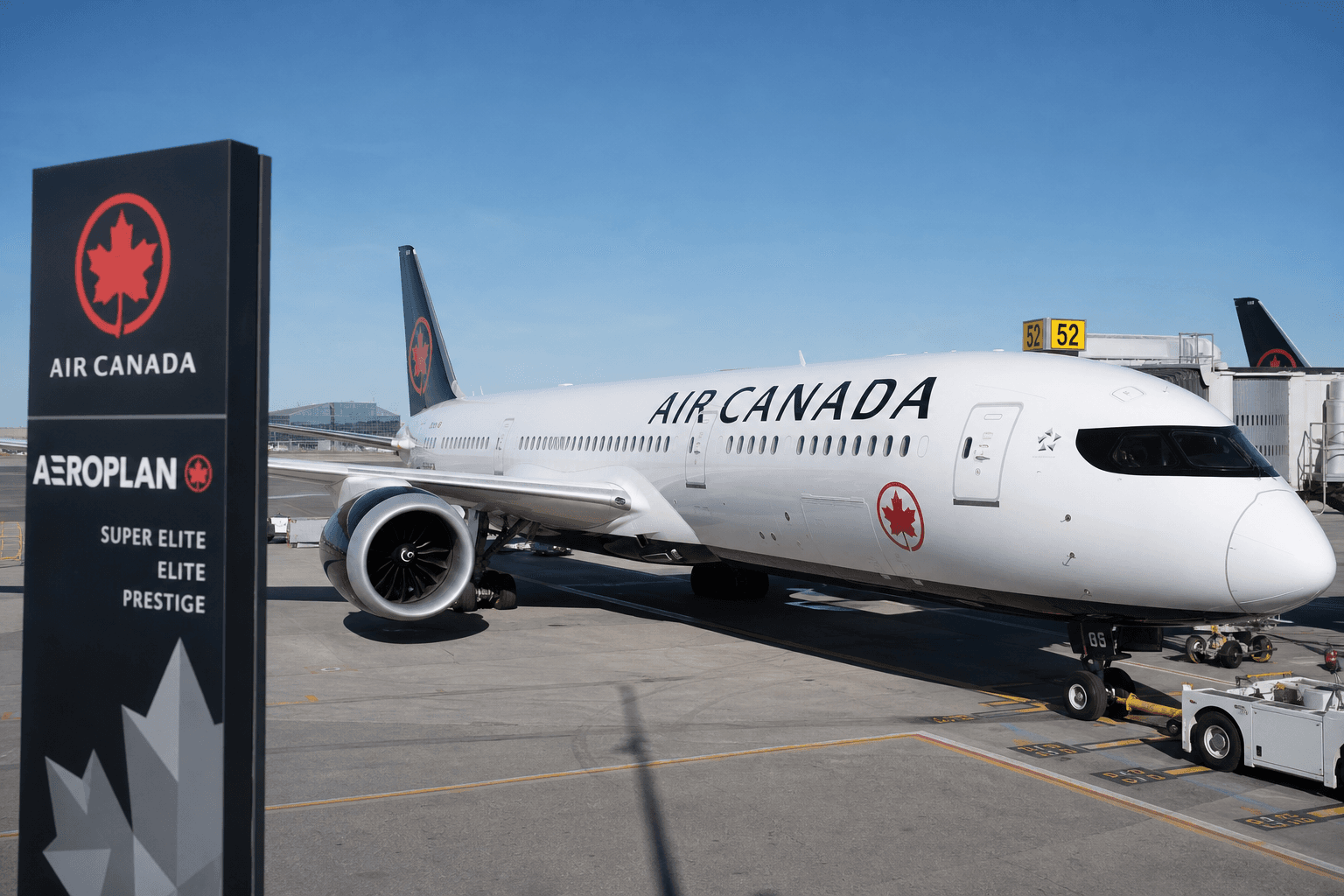
Private equity firm and other investors will receive a 25% stake of the programme, valued at $10 billion. Air Canada has agreed to sell a stake in its Aeroplan loyalty programme to the private equity firm Blackstone and a consortium of Canadian funds, including pensions. The investors will pay $2.5 billion for a 25% stake in the programme, valuing it at $10 billion. Air Canada will use the proceeds to reduce its debt and buy back shares. Air Canada will have the option to repurchase shares in five to eight years at a price that reflects a total rate of return of 6.5% for the outside investors. Shares of Air Canada spiked more than 5% in trading following a Bloomberg report of the potential deal on Tuesday, followed by another large gain on Wednesday following the announcement and earnings report that topped investor expectations. It's not Air Canada's first time using its frequent flyer scheme as a cushion for fresh capital, though a deal like this is relatively rare among North American airlines. Aeroplan was previously spun off into a separate company in 2005 as part of Air Canada's 2003 bankruptcy. The carrier repurchased the programme in 2019. In 2014, Virgin Australia sold a 35% stake in its Velocity frequent flyer programme to Affinity Equity Partners for A$336 million. It bought back the stake in 2019 for A$700 million. And as the COVID-19 pandemic hit airlines in 2020, many carriers used their loyalty programmes and credit card business as collateral to shore up liquidity. "Aeroplan remains a core part of Air Canada’s commercial strategy, and we continue to retain full control of the programme’s strategy, operations, partnerships, and member experience, while monetising a portion of its underlying value," says departing chief executive Michael Rousseau.
Singapore Airlines Faces Challenges With Largest Premium Economy Section on Ultra-Long Haul Flight
The world's longest flight is currently Singapore Airlines' mammoth trip from New York to Singapore, requiring 18 hours in the sky. Given this time, there is no true economy class product available, with 67 business class and 94 premium economy seats. The hard product for both classes is undeniably strong. However, it has been suggested that the cramming of 94 premium economy passengers into an area with one galley and three washrooms is breaking the product.
The Daily Touch & Go
The day's best aviation news in your inbox. Free, no spam.