

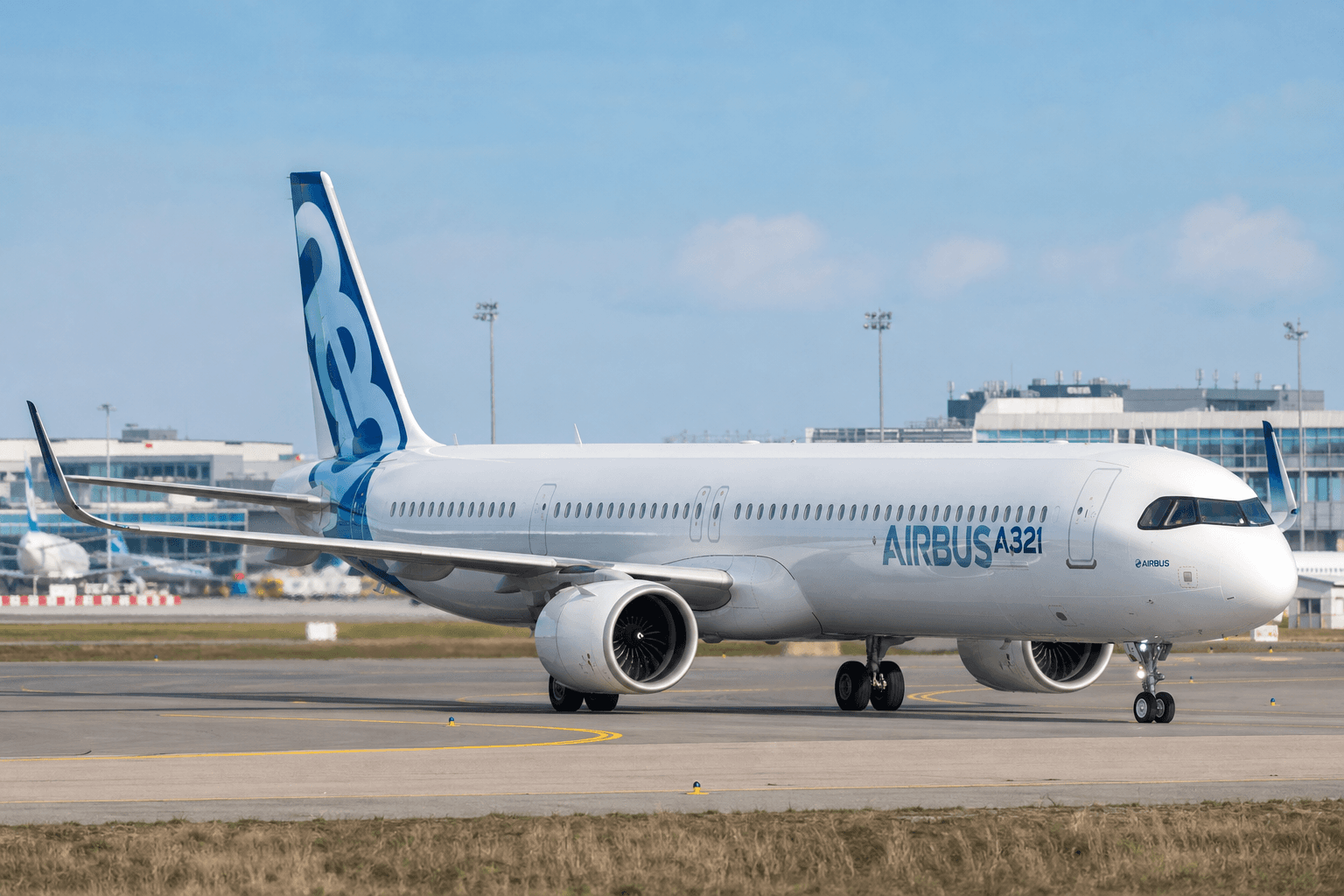
Illustration: The Touch & Go
Starlux Airlines to Lease Eight More A321neos From BOC Aviation Starting 2028
Taiwan's Starlux Airlines will expand its narrowbody fleet with eight additional A321neos leased from BOC Aviation, scheduled for delivery beginning in 2028, powered by CFM Leap-1A engines.
The gist
Starlux Airlines to receive eight leased A321neos from BOC Aviation starting in 2028, boosting its growing Airbus fleet.
Continuing coverage
All Airbus A321neo →- Fire Breaks Out in British Airways Luggage Container at Milan Malpensa, Lithium Battery Suspected
- Delta Introduces First Airbus A321neo VIP Jet for NBA Charter, Replacing Boeing 757s
- Qantas to Sell Entire Stake in Jetstar Japan by Mid-2027 for $52 Million
- JetBlue's Mint Studio Emerges As Premier Transcon Business Class Amidst Competitive Pricing
- ITA Airways pioneers virtual-reality and robotic arm training for A220 and A321neo doors
Starlux Airlines, the Taiwanese carrier known for its all-Airbus fleet, has entered into a leasing agreement with BOC Aviation for eight additional Airbus A321neos. These aircraft deliveries are set to commence in 2028 and mark a significant addition to Starlux's expanding narrowbody lineup. The A321neos involved in this deal will be equipped with CFM International Leap-1A engines, continuing the airline’s preference for this powerplant on its single-aisle fleet.
BOC Aviation confirmed the transaction in a statement on 1 July, emphasizing its support for Taiwan’s newest international airline. Paul Kent, BOC Aviation’s chief commercial officer, highlighted the environmental and operational benefits of the A321neo models as possessing some of the highest fuel efficiency in production today. This efficiency is expected to complement Starlux's strategy to enhance its regional network capabilities.
Currently, Starlux operates a fleet of 13 A321neos powered by the same Leap-1A engines, demonstrating the airline's commitment to fleet commonality which can reduce maintenance costs and streamline pilot training. Starlux’s narrowbody fleet thus far centers around this model, reflecting its operational focus on medium-haul regional routes, where fuel efficiency and flexibility are crucial.
In addition to its narrowbody aircraft, Starlux maintains a robust widebody presence with Airbus A350-900 and A350-1000 aircraft, complemented by a batch of A330-900neos. This diverse but Airbus-centric fleet enables the airline to cover both regional and long-haul routes with consistent in-service performance and passenger experience across aircraft types.
The decision to lease eight more A321neos rather than purchasing outright aligns with a strategic approach to fleet management that balances capital expenditure with operational flexibility. Leasing from BOC Aviation, a prominent lessor with a significant orderbook, provides Starlux with access to new technology and up-to-date aircraft without the extended delivery times often associated with direct manufacturer orders.
The A321neo platform itself has become a popular choice for carriers aiming to optimize fuel consumption and minimize environmental impact while maintaining capacity and range. Starlux’s continuation with the Leap-1A variant ensures commonality benefits across engine maintenance programs and spare parts inventories. The anticipated deliveries from BOC Aviation will therefore reinforce the airline's operational efficiencies and growth plans.
Starlux’s gradual expansion of its A321neo fleet underlines the carrier’s growth trajectory since its founding, reflecting confidence in the Asia Pacific’s regional aviation demand. Adding eight leased aircraft starting in 2028 indicates a medium-term plan to scale capacity and network reach, particularly important as global air travel stabilizes post-pandemic and competition intensifies across the region.
The leasing agreement also signals BOC Aviation’s active role in supporting airline expansion in the Asia Pacific market. Supplying newer Airbus models to younger carriers like Starlux enhances the lessor’s portfolio balance and exposure to growth markets. Both parties are positioned to benefit from the efficiency and versatility of the A321neo platform in an increasingly competitive and sustainability-conscious environment.
Read more
All Airlines →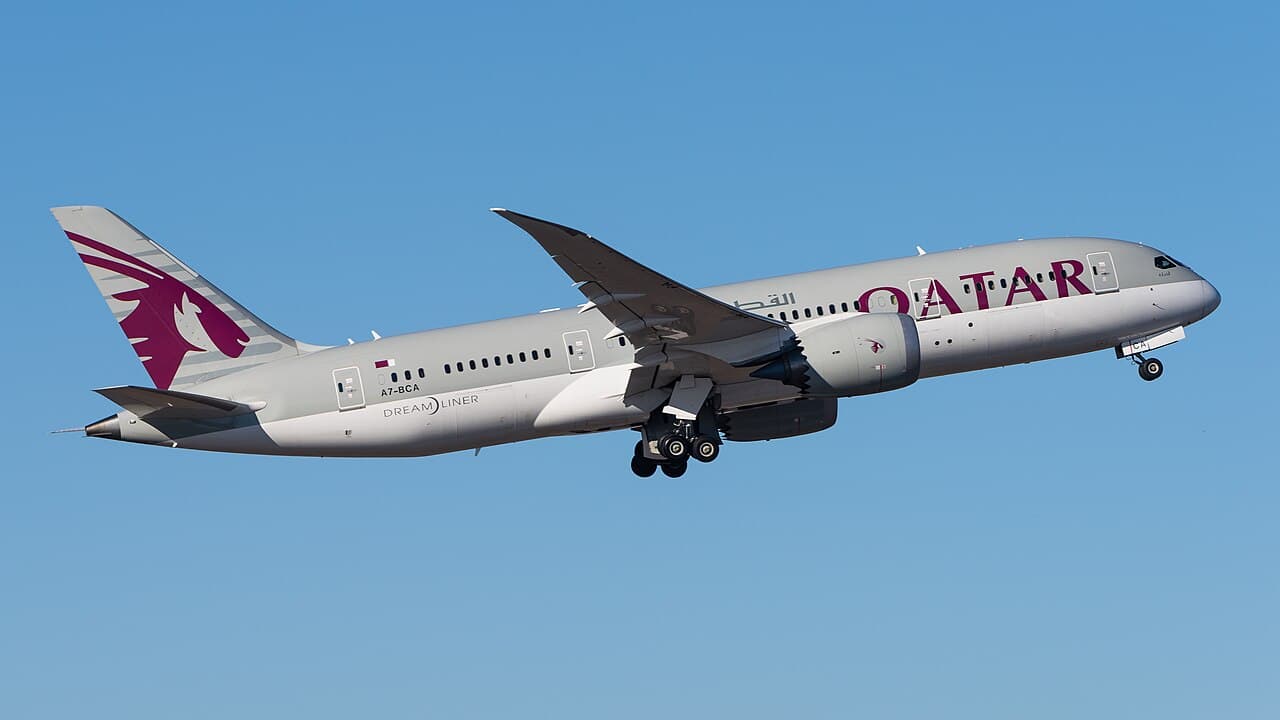
American Airlines Launches Six New Transatlantic Routes from US Hubs to Europe
American Airlines has added six new or returning nonstop transatlantic routes to its network in 2026, linking three major US hubs with European destinations. The routes connect some major US hubs with Scotland, Italy, Greece, Hungary and the Czech Republic. Launched between March and May, the services form part of American's largest summer schedule yet and strengthen its position across the Atlantic.
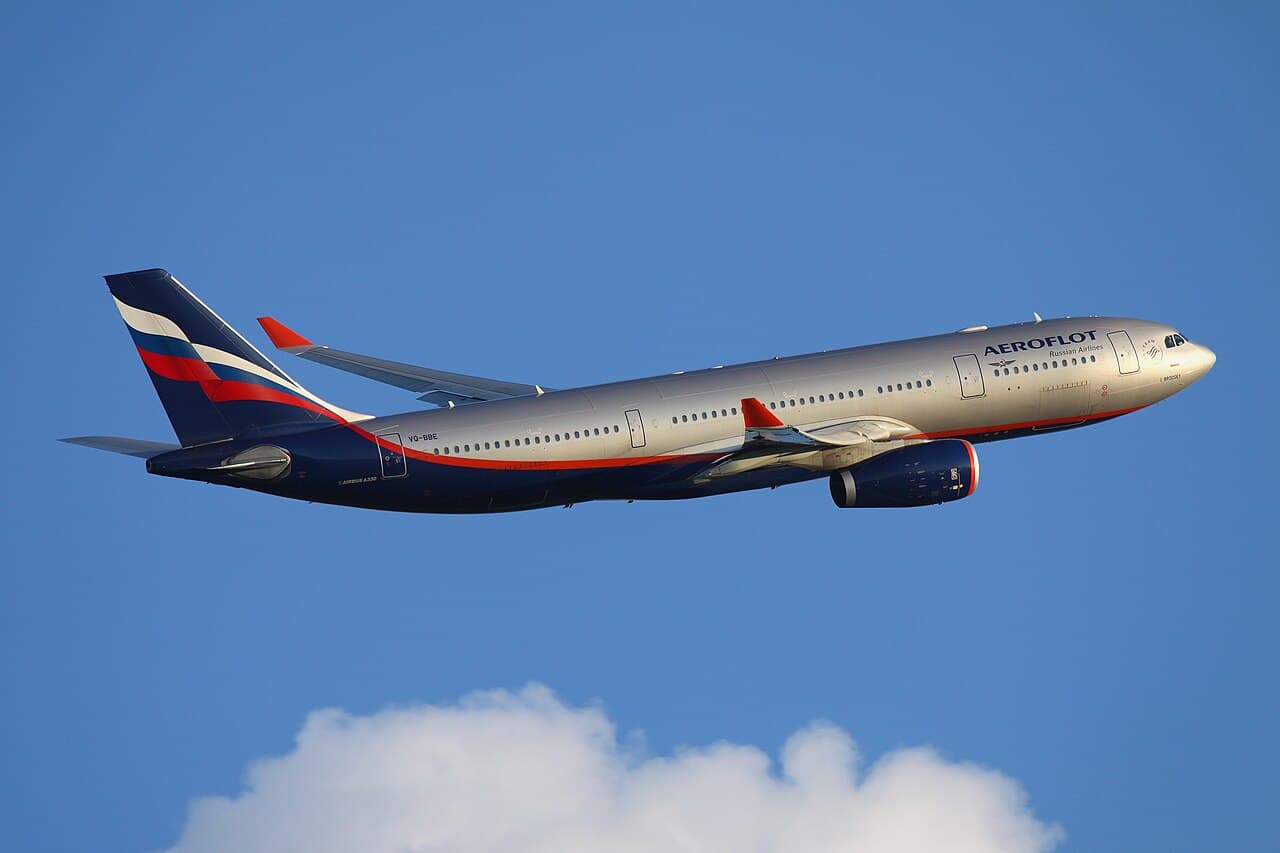
Delta Orders 16 High-Cabin Airbus A330-900neos With 56 Delta One Suites Each
Delta Air Lines' newest batch of Airbus A330-900neos will be fitted with 56 Delta One Suites, almost double the number fitted to the aircraft the carrier flies today. 16 examples of the 'high J' configuration were ordered in January and will complement Delta's existing fleet of 39 A330neos and more than 40 previous-generation A330s.
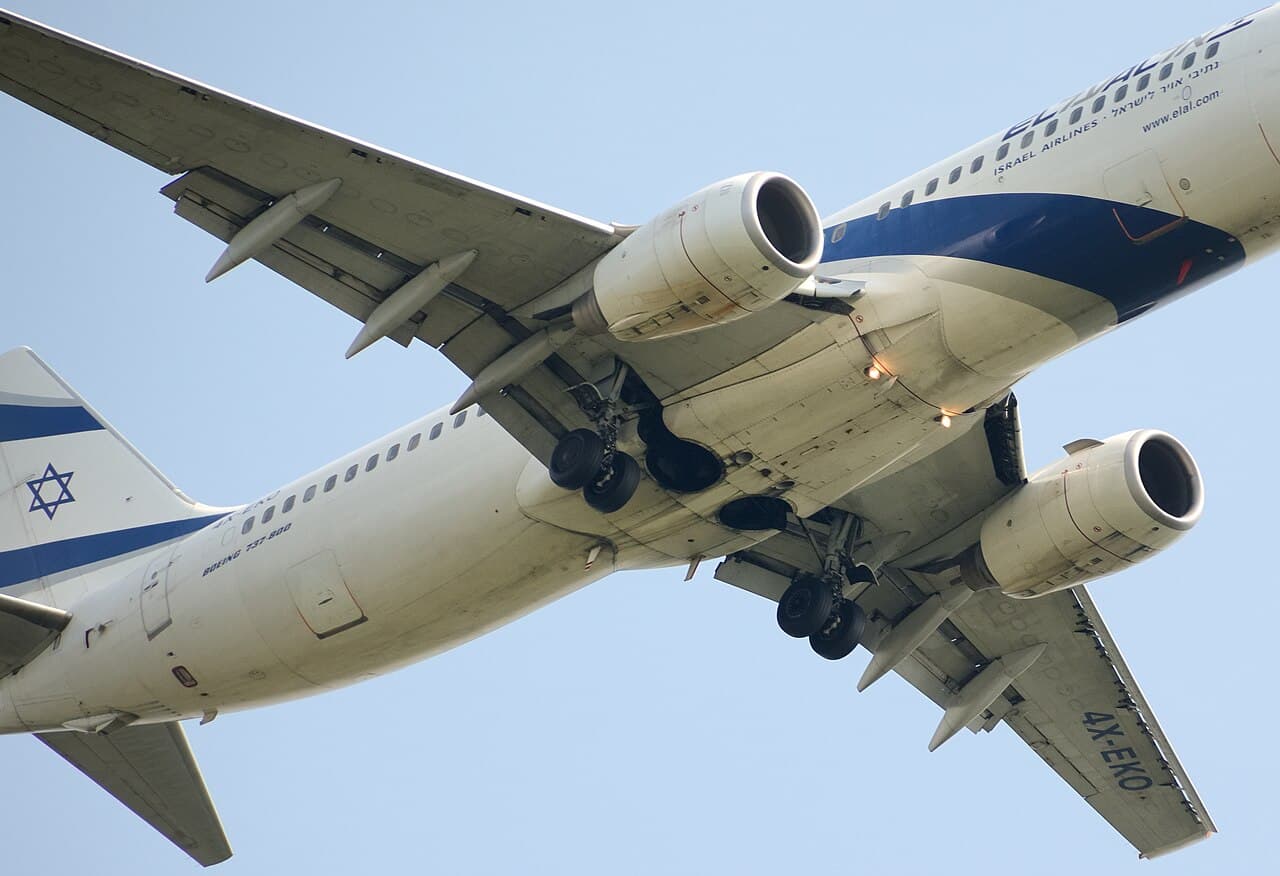
United Airlines Expands Ski Destination Network with New Boston-Jackson Hole Route
United's ski-country network and Chicago growth show that Scott Kirby's decade-old strategy worked: add useful flights, use bigger planes, rebuild schedule relevance, and loyalty follows. But the data cuts against a simpler brand-love story — passengers may be choosing United less because they love the airline and more because United built the flights, seats, and schedules they actually need.
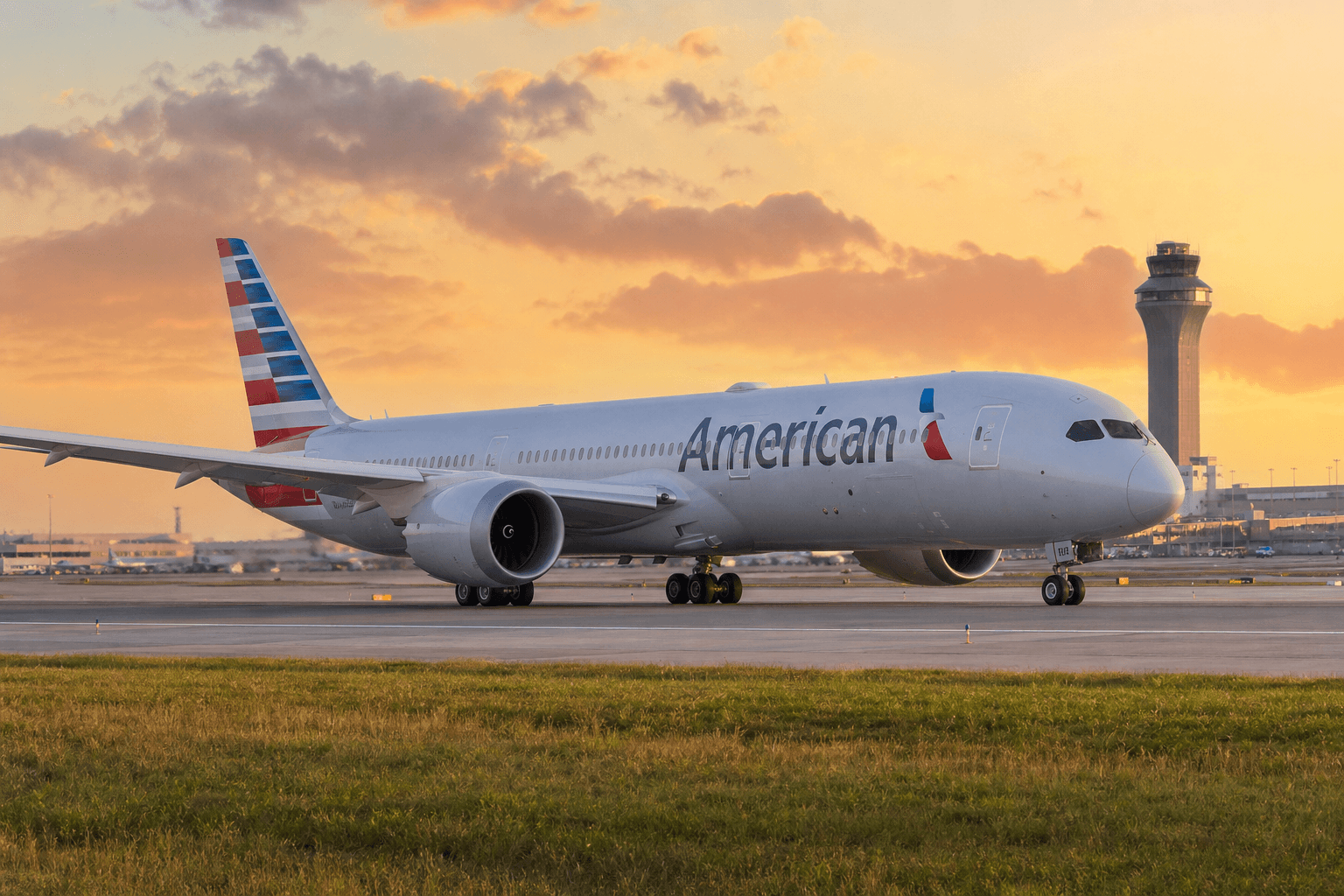
American Airlines Struggles to Match Delta and United in Profitability Despite Market Size
American Airlines was founded in 1930 through a merger of 80 airlines. It wouldn't be until 2013 that American as we know it today was born through a merger with US Airways. With over 223 million passengers carried in 2025, the oneworld carrier remains one of the world's largest airlines alongside its largest competitors, Delta Air Lines and United Airlines . Despite this, American is lagging behind on one key metric: profitability. A gap the Dallas-based airline is desperately looking to close over the coming years.
The Daily Touch & Go
The day's best aviation news in your inbox. Free, no spam.