

Illustration: The Touch & Go
US Navy to Replace F-5 Tigers with Super Hornets in Reserve Aggressor Squadrons
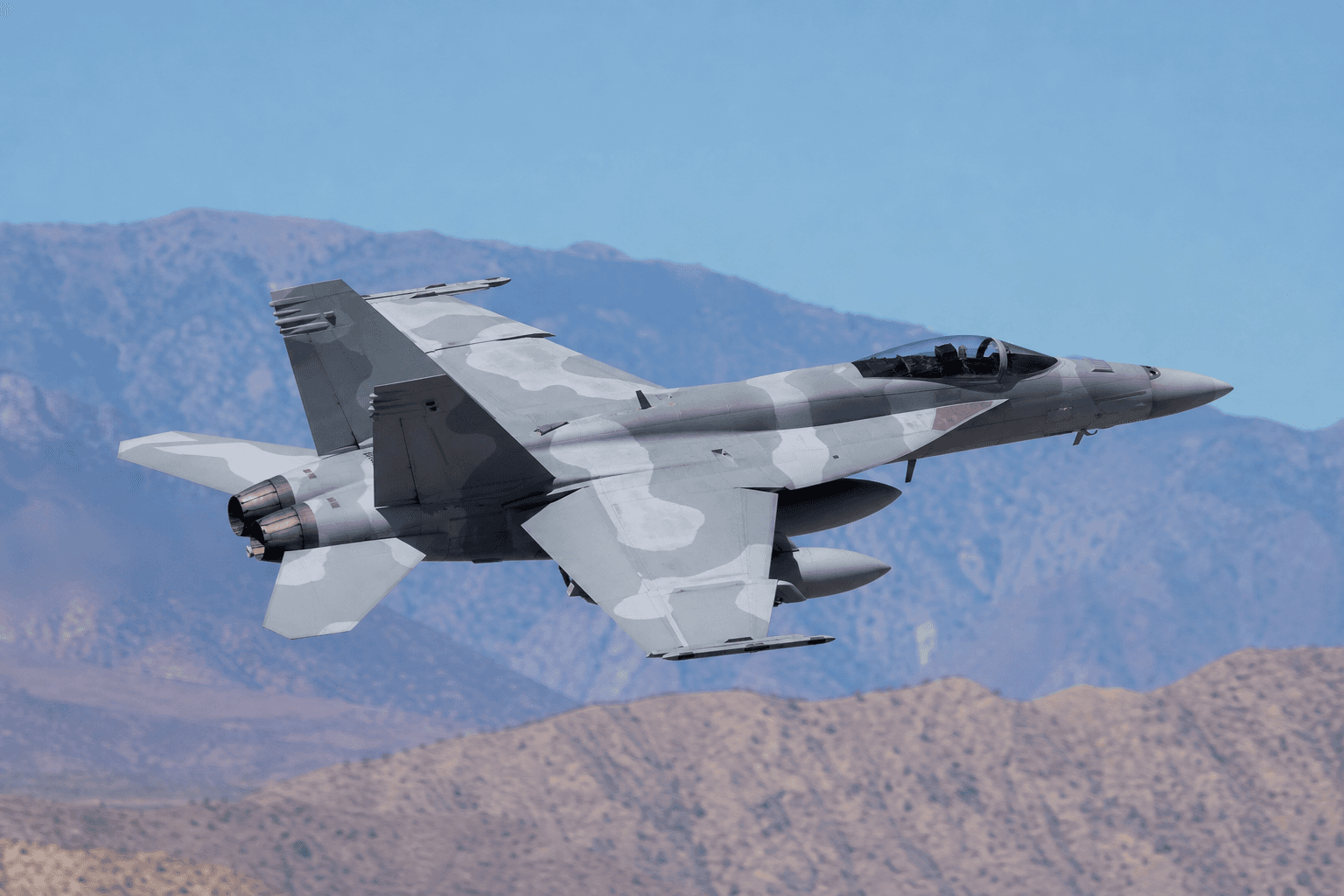
The US Navy plans to transition its reserve squadrons from legacy F-5 Tiger II aggressors to F/A-18E/F Super Hornets to enhance adversary training capabilities.
The gist
The US Navy is retiring F-5 Tigers in reserve aggressor roles in favor of more capable Super Hornets to better simulate advanced threats.
Continuing coverage
All Fighter Jets →- Developing Sixth-Generation Fighters Takes Decades Even for Superpowers
- France and Germany pivot defense strategy after joint fighter jet project collapse
- USAF Plans 267 F-15EX Fighters to Complement Growing F-35 Fleet as 'Missile Trucks'
- How the F-22's F119 Engine Overcame Long-Standing Fighter Jet Engine Trade-Offs
- Cathay Pacific A350 Intercepted by NATO Jets After Radio Silence Over Europe
The Northrop F-5 Tiger II has historically played a significant role as a light fighter and aggressor aircraft for the US Navy and Marine Corps, but the Navy is now preparing to phase it out in favor of the F/A-18E/F Super Hornet. The F-5 Tiger II found its niche as an affordable and effective jet used worldwide, especially valued for training enemy tactics through aggressor squadrons. However, facing modern security challenges and the emergence of advanced adversaries, the US Navy aims to upgrade its aggressor fleet to maintain realistic training scenarios.
Dating back decades, the F-5 Tiger II served notably as the template for the aggressor aircraft portrayed in the classic 1986 film Top Gun. In real operations, the Navy and Marine Corps extensively used F-5s to emulate Soviet-era fighter tactics during training exercises. Over time, the aircraft evolved with upgrades such as the ARTEMIS enhancement and integration of ex-Swiss Air Force F-5E/F jets to sustain their role. Despite these efforts, the platform’s aging technology limits its ability to present a credible threat against newer fighter jets encountered in potential conflicts.
Efforts to modernize adversary training reflect a broader strategic shift within US military aviation. The Navy’s interest in replacing its F-5 aggressors with Super Hornets follows similar moves by the Air Force, which inaugurated an F-35A squadron specifically for adversary training. As competitor nations like China field increasingly capable 4.5th- and 5th-generation fighters, having realistic and sophisticated aggressor aircraft provides pilots with vital experience against platforms that closely replicate these threats.
The House Armed Services Committee’s Fiscal 2027 NDAA includes a provision requiring the Secretary of the Navy to submit yearly reports over five years detailing plans and execution for transitioning Navy Reserve F-5 units to F/A-18E/F Super Hornet operations. This formal step underscores the Navy's commitment to fully equip its adversary squadrons with frontline fighter technology. The move will leverage surplus and soon-to-retire Super Hornets, many of which boast combat-proven systems and advanced sensor suites like the AN/APG-79 AESA radar and ATFLIR targeting pods.
The current aggressor fleet comprises approximately 28 single-seat F-5Ns and two F-5Fs, complemented by 22 refurbished Swiss F-5E/F airframes acquired in the 2000s. While these upgrades have extended their usability, the aircraft remain fundamentally constrained by their vintage design and outdated avionics. The T-45 Goshawk remains the Navy’s primary jet trainer, but the Super Hornet’s operational maturity and capability make it a superior choice for replicating complex adversary threats during high-end combat exercises.
Alongside the Navy’s planned transition, several Fighter Squadron Composite units operate in aggressor roles. VFC-12 has already shifted to the Super Hornet, and VFC-13 moved from F-5s to upgraded F-16C/Ds. The remaining F-5 squadrons, VFC-111 and VFC-204, continue to fly Tigers but are slated for upgrade or replacement. The Marine Corps’ F-5 units, VMFT-401 and VMFT-402, also operate the platform with situational awareness systems but face similar replacement considerations outlined in the latest Marine Aviation Plan released in February.
Beyond Super Hornets, the Navy and other US military branches are exploring the use of Collaborative Combat Aircraft (CCA) for future aggressor roles. Notably, autonomous platforms like Anduril's Fury, designated YFQ-44 for the Air Force, are under rapid development. This approach may complement manned aircraft in providing diverse and challenging adversary profiles for pilot training. While the F-5 Tigers’ operational era with the US Navy is drawing to a close, their legacy and role in building combat readiness remain significant within the history of naval aviation.
Read more
All Military/Defense →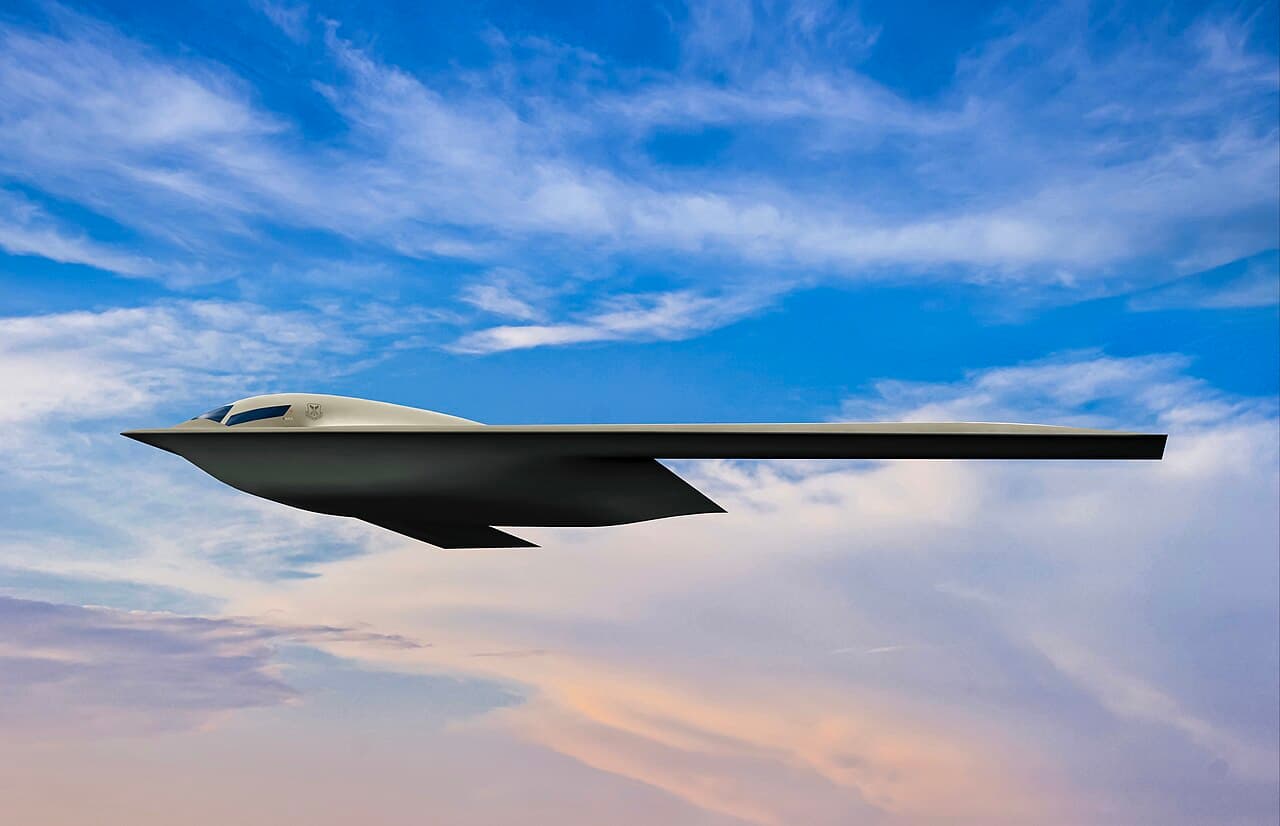
US Navy Admiral Advocates Doubling B-21 Raider Fleet to 200 Bombers for Pacific Defense
Commander of the US Navy Pacific Command, Admiral Samuel Paparo, has expressed support for the US Air Force to drastically increase its procurement plans for the Northrop Grumman B-21 Raider. The initial program goal was to build 100 of the world's first sixth-generation stealth bombers. Air Force leaders and lawmakers are already pushing to increase that number up to at least 145, with other advocates seeking 185. Now, the Navy is championing a fleet of 200 to strengthen the combined-arms strategy that makes joint operations between the different US service branches and regional allies.
Boeing's VC-25B Air Force One Replacements Delayed to 2028-29 Completion
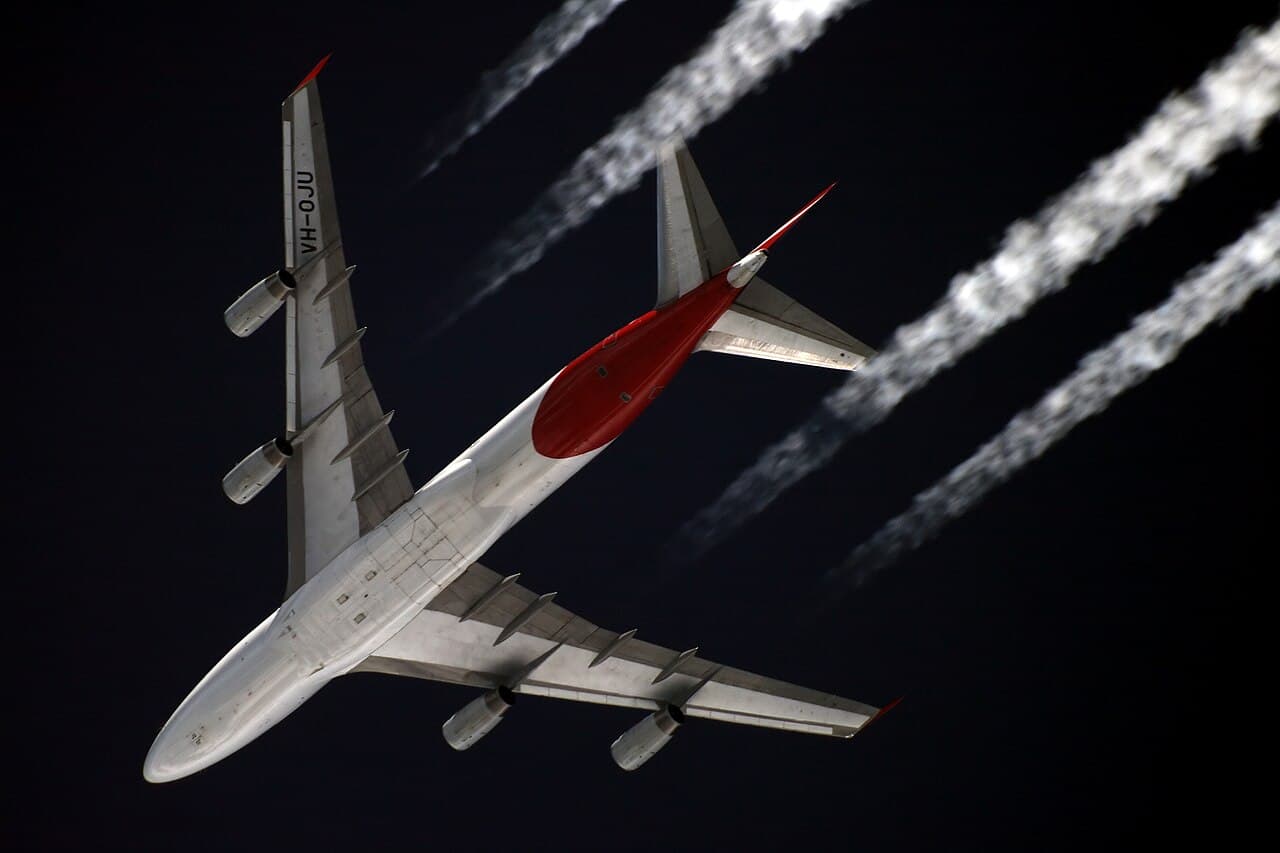
The Boeing 747 may have ended its commercial production run, but two of the most consequential examples ever built remain deep inside a modification program that has stretched years beyond its original timetable. Boeing 's two purpose-built VC-25B presidential aircraft, which are the long-awaited replacements for the US Air Force's aging VC-25As, were originally expected to be delivered by the end of 2024. Instead, the first aircraft is now scheduled for roughly mid-2028, while the second is expected around mid-2029, according to the latest program reporting summarized by Yahoo Finance .
Embraer C-390 Emerges as Leading Affordable Western Military Airlifter for Smaller Nations
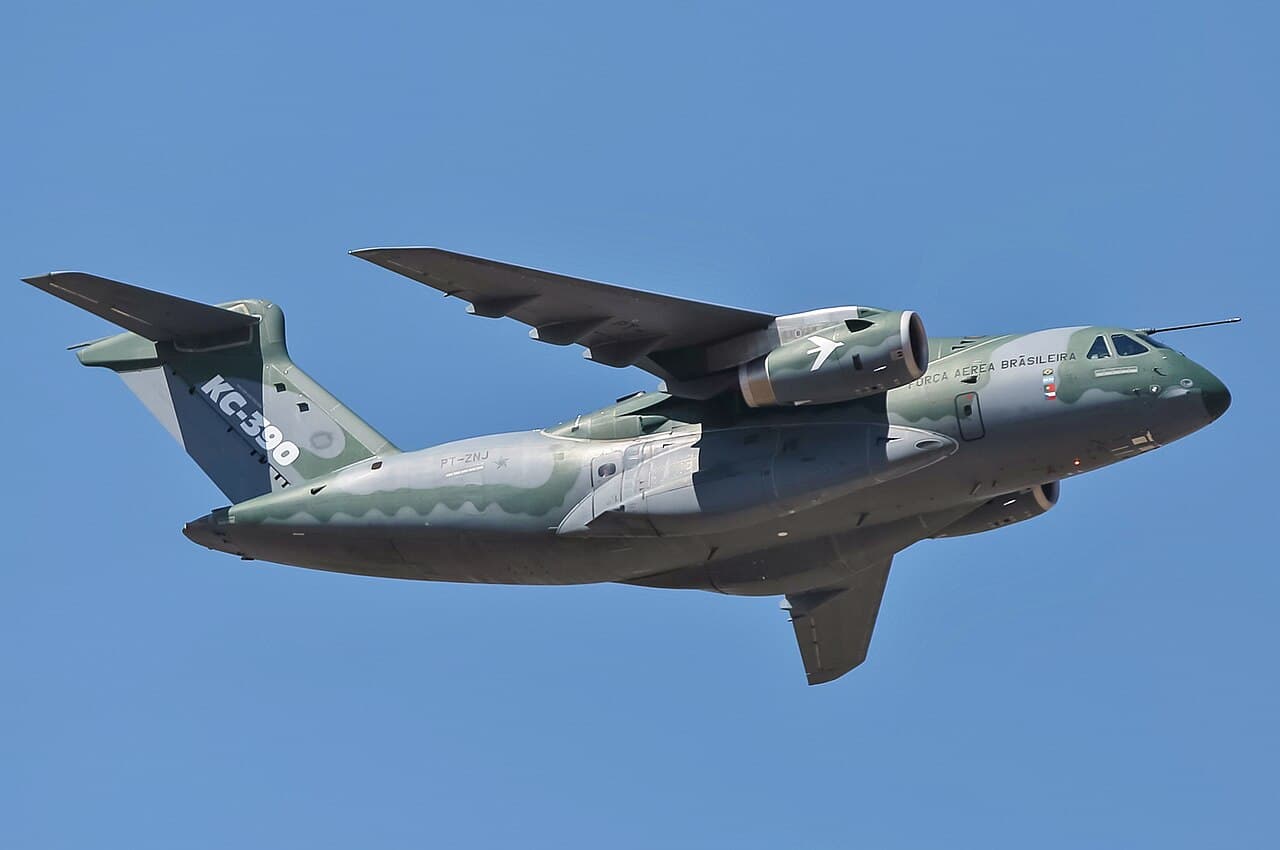
While Brazil is typically not considered a 'Western' country, its Embraer C-390 Millennium is part of the Western supply chain, and it is marketed to various Western countries as an alternative to the Lockheed Martin C-130J Super Hercules. It is seen as a geopolitically acceptable military aircraft for NATO allies to purchase in a way that Chinese and Russian military aircraft are not.
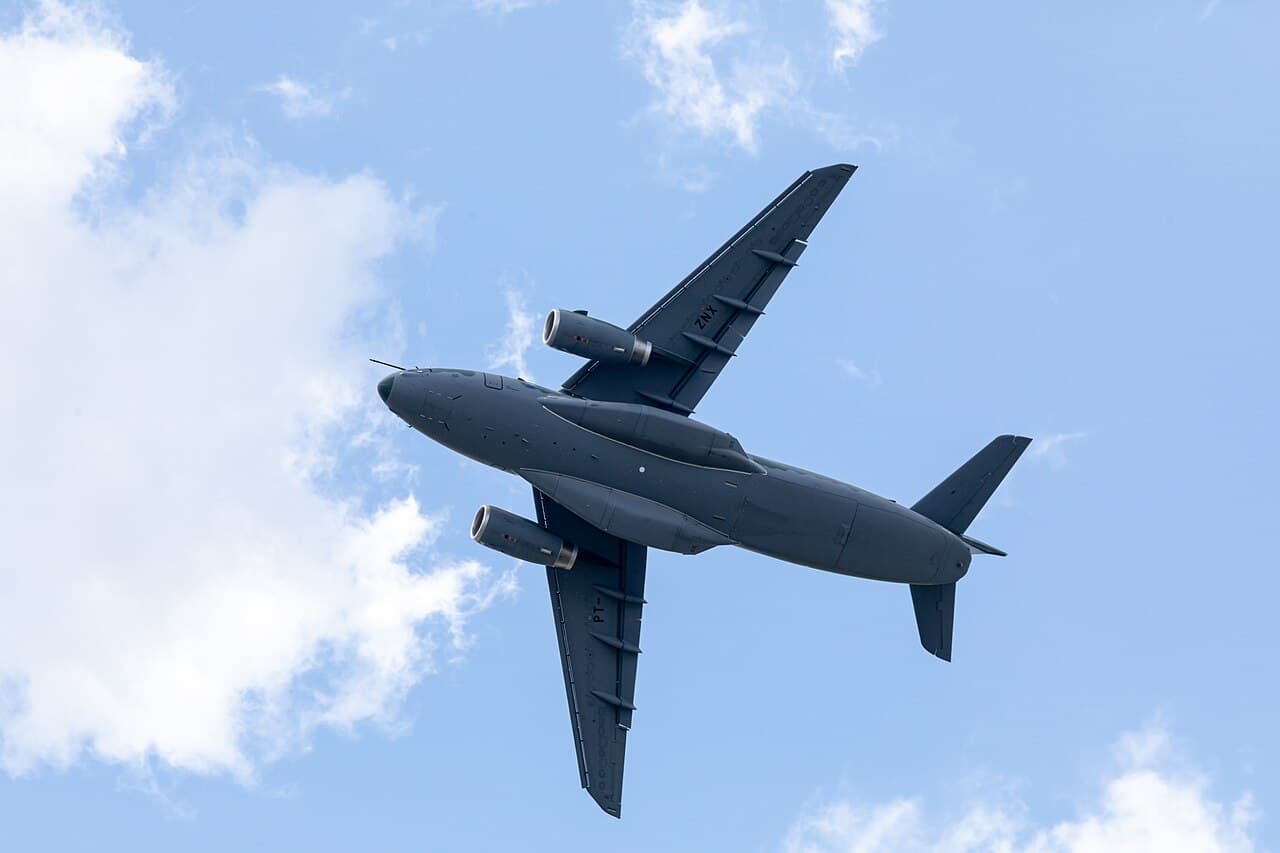
Colombia orders two Embraer KC-390 Millennium airlifters for fleet modernization
Embraer announced on August 4, 2026, that the Fuerza Aeroespacial Colombiana (FAC) has signed a contract for two KC-390 Millennium multi-mission aircraft, making Colombia the first Latin American customer for the type outside Brazil and the 13th nation to order it. The FAC put the value of the contract at $366.4 million at fixed prices, with execution spread over four years. The package covers the two aircraft, mission equipment, initial training for pilots, maintenance technicians and mission support personnel, ground support equipment, and 24 months of integrated logistics support. Embraer said the deal also includes an offset program structured to meet Colombian regulatory requirements. Deliveries are scheduled for 2029 and 2030, with the first aircraft to be ferried from Embraer's Gavião Peixoto plant to CATAM air base in Bogotá. Replacing an aging Hercules fleet The purchase falls under the FAC's heavy tactical military transport requirement, part of a modernization plan the force ties to its Air and Space Development Strategy 2042 (EDAES 2042), formulated in 2019. Colombia's tactical airlift currently rests on a small fleet of Lockheed C-130B and C-130H Hercules, operated since the late 1960s and supplemented over the years by second-hand US transfers. That fleet came under scrutiny after a C-130H registered FAC-1016 crashed shortly after takeoff from Puerto Leguízamo on March 23, 2026, killing 70 of the 126 people on board. The decision was not entirely free of controversy. President Gustavo Petro directed the FAC to conclude negotiations with Embraer in July 2026, according to Infodefensa , before the force had completed a technical comparison that also included the Lockheed Martin C-130J Super Hercules and Airbus A400M. The FAC nevertheless maintained that its selection followed technical, legal and financial analyses conducted by its own personnel. Tanker role and Gripen interoperability Two Brazilian Air Force F-39E Gripen fighters refuel simultaneously from an Embraer KC-390 Millennium. (Credit: Embraer) Embraer said the aircraft will be delivered with connectivity allowing them to operate alongside the 17 Gripen E/F fighters Colombia ordered from Saab in November 2025 under a €3.1 billion contract. The KC-390 can be fitted with removable air-to-air refueling equipment, allowing it to serve as either tanker or receiver. Bosco da Costa Junior, President and CEO of Embraer Defense & Security, said the company was "honored by the FAC's decision to select the KC-390 Millennium," pointing to a relationship dating back more than 35 years to Colombia's purchase of the EMB-312 Tucano and later the A-29 Super Tucano. Embraer says the KC-390 carries up to 26 tons of payload at speeds of up to 470 knots and can operate from short or unpaved strips. Beyond Brazil, the type has been selected by Portugal, Hungary, South Korea, the Netherlands, Austria, the Czech Republic, Uzbekistan, Sweden, the United Arab Emirates, Slovakia and Lithuania [though the latter postponed the procurement – ed. note]. The Czech Air Force received its first aircraft on July 16, 2026.
The Daily Touch & Go
The day's best aviation news in your inbox. Free, no spam.